Saedi Marghmaleki Vajihe, Alaei Hojjatallah
Department of Physiology, School of Medicine, Isfahan University of Medical Sciences, Isfahan, IR Iran.
Asian J Sports Med. 2016 Oct 2;7(4):e35181. doi: 10.5812/asjsm.35181. eCollection 2016 Dec.
Previous studies on the medial prefrontal cortex (mPFC) has shown that this area plays an important role in addiction behavior. Other studies also indicated that exercise decreases use of morphine.
The aim of this study was to evaluate the effects of short-term exercise on trends for use of morphine with an intact mPFC and lesion of that area.
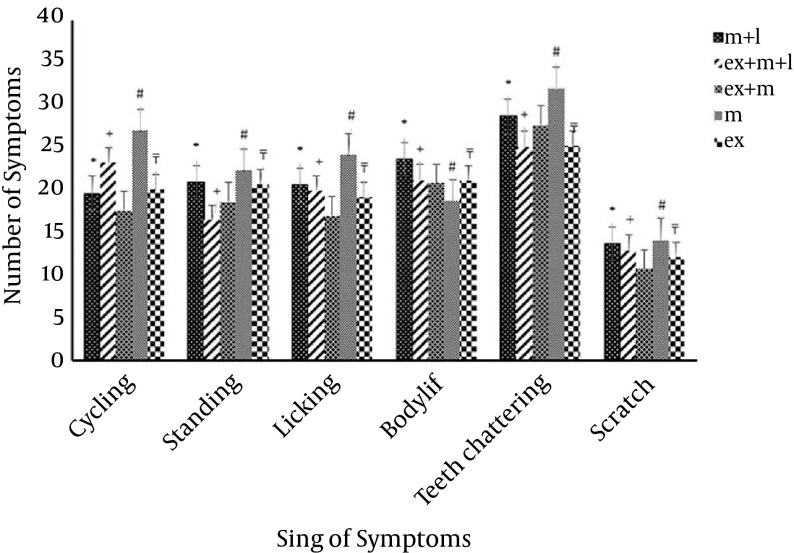
50 rats randomly were selected and divided into 5 groups. 1-exercise. 2- Morphine + Lesion. 3- Morphine + Exercise + Lesion. 4- Morphine. 5- Morphine and Exercise. All groups received morphine for 9 days except exercise group. On the 10th day, the symptoms of addiction were evaluated. To determine the effects of exercise, a treadmill apparatus was used for exercising.
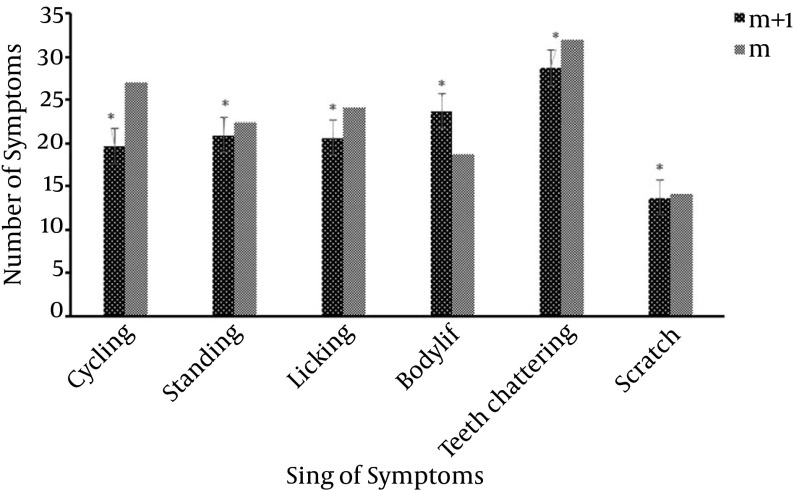
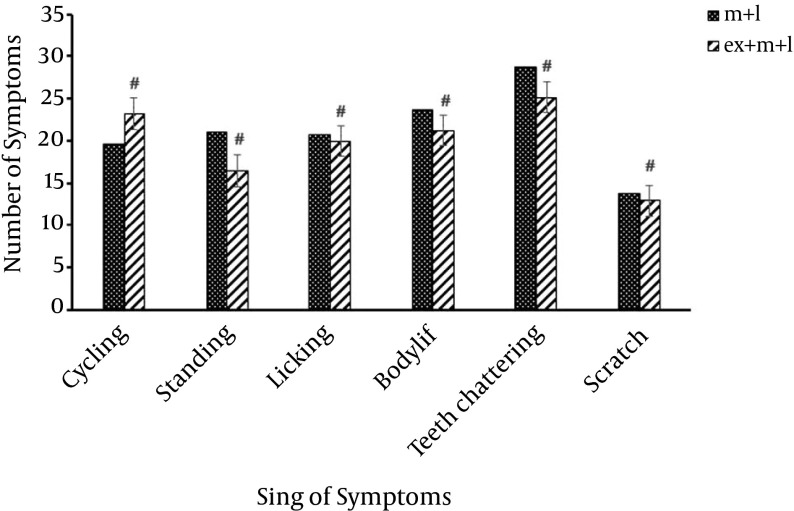
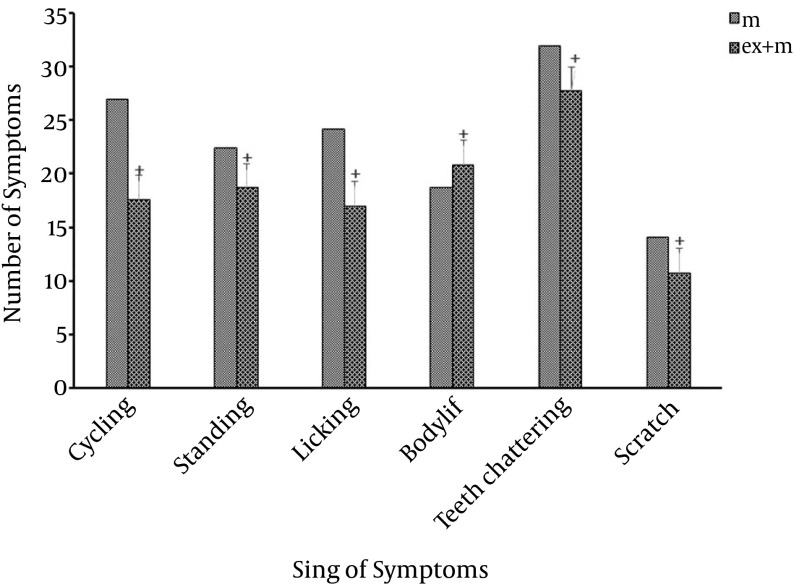
Our results indicated that exercise with intact mPFC area significantly decreased the tendency of using morphine which is verified by changes in symptoms (P < 0.05), but after a lesion of this area exercise did not significantly affect these withdrawal symptoms.
It seems that a lesion of mPFC area significantly reduced the effect of short-term exercise on the usage pattern of morphine.
先前对内侧前额叶皮质(mPFC)的研究表明,该区域在成瘾行为中起重要作用。其他研究也表明运动可减少吗啡的使用。
本研究旨在评估短期运动对mPFC完整及该区域损伤情况下吗啡使用趋势的影响。
随机选取50只大鼠,分为5组。1组为运动组。2组为吗啡+损伤组。3组为吗啡+运动+损伤组。4组为吗啡组。5组为吗啡与运动组。除运动组外,所有组均接受9天的吗啡给药。在第10天,评估成瘾症状。为确定运动的影响,使用跑步机进行运动。
我们的结果表明,mPFC区域完整时运动显著降低了使用吗啡的倾向,这通过症状变化得到证实(P<0.05),但该区域损伤后运动对这些戒断症状没有显著影响。
似乎mPFC区域的损伤显著降低了短期运动对吗啡使用模式的影响。