Diering Graham H, Nirujogi Raja S, Roth Richard H, Worley Paul F, Pandey Akhilesh, Huganir Richard L
Solomon Snyder Department of Neuroscience, Kavli Neuroscience Discovery Institute, Johns Hopkins University, Baltimore, MD, USA.
Department of Biological Chemistry, Institute of Genetic Medicine, Johns Hopkins University, Baltimore, MD, USA.
Science. 2017 Feb 3;355(6324):511-515. doi: 10.1126/science.aai8355. Epub 2017 Feb 2.
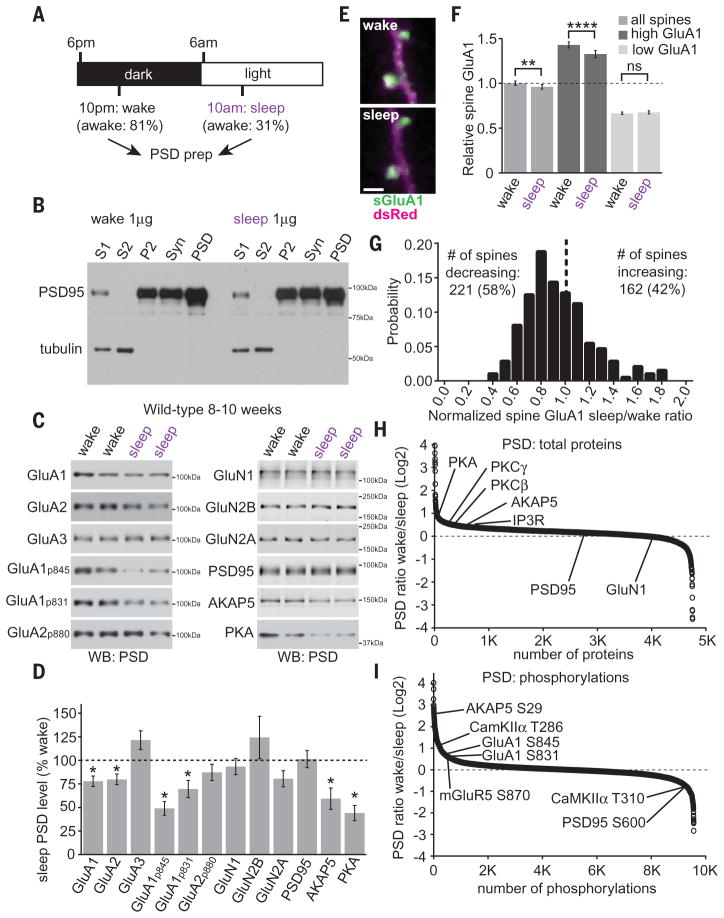
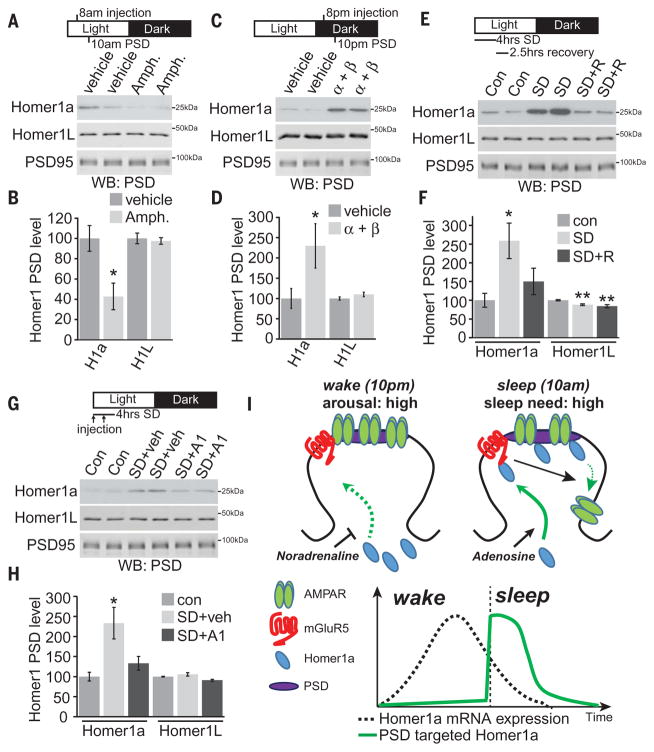
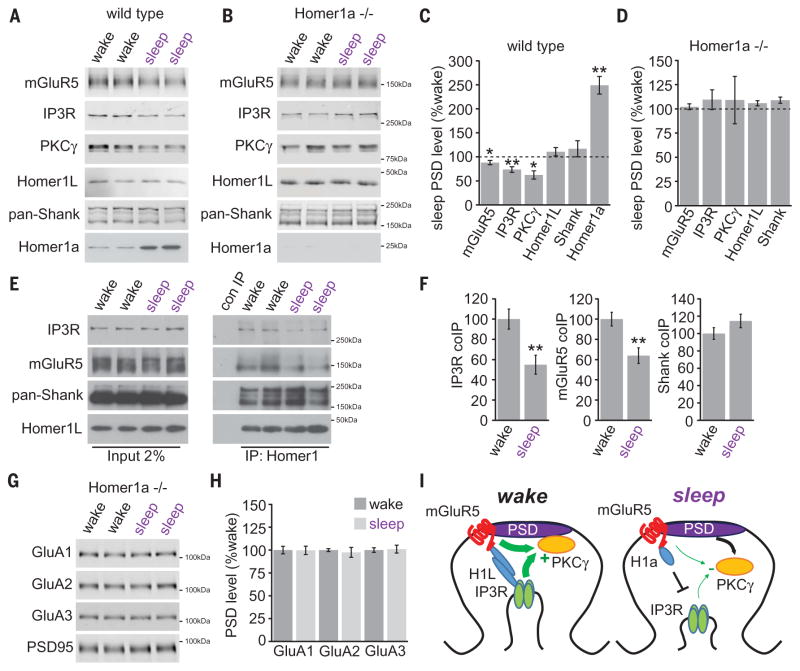
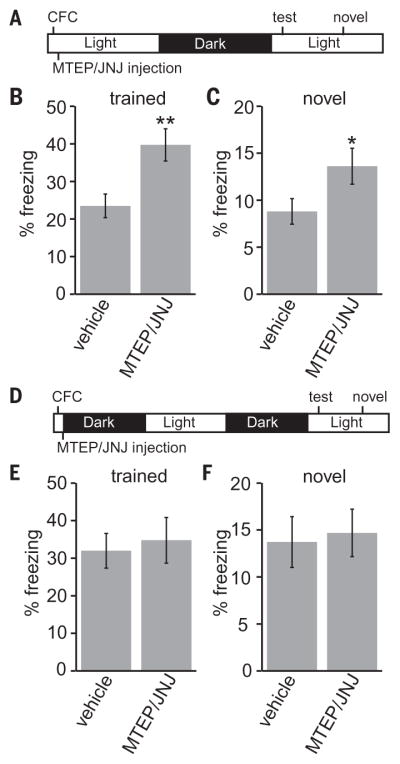
Sleep is an essential process that supports learning and memory by acting on synapses through poorly understood molecular mechanisms. Using biochemistry, proteomics, and imaging in mice, we find that during sleep, synapses undergo widespread alterations in composition and signaling, including weakening of synapses through removal and dephosphorylation of synaptic AMPA-type glutamate receptors. These changes are driven by the immediate early gene Homer1a and signaling from group I metabotropic glutamate receptors mGluR1/5. Homer1a serves as a molecular integrator of arousal and sleep need via the wake- and sleep-promoting neuromodulators, noradrenaline and adenosine, respectively. Our data suggest that homeostatic scaling-down, a global form of synaptic plasticity, is active during sleep to remodel synapses and participates in the consolidation of contextual memory.
睡眠是一个重要过程,它通过尚不明确的分子机制作用于突触,从而支持学习和记忆。利用小鼠的生物化学、蛋白质组学和成像技术,我们发现睡眠期间突触在组成和信号传导方面会发生广泛变化,包括通过去除突触AMPA型谷氨酸受体并使其去磷酸化来减弱突触。这些变化由即刻早期基因Homer1a以及I组代谢型谷氨酸受体mGluR1/5的信号传导驱动。Homer1a分别通过促进觉醒和睡眠的神经调质去甲肾上腺素和腺苷,作为觉醒和睡眠需求的分子整合器。我们的数据表明,稳态性缩小,一种突触可塑性的全局形式,在睡眠期间活跃以重塑突触,并参与情境记忆的巩固。