Chiang Chi-Fu, Chao Ting-Ting, Su Yu-Fu, Hsu Chia-Chen, Chien Chu-Yen, Chiu Kuo-Chou, Shiah Shine-Gwo, Lee Chien-Hsing, Liu Shyun-Yeu, Shieh Yi-Shing
Graduate Institute of Medical Sciences, National Defense Medical Center, Taipei, Taiwan.
Medical Research Center, Cardinal Tien Hospital, School of Medicine, New Taipei City, Taiwan.
Oncotarget. 2017 Mar 28;8(13):20706-20718. doi: 10.18632/oncotarget.14982.
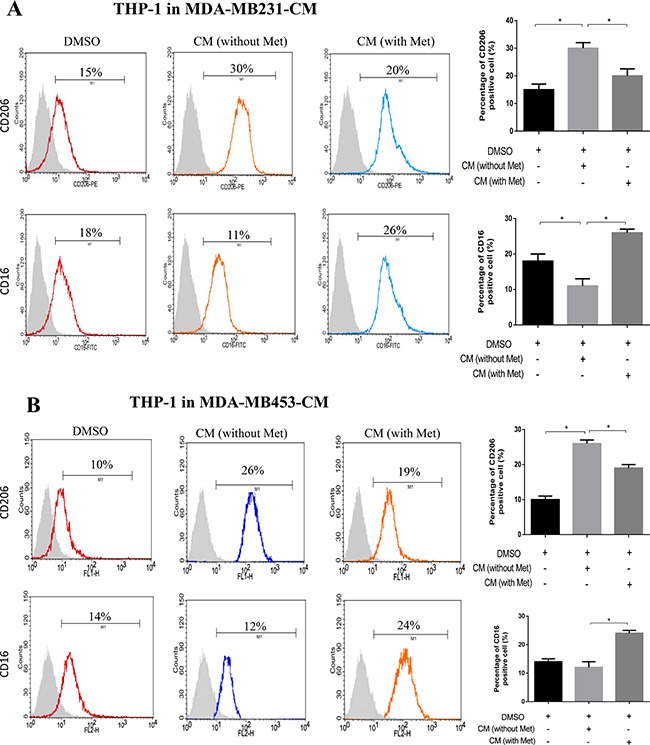
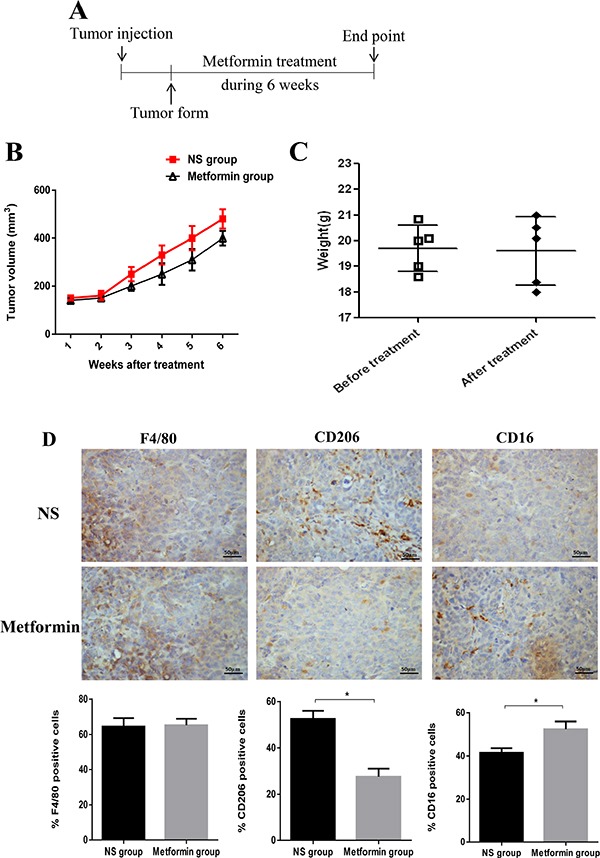
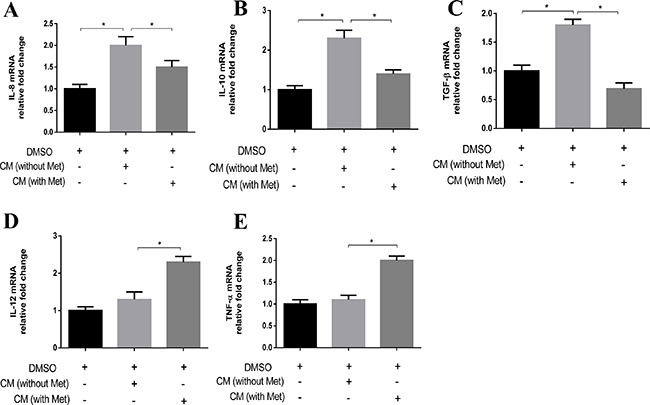
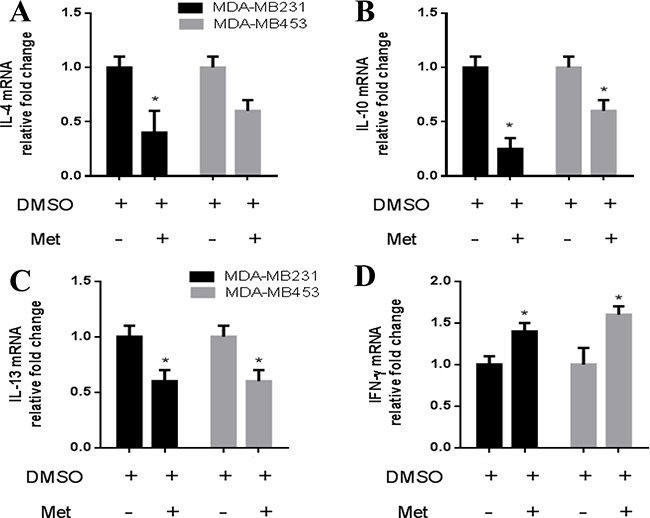
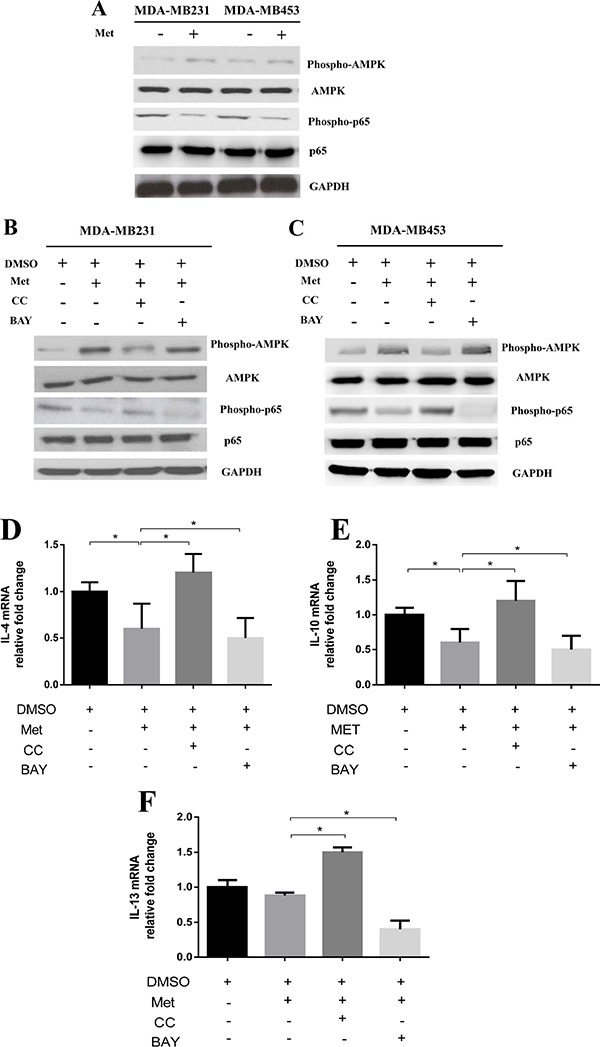
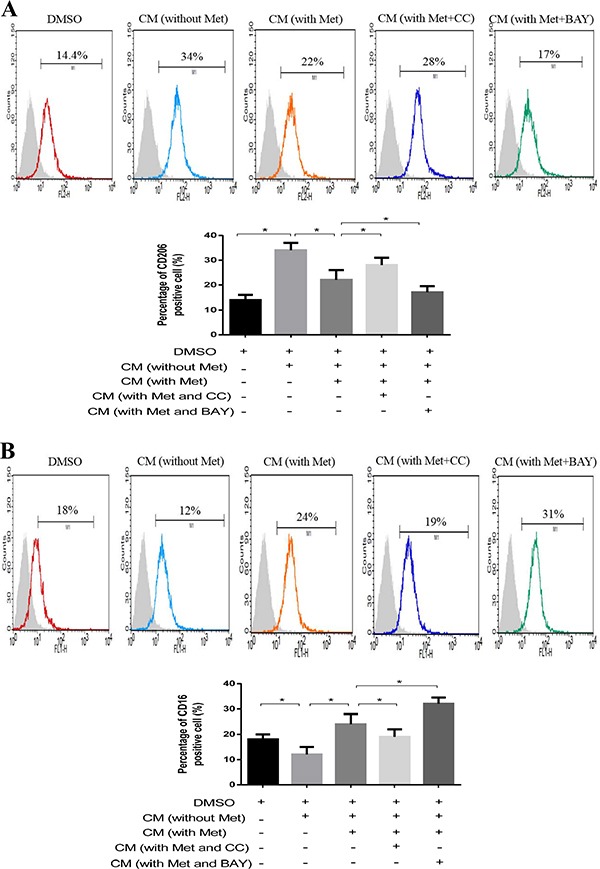
Accumulating evidence is indicating metformin to possess the potential ability in preventing tumor development and suppressing cancer growth. However, the exact mechanism of its antitumorigenic effects is still not clear. We found that metformin suppressed the ability of cancer to skew macrophage toward M2 phenotype. Metformin treated cancer cells increased macrophage expression of M1-related cytokines IL-12 and TNF-α and attenuated M2-related cytokines IL-8, IL-10, and TGF-β expression. Furthermore, metformin treated cancer cells displayed inhibited secretion of IL-4, IL-10 and IL-13; cytokines important for inducing M2 macrophages. Conversely, M1 inducing cytokine IFN-γ was upper-regulated in cancer cells. Additionally, through increasing AMPK and p65 phosphorylation, metformin treatment activated AMPK-NF-κB signaling of cancer cells that participate in regulating M1 and M2 inducing cytokines expression. Moreover, Compound C, an AMPK inhibitor, significantly increased IL-4, IL-10, and IL-13 expression while BAY-117082, an NF-κB inhibitor, decreased expression. In metformin-treated tumor tissue, the percentage of M2-like macrophages decreased while M1-like macrophages increased. These findings suggest that metformin activates cancer AMPK-NF-κB signaling, a pathway involved in regulating M1/M2 expression and inducing genes for macrophage polarization to anti-tumor phenotype.
越来越多的证据表明二甲双胍具有预防肿瘤发生和抑制癌症生长的潜在能力。然而,其抗肿瘤作用的确切机制仍不清楚。我们发现二甲双胍抑制了癌症将巨噬细胞偏向M2表型的能力。经二甲双胍处理的癌细胞增加了巨噬细胞中M1相关细胞因子IL-12和TNF-α的表达,并减弱了M2相关细胞因子IL-8、IL-10和TGF-β的表达。此外,经二甲双胍处理的癌细胞表现出IL-4、IL-10和IL-13分泌受到抑制;这些细胞因子对诱导M2巨噬细胞很重要。相反,M1诱导细胞因子IFN-γ在癌细胞中上调。此外,通过增加AMPK和p65磷酸化,二甲双胍处理激活了癌细胞的AMPK-NF-κB信号通路,该信号通路参与调节M1和M2诱导细胞因子的表达。此外,AMPK抑制剂Compound C显著增加了IL-4、IL-10和IL-13的表达,而NF-κB抑制剂BAY-117082则降低了表达。在经二甲双胍处理的肿瘤组织中,M2样巨噬细胞的百分比降低,而M1样巨噬细胞增加。这些发现表明,二甲双胍激活了癌症的AMPK-NF-κB信号通路,该通路参与调节M1/M2表达,并诱导巨噬细胞极化为抗肿瘤表型的基因。