Grondin Julie M, Duan Da, Kirlin Alyssa C, Abe Kento T, Chitayat Seth, Spencer Holly L, Spencer Craig, Campigotto Alisha, Houliston Scott, Arrowsmith Cheryl H, Allingham John S, Boraston Alisdair B, Smith Steven P
Department of Biomedical and Molecular Sciences, Queen's University, Kingston, Ontario, Canada.
Lethbridge Research Centre, Agriculture and Agri-Food Canada, Lethbridge, Alberta, Canada.
PLoS One. 2017 Feb 3;12(2):e0171606. doi: 10.1371/journal.pone.0171606. eCollection 2017.
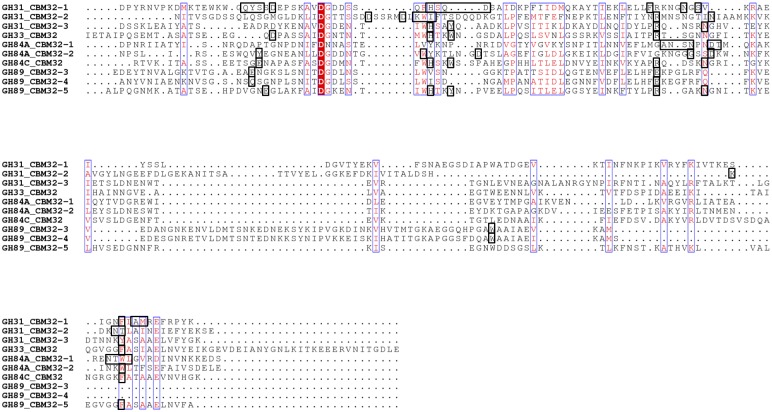
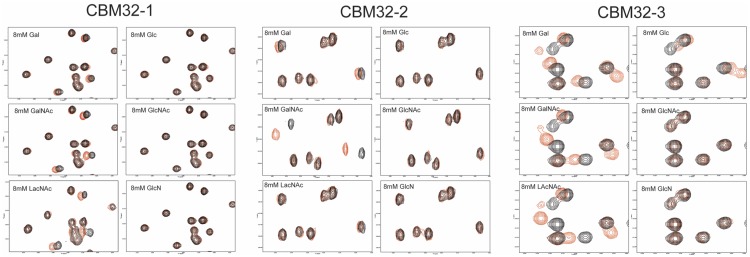
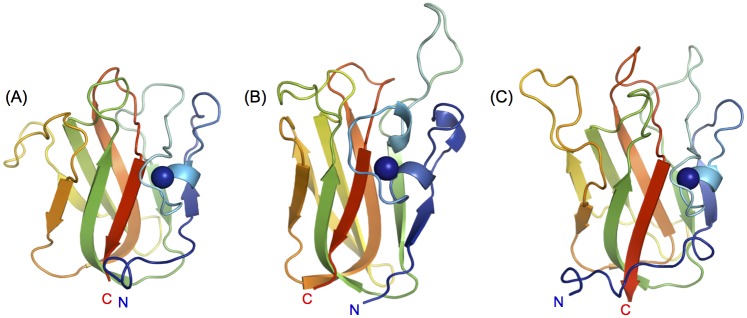
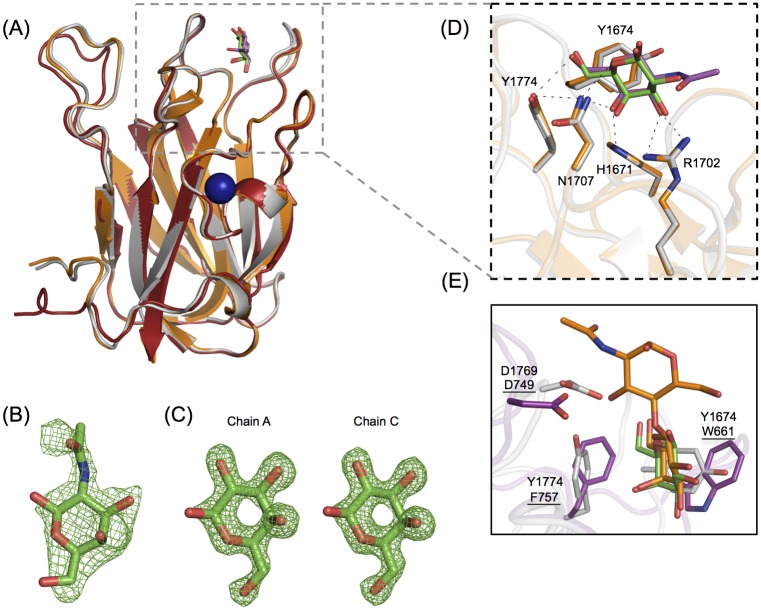
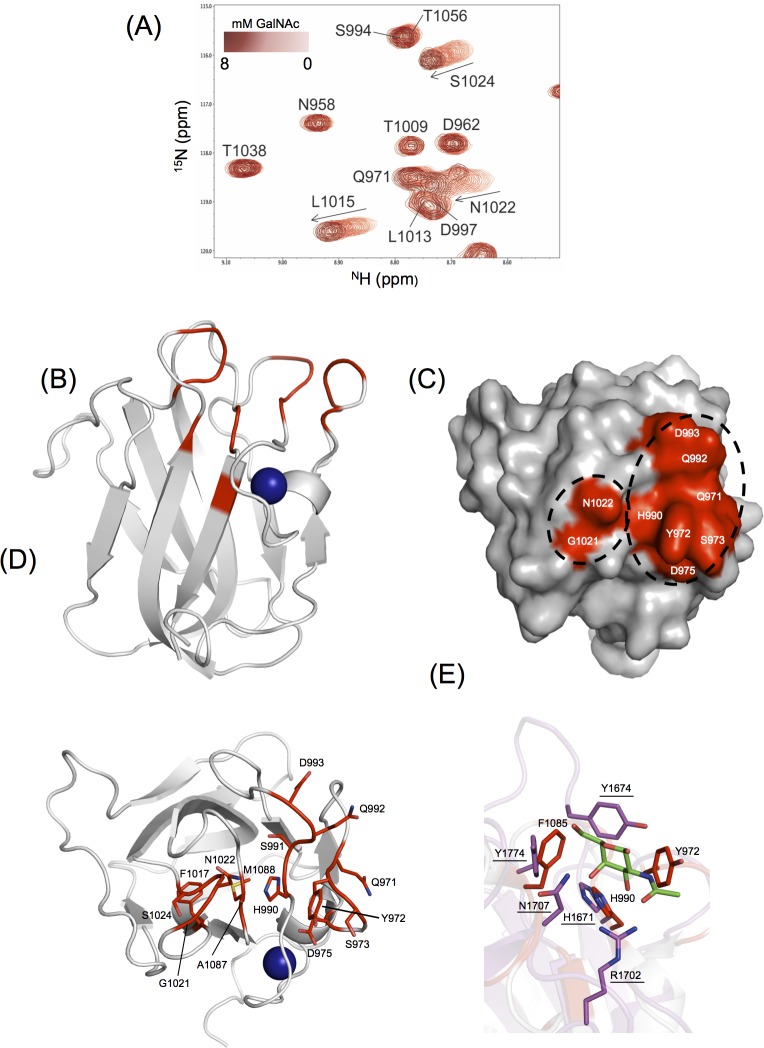
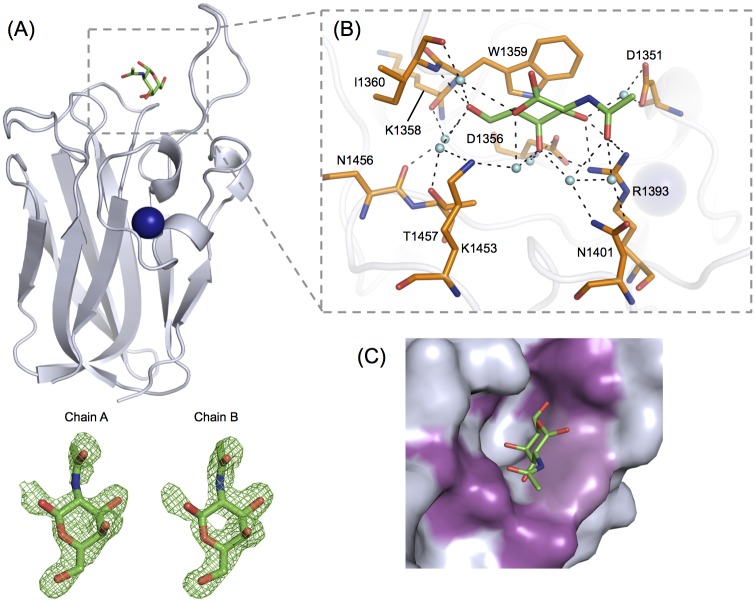
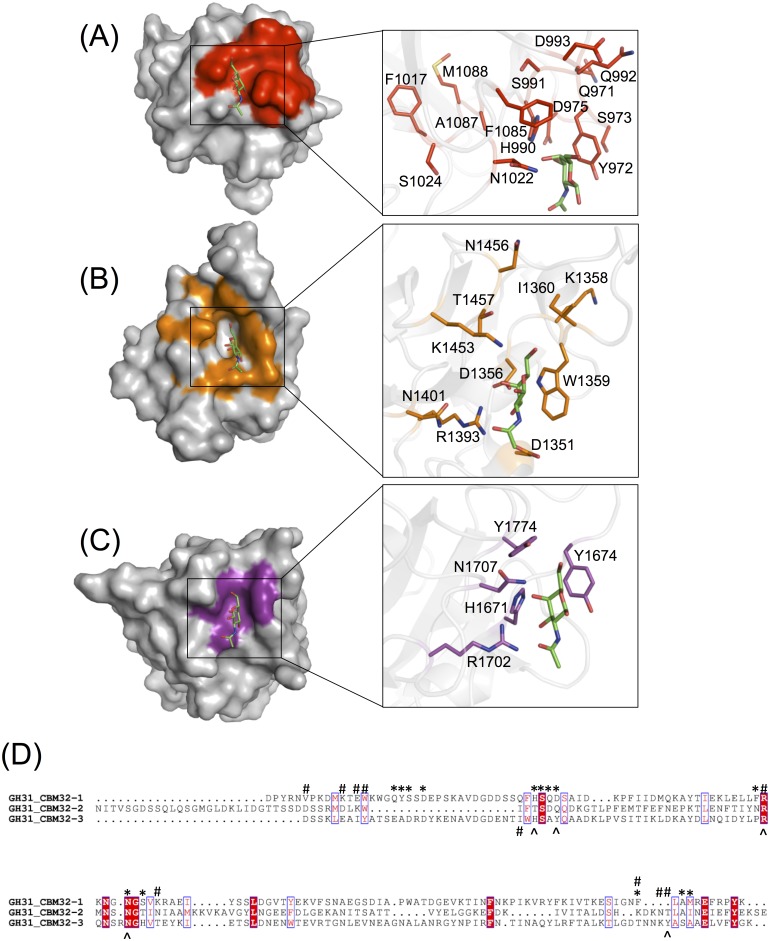
Clostridium perfringens is a commensal member of the human gut microbiome and an opportunistic pathogen whose genome encodes a suite of putative large, multi-modular carbohydrate-active enzymes that appears to play a role in the interaction of the bacterium with mucin-based carbohydrates. Among the most complex of these is an enzyme that contains a presumed catalytic module belonging to glycoside hydrolase family 31 (GH31). This large enzyme, which based on its possession of a GH31 module is a predicted α-glucosidase, contains a variety of non-catalytic ancillary modules, including three CBM32 modules that to date have not been characterized. NMR-based experiments demonstrated a preference of each module for galacto-configured sugars, including the ability of all three CBM32s to recognize the common mucin monosaccharide GalNAc. X-ray crystal structures of the CpGH31 CBM32s, both in apo form and bound to GalNAc, revealed the finely-tuned molecular strategies employed by these sequentially variable CBM32s in coordinating a common ligand. The data highlight that sequence similarities to previously characterized CBMs alone are insufficient for identifying the molecular mechanism of ligand binding by individual CBMs. Furthermore, the overlapping ligand binding profiles of the three CBMs provide a fail-safe mechanism for the recognition of GalNAc among the dense eukaryotic carbohydrate networks of the colonic mucosa. These findings expand our understanding of ligand targeting by large, multi-modular carbohydrate-active enzymes, and offer unique insights into of the expanding ligand-binding preferences and binding site topologies observed in CBM32s.
产气荚膜梭菌是人类肠道微生物群的共生成员,也是一种机会致病菌,其基因组编码一系列假定的大型多模块碳水化合物活性酶,这些酶似乎在该细菌与基于粘蛋白的碳水化合物的相互作用中发挥作用。其中最复杂的一种酶含有一个属于糖苷水解酶家族31(GH31)的假定催化模块。这种大型酶基于其拥有的GH31模块是一种预测的α-葡萄糖苷酶,它包含多种非催化辅助模块,包括三个迄今为止尚未表征的CBM32模块。基于核磁共振的实验表明,每个模块都偏好半乳糖构型的糖,包括所有三个CBM32识别常见粘蛋白单糖N-乙酰半乳糖胺的能力。CpGH31 CBM32s的X射线晶体结构,无论是无配体形式还是与N-乙酰半乳糖胺结合的形式,都揭示了这些顺序可变的CBM32s在配位共同配体时所采用的精细分子策略。数据表明,仅与先前表征的CBMs的序列相似性不足以确定单个CBMs配体结合的分子机制。此外,这三个CBMs重叠的配体结合谱为在结肠粘膜密集的真核碳水化合物网络中识别N-乙酰半乳糖胺提供了一种故障安全机制。这些发现扩展了我们对大型多模块碳水化合物活性酶配体靶向的理解,并为在CBM32s中观察到的不断扩大的配体结合偏好和结合位点拓扑结构提供了独特的见解。