Tilley Sara, Neale Chris, Patuano Agnès, Cinderby Steve
OPENspace, Edinburgh College of Art, University of Edinburgh, Edinburgh EH3 9DF, UK.
The Stockholm Environment Institute, Environment Department, University of York, York YO10 5DD, UK.
Int J Environ Res Public Health. 2017 Feb 4;14(2):151. doi: 10.3390/ijerph14020151.
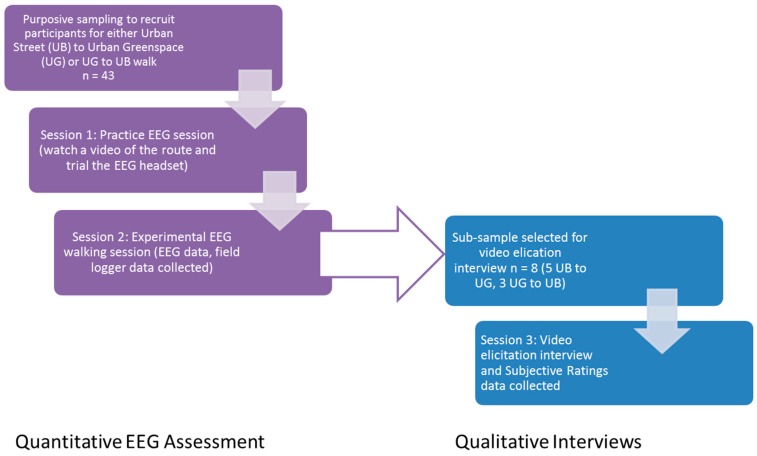
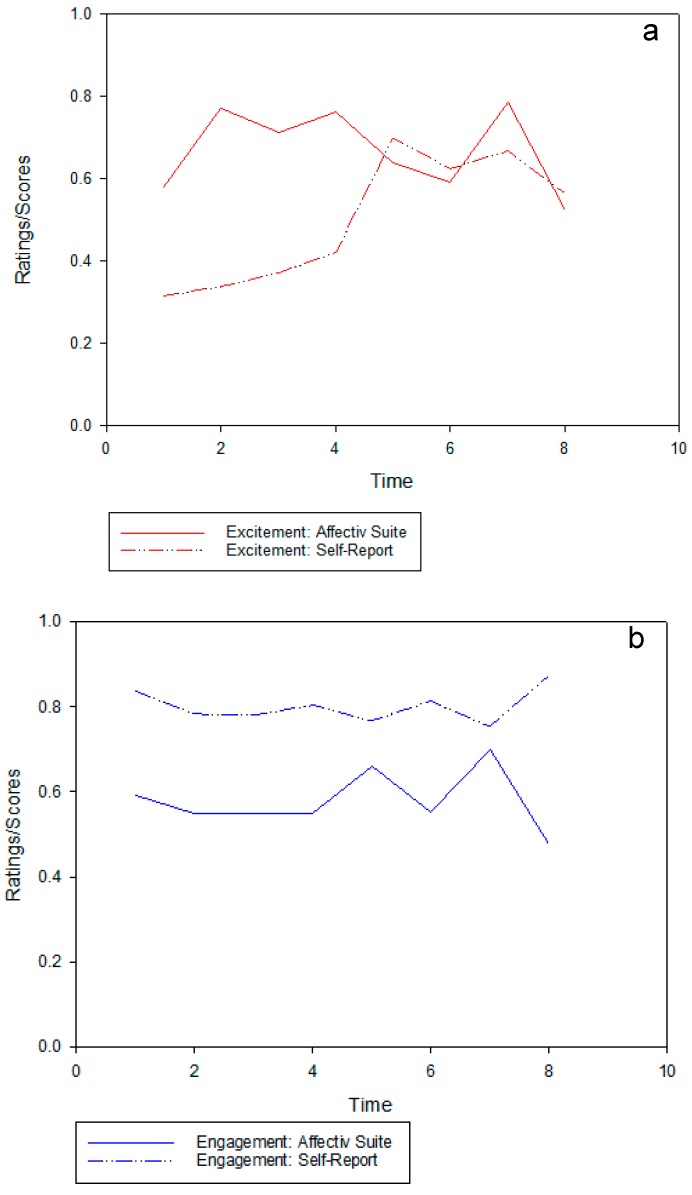
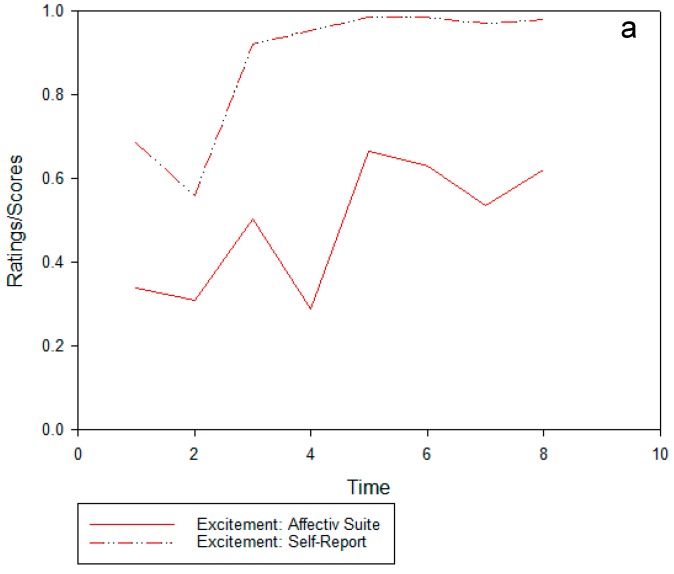
There are concerns about mental wellbeing in later life in older people as the global population becomes older and more urbanised. Mobility in the built environment has a role to play in improving quality of life and wellbeing, as it facilitates independence and social interaction. Recent studies using neuroimaging methods in environmental psychology research have shown that different types of urban environments may be associated with distinctive patterns of brain activity, suggesting that we interact differently with varying environments. This paper reports on research that explores older people's responses to urban places and their mobility in and around the built environment. The project aim was to understand how older people experience different urban environments using a mixed methods approach including electroencephalography (EEG), self-reported measures, and interview results. We found that older participants experience changing levels of "excitement", "engagement" and "frustration" (as interpreted by proprietary EEG software) whilst walking between a busy built urban environment and an urban green space environment. These changes were further reflected in the qualitative themes that emerged from transcribed interviews undertaken one week post-walk. There has been no research to date that has directly assessed neural responses to an urban environment combined with qualitative interview analysis. A synergy of methods offers a deeper understanding of the changing moods of older people across time whilst walking in city settings.
随着全球人口老龄化以及城市化程度的提高,老年人晚年的心理健康状况备受关注。建筑环境中的出行能力对提高生活质量和幸福感具有重要作用,因为它有助于实现独立和社会互动。环境心理学研究中最近使用神经成像方法的研究表明,不同类型的城市环境可能与独特的大脑活动模式相关联,这表明我们在不同的环境中会有不同的互动方式。本文报告了一项研究,该研究探讨了老年人对城市场所的反应以及他们在建筑环境内外的出行情况。该项目的目标是通过包括脑电图(EEG)、自我报告测量和访谈结果在内的混合方法,了解老年人如何体验不同的城市环境。我们发现,老年参与者在繁忙的城市建筑环境和城市绿地环境之间行走时,会经历不同程度的“兴奋”“投入”和“沮丧”(由专用EEG软件解读)。这些变化在行走一周后进行的访谈转录中出现的定性主题中得到了进一步体现。迄今为止,还没有研究直接评估对城市环境的神经反应并结合定性访谈分析。多种方法的协同作用能让我们更深入地了解老年人在城市环境中行走时情绪随时间的变化。