Stockholm Environment Institute, Environment Department, University of York, York, England.
School of Built Environment, Heriot-Watt University, Edinburgh, Scotland.
J Urban Health. 2017 Dec;94(6):869-880. doi: 10.1007/s11524-017-0191-9.
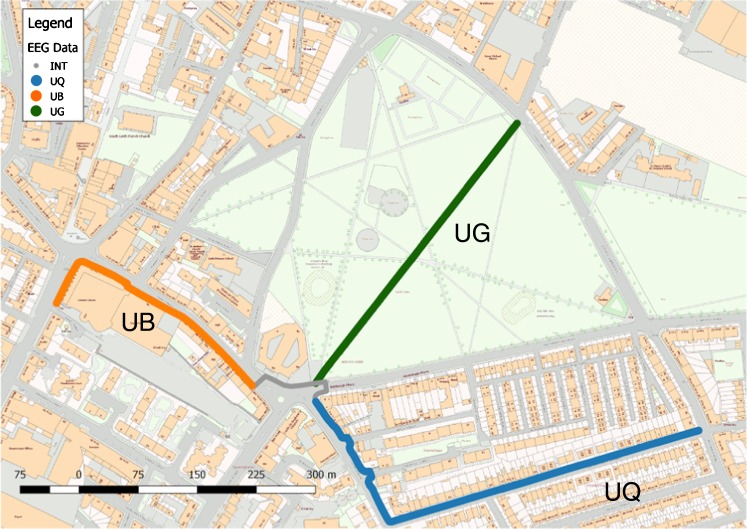
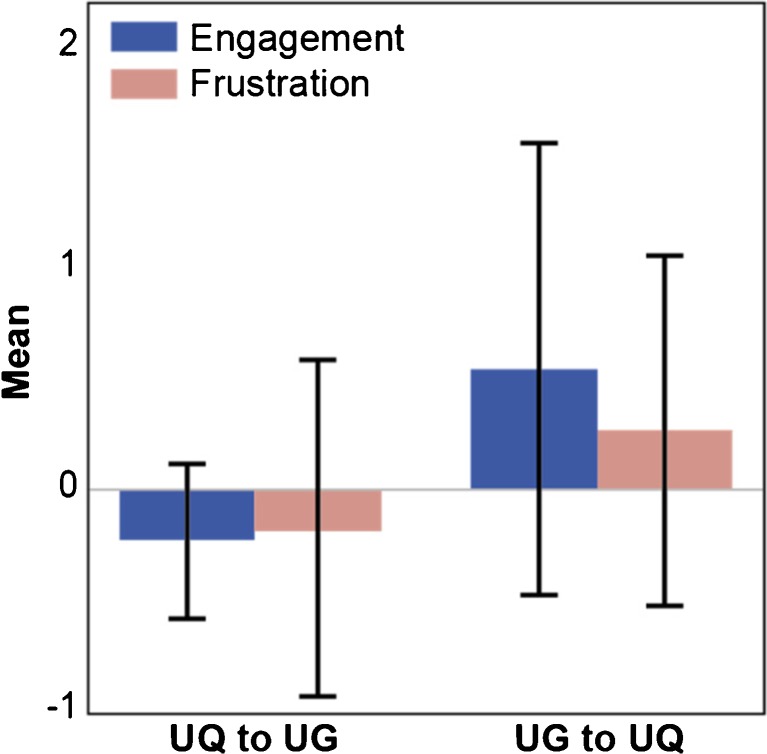
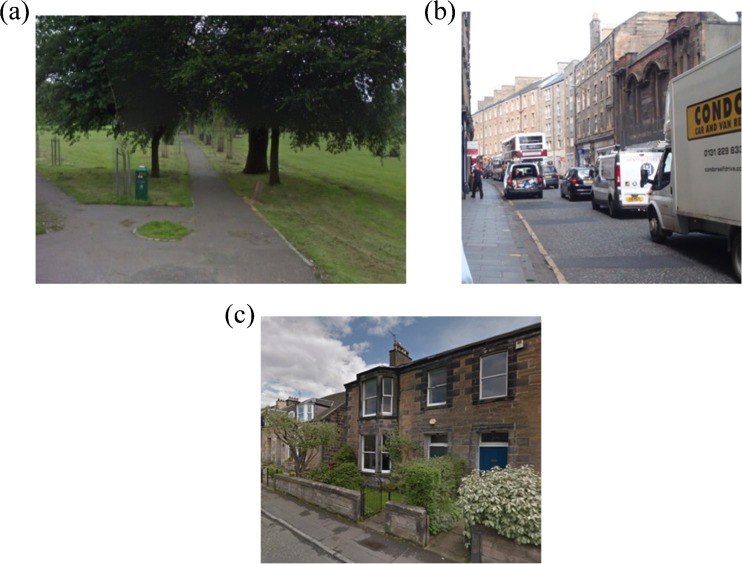
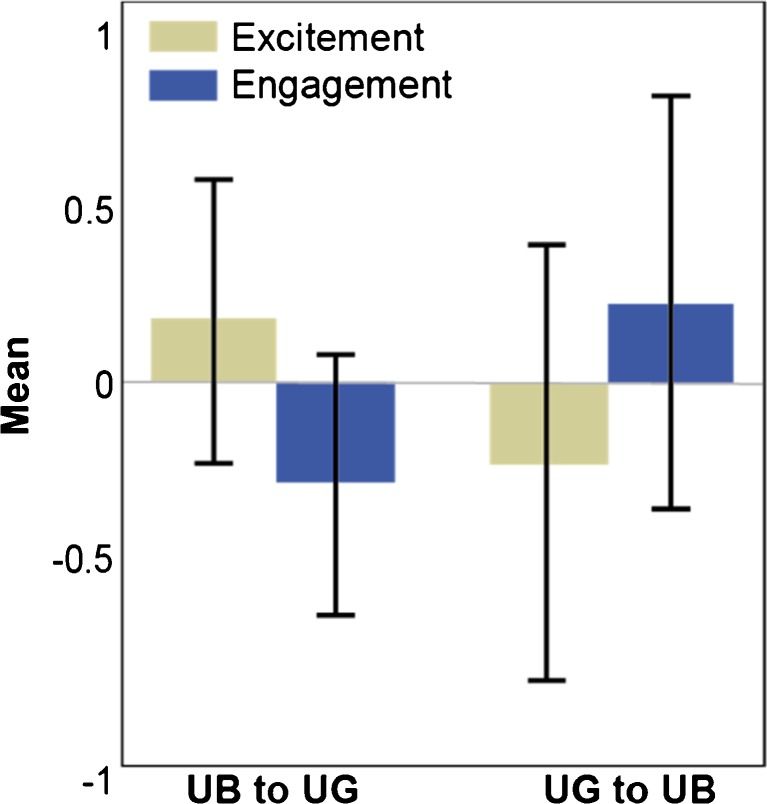
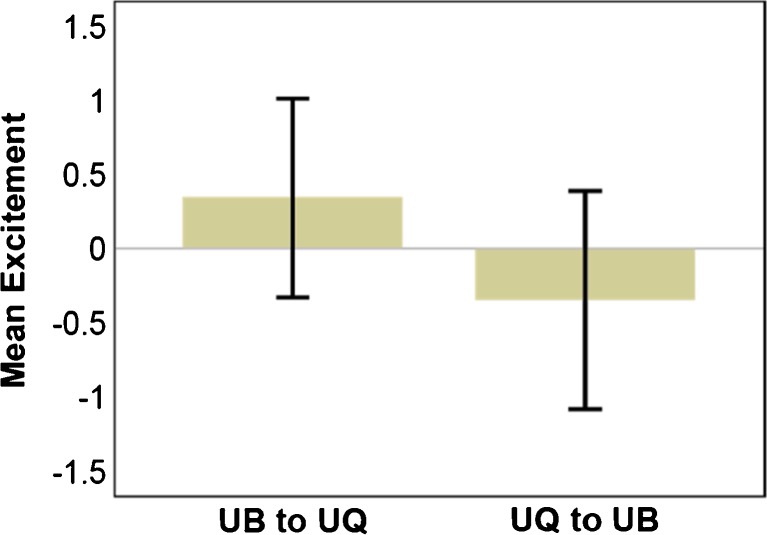
This research directly assesses older people's neural activation in response to a changing urban environment while walking, as measured by electroencephalography (EEG). The study builds on previous research that shows changes in cortical activity while moving through different urban settings. The current study extends this methodology to explore previously unstudied outcomes in older people aged 65 years or more (n = 95). Participants were recruited to walk one of six scenarios pairing urban busy (a commercial street with traffic), urban quiet (a residential street) and urban green (a public park) spaces in a counterbalanced design, wearing a mobile Emotiv EEG headset to record real-time neural responses to place. Each walk lasted around 15 min and was undertaken at the pace of the participant. We report on the outputs for these responses derived from the Emotiv Affectiv Suite software, which creates emotional parameters ('excitement', 'frustration', 'engagement' and 'meditation') with a real-time value assigned to them. The six walking scenarios were compared using a form of high dimensional correlated component regression (CCR) on difference data, capturing the change between one setting and another. The results showed that levels of 'engagement' were higher in the urban green space compared to those of the urban busy and urban quiet spaces, whereas levels of 'excitement' were higher in the urban busy environment compared with those of the urban green space and quiet urban space. In both cases, this effect is shown regardless of the order of exposure to these different environments. These results suggest that there are neural signatures associated with the experience of different urban spaces which may reflect the older age of the sample as well as the condition of the spaces themselves. The urban green space appears to have a restorative effect on this group of older adults.
本研究通过脑电图(EEG)直接评估老年人在行走时对不断变化的城市环境的神经激活情况。该研究基于先前的研究,这些研究表明在穿过不同城市环境时皮质活动会发生变化。目前的研究扩展了这种方法,以探索年龄在 65 岁或以上的老年人中以前未研究过的结果(n=95)。参与者被招募来在一种平衡设计中行走六个场景之一,这些场景将城市繁忙(有交通的商业街)、城市安静(居民区街道)和城市绿色(公共公园)空间配对,同时佩戴移动 Emotiv EEG 耳机以记录实时对场所的神经反应。每次步行持续约 15 分钟,速度由参与者决定。我们报告了来自 Emotiv Affectiv Suite 软件的这些反应的输出结果,该软件创建了具有实时赋值的情感参数(“兴奋”、“沮丧”、“投入”和“冥想”)。使用高维相关成分回归(CCR)对差异数据进行了比较,比较了这六个步行场景。结果表明,与城市安静和城市绿色空间相比,城市绿色空间的“投入”水平更高,而城市繁忙环境的“兴奋”水平更高,而与城市绿色空间和安静城市空间相比。在这两种情况下,无论暴露于这些不同环境的顺序如何,都会产生这种影响。这些结果表明,不同城市空间的体验与神经特征相关,这可能反映了样本的年龄较大以及空间本身的状况。城市绿色空间似乎对这群老年人具有恢复作用。