West T Eoin, Wikraiphat Chanthiwa, Tandhavanant Sarunporn, Ariyaprasert Pitchayanant, Suntornsut Pornpan, Okamoto Shawna, Mahavanakul Weera, Srisamang Pramot, Phiphitaporn Sunchai, Anukunananchai Jirasak, Chetchotisakd Ploenchan, Peacock Sharon J, Chantratita Narisara
Department of Microbiology and Immunology, Faculty of Tropical Medicine, Mahidol University, Bangkok, Thailand.
International Respiratory and Severe Illness Center, University of Washington, Seattle, Washington.
Am J Trop Med Hyg. 2017 May;96(5):1042-1049. doi: 10.4269/ajtmh.16-0606. Epub 2017 Feb 6.
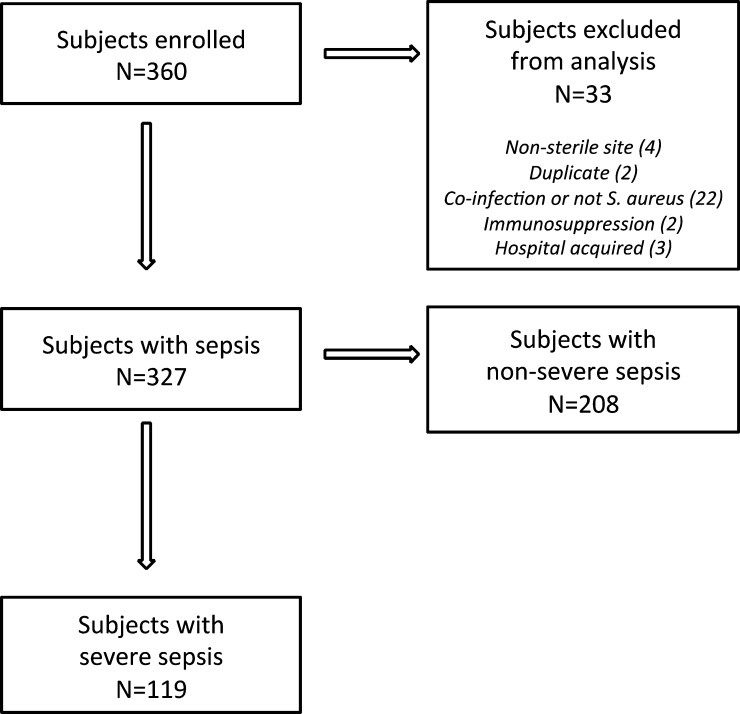
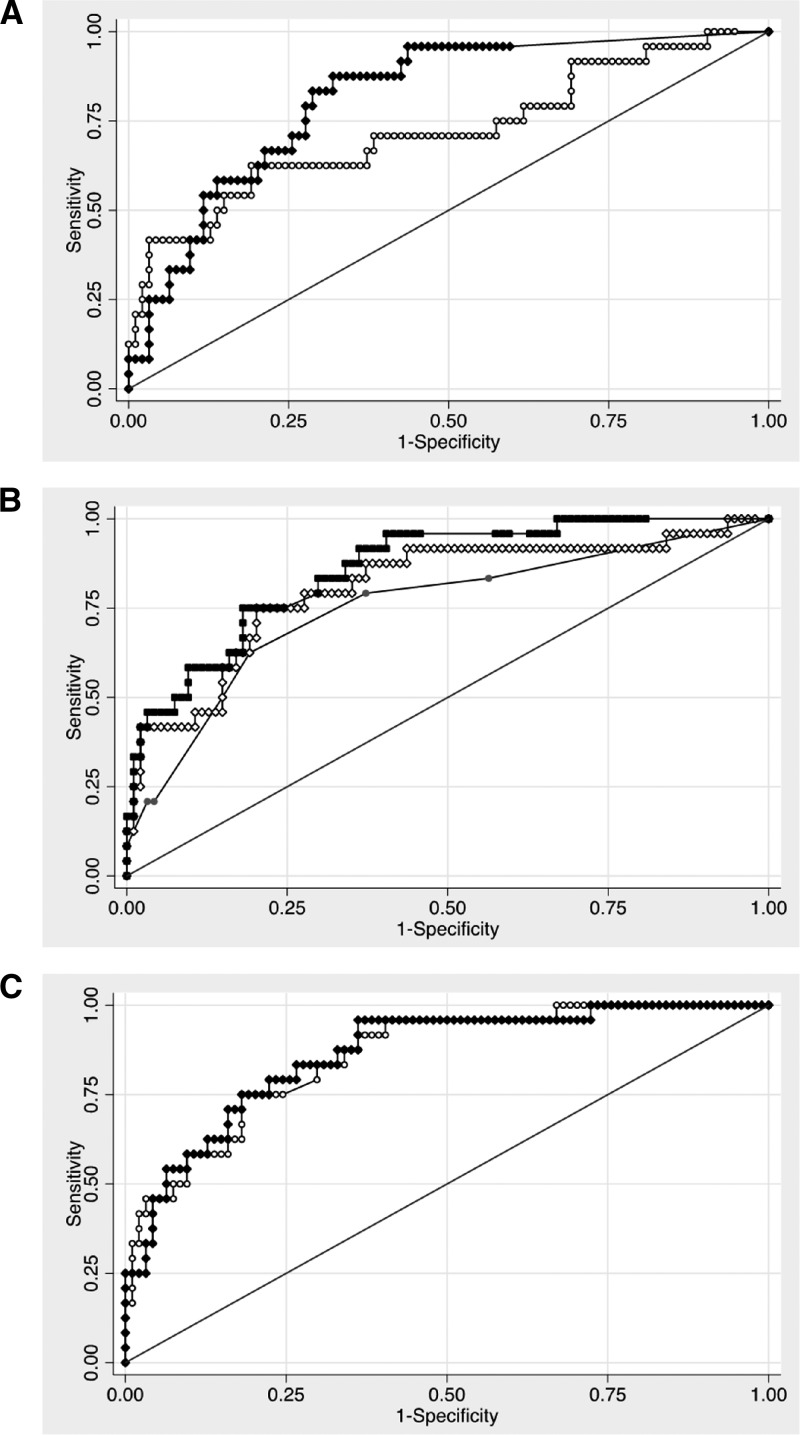
Abstract infection is a persistent threat in resource-restricted settings in southeast Asia but informative data about this disease remain limited. We analyzed characteristics, management, and predictors of outcome in severely septic patients with community-onset infection in northeast Thailand. We performed a prospective, multicenter observational cohort study of community-onset sepsis in four referral hospitals recruiting patients at least 14 years of age admitted between March 2010 and December 2013. One hundred and nineteen patients with severe staphylococcal sepsis were enrolled. Diabetes was the most common underlying condition. Methicillin-resistant infection was rare. Twenty-eight-day mortality was 20%. Ninety-two percent of patients received appropriate antibiotic therapy and 82% were administered intravenous fluids on the first hospital day, although only 14% were managed in an intensive care unit (ICU). On univariable analysis, clinical variables at enrollment significantly associated with death at 28 days were coagulopathy or respiratory failure. Plasma interleukin (IL)-8 concentration alone accurately predicted mortality (area under the receiver operating curve = 0.82, 95% confidence interval = 0.73-0.90). In multivariable analysis, addition of IL-8 concentration to a mortality prediction model containing clinical variables further improved the predictive ability of the model. We conclude that severe staphylococcal sepsis in northeast Thailand causes significant mortality. Diabetes is a common preexisting condition and most patients are managed outside the ICU even if they receive vasoactive/inotropic agents or mechanical ventilation. While clinical factors apparent on presentation including coagulopathy and respiratory failure predict death, plasma IL-8 improves this prediction.
在东南亚资源有限的环境中,感染是一种持续存在的威胁,但关于这种疾病的信息性数据仍然有限。我们分析了泰国东北部社区获得性感染的严重脓毒症患者的特征、治疗及预后预测因素。我们在四家转诊医院开展了一项关于社区获得性脓毒症的前瞻性、多中心观察性队列研究,纳入2010年3月至2013年12月期间收治的年龄至少14岁的患者。共纳入119例严重葡萄球菌性脓毒症患者。糖尿病是最常见的基础疾病。耐甲氧西林感染罕见。28天死亡率为20%。92%的患者接受了适当的抗生素治疗,82%的患者在入院第一天接受了静脉输液,尽管只有14%的患者在重症监护病房(ICU)接受治疗。单变量分析显示,入院时与28天死亡显著相关的临床变量是凝血病或呼吸衰竭。单独的血浆白细胞介素(IL)-8浓度可准确预测死亡率(受试者工作特征曲线下面积=0.82,95%置信区间=0.73-0.90)。多变量分析显示,在包含临床变量的死亡率预测模型中加入IL-8浓度可进一步提高模型的预测能力。我们得出结论,泰国东北部严重葡萄球菌性脓毒症导致显著的死亡率。糖尿病是常见的基础疾病,大多数患者即使接受血管活性/正性肌力药物或机械通气,也不在ICU接受治疗。虽然就诊时明显的临床因素如凝血病和呼吸衰竭可预测死亡,但血浆IL-8可改善这种预测。