Wang Pan, Wan Wen-Wu, Xiong Shuang-Long, Feng Hua, Wu Nan
Department of Neurosurgery, Southwest Hospital, Third Military Medical University , Chongqing 400038, China.
Department of Oncology, Cancer Hospital , Chongqing 400030, China.
Cell Death Discov. 2017 Jan 23;3:16105. doi: 10.1038/cddiscovery.2016.105. eCollection 2017.
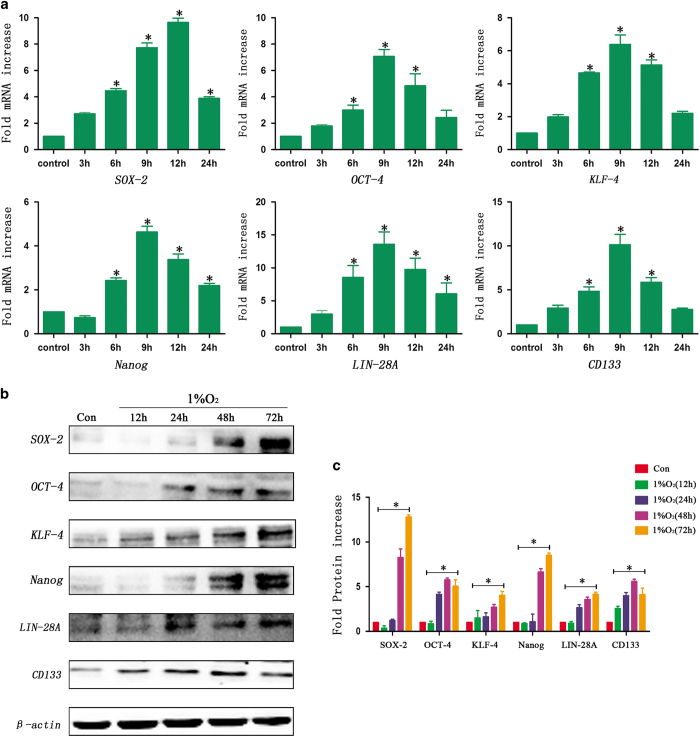
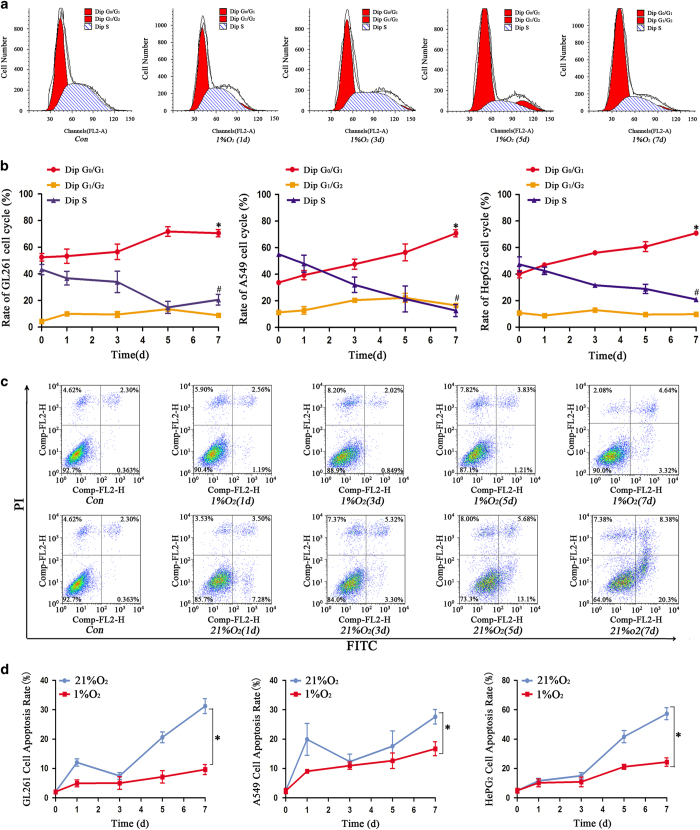
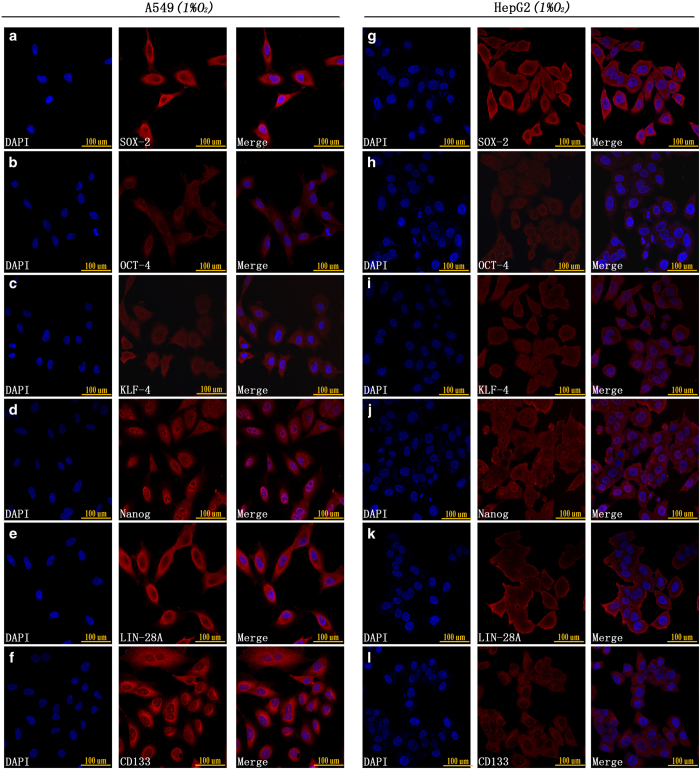
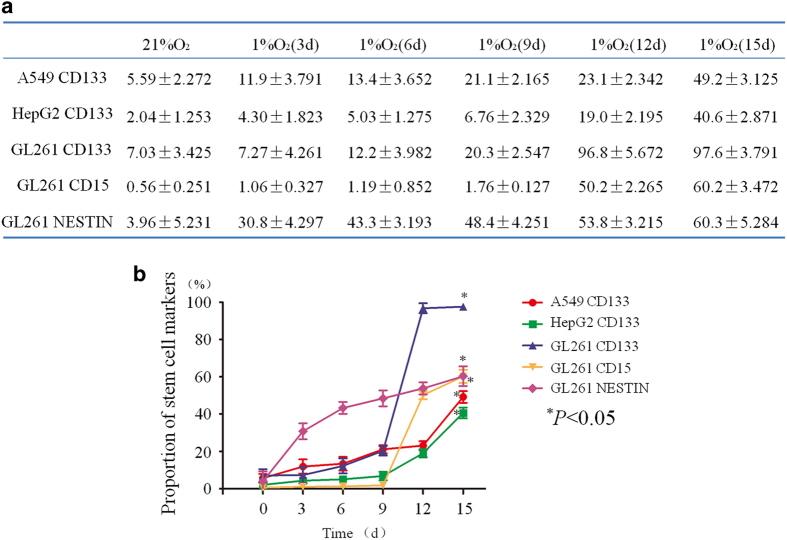
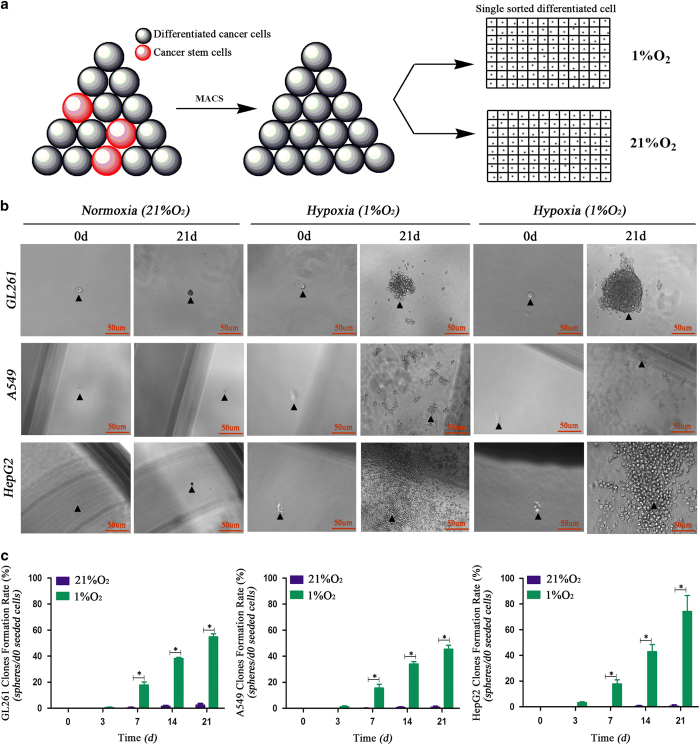
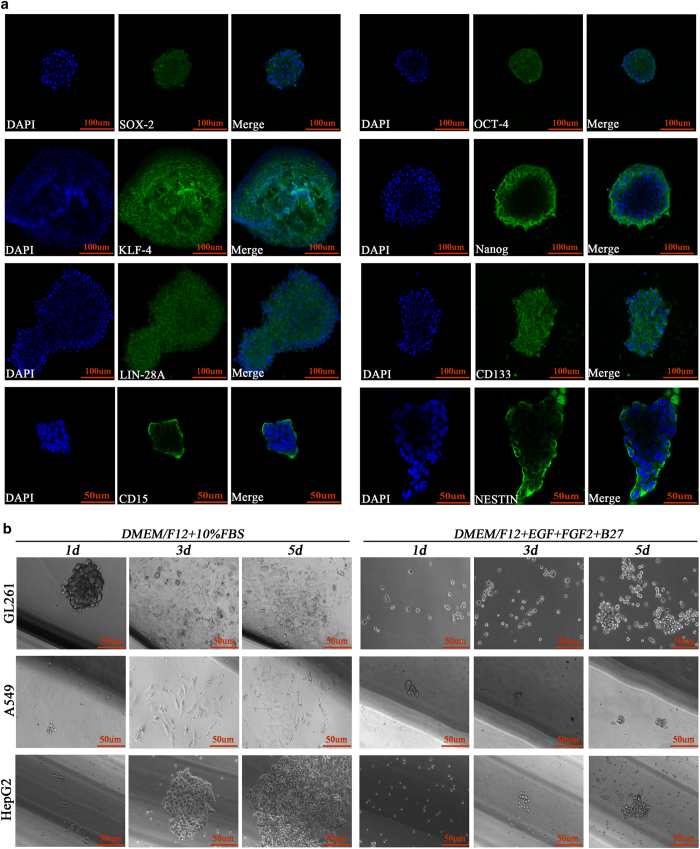
Traditional studies have shown that transcription factors, including SOX-2, OCT-4, KLF-4, Nanog and Lin-28A, contribute to the dedifferentiation and reprogramming process in normal tissues. Hypoxia is a physiological phenomenon that exists in tumors and promotes the expression of SOX-2, OCT-4, KLF-4, Nanog and Lin-28A. Therefore, an interesting question is whether hypoxia as a stimulating factor promotes the process of dedifferentiation and induces the formation of cancer stem-like cells. Studies have shown that OCT-4 and Nanog overexpression induced the formation of cancer stem cell-like cells through dedifferentiation and enhanced malignancy in lung adenocarcinoma, and reprogramming SOX-2 in pancreatic cancer cells also promoted the dedifferentiation process. Therefore, we investigated this phenomenon in glioma, lung cancer and hepatoma cells and found that the transcription factors mentioned above were highly expressed under hypoxic conditions and induced the formation of spheres, which exhibited asymmetric division and cell cycle arrest. The dedifferentiation process induced by hypoxia highlights a new pattern of cancer development and recurrence, demonstrating that all kinds of cancer cells and the hypoxic microenvironment should be taken into consideration when developing tumor therapies.
传统研究表明,包括SOX-2、OCT-4、KLF-4、Nanog和Lin-28A在内的转录因子有助于正常组织中的去分化和重编程过程。缺氧是肿瘤中存在的一种生理现象,可促进SOX-2、OCT-4、KLF-4、Nanog和Lin-28A的表达。因此,一个有趣的问题是,缺氧作为一种刺激因素是否会促进去分化过程并诱导癌症干细胞样细胞的形成。研究表明,OCT-4和Nanog的过表达通过去分化诱导肺癌中癌症干细胞样细胞的形成并增强恶性程度,并且在胰腺癌细胞中重编程SOX-2也促进了去分化过程。因此,我们在胶质瘤、肺癌和肝癌细胞中研究了这一现象,发现上述转录因子在缺氧条件下高度表达并诱导球体形成,这些球体表现出不对称分裂和细胞周期停滞。缺氧诱导的去分化过程突出了癌症发展和复发的新模式,表明在开发肿瘤治疗方法时应考虑各种癌细胞和缺氧微环境。