Unité de génétique fonctionnelle des maladies infectieuses and CNRS Unité de recherche associée 3012; Paris, 75015, France.
Unité de Défense Innée et Inflammation, Institut Pasteur, 25 rue du Dr Roux, Paris, 75015, France.
Sci Rep. 2017 Feb 9;7:42243. doi: 10.1038/srep42243.
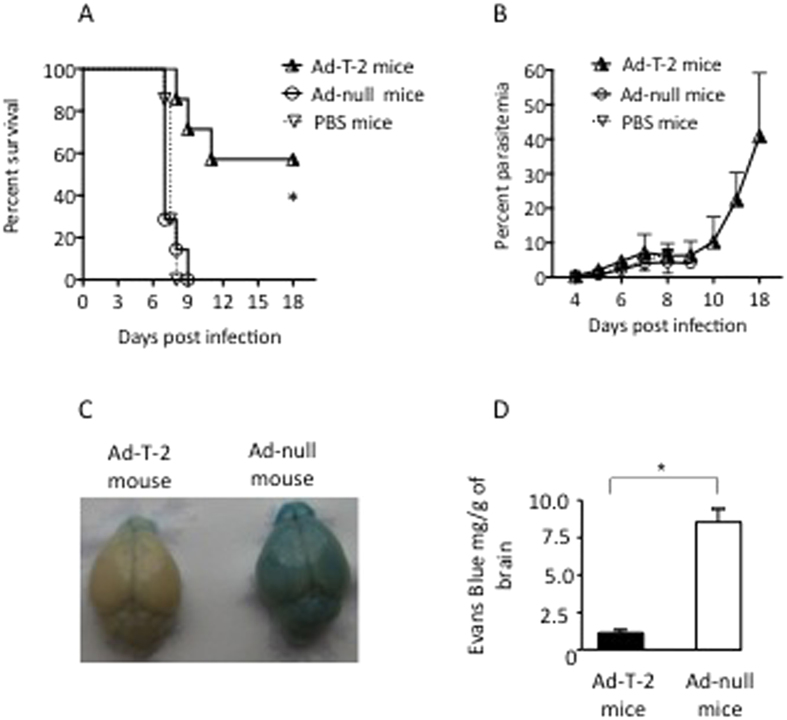
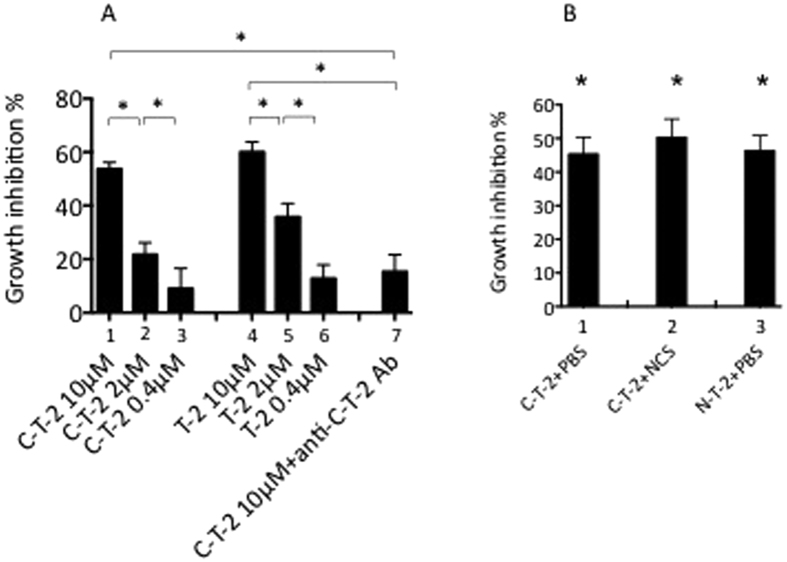
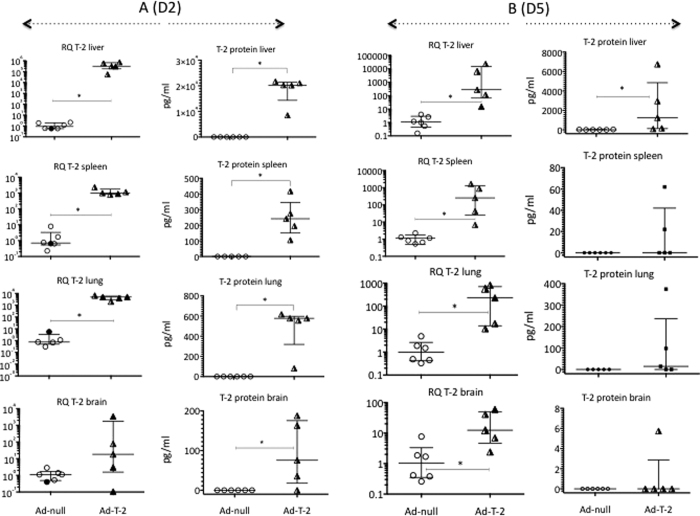
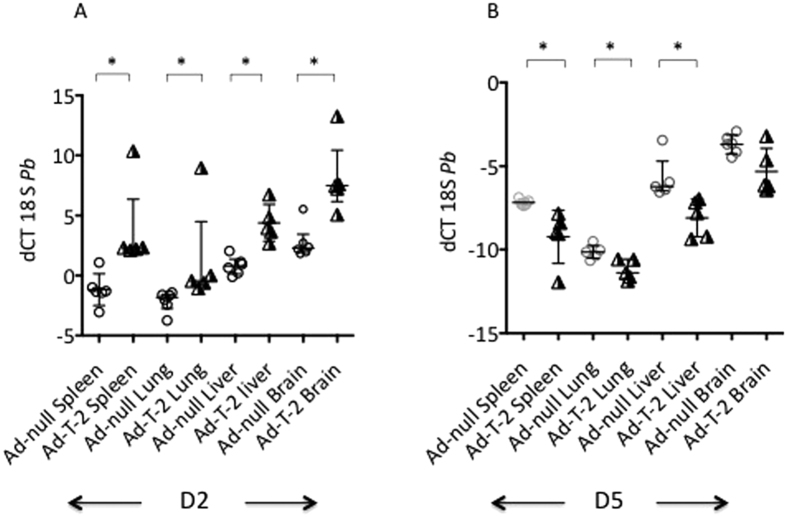
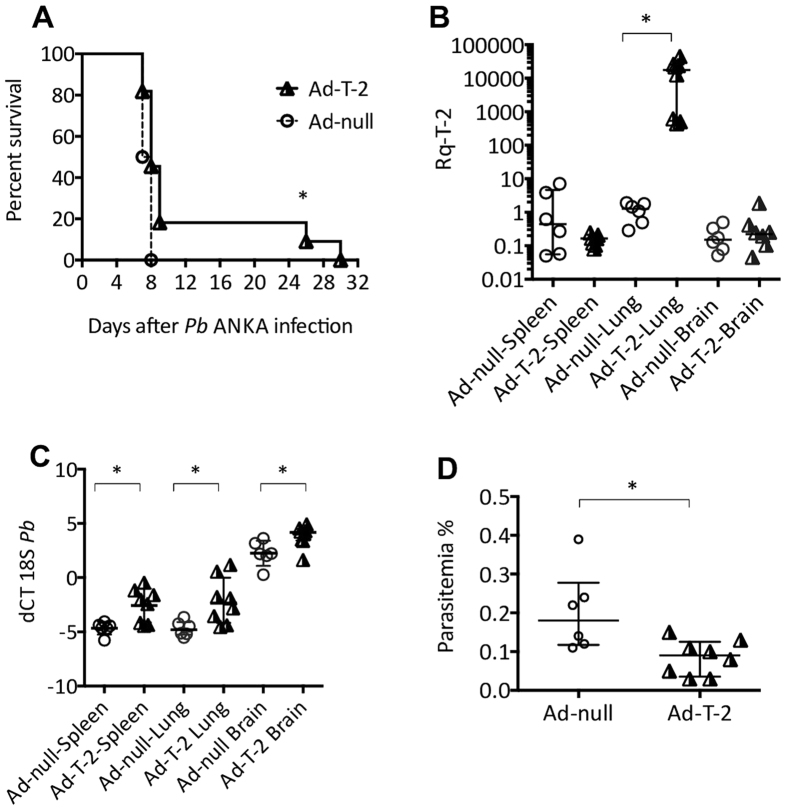
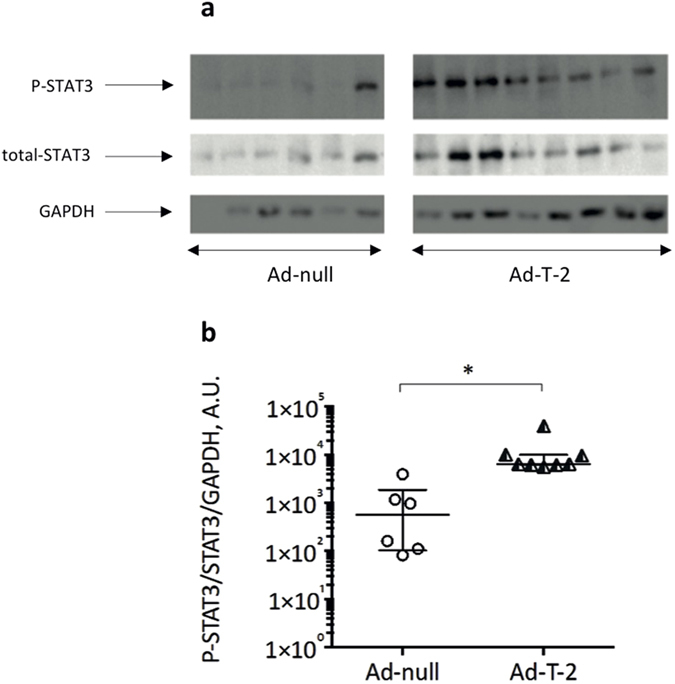
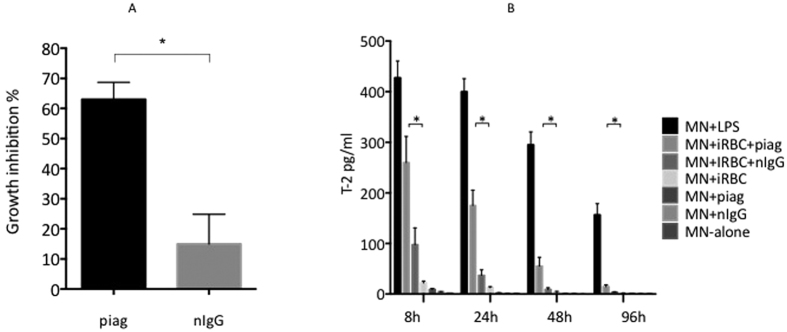
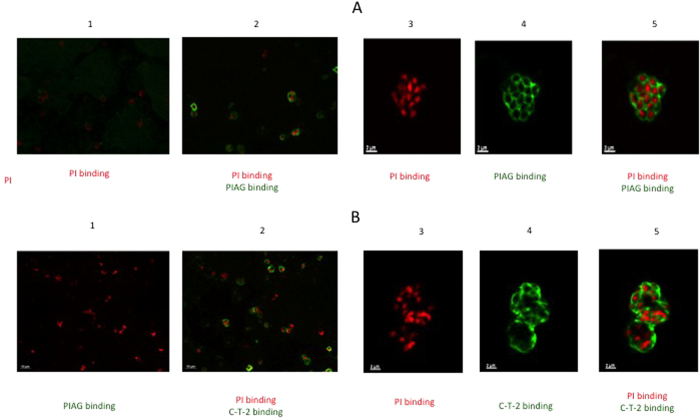
According to the WHO, and despite reduction in mortality rates, there were an estimated 438 000 malaria deaths in 2015. Therefore new antimalarials capable of limiting organ damage are still required. We show that systemic and lung adenovirus (Ad)-mediated over-expression of trappin-2 (T-2) an antibacterial molecule with anti-inflammatory activity, increased mice survival following infection with the cerebral malaria-inducing Plasmodium berghei ANKA (PbANKA) strain. Systemically, T-2 reduced PbANKA sequestration in spleen, lung, liver and brain, associated with a decrease in pro-inflammatory cytokines (eg TNF-α in spleen and lung) and an increase in IL-10 production in the lung. Similarly, local lung instillation of Ad-T-2 resulted in a reduced organ parasite sequestration and a shift towards an anti-inflammatory/repair response, potentially implicating monocytes in the protective phenotype. Relatedly, we demonstrated in vitro that human monocytes incubated with Plasmodium falciparum-infected red blood cells (Pf-iRBCs) and IgGs from hyper-immune African human sera produced T-2 and that the latter colocalized with merozoites and inhibited Pf multiplication. This array of data argues for the first time for the potential therapeutic usefulness of this host defense peptide in human malaria patients, with the aim to limit acute lung injury and respiratory distress syndrom often observed during malaria episodes.
根据世界卫生组织的数据,尽管死亡率有所下降,但 2015 年仍估计有 43.8 万人死于疟疾。因此,仍然需要新的抗疟药物来限制器官损伤。我们表明,系统性和肺部腺病毒(Ad)介导的抗菌分子陷阱素-2(T-2)过表达能够增加感染脑型疟原虫诱导的疟原虫伯氏疟原虫 ANKA(PbANKA)株后小鼠的存活率。在系统水平上,T-2 减少了脾脏、肺、肝和脑中的 PbANKA 聚集,同时降低了脾脏和肺中的促炎细胞因子(如 TNF-α)的产生,并增加了肺中的 IL-10 产生。同样,局部肺部给予 Ad-T-2 导致器官寄生虫聚集减少,并向抗炎/修复反应转变,这可能涉及单核细胞的保护表型。相关地,我们在体外证明,用感染疟原虫的红细胞(Pf-iRBC)和来自高免疫的非洲人血清的 IgG 孵育的人单核细胞产生 T-2,并且后者与裂殖子共定位并抑制 Pf 增殖。这一系列数据首次证明了这种宿主防御肽在人类疟疾患者中的潜在治疗用途,旨在限制疟疾发作期间经常观察到的急性肺损伤和呼吸窘迫综合征。