Ruan Shigui
Department of Mathematics, University of Miami, Coral Gables, FL 33146, USA.
Math Biosci. 2017 Apr;286:65-93. doi: 10.1016/j.mbs.2017.02.005. Epub 2017 Feb 8.
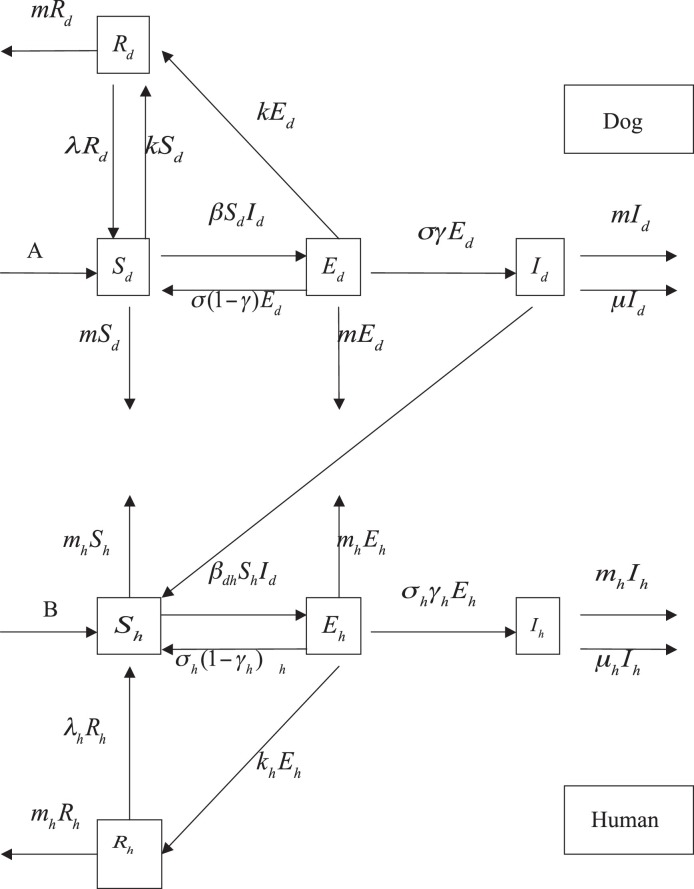
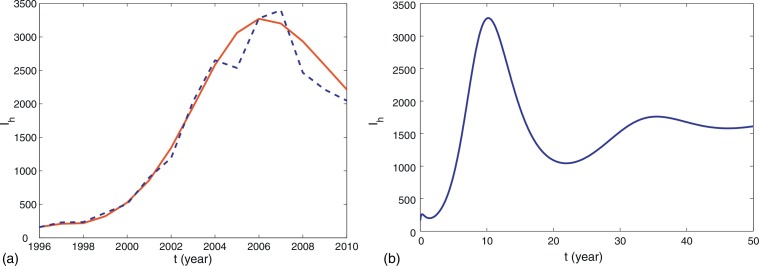
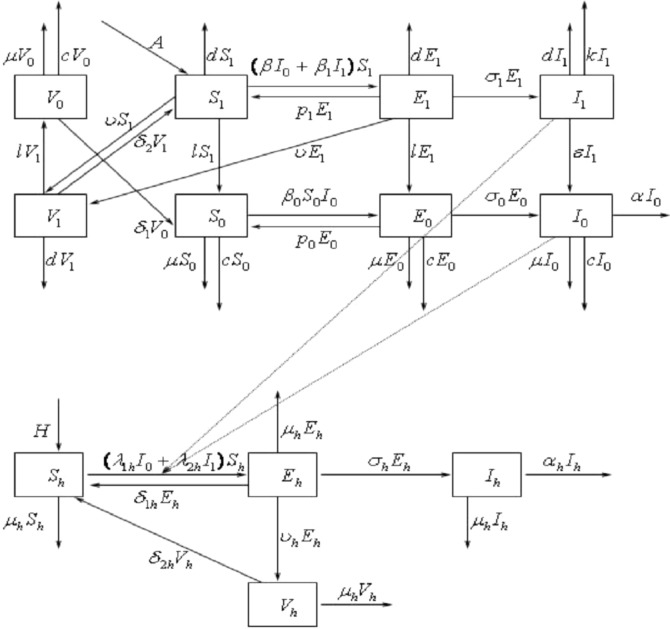
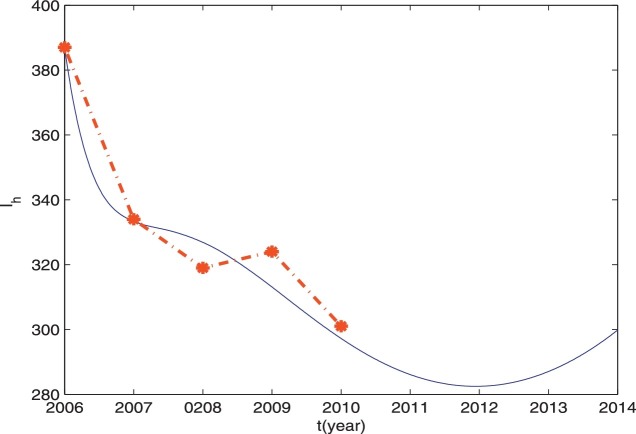
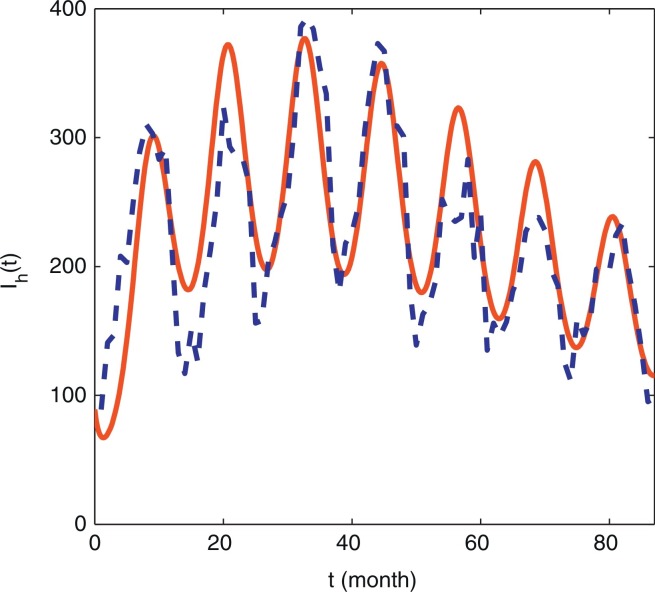
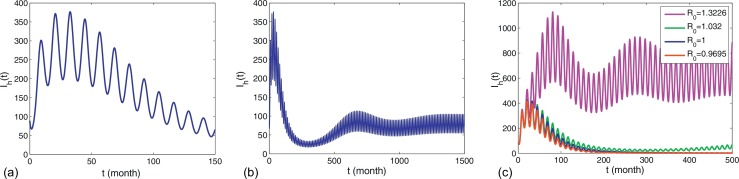
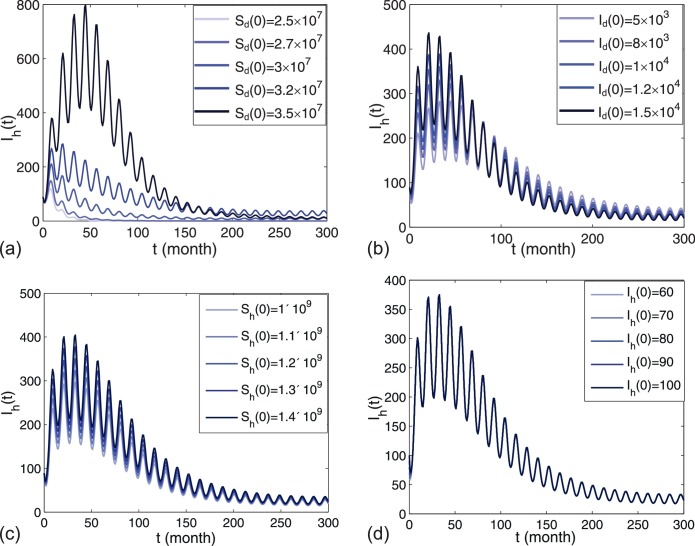
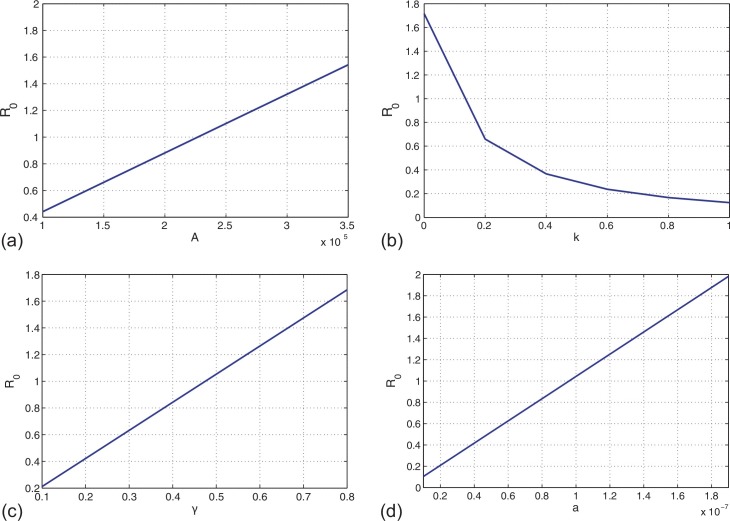
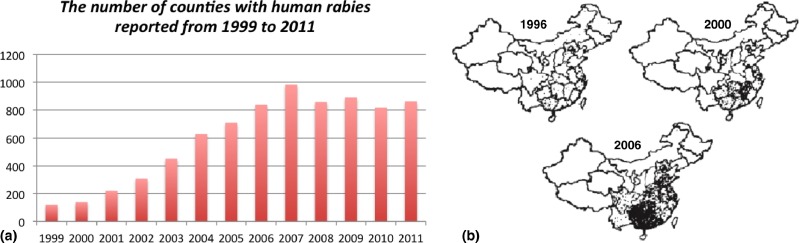
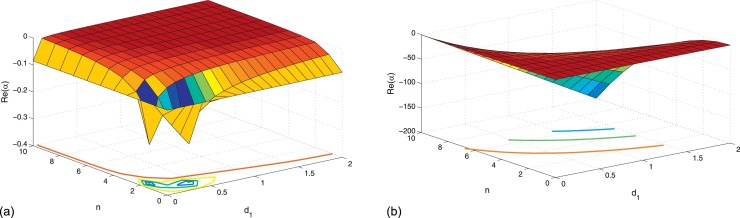
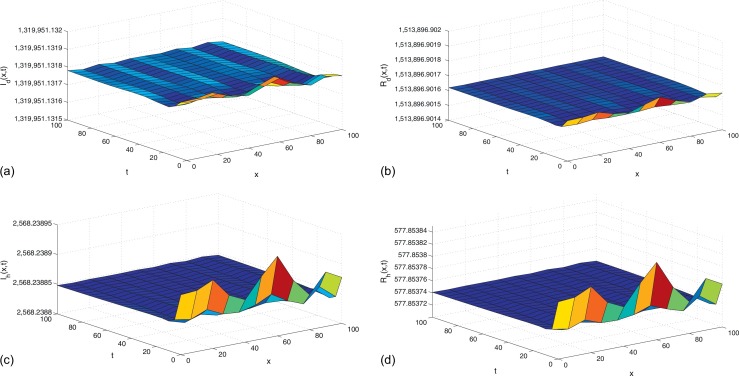
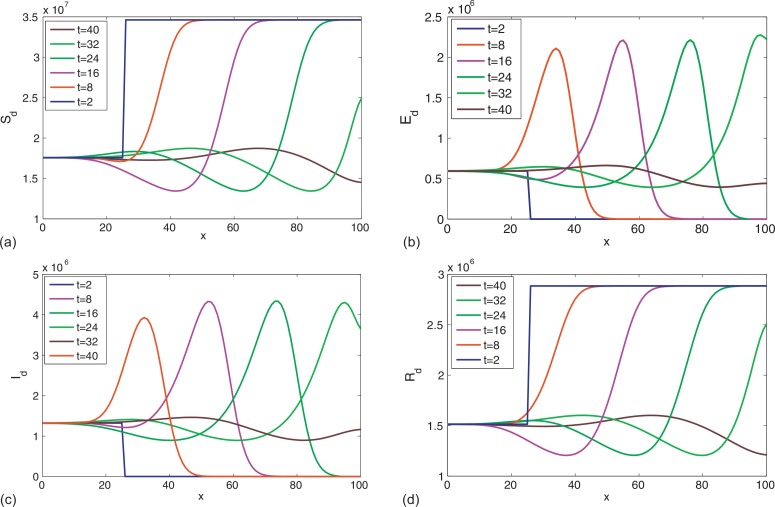
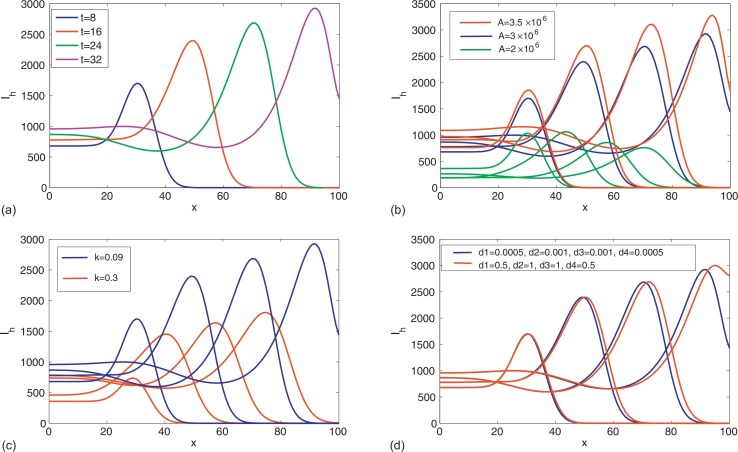
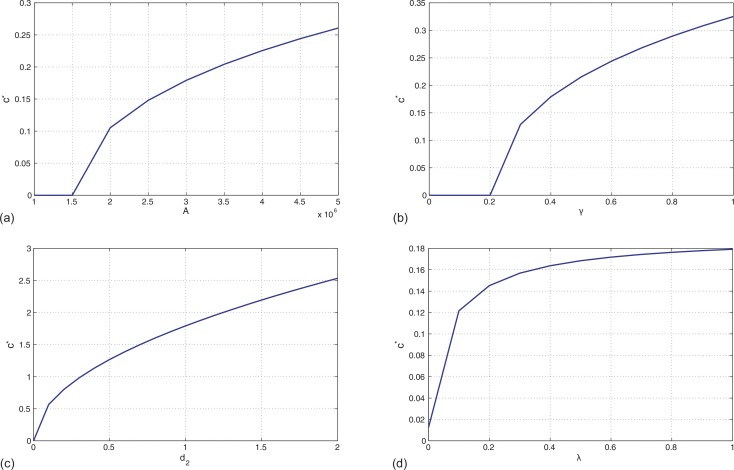
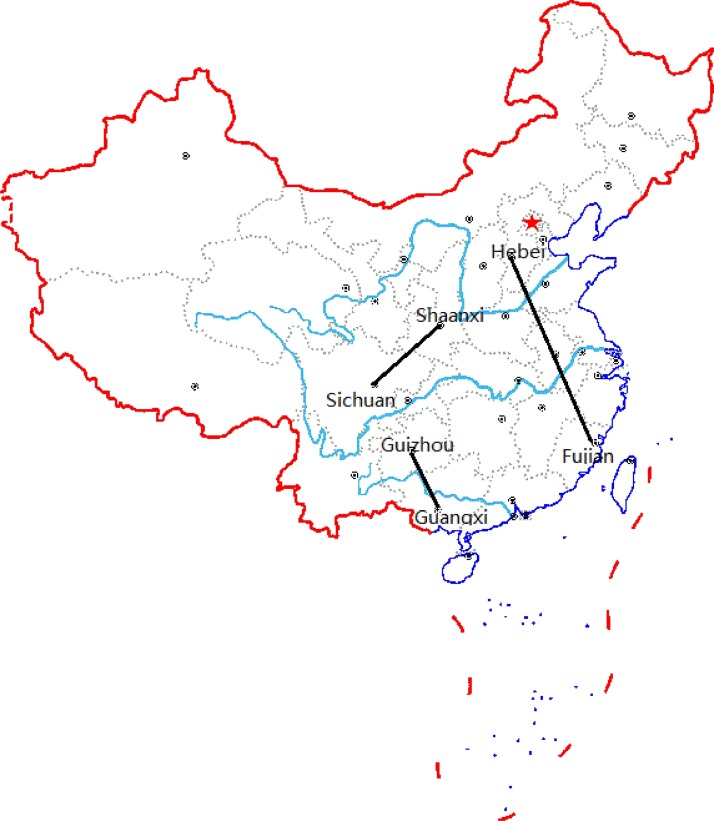
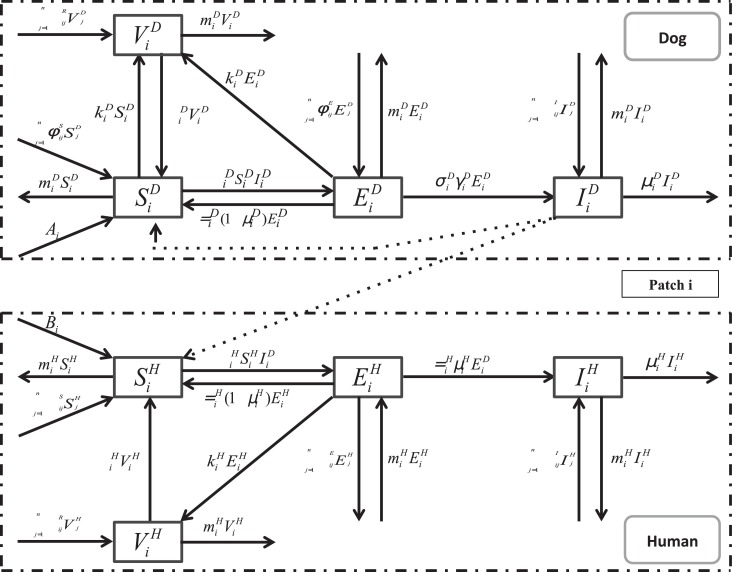
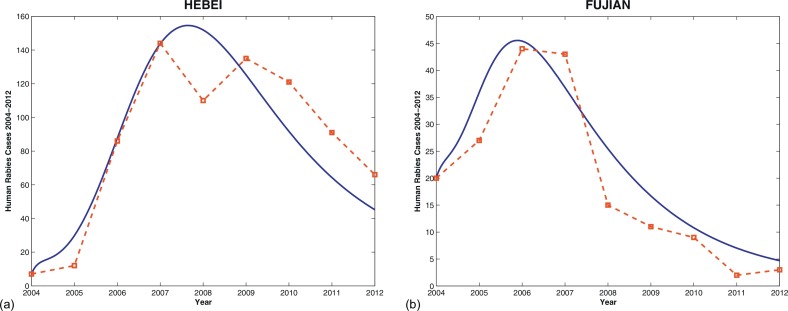
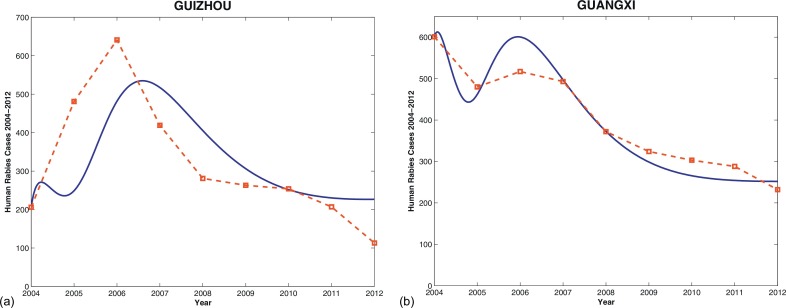
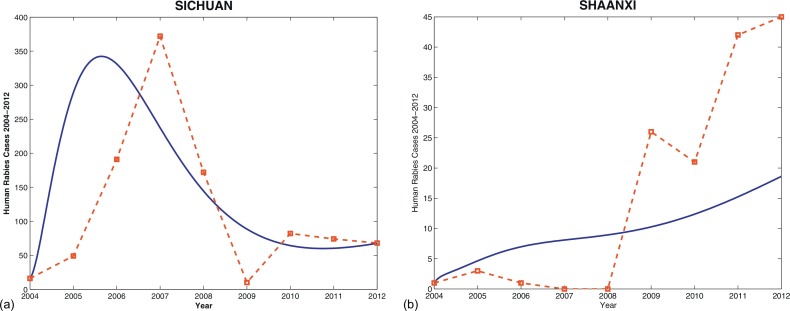
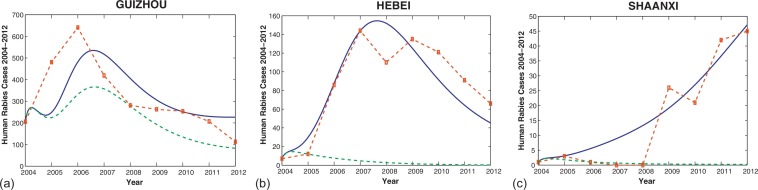
Human rabies was first recorded in ancient China in about 556 BC and is still one of the major public-health problems in China. From 1950 to 2015, 130,494 human rabies cases were reported in Mainland China with an average of 1977 cases per year. It is estimated that 95% of these human rabies cases are due to dog bites. The purpose of this article is to provide a review about the models, results, and simulations that we have obtained recently on studying the transmission of rabies in China. We first construct a basic susceptible, exposed, infectious, and recovered (SEIR) type model for the spread of rabies virus among dogs and from dogs to humans and use the model to simulate the human rabies data in China from 1996 to 2010. Then we modify the basic model by including both domestic and stray dogs and apply the model to simulate the human rabies data from Guangdong Province, China. To study the seasonality of rabies, in Section 4 we further propose a SEIR model with periodic transmission rates and employ the model to simulate the monthly data of human rabies cases reported by the Chinese Ministry of Health from January 2004 to December 2010. To understand the spatial spread of rabies, in Section 5 we add diffusion to the dog population in the basic SEIR model to obtain a reaction-diffusion equation model and determine the minimum wave speed connecting the disease-free equilibrium to the endemic equilibrium. Finally, in order to investigate how the movement of dogs affects the geographically inter-provincial spread of rabies in Mainland China, in Section 6 we propose a multi-patch model to describe the transmission dynamics of rabies between dogs and humans and use the two-patch submodel to investigate the rabies virus clades lineages and to simulate the human rabies data from Guizhou and Guangxi, Hebei and Fujian, and Sichuan and Shaanxi, respectively. Some discussions are provided in Section 7.
人类狂犬病最早于公元前556年在中国古代被记录,如今仍是中国主要的公共卫生问题之一。1950年至2015年期间,中国大陆共报告130494例人类狂犬病病例,年均1977例。据估计,这些人类狂犬病病例中有95%是由犬咬伤所致。本文旨在综述我们近期在研究中国狂犬病传播方面所获得的模型、结果及模拟情况。我们首先构建了一个用于描述狂犬病病毒在犬类之间以及从犬类传播至人类的基本易感 - 暴露 - 感染 - 康复(SEIR)模型,并使用该模型模拟1996年至2010年中国的人类狂犬病数据。接着,我们通过纳入家养犬和流浪犬来修改基本模型,并应用该模型模拟中国广东省的人类狂犬病数据。为研究狂犬病的季节性,在第4节中,我们进一步提出一个具有周期性传播率的SEIR模型,并使用该模型模拟中国卫生部报告的2004年1月至2010年12月人类狂犬病病例的月度数据。为了解狂犬病的空间传播,在第5节中,我们在基本SEIR模型中加入犬类种群的扩散项,得到一个反应 - 扩散方程模型,并确定连接无病平衡点和地方病平衡点的最小波速。最后,为研究犬类的移动如何影响中国大陆狂犬病在地理上的省际传播,在第6节中,我们提出一个多斑块模型来描述狂犬病在犬类和人类之间的传播动态,并使用双斑块子模型分别研究狂犬病病毒分支谱系,以及模拟贵州和广西、河北和福建、四川和陕西的人类狂犬病数据。第7节给出了一些讨论。