• 文献检索
  • 文档翻译
  • 深度研究
  • 学术资讯
  • Suppr Zotero 插件Zotero 插件
  • 邀请有礼
  • 套餐&价格
  • 历史记录
应用&插件
Suppr Zotero 插件Zotero 插件浏览器插件Mac 客户端Windows 客户端微信小程序
定价
高级版会员购买积分包购买API积分包
服务
文献检索文档翻译深度研究API 文档MCP 服务
关于我们
关于 Suppr公司介绍联系我们用户协议隐私条款
关注我们

Suppr 超能文献

核心技术专利:CN118964589B侵权必究
粤ICP备2023148730 号-1Suppr @ 2026

文献检索

告别复杂PubMed语法,用中文像聊天一样搜索,搜遍4000万医学文献。AI智能推荐,让科研检索更轻松。

立即免费搜索

文件翻译

保留排版,准确专业,支持PDF/Word/PPT等文件格式,支持 12+语言互译。

免费翻译文档

深度研究

AI帮你快速写综述,25分钟生成高质量综述,智能提取关键信息,辅助科研写作。

立即免费体验

中国大陆狂犬病传播与消除的动态分析

Dynamic analysis of rabies transmission and elimination in mainland China.

作者信息

Lv Miao-Miao, Sun Xiang-Dong, Jin Zhen, Wu Hai-Rong, Li Ming-Tao, Sun Gui-Quan, Pei Xin, Wu Yu-Tong, Liu Ping, Li Li, Zhang Juan

机构信息

Complex Systems Research Center, Shanxi University, Taiyuan 030006, China.

Complex Systems and Data Science Key Laboratory of Ministry of Education, Taiyuan 030006, China.

出版信息

One Health. 2023 Aug 16;17:100615. doi: 10.1016/j.onehlt.2023.100615. eCollection 2023 Dec.

DOI:10.1016/j.onehlt.2023.100615
PMID:37638210
原文链接:https://pmc.ncbi.nlm.nih.gov/articles/PMC10458286/
Abstract

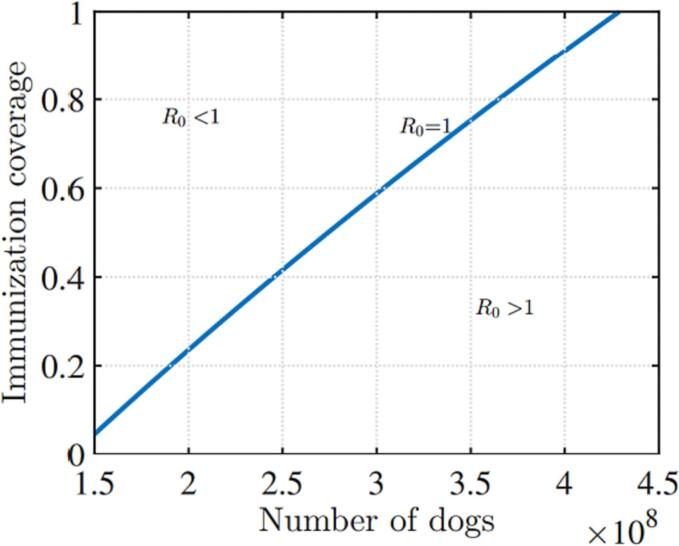
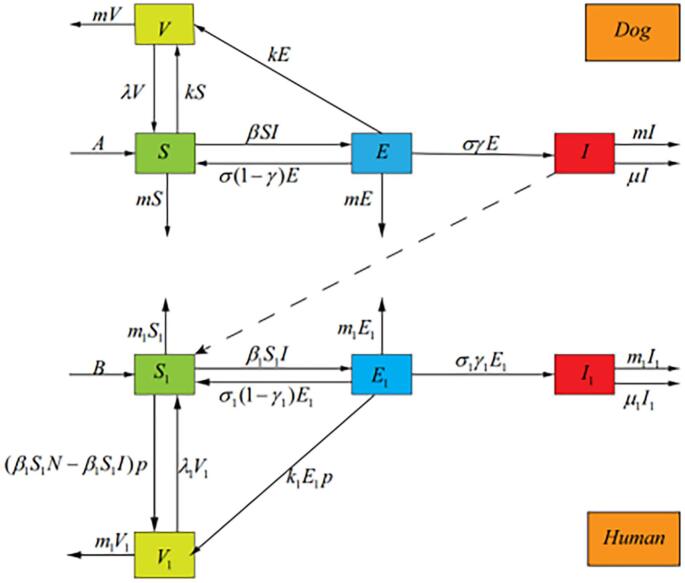
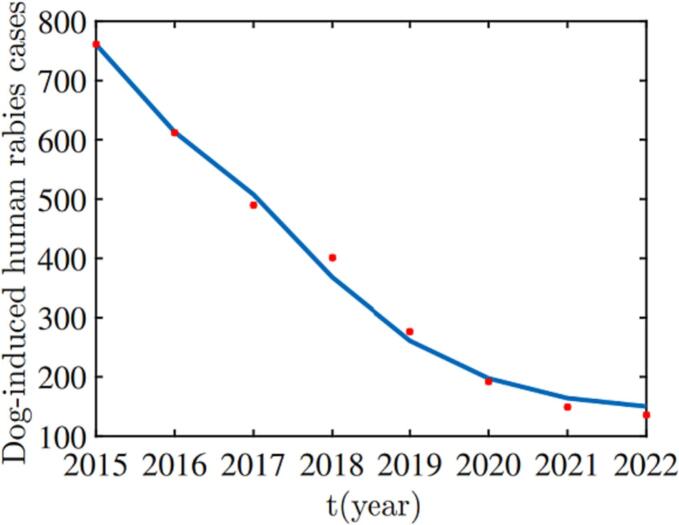
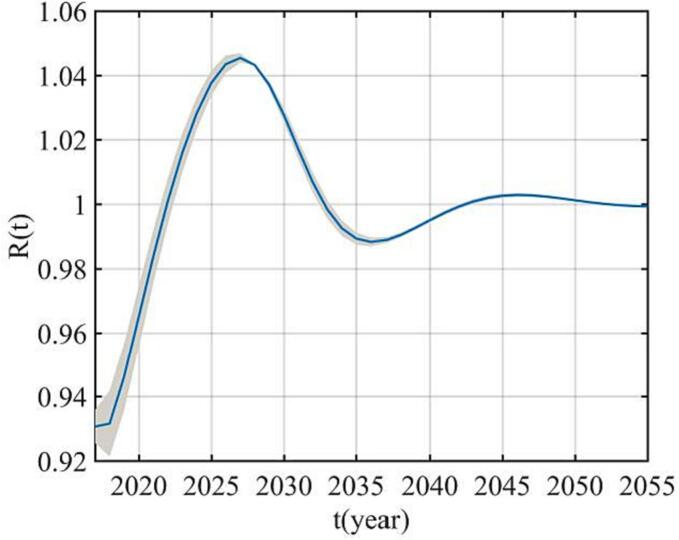
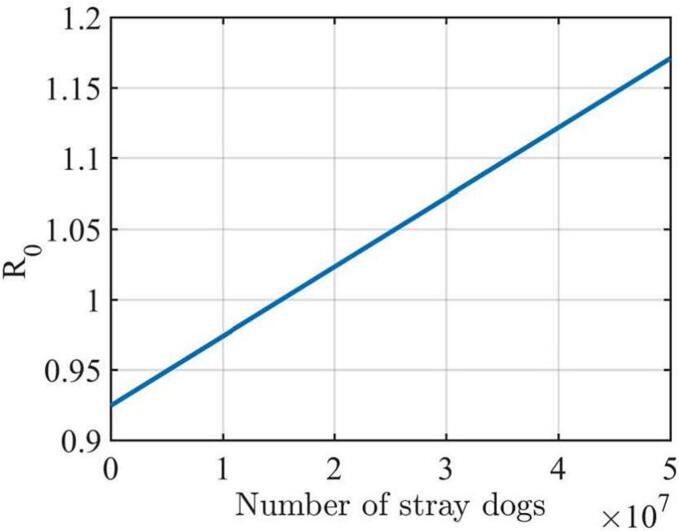
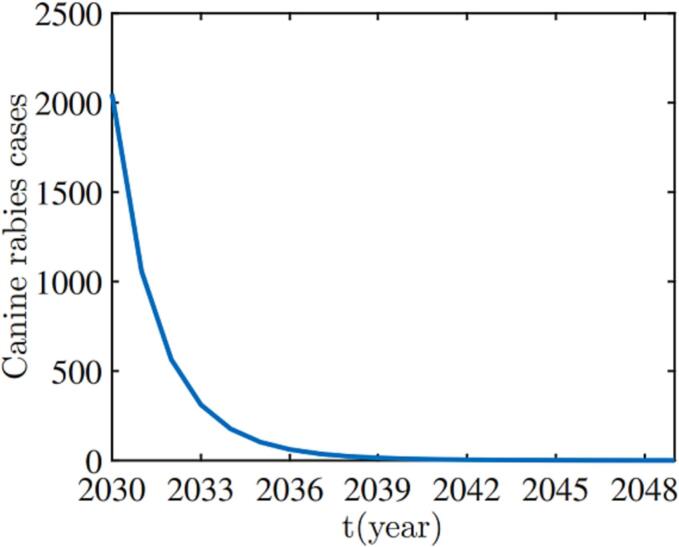
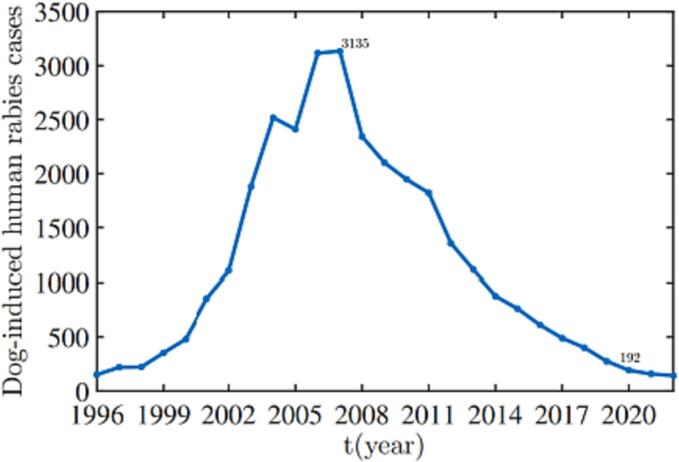
Rabies is an acute zoonotic infectious disease caused by rabies virus. In 2015, the World Health Organization proposed the goal of eliminating dog-induced human rabies by 2030. In response to this goal positively, China has been dedicated to the control and elimination of rabies mainly caused by dogs, for nearly 10 years. By applying infectious disease dynamics, in this paper, we establish a dog-human rabies transmission model to forecast future epidemic trends of rabies, assess whether the goal of eliminating dog-induced human rabies cases in China can be achieved in 2030, and further evaluate and suggest the follow-up sustained preventive measures after the elimination of human rabies. By analyzing and simulating above dynamic model, it is concluded that rabies has been well controlled in China in recent years, but dog-induced human rabies cannot be eliminated by 2030 according to current situation. In addition, we propose to improve rabies control efforts by increasing the immunization coverage rate of rural domestic dogs, controlling the number of stray dogs and preventing the import of rabies virus in wild animals. Immunization coverage rate of rural domestic dogs which is currently less than 10% is far from requirement, and it needs to reach 50%-60% to meet the goal of 2030. Since it is difficult to immunize stray dogs, we suggest to control the number of stray dogs below 15.27 million to achieve the goal. If the goal of eliminating human rabies is reached in 2030, the essential immunization coverage needs to be maintained for 18 years to reduce the number of canine rabies cases to zero. Lastly, to prevent transmission of rabies virus from wild animals to dogs, the thresholds of the number of dogs and the immunization coverage rate of dogs after eliminating canine rabies cases are also discussed.

摘要

狂犬病是由狂犬病毒引起的一种急性人畜共患传染病。2015年,世界卫生组织提出到2030年消除犬传人狂犬病的目标。为积极响应这一目标,近10年来中国一直致力于控制和消除主要由犬引起的狂犬病。本文应用传染病动力学,建立了犬传人狂犬病传播模型,以预测狂犬病未来的流行趋势,评估中国在2030年能否实现消除犬传人狂犬病病例的目标,并进一步评估和提出消除人狂犬病后的后续持续预防措施。通过对上述动力学模型进行分析和模拟,得出近年来中国狂犬病已得到较好控制,但根据目前情况,犬传人狂犬病在2030年无法消除的结论。此外,我们建议通过提高农村家犬免疫覆盖率、控制流浪犬数量以及防止野生动物狂犬病病毒传入等方式来加强狂犬病防控工作。目前农村家犬免疫覆盖率不足10%,远未达到要求,需要达到50%-60%才能实现2030年的目标。由于对流浪犬进行免疫较为困难,我们建议将流浪犬数量控制在1527万以下以实现目标。如果在2030年实现消除人狂犬病的目标,需要维持基本免疫覆盖率18年,以使犬狂犬病病例数降至零。最后,为防止狂犬病病毒从野生动物传播至犬类,还讨论了消除犬狂犬病病例后犬的数量阈值和犬免疫覆盖率。
https://cdn.ncbi.nlm.nih.gov/pmc/blobs/69b0/10458286/433ed8f6f947/gr11.jpg
https://cdn.ncbi.nlm.nih.gov/pmc/blobs/69b0/10458286/f244c1e09c7b/gr1.jpg
https://cdn.ncbi.nlm.nih.gov/pmc/blobs/69b0/10458286/e20c4c4ee1b0/gr2.jpg
https://cdn.ncbi.nlm.nih.gov/pmc/blobs/69b0/10458286/9b6327ea24c6/gr3.jpg
https://cdn.ncbi.nlm.nih.gov/pmc/blobs/69b0/10458286/9213933cc03b/gr4.jpg
https://cdn.ncbi.nlm.nih.gov/pmc/blobs/69b0/10458286/30b4508f1809/gr5.jpg
https://cdn.ncbi.nlm.nih.gov/pmc/blobs/69b0/10458286/3fd6cf66287c/gr6.jpg
https://cdn.ncbi.nlm.nih.gov/pmc/blobs/69b0/10458286/87e3081e95c7/gr7.jpg
https://cdn.ncbi.nlm.nih.gov/pmc/blobs/69b0/10458286/4cdacae8499f/gr8.jpg
https://cdn.ncbi.nlm.nih.gov/pmc/blobs/69b0/10458286/b33e539814ed/gr9.jpg
https://cdn.ncbi.nlm.nih.gov/pmc/blobs/69b0/10458286/d6290f0a60d5/gr10.jpg
https://cdn.ncbi.nlm.nih.gov/pmc/blobs/69b0/10458286/433ed8f6f947/gr11.jpg
https://cdn.ncbi.nlm.nih.gov/pmc/blobs/69b0/10458286/f244c1e09c7b/gr1.jpg
https://cdn.ncbi.nlm.nih.gov/pmc/blobs/69b0/10458286/e20c4c4ee1b0/gr2.jpg
https://cdn.ncbi.nlm.nih.gov/pmc/blobs/69b0/10458286/9b6327ea24c6/gr3.jpg
https://cdn.ncbi.nlm.nih.gov/pmc/blobs/69b0/10458286/9213933cc03b/gr4.jpg
https://cdn.ncbi.nlm.nih.gov/pmc/blobs/69b0/10458286/30b4508f1809/gr5.jpg
https://cdn.ncbi.nlm.nih.gov/pmc/blobs/69b0/10458286/3fd6cf66287c/gr6.jpg
https://cdn.ncbi.nlm.nih.gov/pmc/blobs/69b0/10458286/87e3081e95c7/gr7.jpg
https://cdn.ncbi.nlm.nih.gov/pmc/blobs/69b0/10458286/4cdacae8499f/gr8.jpg
https://cdn.ncbi.nlm.nih.gov/pmc/blobs/69b0/10458286/b33e539814ed/gr9.jpg
https://cdn.ncbi.nlm.nih.gov/pmc/blobs/69b0/10458286/d6290f0a60d5/gr10.jpg
https://cdn.ncbi.nlm.nih.gov/pmc/blobs/69b0/10458286/433ed8f6f947/gr11.jpg

相似文献

1
Dynamic analysis of rabies transmission and elimination in mainland China.中国大陆狂犬病传播与消除的动态分析
One Health. 2023 Aug 16;17:100615. doi: 10.1016/j.onehlt.2023.100615. eCollection 2023 Dec.
2
Dynamics of rabies epidemics and the impact of control efforts in Guangdong Province, China.狂犬病疫情动态及其在中国广东省防控工作的影响。
J Theor Biol. 2012 May 7;300:39-47. doi: 10.1016/j.jtbi.2012.01.006. Epub 2012 Jan 20.
3
Rabies Vaccination Targets for Stray Dog Populations.流浪狗群体的狂犬病疫苗接种目标
Front Vet Sci. 2017 Apr 13;4:52. doi: 10.3389/fvets.2017.00052. eCollection 2017.
4
Domestic dog demographics and estimates of canine vaccination coverage in a rural area of Zambia for the elimination of rabies.赞比亚农村地区用于消除狂犬病的家犬种群统计学及犬类疫苗接种覆盖率估计
PLoS Negl Trop Dis. 2021 Apr 28;15(4):e0009222. doi: 10.1371/journal.pntd.0009222. eCollection 2021 Apr.
5
Designing programs for eliminating canine rabies from islands: Bali, Indonesia as a case study.设计消除岛屿犬狂犬病的项目:以印度尼西亚巴厘岛为例。
PLoS Negl Trop Dis. 2013 Aug 22;7(8):e2372. doi: 10.1371/journal.pntd.0002372. eCollection 2013.
6
Progress towards dog-mediated rabies elimination in PR China: a scoping review.中国消除犬传播狂犬病的进展:范围综述。
Infect Dis Poverty. 2023 Apr 6;12(1):30. doi: 10.1186/s40249-023-01082-3.
7
Modeling the Transmission Dynamics of Rabies for Dog, Chinese Ferret Badger and Human Interactions in Zhejiang Province, China.建立浙江省犬、中国雪貂和人类间狂犬病传播动力学模型。
Bull Math Biol. 2019 Apr;81(4):939-962. doi: 10.1007/s11538-018-00537-1. Epub 2018 Dec 10.
8
Analysis of rabies in China: transmission dynamics and control.中国狂犬病分析:传播动力学与控制。
PLoS One. 2011;6(7):e20891. doi: 10.1371/journal.pone.0020891. Epub 2011 Jul 14.
9
Factors associated with dog rabies vaccination in Bhol, Philippines: results of a cross-sectional cluster survey conducted following the island-wide rabies elimination campaign.菲律宾博尔岛犬类狂犬病疫苗接种的相关因素:在全岛狂犬病消除运动后进行的横断面整群调查结果
Zoonoses Public Health. 2013 Nov;60(7):494-503. doi: 10.1111/zph.12026. Epub 2012 Dec 28.
10
Dog rabies control in West and Central Africa: A review.西非和中非的狂犬病控制:综述。
Acta Trop. 2021 Dec;224:105459. doi: 10.1016/j.actatropica.2020.105459. Epub 2020 May 11.

引用本文的文献

1
A Comprehensive Analysis and Forecast of Rabies Epidemic and Elimination Challenges - China, 2005-2023.2005 - 2023年中国狂犬病流行及消除挑战的综合分析与预测
China CDC Wkly. 2025 Jul 18;7(29):967-972. doi: 10.46234/ccdcw2025.163.
2
Exploring one health-based strategies for rabies elimination: Overview and future prospects.探索基于“同一健康”理念的狂犬病消除策略:概述与未来展望。
PLoS Negl Trop Dis. 2025 Jun 18;19(6):e0013159. doi: 10.1371/journal.pntd.0013159. eCollection 2025 Jun.
3
Epidemiology and Emerging Trends of Zoonotic Viral Diseases of Pigs in India.

本文引用的文献

1
What is the role of aerosol transmission in SARS-Cov-2 Omicron spread in Shanghai?奥密克戎在上海传播中,气溶胶传播的作用是什么?
BMC Infect Dis. 2022 Nov 24;22(1):880. doi: 10.1186/s12879-022-07876-4.
2
Optimal control of pattern formations for an SIR reaction-diffusion epidemic model.SIR反应扩散传染病模型模式形成的最优控制
J Theor Biol. 2022 Mar 7;536:111003. doi: 10.1016/j.jtbi.2022.111003. Epub 2022 Jan 10.
3
Epidemic Characteristics of Human Rabies - China, 2016-2020.2016 - 2020年中国人类狂犬病流行特征
印度猪源人畜共患病毒性疾病的流行病学及新趋势
Viruses. 2025 Mar 6;17(3):381. doi: 10.3390/v17030381.
4
Patterns of animal rabies in the Nizhny Novgorod region of Russia (2012-2022): the analysis of risk factors.俄罗斯下诺夫哥罗德地区动物狂犬病的流行模式(2012 - 2022年):风险因素分析
Front Vet Sci. 2024 Oct 22;11:1440408. doi: 10.3389/fvets.2024.1440408. eCollection 2024.
5
Epidemiological characteristics of human rabies cases reported by sites in China from 2006 to 2022.2006 年至 2022 年中国各地区报告的人间狂犬病病例的流行病学特征。
BMC Infect Dis. 2024 Sep 13;24(1):966. doi: 10.1186/s12879-024-09864-2.
China CDC Wkly. 2021 Sep 24;3(39):819-821. doi: 10.46234/ccdcw2021.203.
4
Modelling the factors affecting the probability for local rabies elimination by strategic control.建模影响通过策略控制消除局部狂犬病概率的因素。
PLoS Negl Trop Dis. 2021 Mar 4;15(3):e0009236. doi: 10.1371/journal.pntd.0009236. eCollection 2021 Mar.
5
Modeling transmission dynamics of rabies in Nepal.尼泊尔狂犬病传播动力学建模。
Infect Dis Model. 2021 Jan 12;6:284-301. doi: 10.1016/j.idm.2020.12.009. eCollection 2021.
6
Neglected challenges in the control of animal rabies in China.中国动物狂犬病防控中被忽视的挑战。
One Health. 2021 Jan 5;12:100212. doi: 10.1016/j.onehlt.2021.100212. eCollection 2021 Jun.
7
Costs and effectiveness of alternative dog vaccination strategies to improve dog population coverage in rural and urban settings during a rabies outbreak.在狂犬病疫情期间,改善农村和城市地区狗群覆盖率的替代狗疫苗接种策略的成本和效果。
Vaccine. 2020 Sep 3;38(39):6162-6173. doi: 10.1016/j.vaccine.2020.06.006. Epub 2020 Jun 29.
8
Modelling targeted rabies vaccination strategies for a domestic dog population with heterogeneous roaming patterns.针对具有异质漫游模式的家犬群体的靶向狂犬病疫苗接种策略建模。
PLoS Negl Trop Dis. 2019 Jul 8;13(7):e0007582. doi: 10.1371/journal.pntd.0007582. eCollection 2019 Jul.
9
New global strategic plan to eliminate dog-mediated rabies by 2030.到2030年消除犬介导狂犬病的新全球战略计划。
Lancet Glob Health. 2018 Aug;6(8):e828-e829. doi: 10.1016/S2214-109X(18)30302-4. Epub 2018 Jun 18.
10
Spatiotemporal epidemic models for rabies among animals.动物狂犬病的时空流行模型。
Infect Dis Model. 2017 Jun 28;2(3):277-287. doi: 10.1016/j.idm.2017.06.001. eCollection 2017 Aug.