Mordmüller Benjamin, Surat Güzin, Lagler Heimo, Chakravarty Sumana, Ishizuka Andrew S, Lalremruata Albert, Gmeiner Markus, Campo Joseph J, Esen Meral, Ruben Adam J, Held Jana, Calle Carlos Lamsfus, Mengue Juliana B, Gebru Tamirat, Ibáñez Javier, Sulyok Mihály, James Eric R, Billingsley Peter F, Natasha K C, Manoj Anita, Murshedkar Tooba, Gunasekera Anusha, Eappen Abraham G, Li Tao, Stafford Richard E, Li Minglin, Felgner Phil L, Seder Robert A, Richie Thomas L, Sim B Kim Lee, Hoffman Stephen L, Kremsner Peter G
Institute of Tropical Medicine, University of Tübingen and German Center for Infection Research, partner site Tübingen, 72074 Tübingen, Germany.
Department of Medicine I, Division of Infectious Diseases and Tropical Medicine, Medical University of Vienna, 1090 Vienna, Austria.
Nature. 2017 Feb 23;542(7642):445-449. doi: 10.1038/nature21060. Epub 2017 Feb 15.
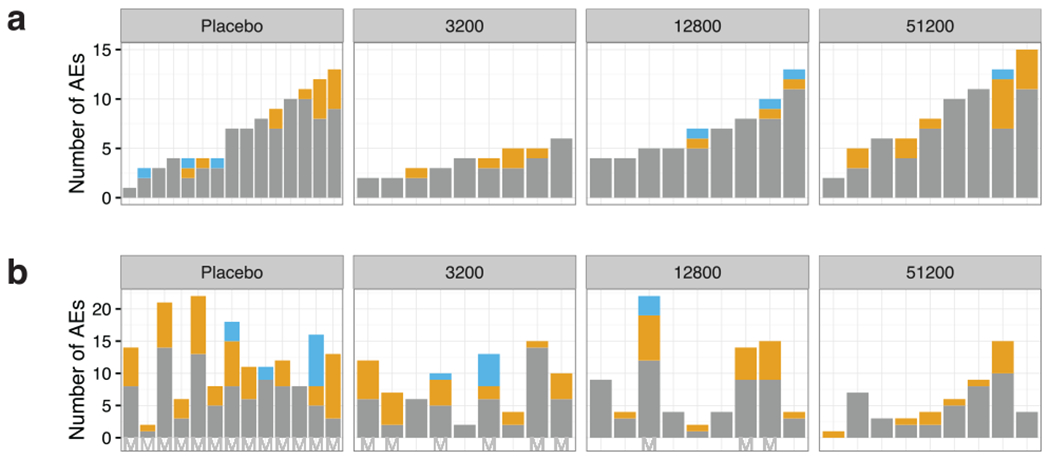
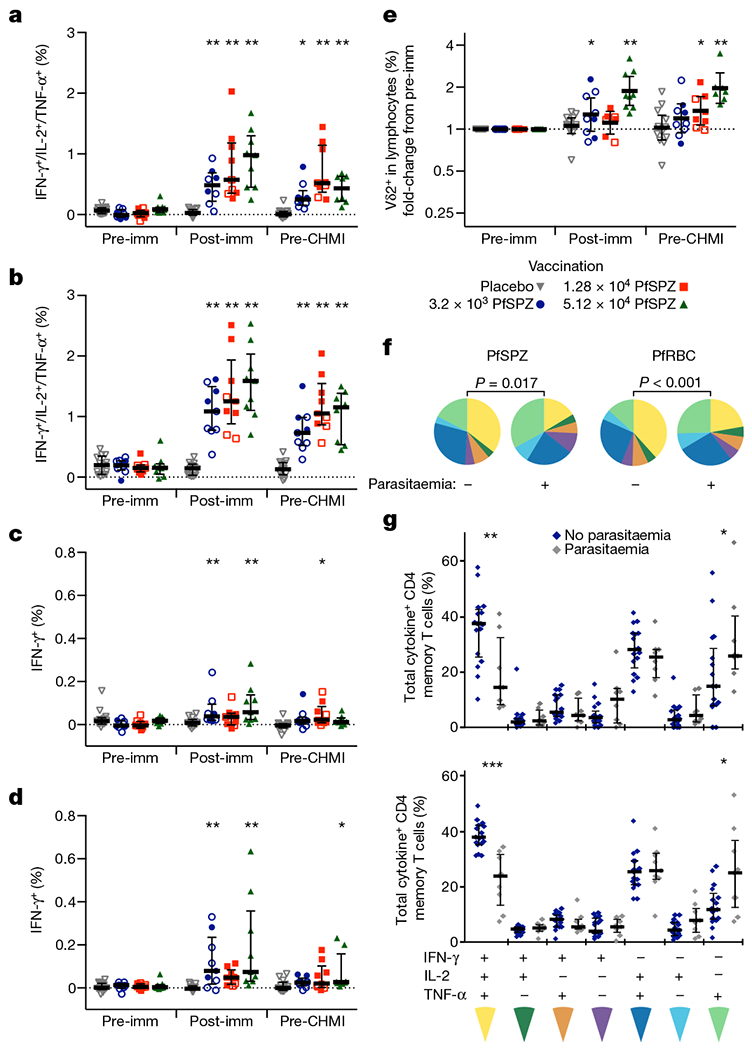
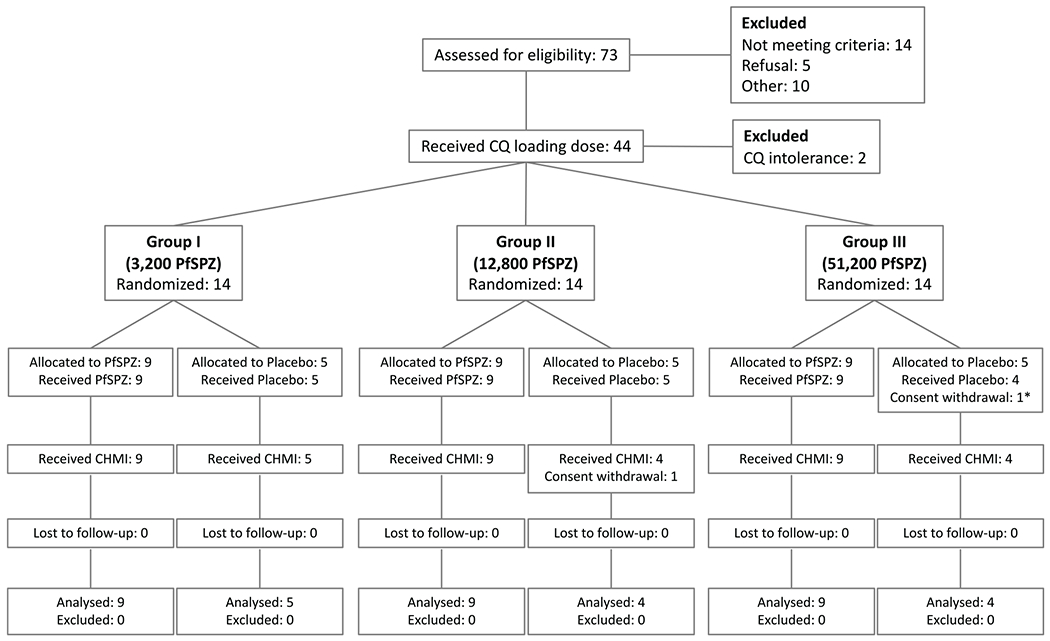
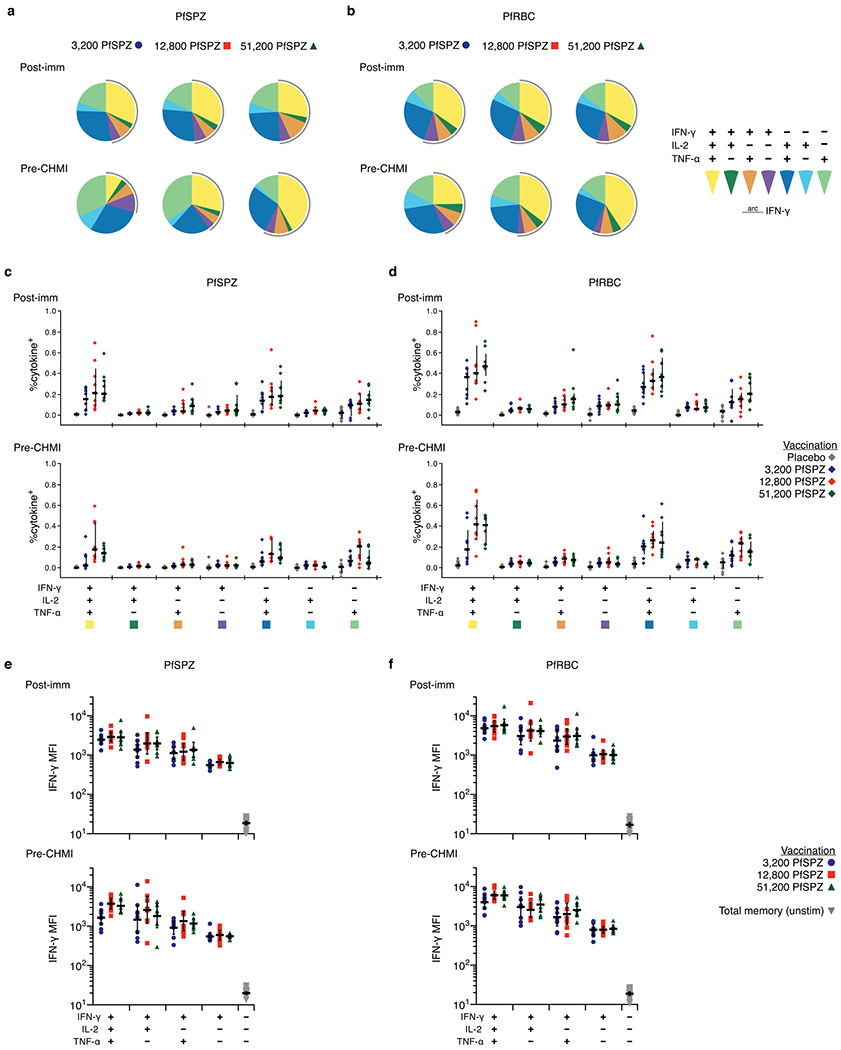
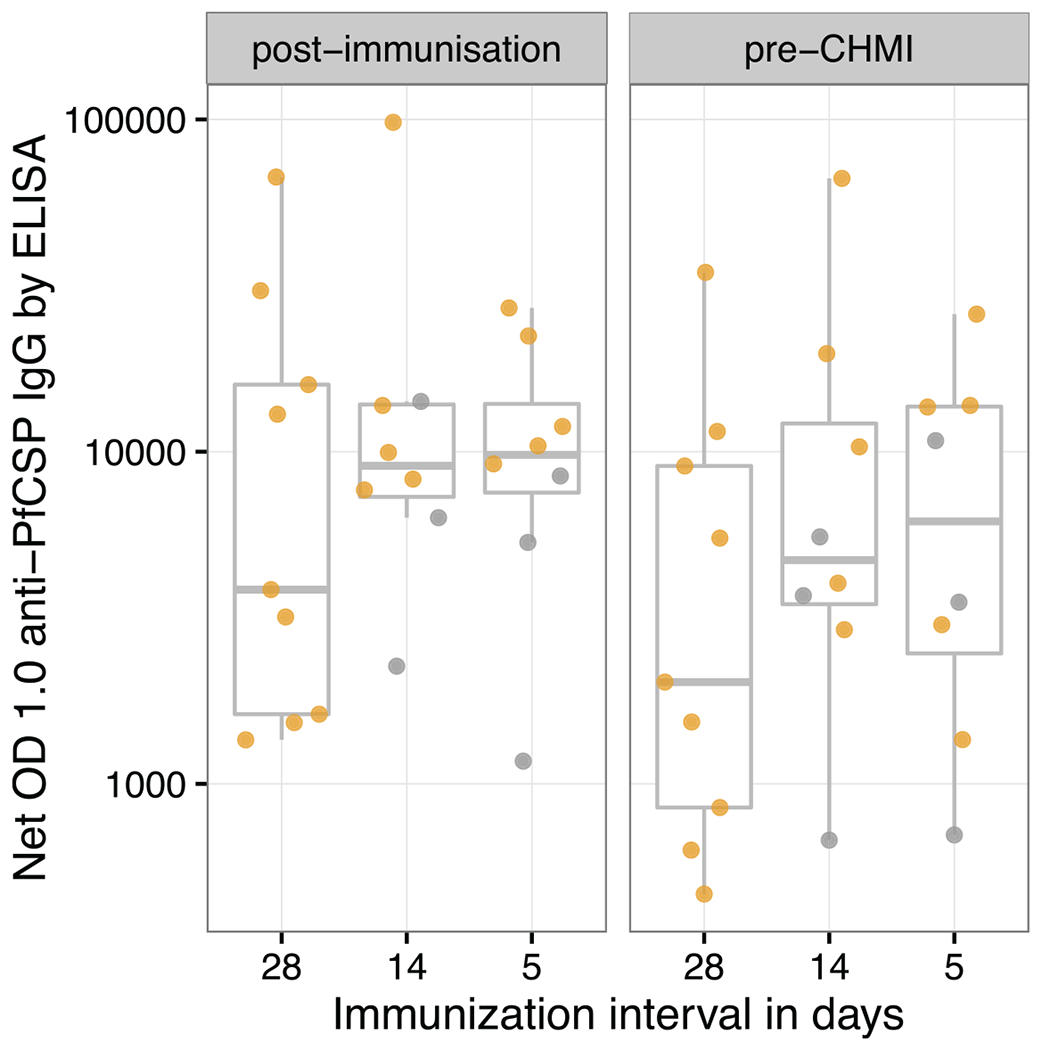
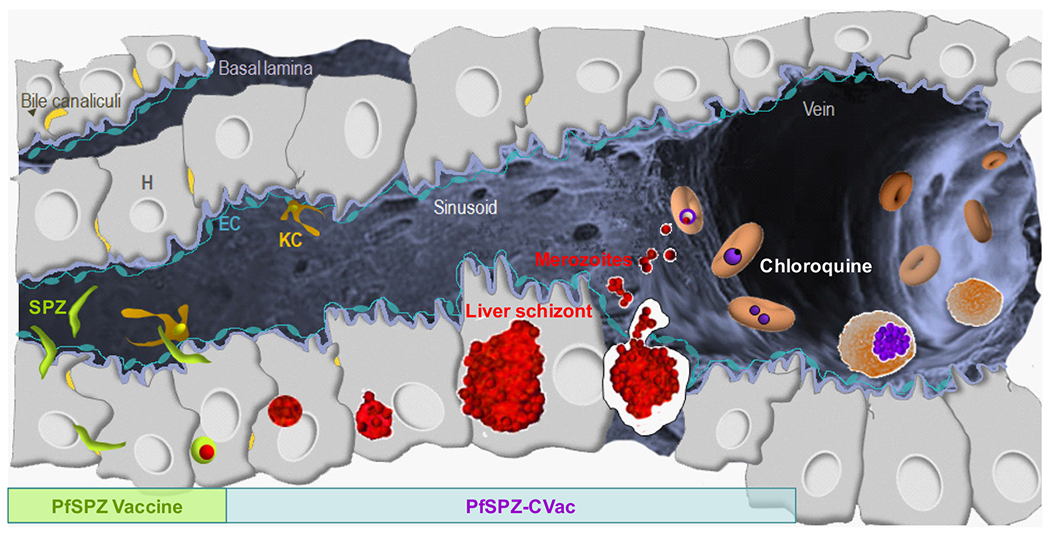
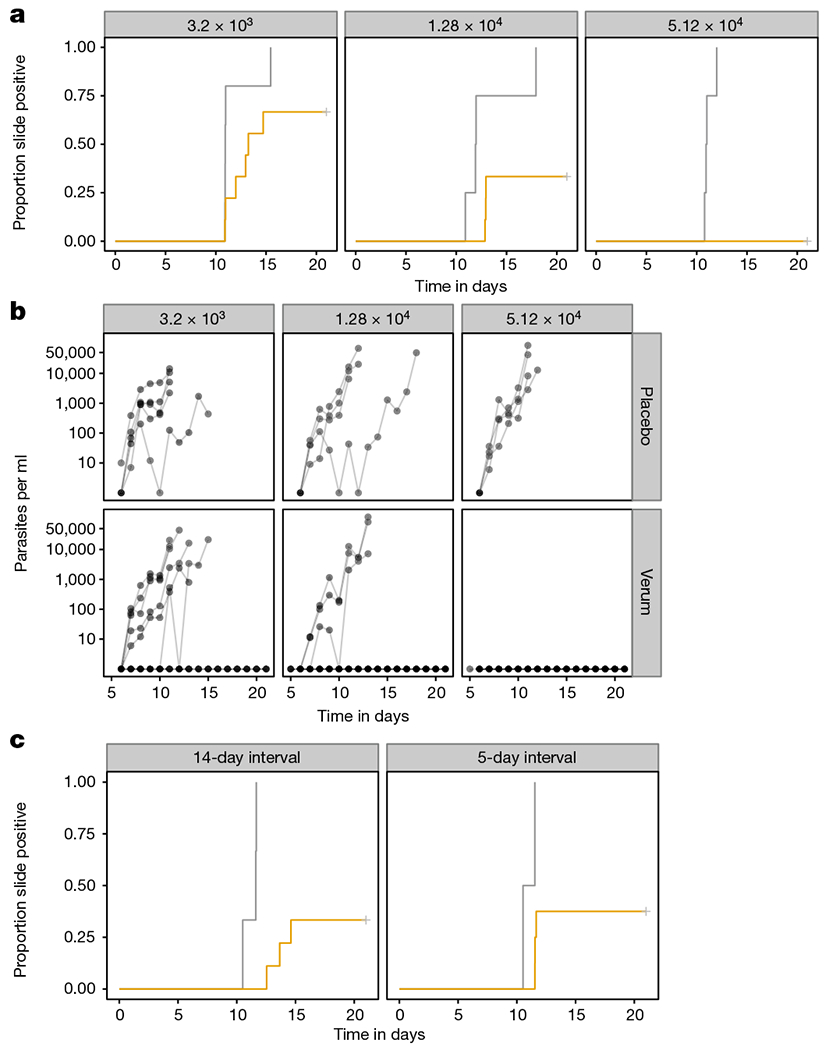
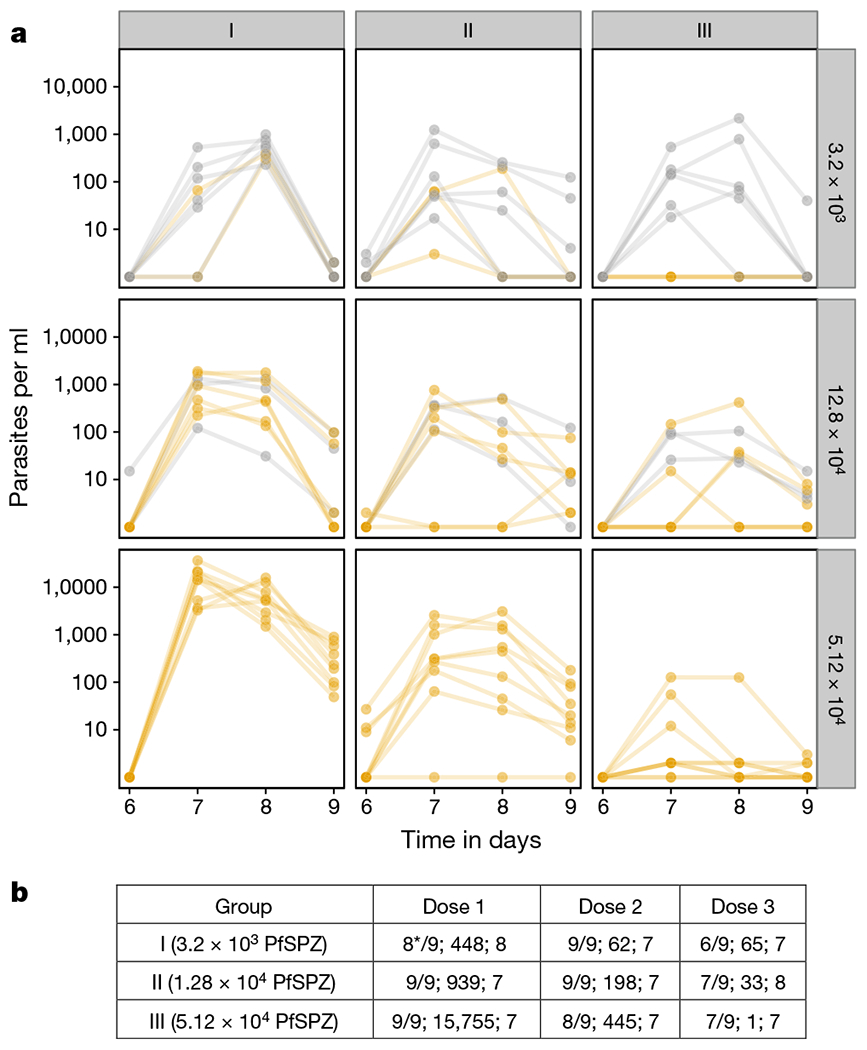
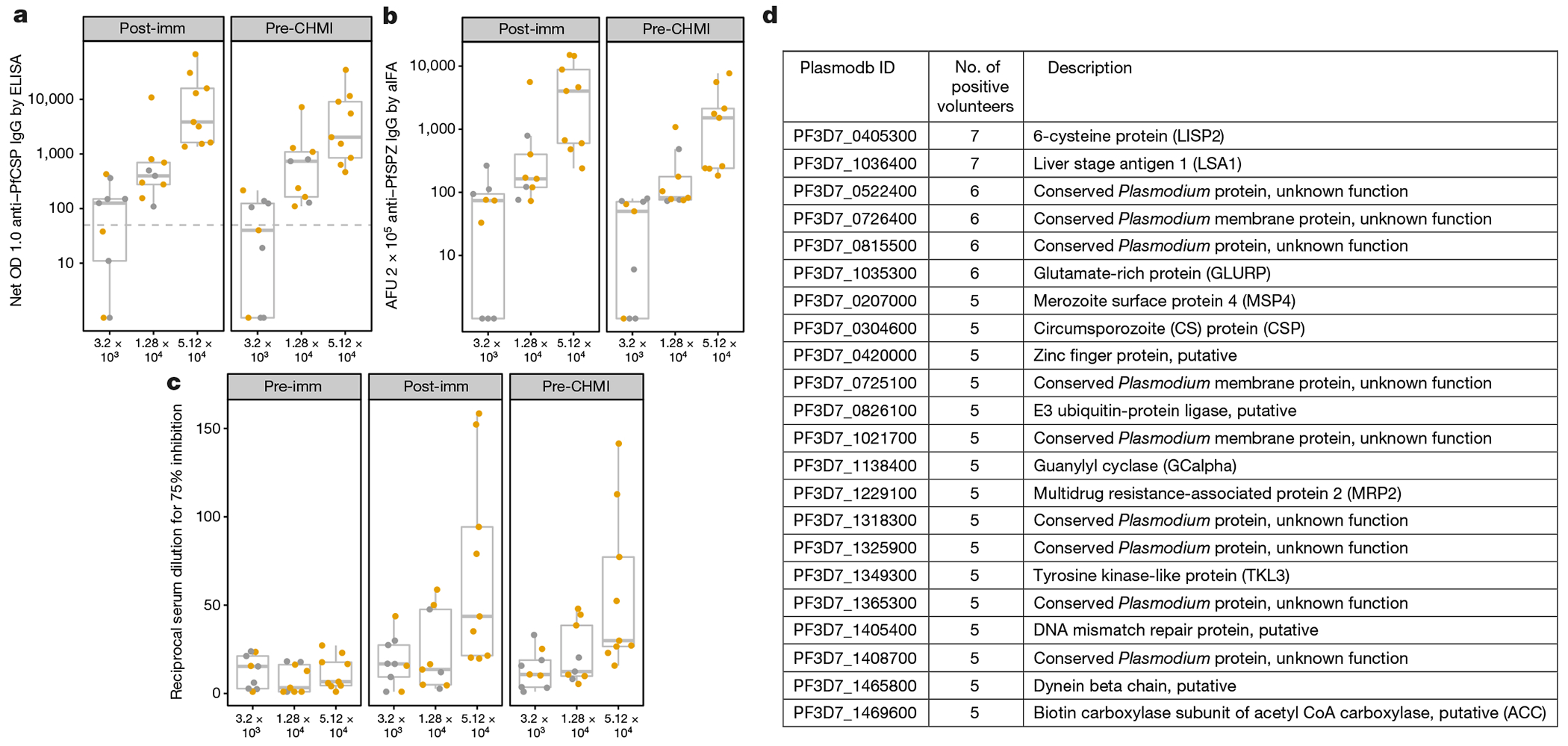
A highly protective malaria vaccine would greatly facilitate the prevention and elimination of malaria and containment of drug-resistant parasites. A high level (more than 90%) of protection against malaria in humans has previously been achieved only by immunization with radiation-attenuated Plasmodium falciparum (Pf) sporozoites (PfSPZ) inoculated by mosquitoes; by intravenous injection of aseptic, purified, radiation-attenuated, cryopreserved PfSPZ ('PfSPZ Vaccine'); or by infectious PfSPZ inoculated by mosquitoes to volunteers taking chloroquine or mefloquine (chemoprophylaxis with sporozoites). We assessed immunization by direct venous inoculation of aseptic, purified, cryopreserved, non-irradiated PfSPZ ('PfSPZ Challenge') to malaria-naive, healthy adult volunteers taking chloroquine for antimalarial chemoprophylaxis (vaccine approach denoted as PfSPZ-CVac). Three doses of 5.12 × 10 PfSPZ of PfSPZ Challenge at 28-day intervals were well tolerated and safe, and prevented infection in 9 out of 9 (100%) volunteers who underwent controlled human malaria infection ten weeks after the last dose (group III). Protective efficacy was dependent on dose and regimen. Immunization with 3.2 × 10 (group I) or 1.28 × 10 (group II) PfSPZ protected 3 out of 9 (33%) or 6 out of 9 (67%) volunteers, respectively. Three doses of 5.12 × 10 PfSPZ at five-day intervals protected 5 out of 8 (63%) volunteers. The frequency of Pf-specific polyfunctional CD4 memory T cells was associated with protection. On a 7,455 peptide Pf proteome array, immune sera from at least 5 out of 9 group III vaccinees recognized each of 22 proteins. PfSPZ-CVac is a highly efficacious vaccine candidate; when we are able to optimize the immunization regimen (dose, interval between doses, and drug partner), this vaccine could be used for combination mass drug administration and a mass vaccination program approach to eliminate malaria from geographically defined areas.
一种高度有效的疟疾疫苗将极大地促进疟疾的预防、消除以及耐药寄生虫的控制。此前,人类仅通过以下方式实现了高水平(超过90%)的疟疾防护:用经辐射减毒的恶性疟原虫(Pf)子孢子(PfSPZ)进行蚊虫叮咬接种免疫;静脉注射无菌、纯化、经辐射减毒、冷冻保存的PfSPZ(“PfSPZ疫苗”);或者对服用氯喹或甲氟喹(子孢子化学预防)的志愿者进行蚊虫叮咬接种感染性PfSPZ。我们评估了对未感染疟疾的健康成年志愿者进行直接静脉接种无菌、纯化、冷冻保存、未辐照的PfSPZ(“PfSPZ激发”)的免疫效果,这些志愿者服用氯喹进行抗疟化学预防(疫苗接种方法称为PfSPZ-CVac)。以28天的间隔接种三剂5.12×10个PfSPZ的PfSPZ激发耐受性良好且安全,在最后一剂接种十周后接受受控人类疟疾感染的9名志愿者(第三组)中,有9人(100%)预防了感染。保护效果取决于剂量和接种方案。用3.2×10个PfSPZ(第一组)或1.28×10个PfSPZ(第二组)进行免疫,分别保护了9名志愿者中的3人(33%)或6人(67%)。以五天的间隔接种三剂5.12×10个PfSPZ保护了8名志愿者中的5人(63%)。Pf特异性多功能CD4记忆T细胞的频率与保护作用相关。在一个包含7455种肽的Pf蛋白质组阵列上,来自第三组9名疫苗接种者中至少5人的免疫血清识别了22种蛋白质中的每一种。PfSPZ-CVac是一种高度有效的候选疫苗;当我们能够优化免疫接种方案(剂量、剂量间隔和药物搭配)时,这种疫苗可用于联合大规模药物给药以及大规模疫苗接种计划方法,以在地理限定区域消除疟疾。