Laboratory of Malaria Immunology and Vaccinology, National Institute of Allergy and Infectious Diseases, National Institutes of Health, Bethesda, MD, USA.
Center for Vaccine Research, GlaxoSmithKline, Rockville, MD, USA.
Nature. 2021 Jul;595(7866):289-294. doi: 10.1038/s41586-021-03684-z. Epub 2021 Jun 30.
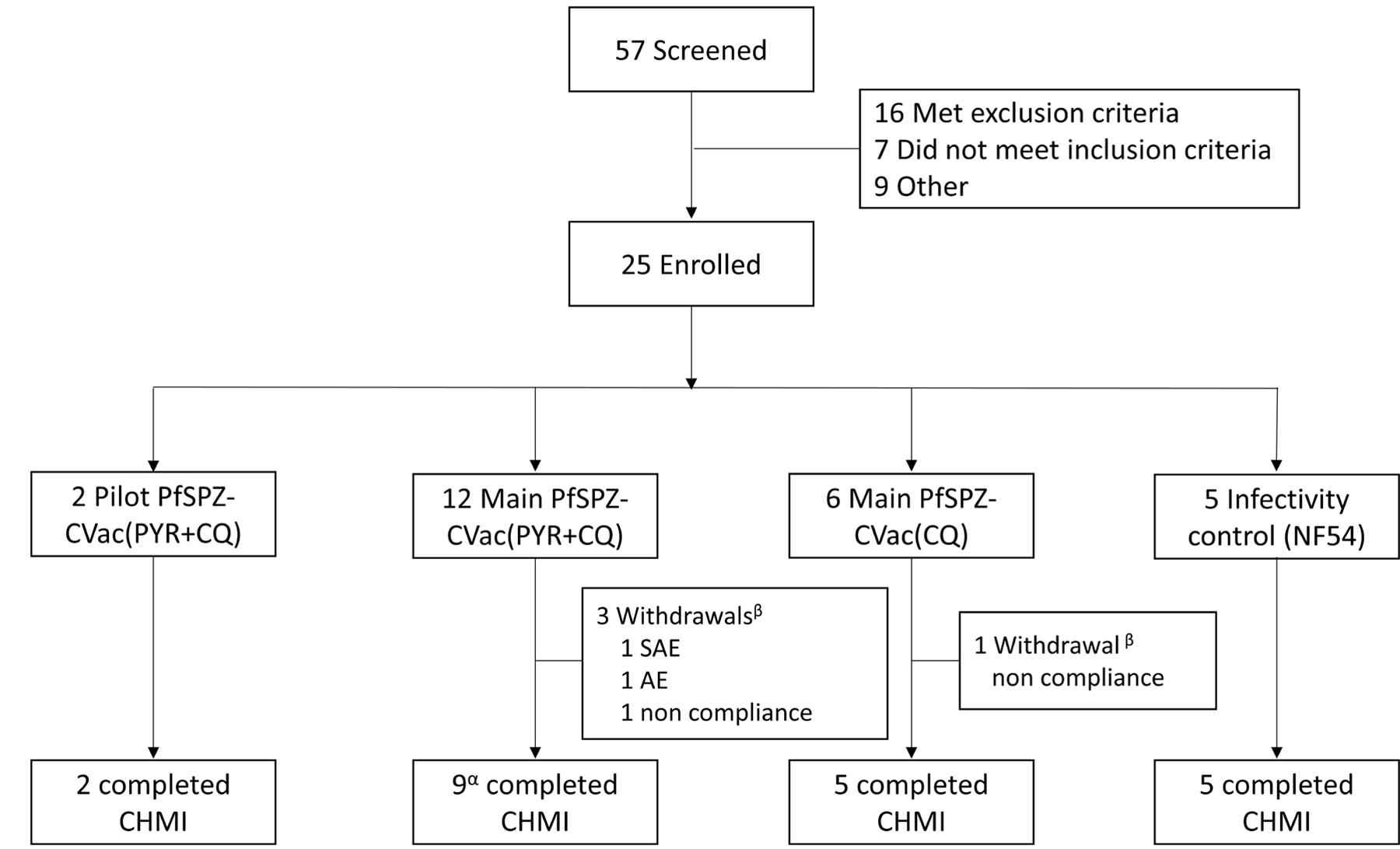
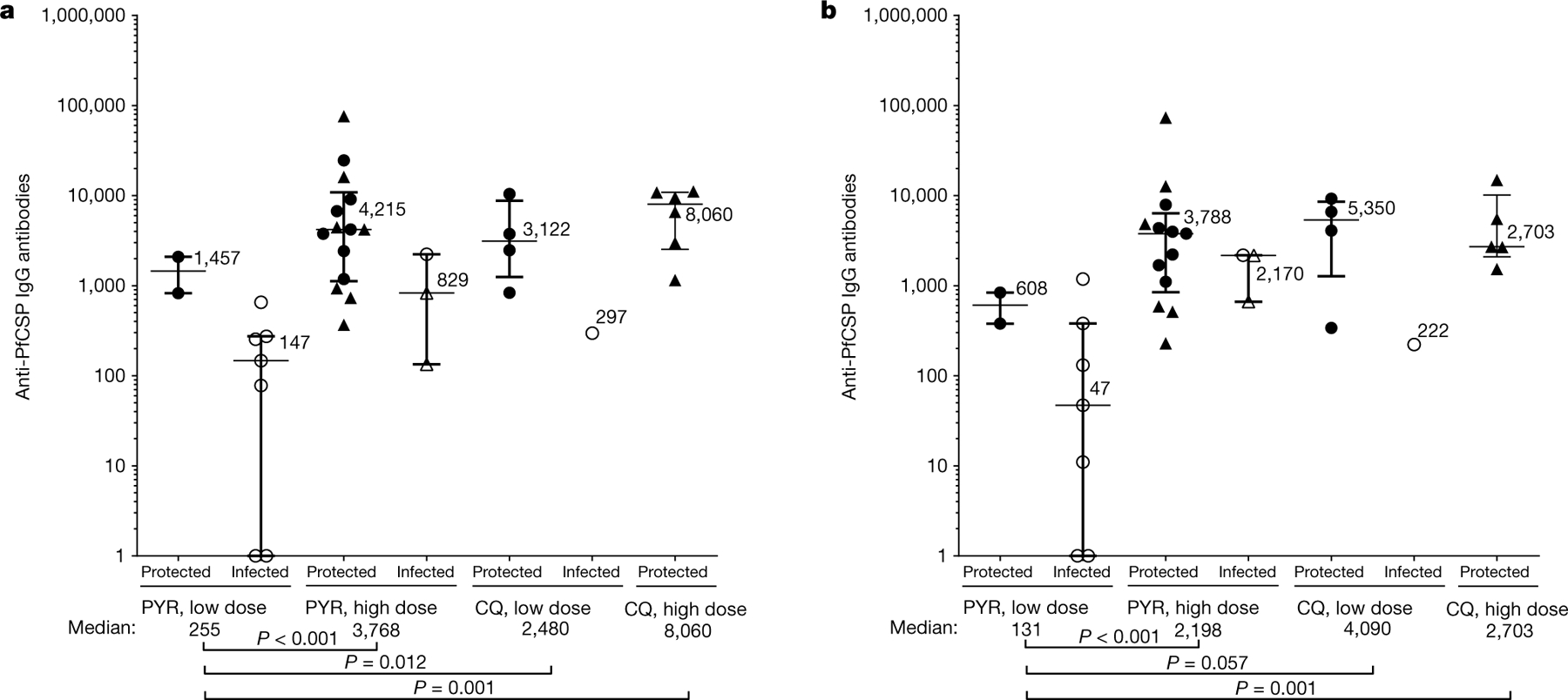
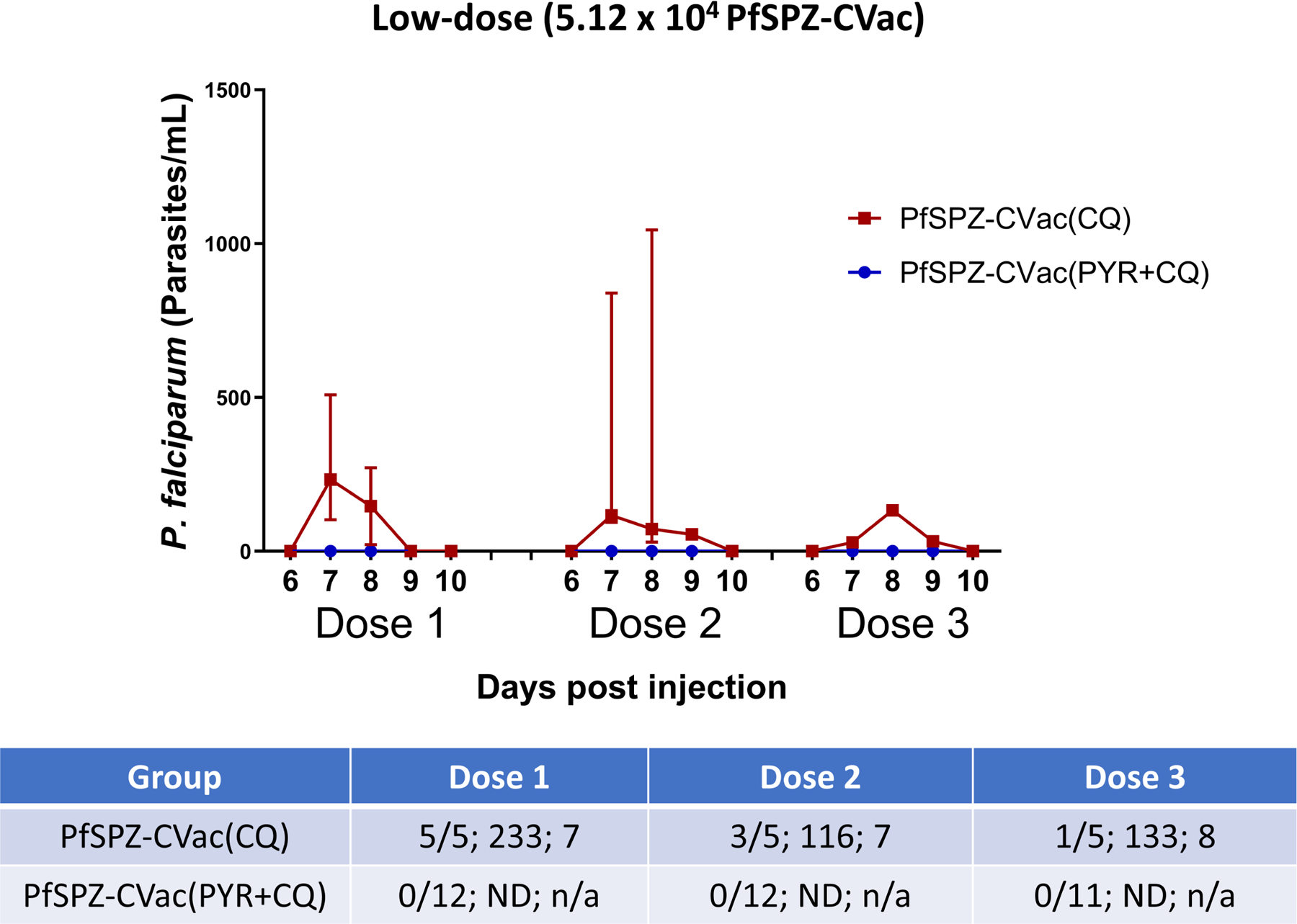
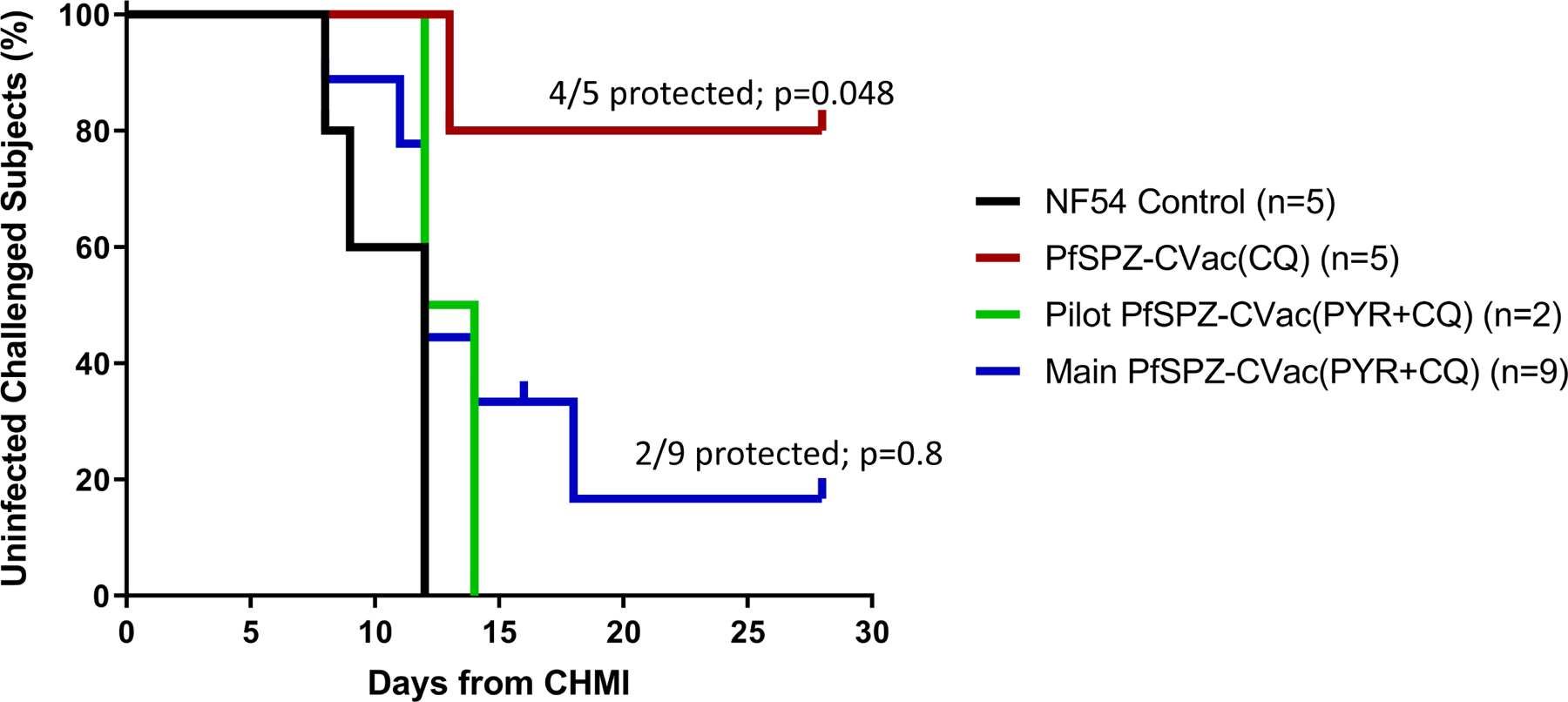
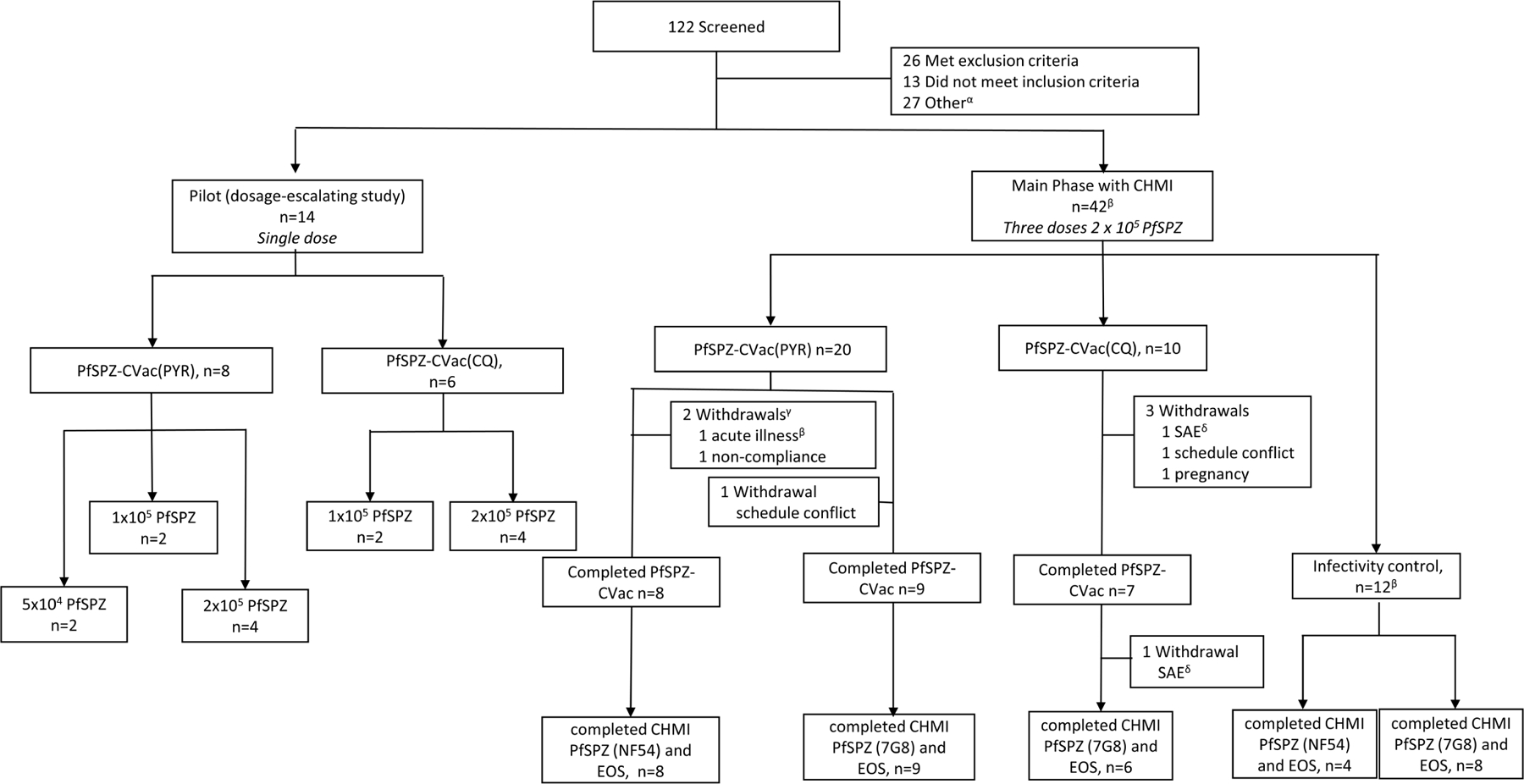
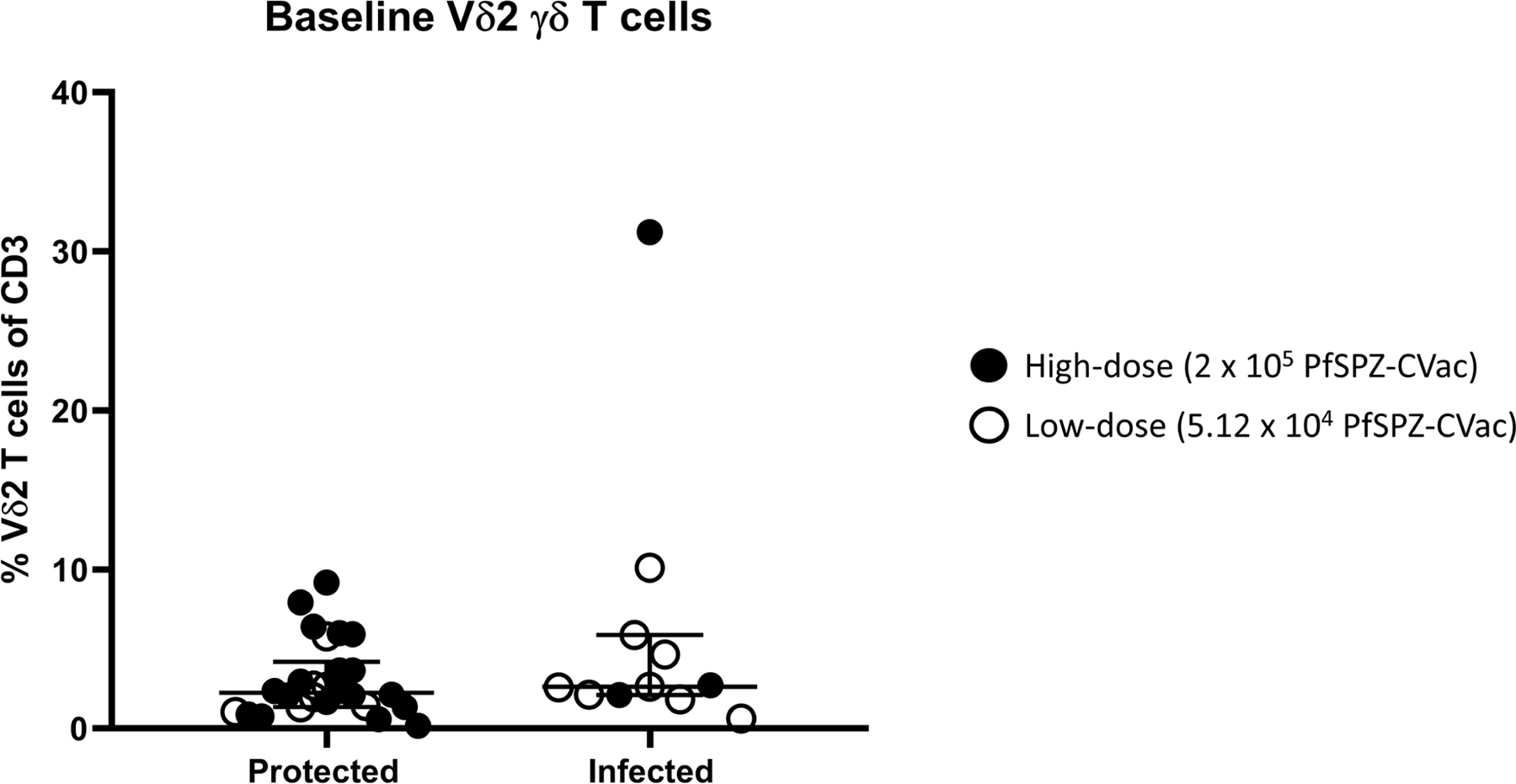
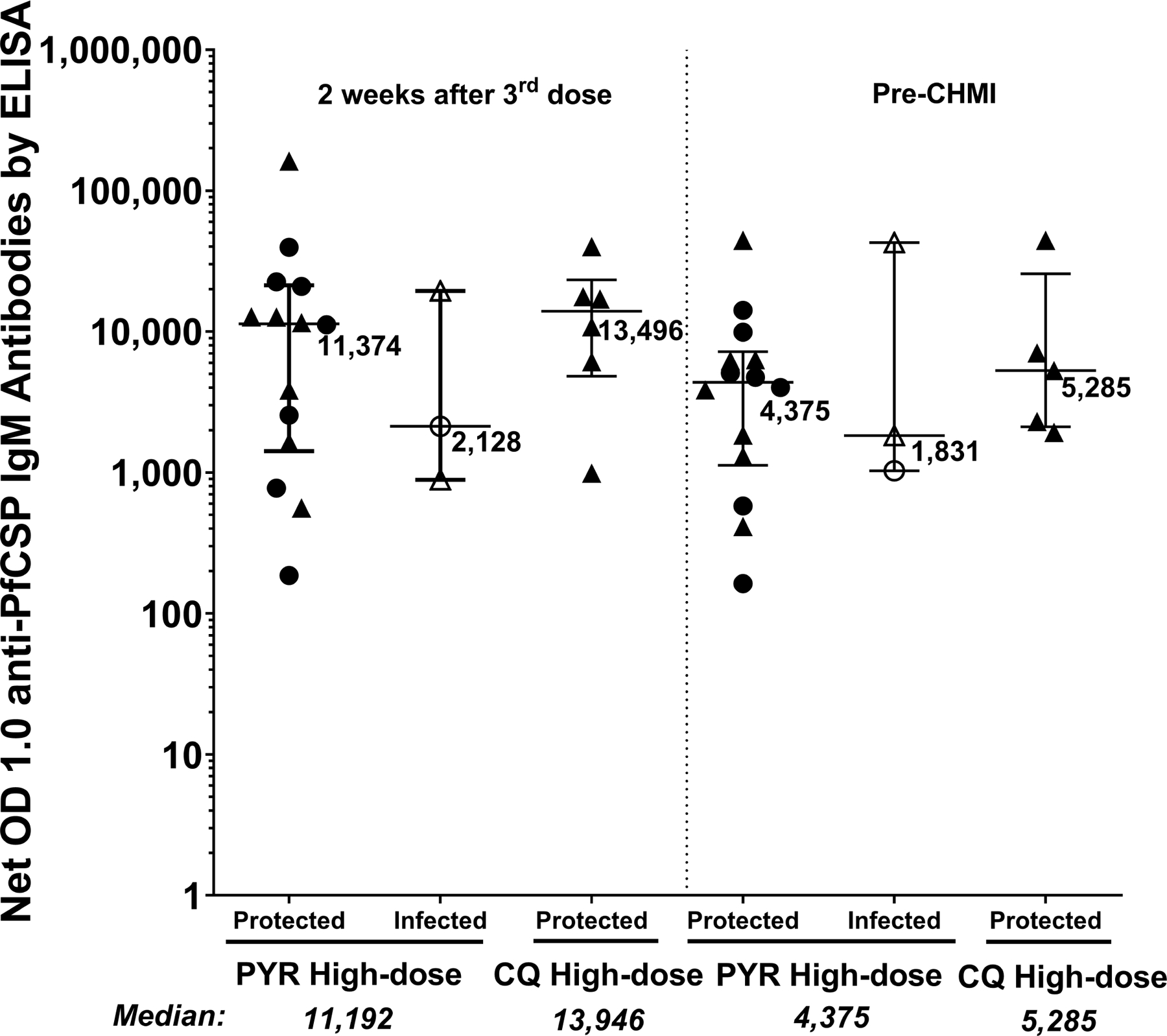
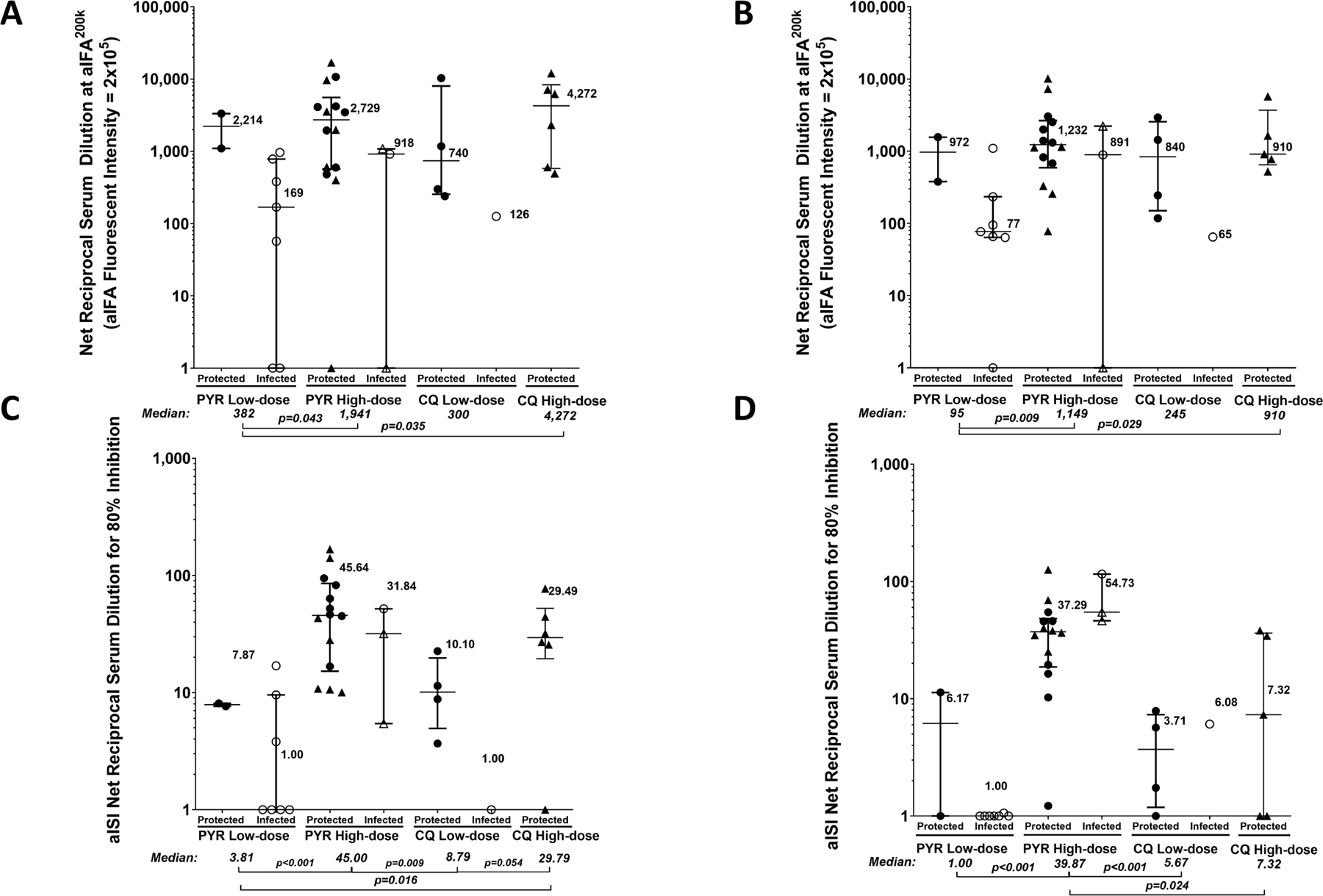
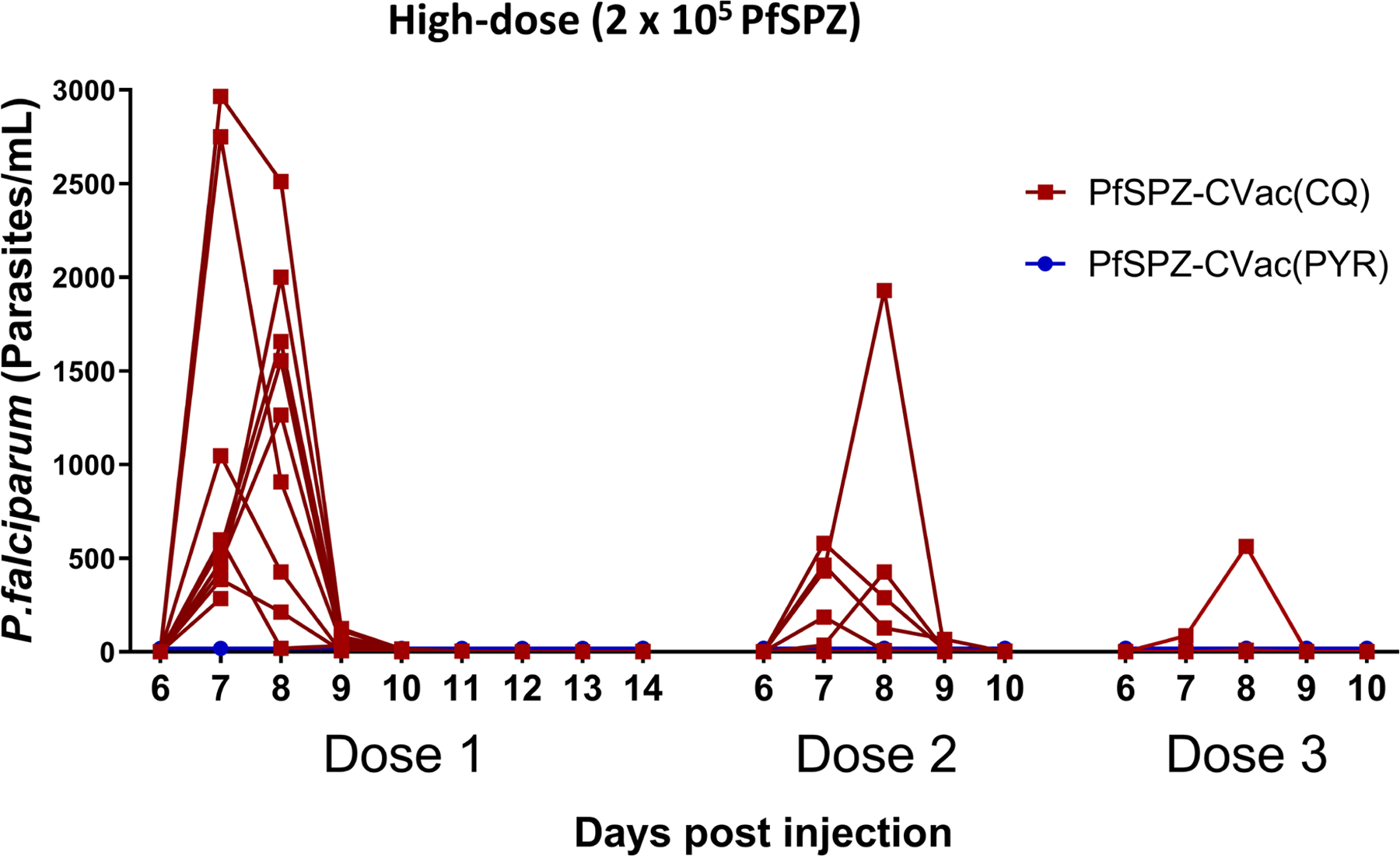
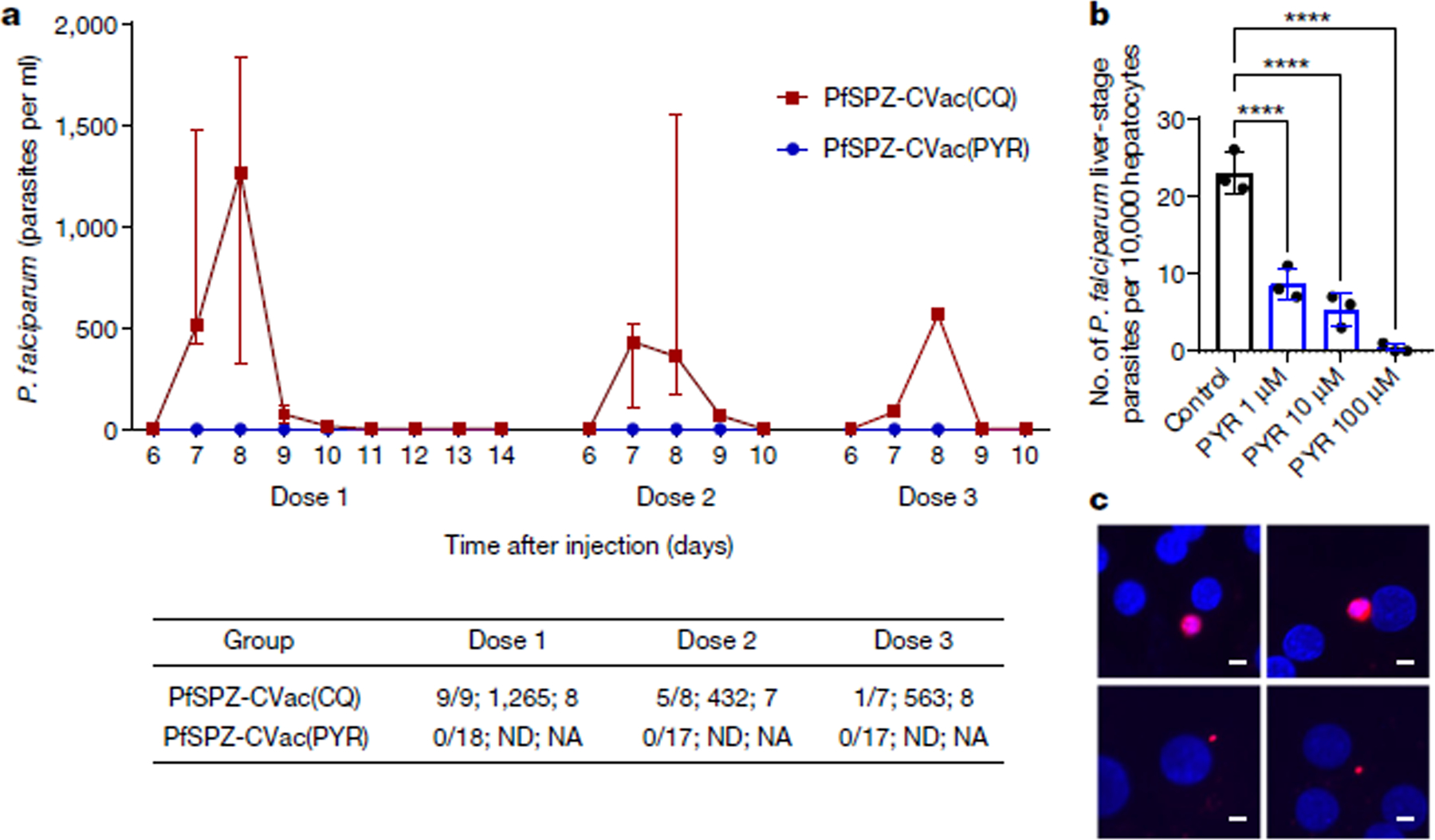
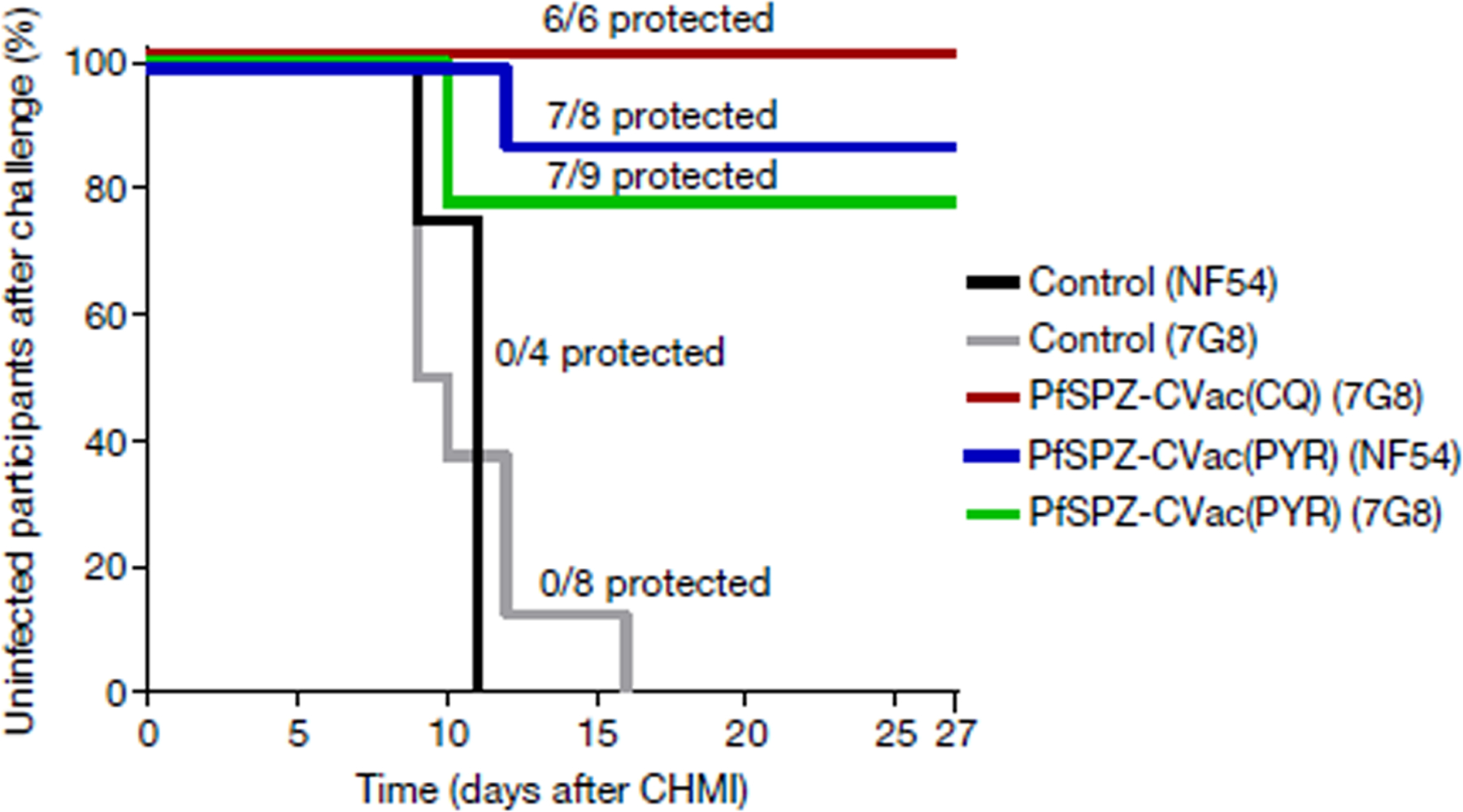
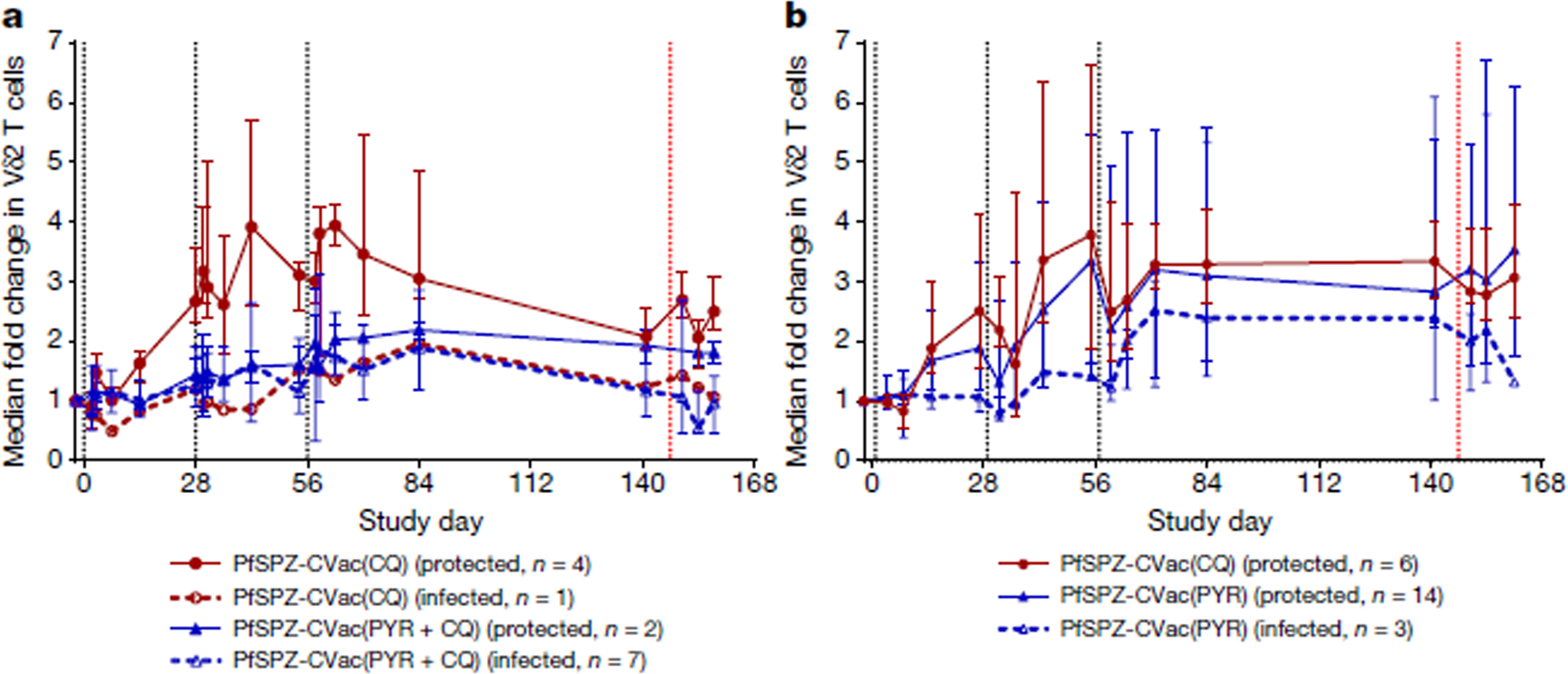
The global decline in malaria has stalled, emphasizing the need for vaccines that induce durable sterilizing immunity. Here we optimized regimens for chemoprophylaxis vaccination (CVac), for which aseptic, purified, cryopreserved, infectious Plasmodium falciparum sporozoites (PfSPZ) were inoculated under prophylactic cover with pyrimethamine (PYR) (Sanaria PfSPZ-CVac(PYR)) or chloroquine (CQ) (PfSPZ-CVac(CQ))-which kill liver-stage and blood-stage parasites, respectively-and we assessed vaccine efficacy against homologous (that is, the same strain as the vaccine) and heterologous (a different strain) controlled human malaria infection (CHMI) three months after immunization ( https://clinicaltrials.gov/ , NCT02511054 and NCT03083847). We report that a fourfold increase in the dose of PfSPZ-CVac(PYR) from 5.12 × 10 to 2 × 10 PfSPZs transformed a minimal vaccine efficacy (low dose, two out of nine (22.2%) participants protected against homologous CHMI), to a high-level vaccine efficacy with seven out of eight (87.5%) individuals protected against homologous and seven out of nine (77.8%) protected against heterologous CHMI. Increased protection was associated with Vδ2 γδ T cell and antibody responses. At the higher dose, PfSPZ-CVac(CQ) protected six out of six (100%) participants against heterologous CHMI three months after immunization. All homologous (four out of four) and heterologous (eight out of eight) infectivity control participants showed parasitaemia. PfSPZ-CVac(CQ) and PfSPZ-CVac(PYR) induced a durable, sterile vaccine efficacy against a heterologous South American strain of P. falciparum, which has a genome and predicted CD8 T cell immunome that differs more strongly from the African vaccine strain than other analysed African P. falciparum strains.
全球疟疾发病率下降趋势已陷入停滞,这凸显了研发能诱导持久杀菌免疫的疟疾疫苗的必要性。在这里,我们对化学预防接种(CVac)方案进行了优化,采用经无菌、纯化、冷冻保存的感染性恶性疟原虫(Plasmodium falciparum)孢子(PfSPZ),并用乙胺嘧啶(PYR)(Sanaria PfSPZ-CVac(PYR))或氯喹(CQ)(PfSPZ-CVac(CQ))进行预防性覆盖接种。前者可杀灭肝期寄生虫,后者可杀灭血期寄生虫。我们评估了该疫苗对同源(即与疫苗株相同)和异源(不同株)控制的人体疟疾感染(CHMI)的三个月后免疫效力( https://clinicaltrials.gov/ ,NCT02511054 和 NCT03083847)。我们报告称,PfSPZ-CVac(PYR)剂量增加四倍(从 5.12×10 到 2×10 PfSPZ)可将最低疫苗效力(低剂量,9 名参与者中有 2 名(22.2%)可免受同源 CHMI 感染)转变为高水平疫苗效力,即 8 名参与者中有 7 名(87.5%)可免受同源 CHMI 感染,9 名参与者中有 7 名(77.8%)可免受异源 CHMI 感染。更高的保护率与 Vδ2 γδ T 细胞和抗体反应相关。在高剂量时,PfSPZ-CVac(CQ)可在免疫后三个月内保护 6 名参与者免受异源 CHMI 感染(100%)。所有同源(4 名参与者中的 4 名)和异源(8 名参与者中的 8 名)感染性对照参与者均出现寄生虫血症。PfSPZ-CVac(CQ)和 PfSPZ-CVac(PYR)诱导了对一种来自南美洲的恶性疟原虫的持久、无菌疫苗效力,该效力具有与非洲疫苗株差异更大的基因组和预测 CD8 T 细胞免疫组,比其他分析的非洲恶性疟原虫株差异更大。