Sommermeyer D, Hill T, Shamah S M, Salter A I, Chen Y, Mohler K M, Riddell S R
Fred Hutchinson Cancer Research Center, Clinical Research Division, Program in Immunology, Seattle, WA, USA.
Juno Therapeutics, Inc., Seattle, WA, USA.
Leukemia. 2017 Oct;31(10):2191-2199. doi: 10.1038/leu.2017.57. Epub 2017 Feb 16.
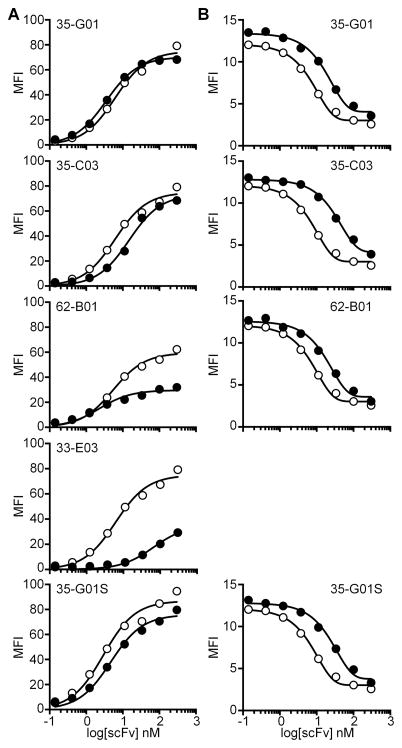
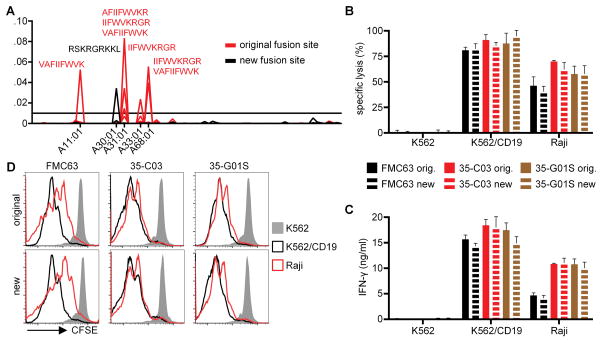
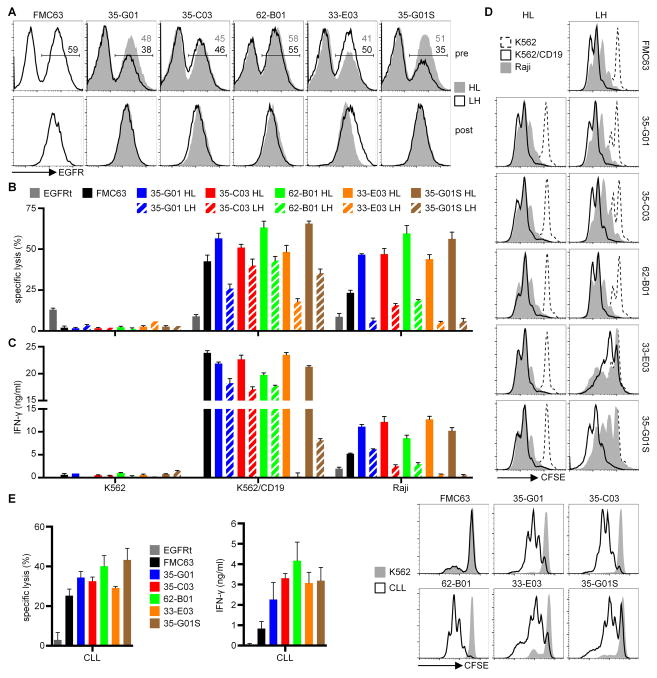
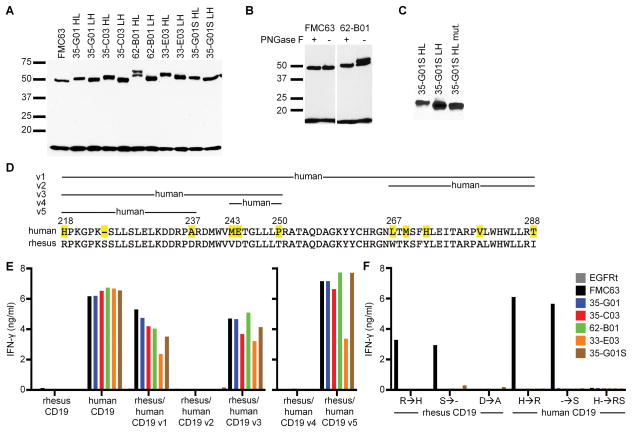
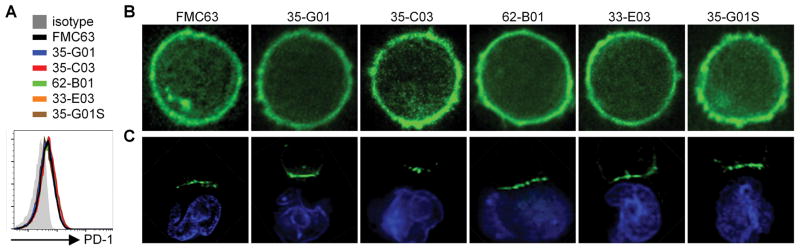
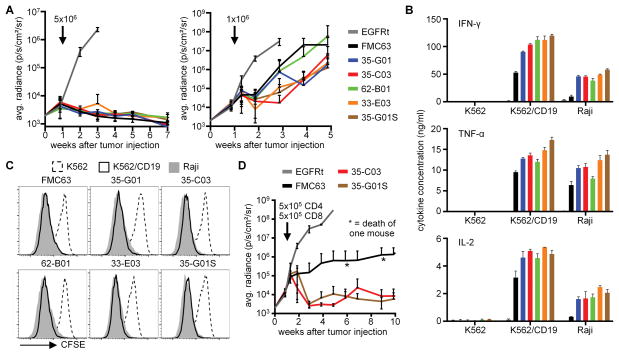
Impressive results have been achieved by adoptively transferring T-cells expressing CD19-specific CARs with binding domains from murine mAbs to treat B-cell malignancies. T-cell mediated immune responses specific for peptides from the murine scFv antigen-binding domain of the CAR can develop in patients and result in premature elimination of CAR T-cells increasing the risk of tumor relapse. As fully human scFv might reduce immunogenicity, we generated CD19-specific human scFvs with similar binding characteristics as the murine FMC63-derived scFv using human Ab/DNA libraries. CARs were constructed in various formats from several scFvs and used to transduce primary human T-cells. The resulting CD19-CAR T-cells were specifically activated by CD19-positive tumor cell lines and primary chronic lymphocytic leukemia cells, and eliminated human lymphoma xenografts in immunodeficient mice. Certain fully human CAR constructs were superior to the FMC63-CAR, which is widely used in clinical trials. Imaging of cell surface distribution of the human CARs revealed no evidence of clustering without target cell engagement, and tonic signaling was not observed. To further reduce potential immunogenicity of the CARs, we also modified the fusion sites between different CAR components. The described fully human CARs for a validated clinical target may reduce immune rejection compared with murine-based CARs.
通过过继转移表达具有源自鼠单克隆抗体结合域的CD19特异性嵌合抗原受体(CAR)的T细胞来治疗B细胞恶性肿瘤,已取得了令人瞩目的成果。患者体内可能会产生针对CAR鼠源单链抗体片段(scFv)抗原结合域肽段的T细胞介导的免疫反应,导致CAR T细胞过早清除,增加肿瘤复发风险。由于全人源scFv可能会降低免疫原性,我们利用人抗体/DNA文库生成了具有与鼠源FMC63衍生scFv相似结合特性的CD19特异性人源scFv。从几种scFv构建了多种形式的CAR,并用于转导原代人T细胞。所得的CD19-CAR T细胞被CD19阳性肿瘤细胞系和原发性慢性淋巴细胞白血病细胞特异性激活,并在免疫缺陷小鼠中消除了人淋巴瘤异种移植物。某些全人源CAR构建体优于广泛用于临床试验的FMC63-CAR。对人源CAR细胞表面分布的成像显示,在没有靶细胞参与的情况下没有聚集迹象,也未观察到张力信号。为了进一步降低CAR的潜在免疫原性,我们还对不同CAR组件之间的融合位点进行了修饰。与基于鼠源的CAR相比,所述针对已验证临床靶点的全人源CAR可能会降低免疫排斥反应。