Electronics Design Laboratory (EDL), Istituto Italiano di Tecnologia, Via Melen 83b, 16152 Genova (GE), Italy.
Department of Electronics and Telecommunications, Politecnico di Torino, C.so Duca degli Abruzzi 24, 10129 Torino, Italy.
Biosensors (Basel). 2017 Feb 15;7(1):9. doi: 10.3390/bios7010009.
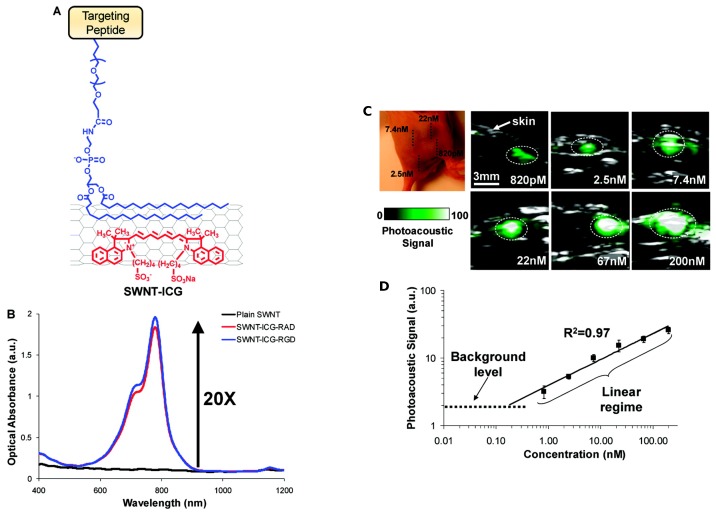
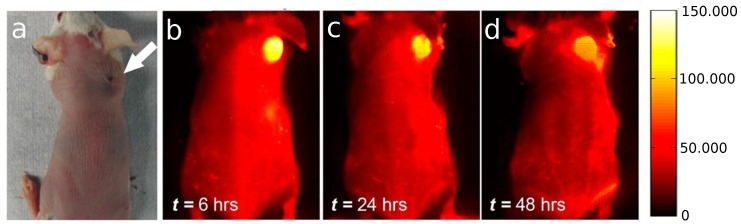
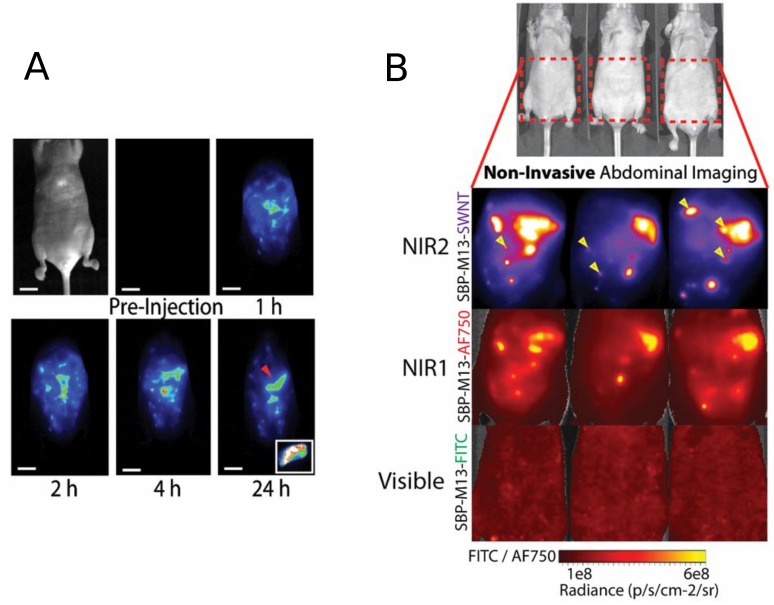
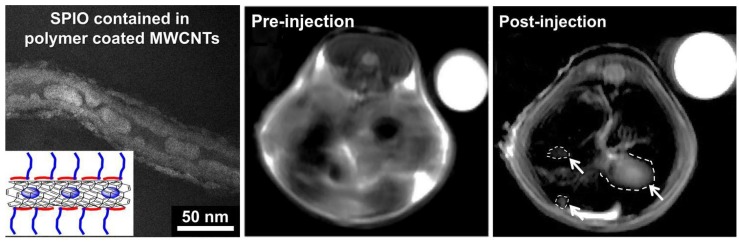
Despite the current progresses of modern medicine, the resistance of malignant tumors to present medical treatments points to the necessity of developing new therapeutic approaches. In recent years, numerous studies have focused their attention on the promising use of nanomaterials, like iron oxide nanowires, zinc oxide or mesoporous silica nanoparticles, for cancer and metastasis treatment with the advantage of operating directly at the bio-molecular scale. Among them, carbon nanotubes emerged as valid candidates not only for drug delivery, but also as a valuable tool in cancer imaging and physical ablation. Nevertheless, deep investigations about carbon nanotubes' potential bio-compatibility and cytotoxicity limits should be also critically addressed. In the present review, after introducing carbon nanotubes and their promising advantages and drawbacks for fighting cancer, we want to focus on the numerous and different ways in which they can assist to reach this goal. Specifically, we report on how they can be used not only for drug delivery purposes, but also as a powerful ally to develop effective contrast agents for tumors' medical or photodynamic imaging, to perform direct physical ablation of metastasis, as well as gene therapy.
尽管现代医学取得了目前的进展,但恶性肿瘤对现有医疗的耐药性表明需要开发新的治疗方法。近年来,许多研究都集中在纳米材料的有前途的用途上,如氧化铁纳米线、氧化锌或介孔硅纳米粒子,用于癌症和转移治疗,其优点是可以直接在生物分子尺度上操作。其中,碳纳米管不仅作为药物输送的有效候选物,而且作为癌症成像和物理消融的有价值工具出现。然而,还应该批判性地解决关于碳纳米管潜在生物相容性和细胞毒性限制的深入研究。在本综述中,在介绍了碳纳米管及其在抗癌方面的有希望的优势和缺点之后,我们希望专注于它们可以帮助实现这一目标的众多不同方式。具体来说,我们报告了它们不仅可以用于药物输送目的,还可以作为一种强大的盟友,开发用于肿瘤医学或光动力成像的有效对比剂,对转移进行直接的物理消融,以及基因治疗。