Gong Jing, Hu Meilin, Huang Zhaoyi, Fang Ke, Wang Dingkun, Chen Qingjie, Li Jingbin, Yang Desen, Zou Xin, Xu Lijun, Wang Kaifu, Dong Hui, Lu Fuer
Institute of Integrated Traditional Chinese and Western Medicine, Tongji Hospital, Tongji Medical College, Huazhong University of Science and Technology Wuhan, China.
Department of Integrated Traditional Chinese and Western Medicine, Tongji Hospital, Tongji Medical College, Huazhong University of Science and Technology Wuhan, China.
Front Pharmacol. 2017 Feb 3;8:42. doi: 10.3389/fphar.2017.00042. eCollection 2017.
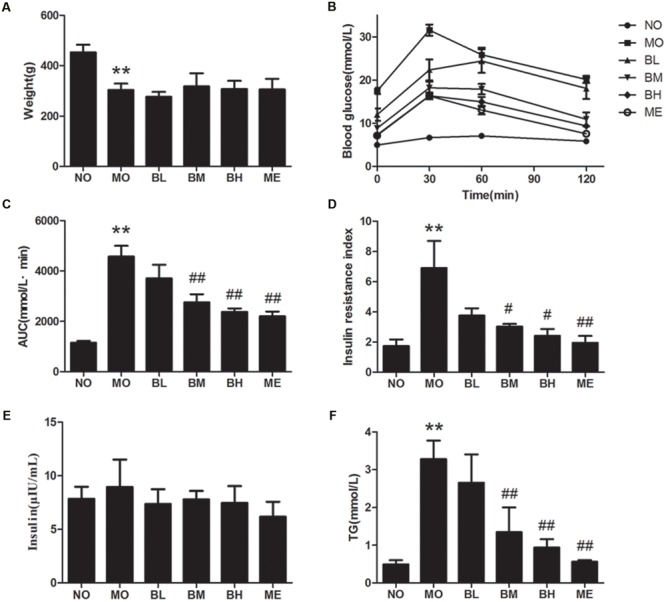
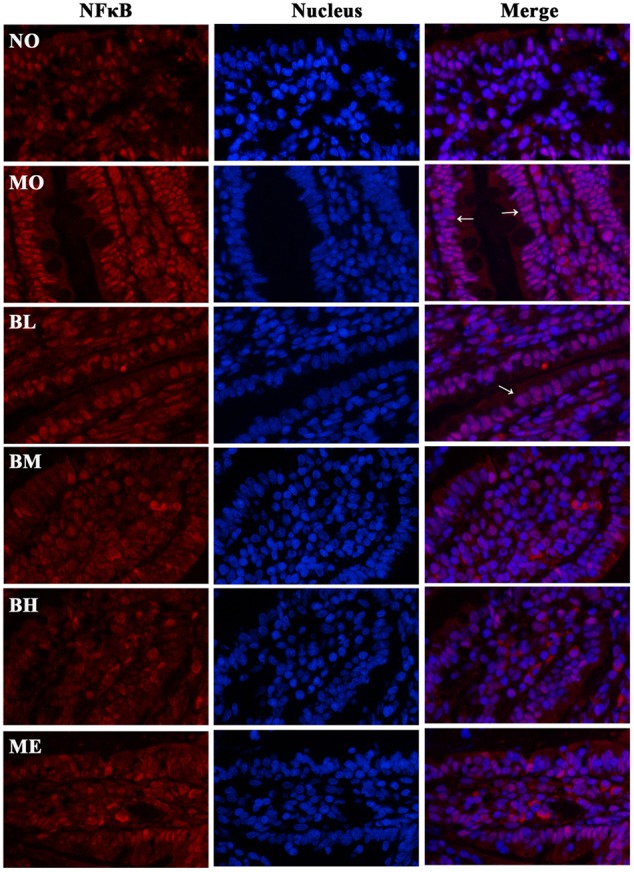
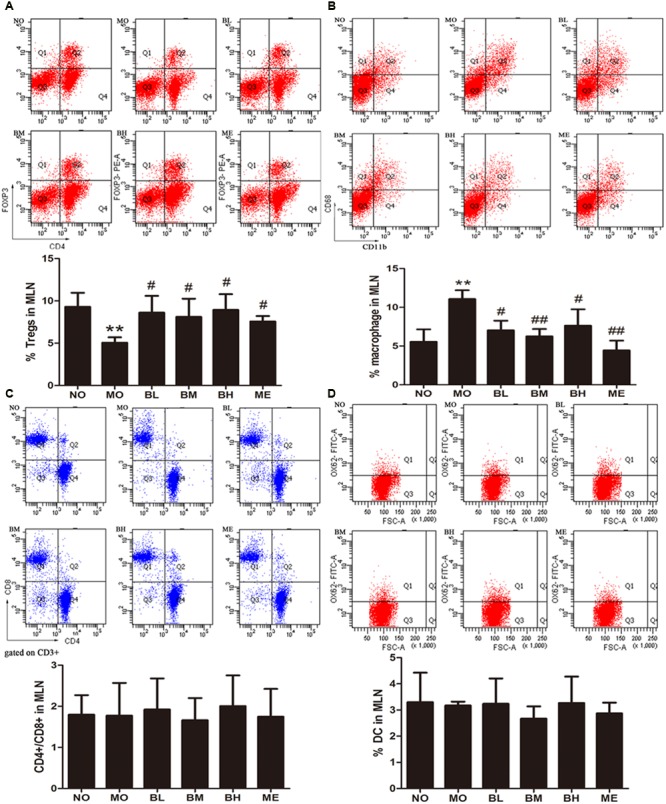
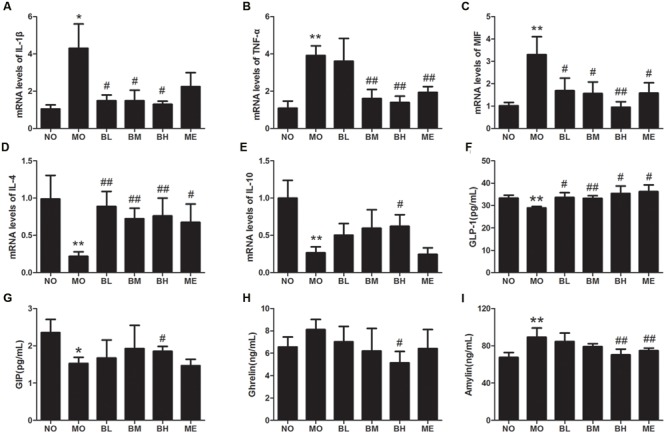
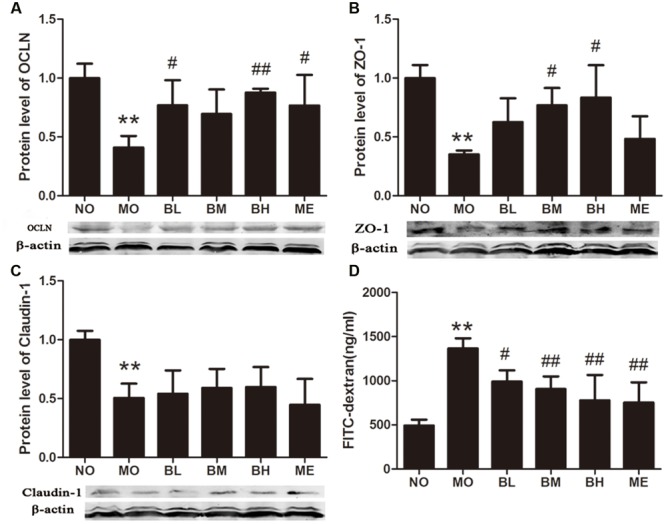
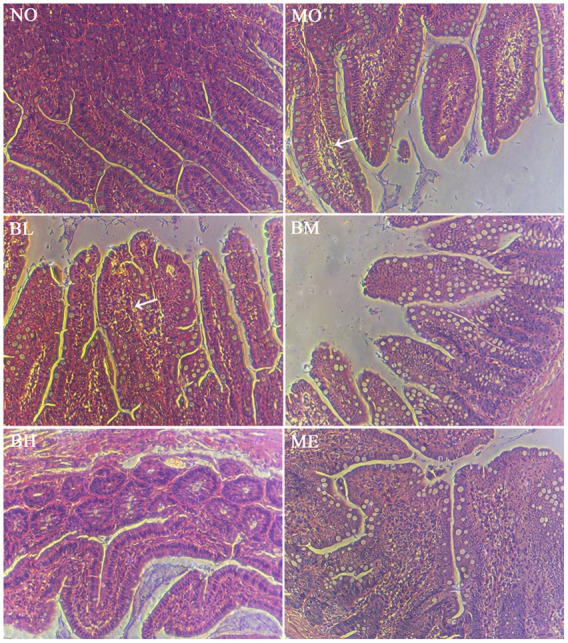
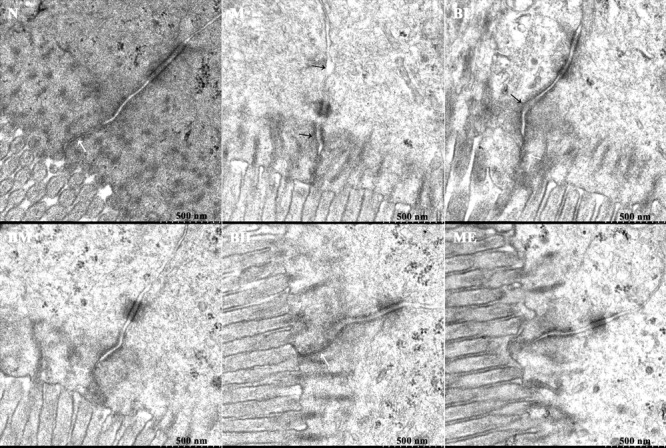
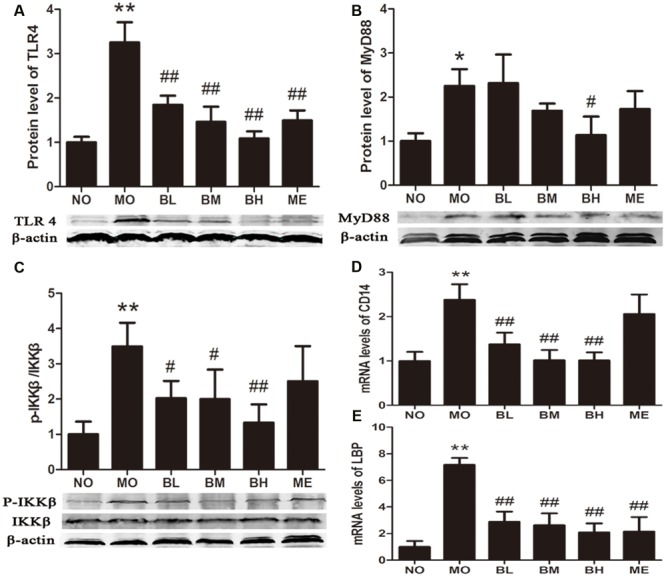
Intestinal mucosal barrier dysfunction plays an important role in the development of diabetes mellitus (DM). Berberine (BBR), a kind of isoquinoline alkaloid, is widely known to be effective for both DM and diarrhea. Here, we explored whether the anti-diabetic effect of BBR was related to the intestine mucosal barrier. The rat model of T2DM was established by high glucose and fat diet feeding and intravenous injection of streptozocin. Then, those diabetic rats were treated with BBR at different concentrations for 9 weeks. The results showed, in addition to hyperglycemia and hyperlipidemia, diabetic rats were also characterized by proinflammatory intestinal changes, altered gut-derived hormones, and 2.77-fold increase in intestinal permeability. However, the treatment with BBR significantly reversed the above changes in diabetic rats, presenting as the improvement of the high glucose and triglyceride levels, the relief of the inflammatory changes of intestinal immune system, and the attenuation of the intestinal barrier damage. BBR treatment at a high concentration also decreased the intestinal permeability by 27.5% in diabetic rats. Furthermore, BBR regulated the expressions of the molecules involved in TLR4/MyD88/NF-κB signaling pathways in intestinal tissue of diabetic rats. The hypoglycemic effects of BBR might be related to the improvement in gut-derived hormones and the attenuation of intestinal mucosal mechanic and immune barrier damages.
肠道黏膜屏障功能障碍在糖尿病(DM)的发生发展中起重要作用。黄连素(BBR)是一种异喹啉生物碱,其对糖尿病和腹泻均有疗效,这一点广为人知。在此,我们探究了BBR的抗糖尿病作用是否与肠道黏膜屏障有关。通过高糖高脂饮食喂养并静脉注射链脲佐菌素建立T2DM大鼠模型。然后,用不同浓度的BBR对这些糖尿病大鼠进行为期9周的治疗。结果显示,除高血糖和高血脂外,糖尿病大鼠还具有肠道促炎改变、肠道源性激素改变以及肠道通透性增加2.77倍的特征。然而,BBR治疗显著逆转了糖尿病大鼠的上述变化,表现为高血糖和甘油三酯水平的改善、肠道免疫系统炎症变化的缓解以及肠道屏障损伤的减轻。高浓度BBR治疗还使糖尿病大鼠的肠道通透性降低了27.5%。此外,BBR调节糖尿病大鼠肠道组织中TLR4/MyD88/NF-κB信号通路相关分子的表达。BBR的降血糖作用可能与肠道源性激素的改善以及肠道黏膜机械和免疫屏障损伤的减轻有关。