Kakaradov Boyko, Arsenio Janilyn, Widjaja Christella E, He Zhaoren, Aigner Stefan, Metz Patrick J, Yu Bingfei, Wehrens Ellen J, Lopez Justine, Kim Stephanie H, Zuniga Elina I, Goldrath Ananda W, Chang John T, Yeo Gene W
Department of Cellular and Molecular Medicine, University of California, San Diego, California, USA.
Department of Medicine, University of California, San Diego, California, USA.
Nat Immunol. 2017 Apr;18(4):422-432. doi: 10.1038/ni.3688. Epub 2017 Feb 20.
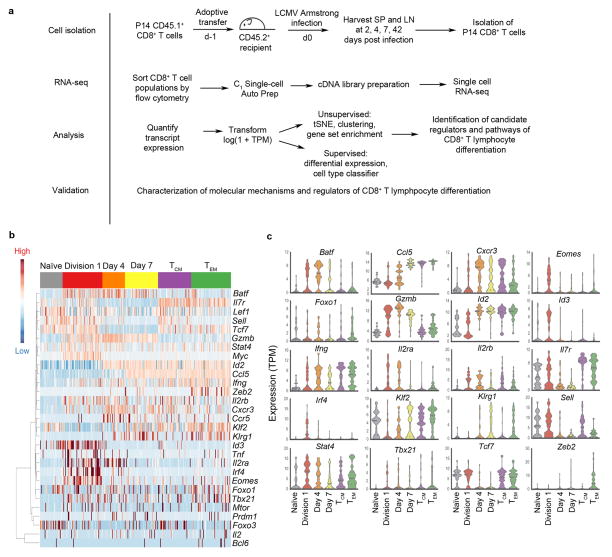
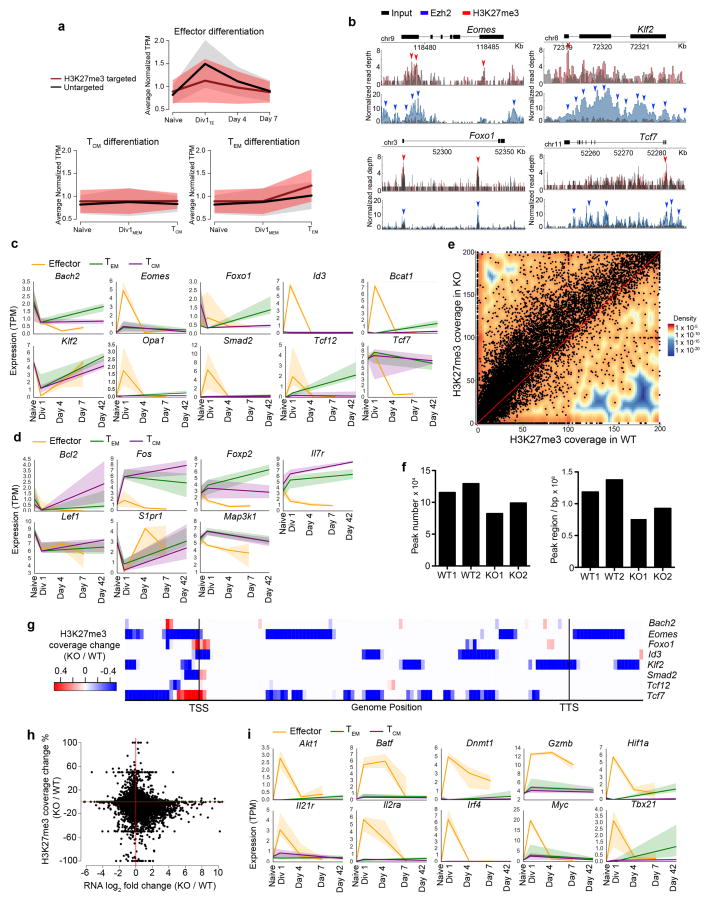
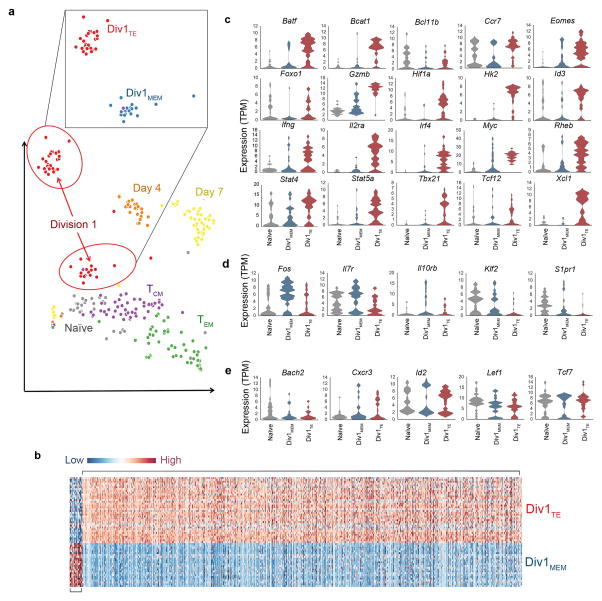
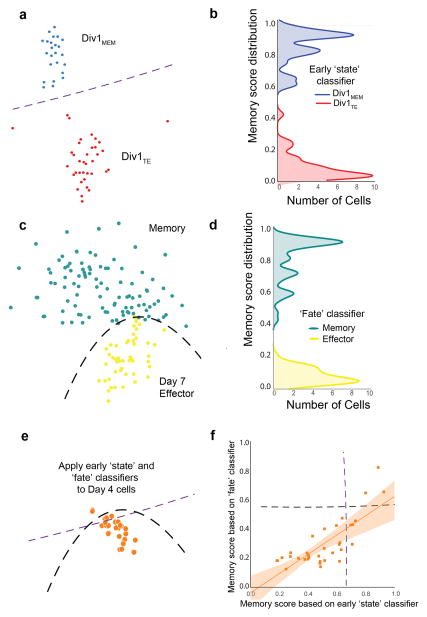
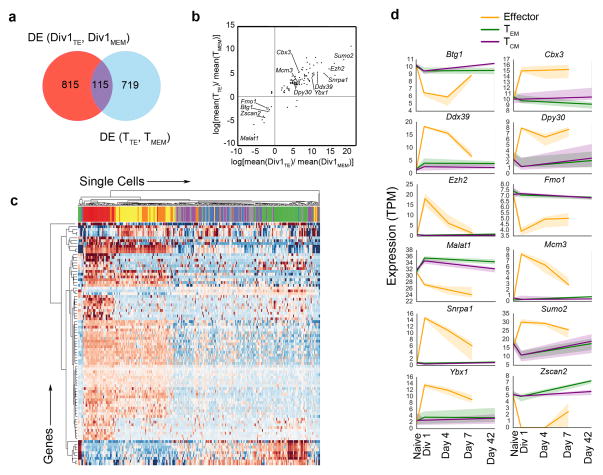
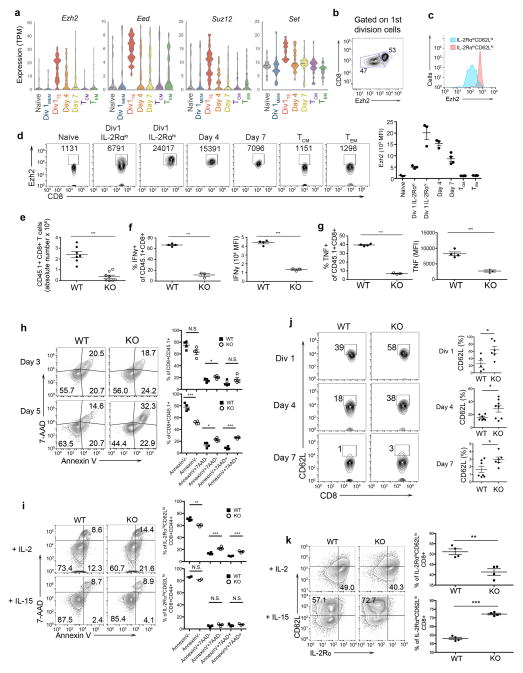
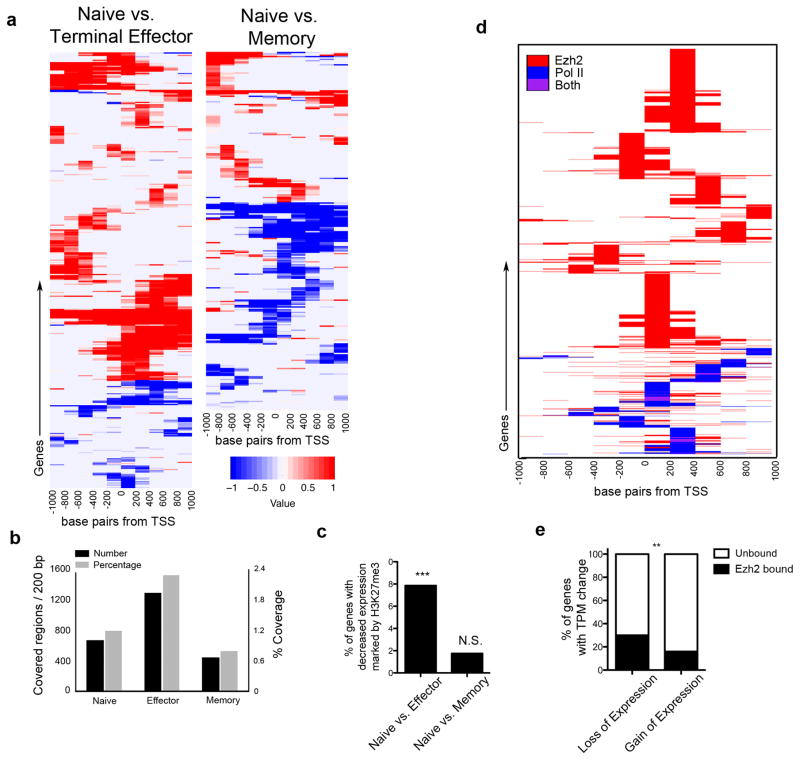
During microbial infection, responding CD8 T lymphocytes differentiate into heterogeneous subsets that together provide immediate and durable protection. To elucidate the dynamic transcriptional changes that underlie this process, we applied a single-cell RNA-sequencing approach and analyzed individual CD8 T lymphocytes sequentially throughout the course of a viral infection in vivo. Our analyses revealed a striking transcriptional divergence among cells that had undergone their first division and identified previously unknown molecular determinants that controlled the fate specification of CD8 T lymphocytes. Our findings suggest a model for the differentiation of terminal effector cells initiated by an early burst of transcriptional activity and subsequently refined by epigenetic silencing of transcripts associated with memory lymphocytes, which highlights the power and necessity of single-cell approaches.
在微生物感染期间,做出反应的CD8 T淋巴细胞分化为异质性亚群,共同提供即时和持久的保护。为了阐明这一过程背后的动态转录变化,我们应用了单细胞RNA测序方法,并在体内病毒感染过程中对单个CD8 T淋巴细胞进行了连续分析。我们的分析揭示了经历首次分裂的细胞之间存在显著的转录差异,并确定了控制CD8 T淋巴细胞命运决定的先前未知的分子决定因素。我们的研究结果提出了一个终末效应细胞分化的模型,该模型由转录活性的早期爆发启动,随后通过与记忆淋巴细胞相关转录本的表观遗传沉默进行优化,这突出了单细胞方法的强大功能和必要性。