Pollizzi Kristen N, Sun Im-Hong, Patel Chirag H, Lo Ying-Chun, Oh Min-Hee, Waickman Adam T, Tam Ada J, Blosser Richard L, Wen Jiayu, Delgoffe Greg M, Powell Jonathan D
Sidney-Kimmel Comprehensive Cancer Research Center, Department of Oncology, Johns Hopkins University School of Medicine, Baltimore, Maryland, USA.
Department of Immunology, University of Pittsburgh, Pittsburgh, Pennsylvania, USA.
Nat Immunol. 2016 Jun;17(6):704-11. doi: 10.1038/ni.3438. Epub 2016 Apr 11.
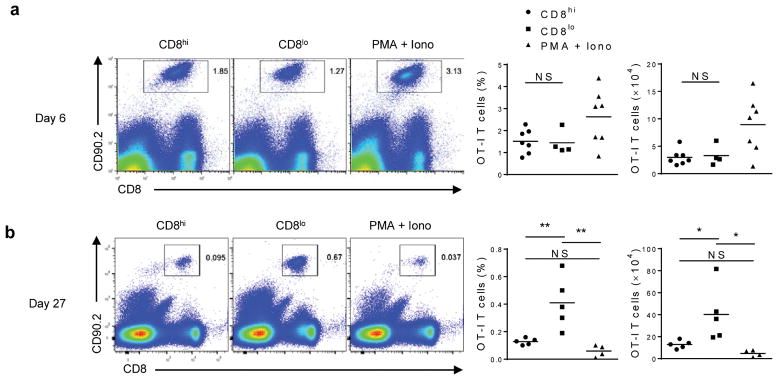
The asymmetric partitioning of fate-determining proteins has been shown to contribute to the generation of CD8(+) effector and memory T cell precursors. Here we demonstrate the asymmetric partitioning of mTORC1 activity after the activation of naive CD8(+) T cells. This results in the generation of two daughter T cells, one of which shows increased mTORC1 activity, increased glycolytic activity and increased expression of effector molecules. The other daughter T cell has relatively low mTORC1 activity and increased lipid metabolism, expresses increased amounts of anti-apoptotic molecules and subsequently displays enhanced long-term survival. Mechanistically, we demonstrate a link between T cell antigen receptor (TCR)-induced asymmetric expression of amino acid transporters and RagC-mediated translocation of mTOR to the lysosomes. Overall, our data provide important insight into how mTORC1-mediated metabolic reprogramming affects the fate decisions of T cells.
命运决定蛋白的不对称分配已被证明有助于CD8(+)效应和记忆T细胞前体的产生。在这里,我们展示了初始CD8(+) T细胞激活后mTORC1活性的不对称分配。这导致产生两个子代T细胞,其中一个显示mTORC1活性增加、糖酵解活性增加和效应分子表达增加。另一个子代T细胞的mTORC1活性相对较低,脂质代谢增加,抗凋亡分子表达增加,随后显示出增强的长期存活能力。从机制上讲,我们证明了T细胞抗原受体(TCR)诱导的氨基酸转运体不对称表达与RagC介导的mTOR向溶酶体的转位之间的联系。总体而言,我们的数据为mTORC1介导的代谢重编程如何影响T细胞的命运决定提供了重要见解。