Saluzzo Simona, Gorki Anna-Dorothea, Rana Batika M J, Martins Rui, Scanlon Seth, Starkl Philipp, Lakovits Karin, Hladik Anastasiya, Korosec Ana, Sharif Omar, Warszawska Joanna M, Jolin Helen, Mesteri Ildiko, McKenzie Andrew N J, Knapp Sylvia
CeMM Research Center for Molecular Medicine of the Austrian Academy of Sciences, Vienna 1090, Austria; Department of Medicine I, Laboratory of Infection Biology, Medical University of Vienna, Vienna 1090, Austria; MRC Laboratory of Molecular Biology, Francis Crick Avenue, Cambridge CB2 0QH, UK.
CeMM Research Center for Molecular Medicine of the Austrian Academy of Sciences, Vienna 1090, Austria; Department of Medicine I, Laboratory of Infection Biology, Medical University of Vienna, Vienna 1090, Austria.
Cell Rep. 2017 Feb 21;18(8):1893-1905. doi: 10.1016/j.celrep.2017.01.071.
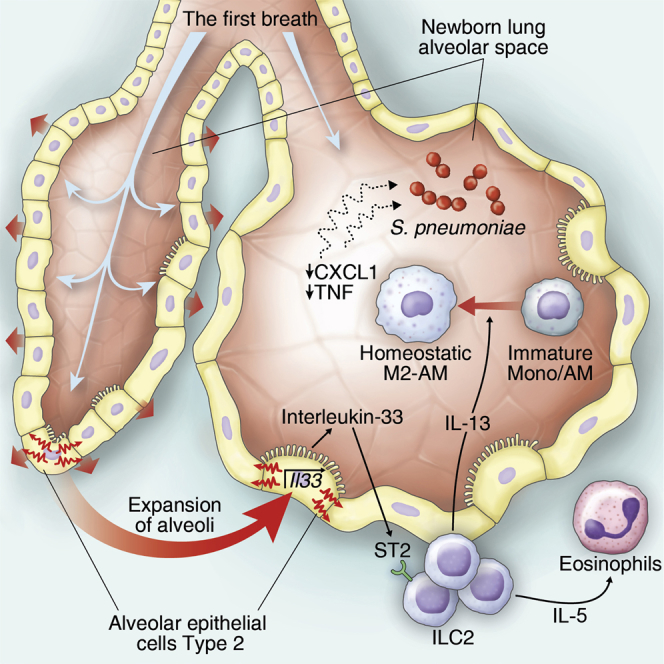
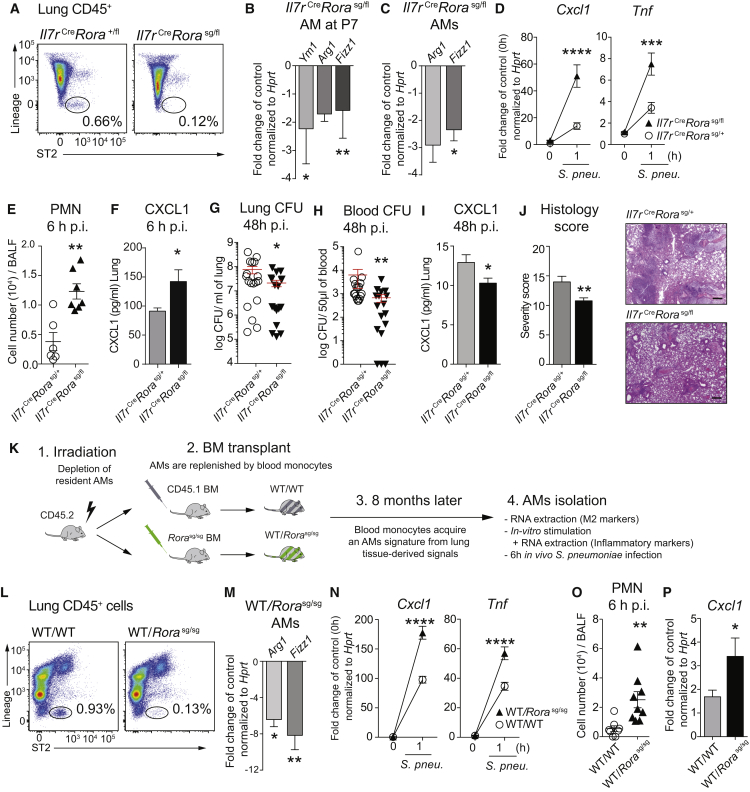
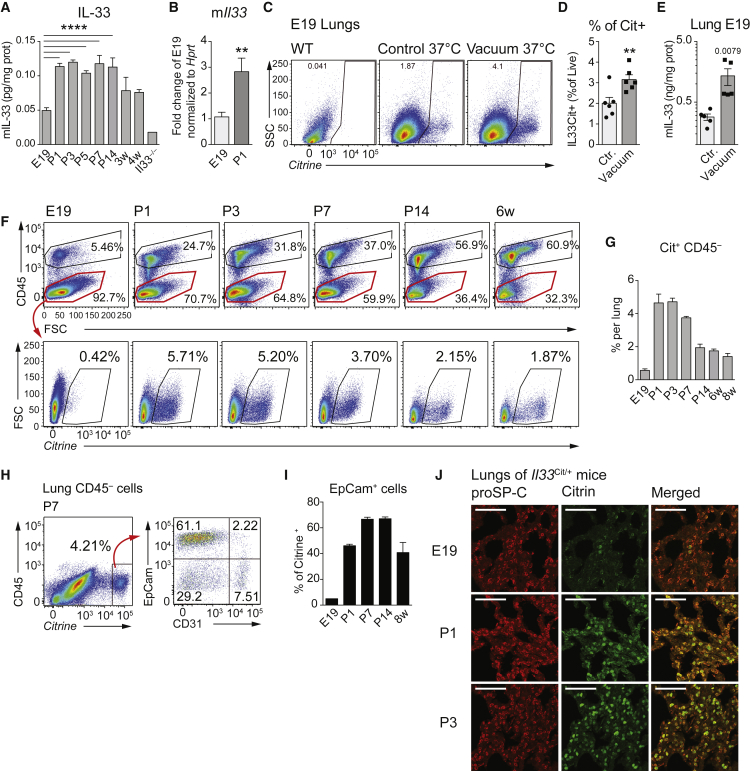
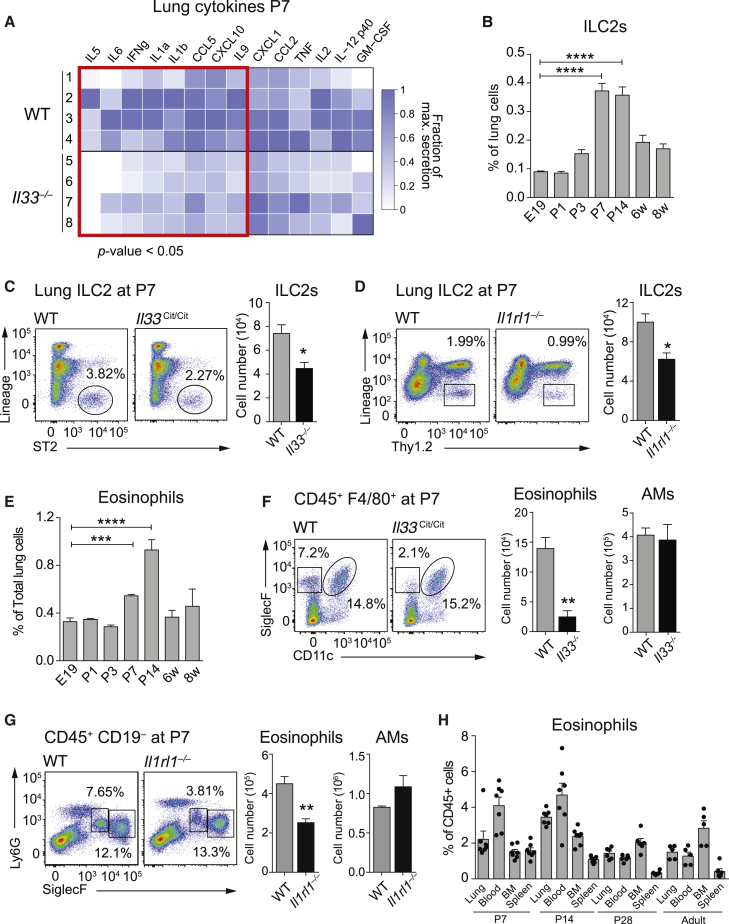
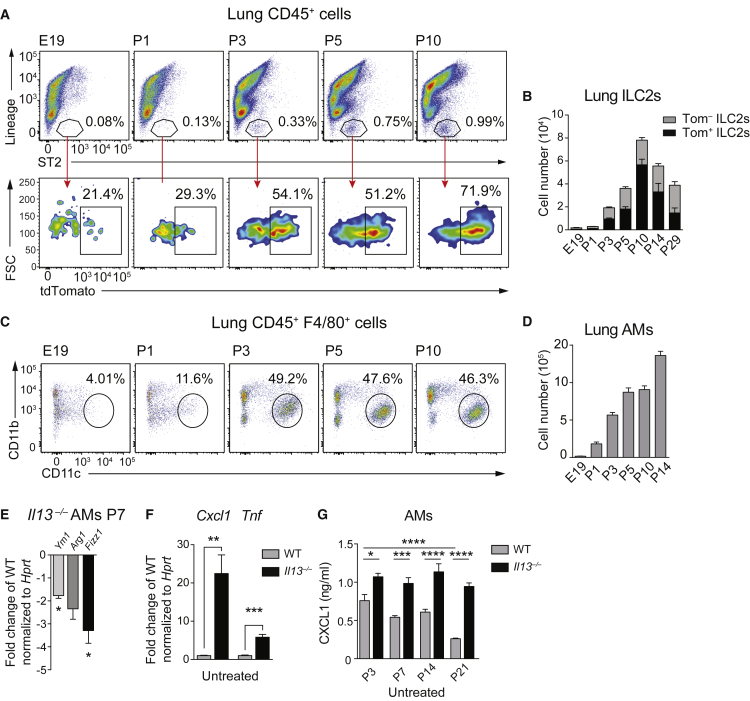
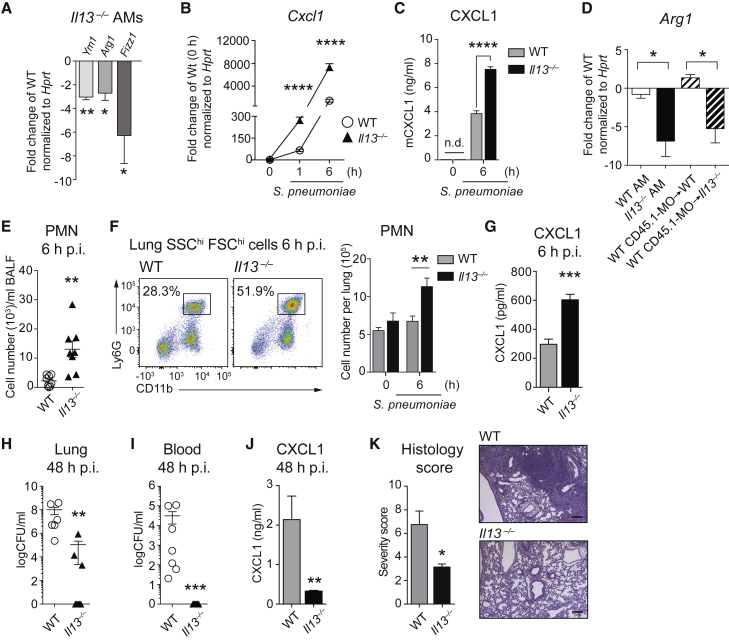
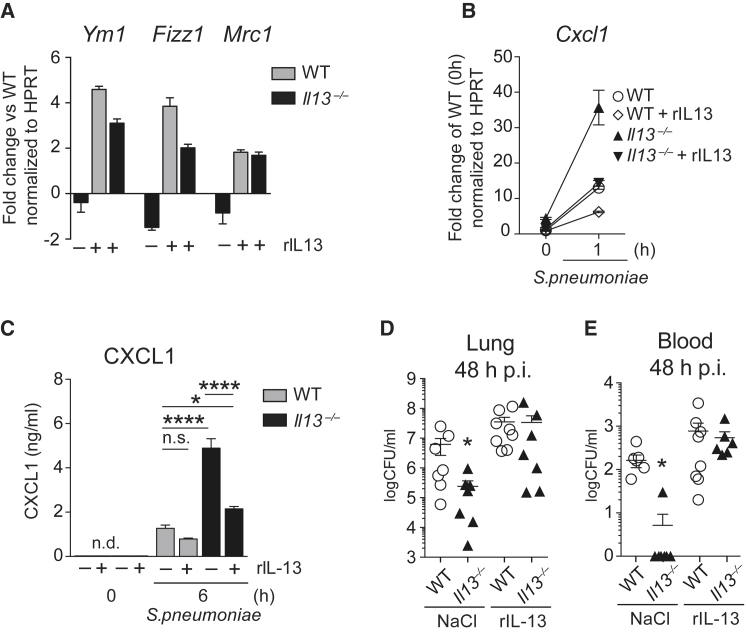
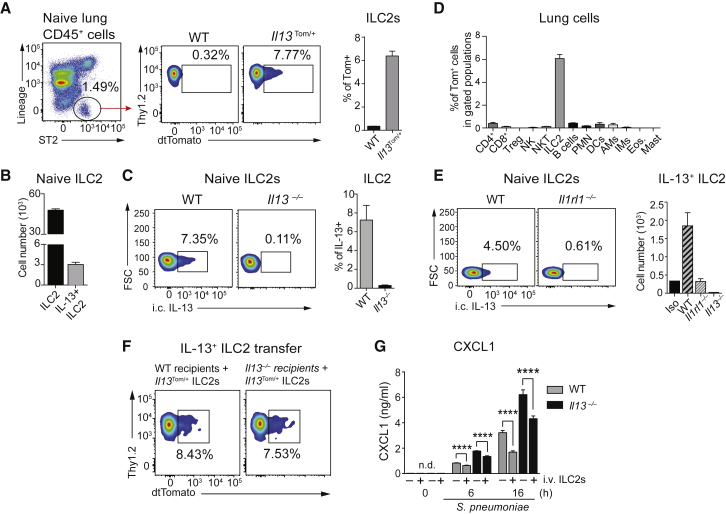
From birth onward, the lungs are exposed to the external environment and therefore harbor a complex immunological milieu to protect this organ from damage and infection. We investigated the homeostatic role of the epithelium-derived alarmin interleukin-33 (IL-33) in newborn mice and discovered the immediate upregulation of IL-33 from the first day of life, closely followed by a wave of IL-13-producing type 2 innate lymphoid cells (ILC2s), which coincided with the appearance of alveolar macrophages (AMs) and their early polarization to an IL-13-dependent anti-inflammatory M2 phenotype. ILC2s contributed to lung quiescence in homeostasis by polarizing tissue resident AMs and induced an M2 phenotype in transplanted macrophage progenitors. ILC2s continued to maintain the M2 AM phenotype during adult life at the cost of a delayed response to Streptococcus pneumoniae infection in mice. These data highlight the homeostatic role of ILC2s in setting the activation threshold in the lung and underline their implications in anti-bacterial defenses.
从出生起,肺部就暴露于外部环境中,因此拥有一个复杂的免疫环境以保护该器官免受损伤和感染。我们研究了上皮来源的警报素白细胞介素-33(IL-33)在新生小鼠中的稳态作用,发现从出生第一天起IL-33就立即上调,紧接着是一波产生IL-13的2型固有淋巴细胞(ILC2s),这与肺泡巨噬细胞(AMs)的出现及其早期向依赖IL-13的抗炎M2表型的极化相吻合。ILC2s通过使组织驻留的AMs极化,在稳态中促进肺的静止,并在移植的巨噬细胞祖细胞中诱导M2表型。在成年期,ILC2s继续维持M2 AM表型,但代价是小鼠对肺炎链球菌感染的反应延迟。这些数据突出了ILC2s在设定肺部激活阈值方面的稳态作用,并强调了它们在抗菌防御中的意义。