Manta Bruno, Gladyshev Vadim N
Brigham and Women's Hospital, Harvard Medical School, Boston, MA 02115, USA.
Brigham and Women's Hospital, Harvard Medical School, Boston, MA 02115, USA.
Free Radic Biol Med. 2017 Aug;109:141-155. doi: 10.1016/j.freeradbiomed.2017.02.010. Epub 2017 Feb 14.
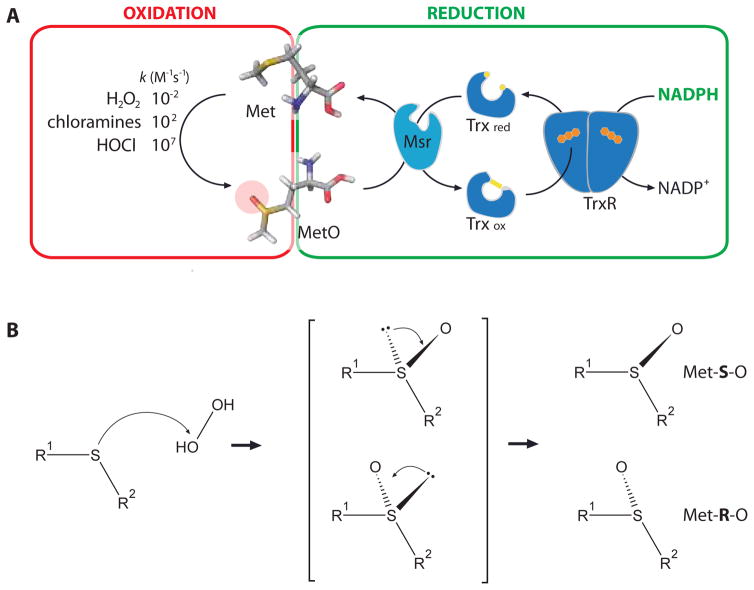
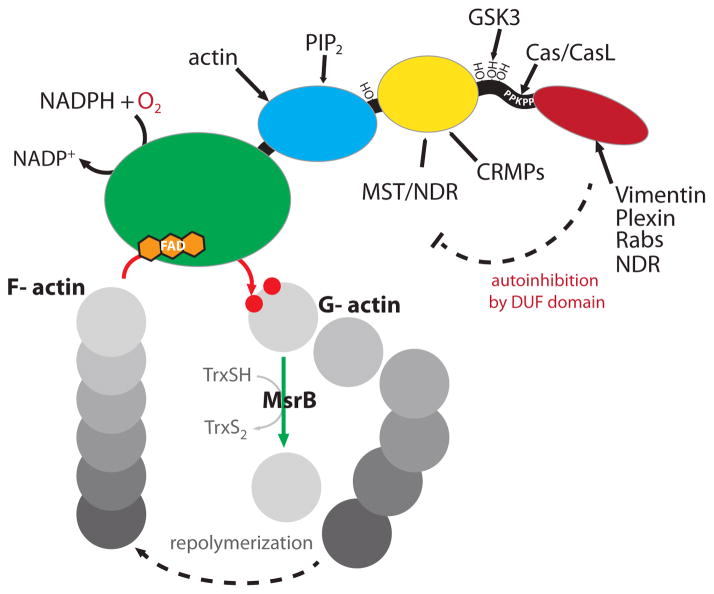
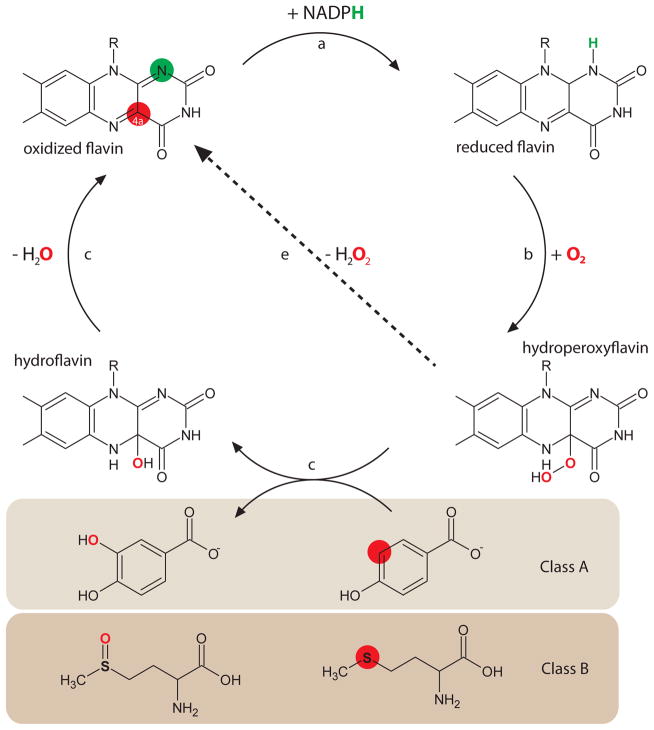
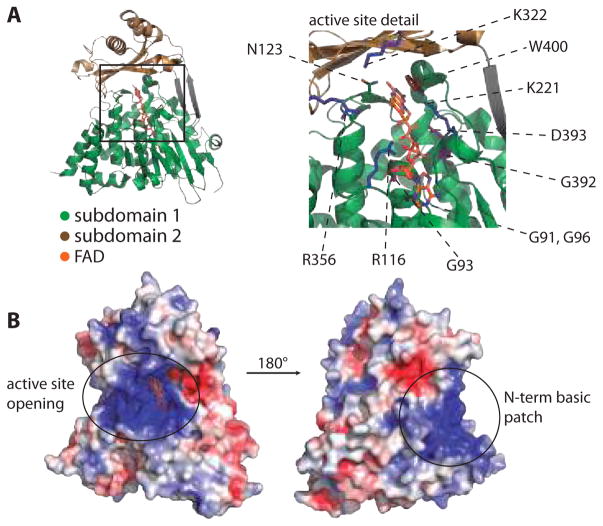
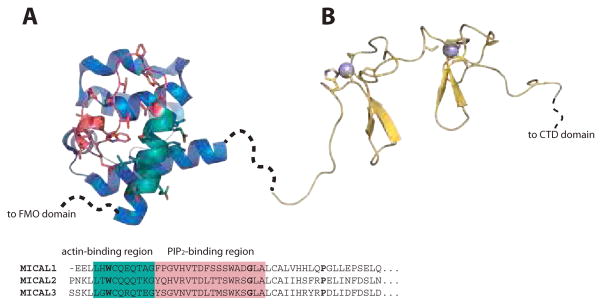
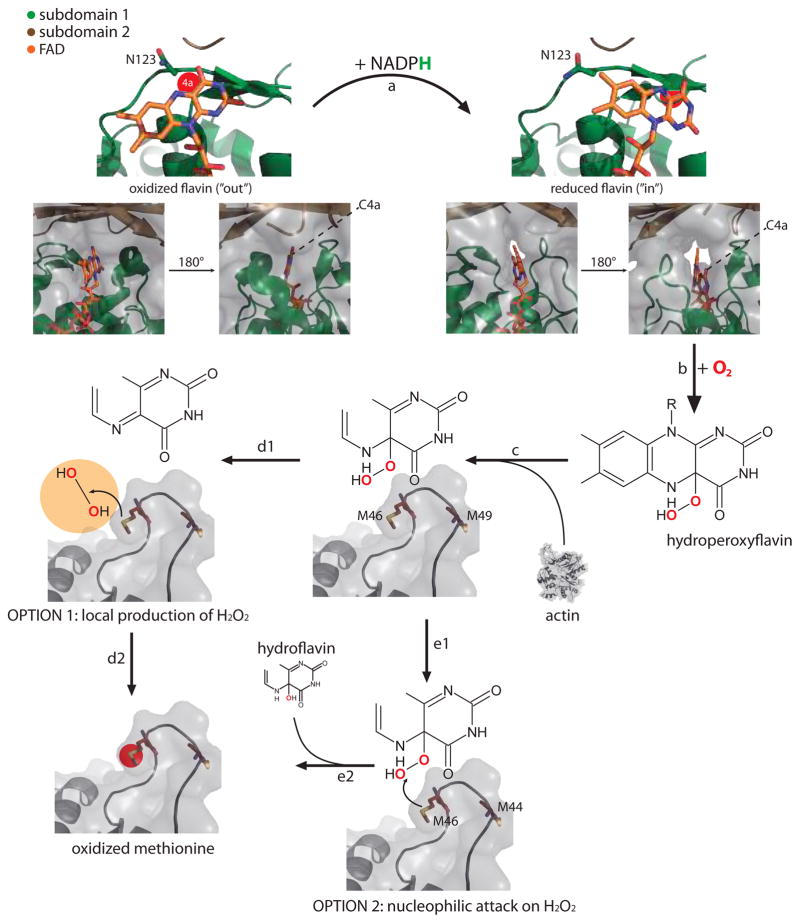
Protein function can be regulated via post-translational modifications by numerous enzymatic and non-enzymatic mechanisms, including oxidation of cysteine and methionine residues. Redox-dependent regulatory mechanisms have been identified for nearly every cellular process, but the major paradigm has been that cellular components are oxidized (damaged) by reactive oxygen species (ROS) in a relatively unspecific way, and then reduced (repaired) by designated reductases. While this scheme may work with cysteine, it cannot be ascribed to other residues, such as methionine, whose reaction with ROS is too slow to be biologically relevant. However, methionine is clearly oxidized in vivo and enzymes for its stereoselective reduction are present in all three domains of life. Here, we revisit the chemistry and biology of methionine oxidation, with emphasis on its generation by enzymes from the monooxygenase family. Particular attention is placed on MICALs, a recently discovered family of proteins that harbor an unusual flavin-monooxygenase domain with an NADPH-dependent methionine sulfoxidase activity. Based on structural and kinetic information we provide a rational framework to explain MICAL mechanism, inhibition, and regulation. Methionine residues that are targeted by MICALs are reduced back by methionine sulfoxide reductases, suggesting that reversible methionine oxidation may be a general mechanism analogous to the regulation by phosphorylation by kinases/phosphatases. The identification of new enzymes that catalyze the oxidation of methionine will open a new area of research at the forefront of redox signaling.
蛋白质功能可通过多种酶促和非酶促机制进行翻译后修饰来调控,包括半胱氨酸和甲硫氨酸残基的氧化。几乎每个细胞过程都已发现氧化还原依赖性调控机制,但主要模式一直是细胞成分被活性氧(ROS)以相对非特异性的方式氧化(损伤),然后由特定的还原酶进行还原(修复)。虽然这种模式可能适用于半胱氨酸,但不能归因于其他残基,如甲硫氨酸,其与ROS的反应太慢,在生物学上不相关。然而,甲硫氨酸在体内显然会被氧化,并且其立体选择性还原酶存在于生命的所有三个域中。在这里,我们重新审视甲硫氨酸氧化的化学和生物学,重点是其由单加氧酶家族的酶产生的过程。特别关注MICALs,这是最近发现的一类蛋白质,它们具有一个不寻常的黄素单加氧酶结构域,具有依赖NADPH的甲硫氨酸亚砜氧化酶活性。基于结构和动力学信息,我们提供了一个合理的框架来解释MICALs的机制、抑制和调控。被MICALs靶向的甲硫氨酸残基会被甲硫氨酸亚砜还原酶还原回来,这表明可逆的甲硫氨酸氧化可能是一种类似于激酶/磷酸酶磷酸化调控的普遍机制。催化甲硫氨酸氧化的新酶的鉴定将开启氧化还原信号前沿的一个新研究领域。