Giordano Chiara, Zappalà Stefano, Kleiven Svein
Royal Institute of Technology KTH, School of Technology and Health, Hälsovägen 11C, 141 57, Huddinge, Sweden.
Biomech Model Mechanobiol. 2017 Aug;16(4):1269-1293. doi: 10.1007/s10237-017-0887-5. Epub 2017 Feb 23.
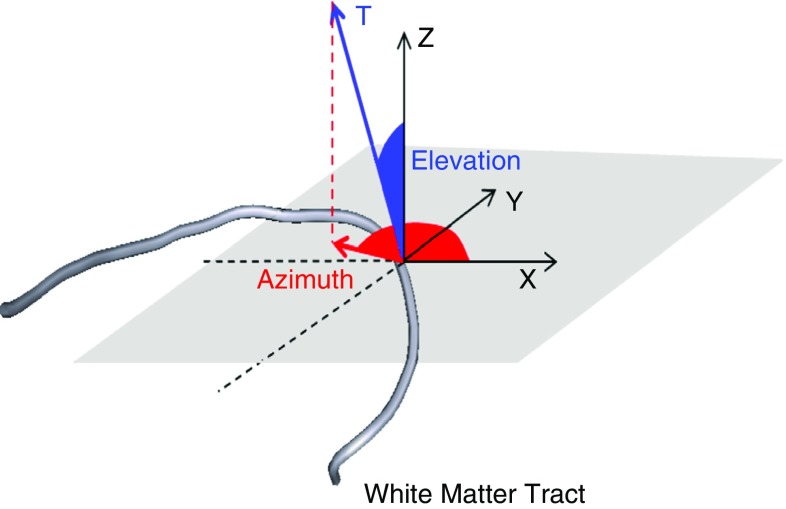
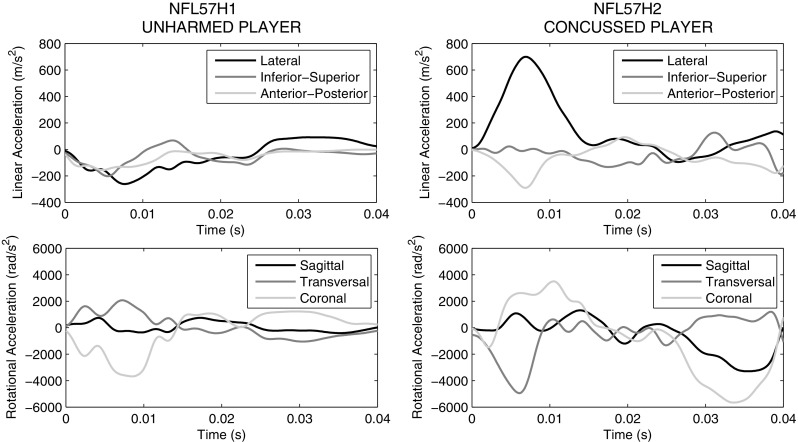
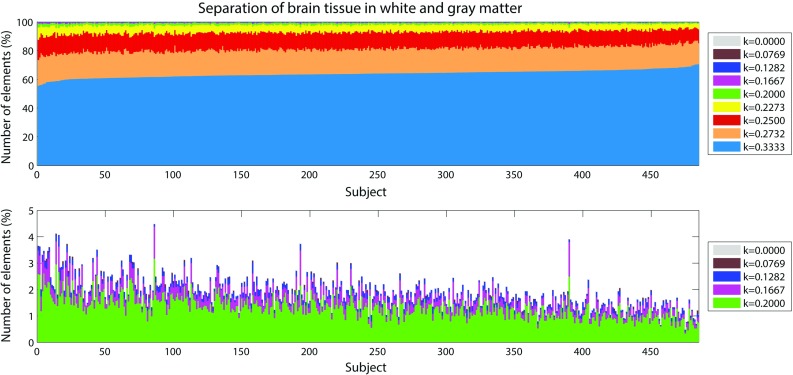
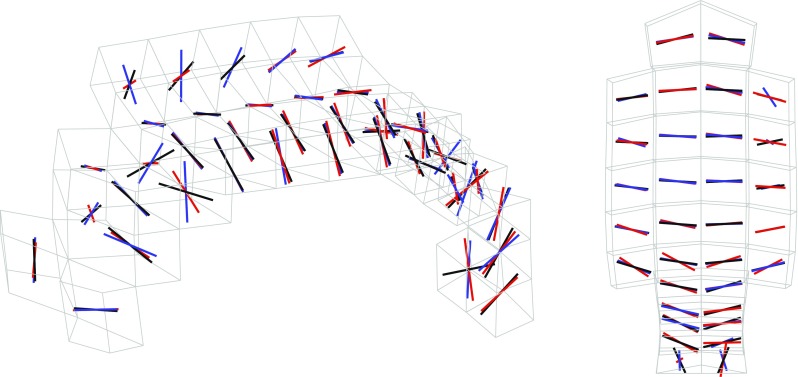
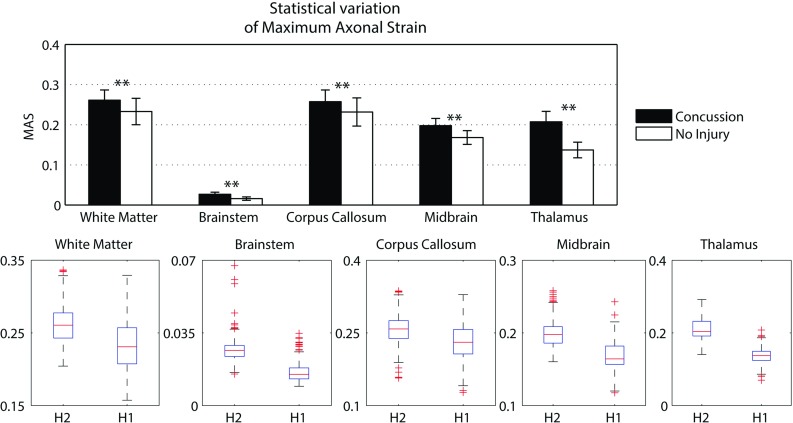
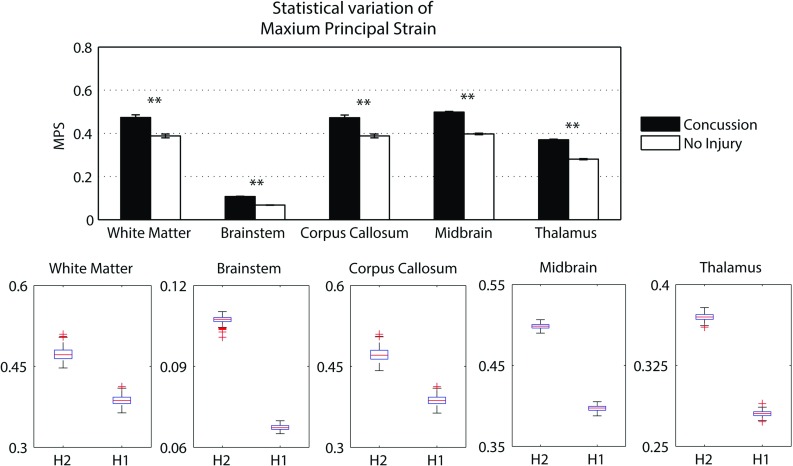
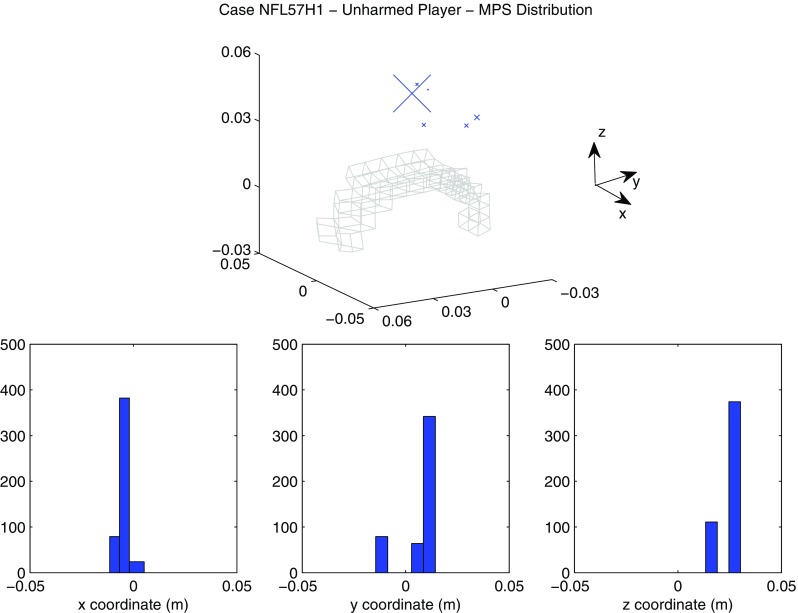
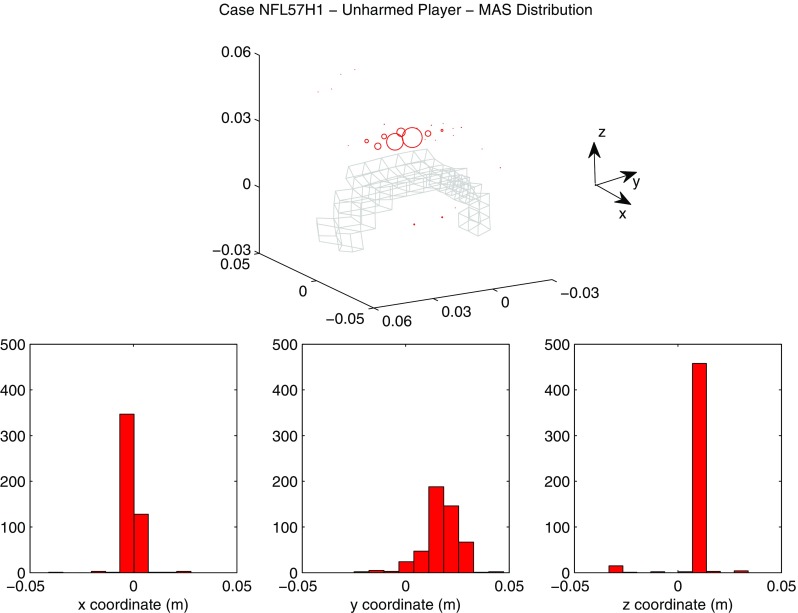
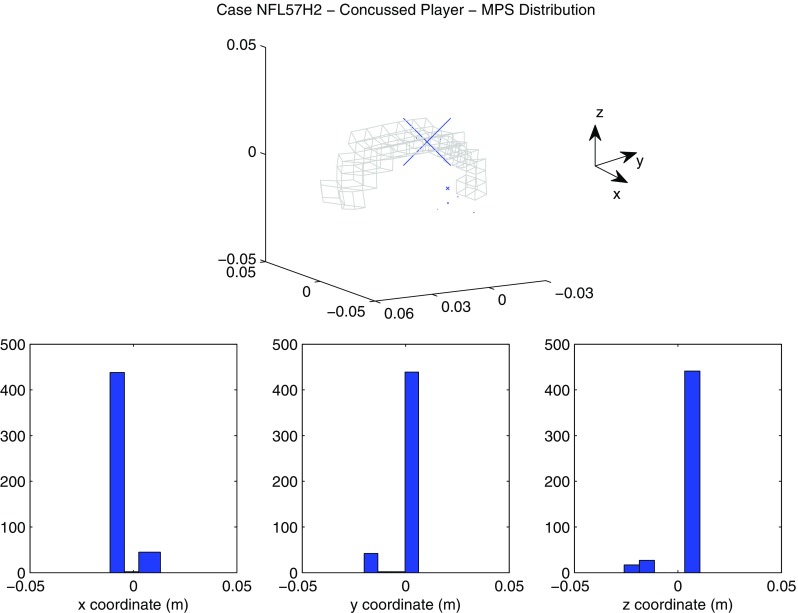
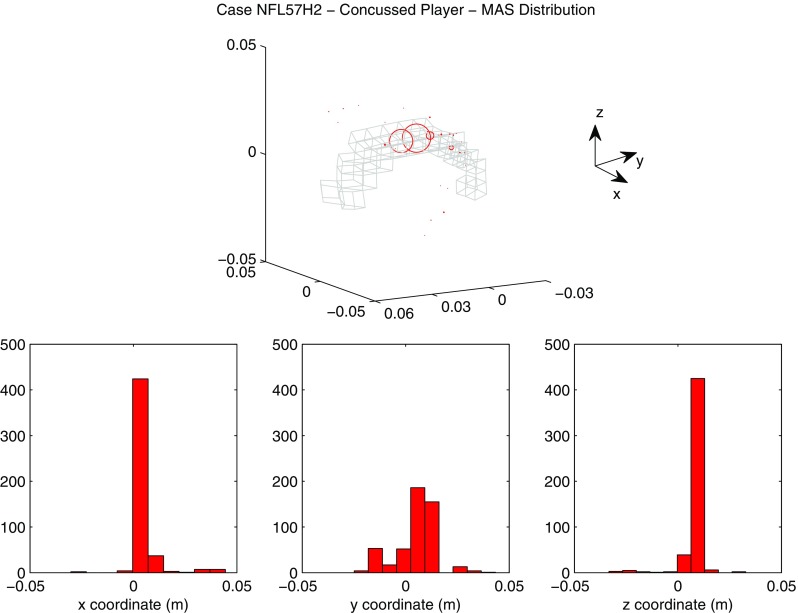
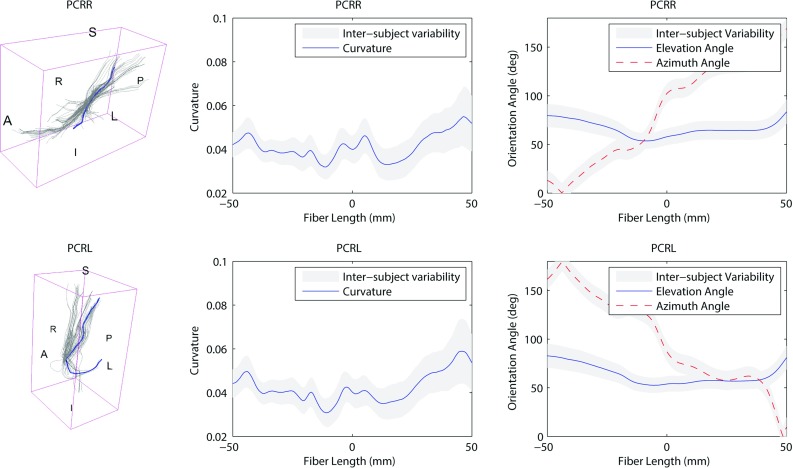
Computational models incorporating anisotropic features of brain tissue have become a valuable tool for studying the occurrence of traumatic brain injury. The tissue deformation in the direction of white matter tracts (axonal strain) was repeatedly shown to be an appropriate mechanical parameter to predict injury. However, when assessing the reliability of axonal strain to predict injury in a population, it is important to consider the predictor sensitivity to the biological inter-subject variability of the human brain. The present study investigated the axonal strain response of 485 white matter subject-specific anisotropic finite element models of the head subjected to the same loading conditions. It was observed that the biological variability affected the orientation of the preferential directions (coefficient of variation of 39.41% for the elevation angle-coefficient of variation of 29.31% for the azimuth angle) and the determination of the mechanical fiber alignment parameter in the model (gray matter volume 55.55-70.75%). The magnitude of the maximum axonal strain showed coefficients of variation of 11.91%. On the contrary, the localization of the maximum axonal strain was consistent: the peak of strain was typically located in a 2 cm volume of the brain. For a sport concussive event, the predictor was capable of discerning between non-injurious and concussed populations in several areas of the brain. It was concluded that, despite its sensitivity to biological variability, axonal strain is an appropriate mechanical parameter to predict traumatic brain injury.
纳入脑组织各向异性特征的计算模型已成为研究创伤性脑损伤发生情况的重要工具。白质纤维束方向的组织变形(轴突应变)一再被证明是预测损伤的合适力学参数。然而,在评估轴突应变预测人群中损伤的可靠性时,考虑预测指标对人脑生物个体间变异性的敏感性非常重要。本研究调查了485个头部白质特定个体各向异性有限元模型在相同加载条件下的轴突应变响应。研究发现,生物变异性影响了优先方向的取向(仰角变异系数为39.41%,方位角变异系数为29.31%)以及模型中机械纤维排列参数的确定(灰质体积为55.55 - 70.75%)。最大轴突应变的大小显示变异系数为11.91%。相反,最大轴突应变的定位是一致的:应变峰值通常位于大脑2厘米的体积范围内。对于运动性脑震荡事件,该预测指标能够在大脑的几个区域区分未受伤人群和脑震荡人群。研究得出结论,尽管轴突应变对生物变异性敏感,但它仍是预测创伤性脑损伤的合适力学参数。