Instituto de Parasitología y Biomedicina López-Neyra, IPBLN-CSIC, PTS Granada, Avda. del Conocimiento 17, 18016 Armilla, Granada, Spain.
Unidad de Genómica, Instituto de Parasitología y Biomedicina López-Neyra, IPBLN-CSIC, PTS Granada, Avda. del Conocimiento 17, 18016 Armilla, Granada, Spain.
Sci Rep. 2017 Feb 24;7:43415. doi: 10.1038/srep43415.
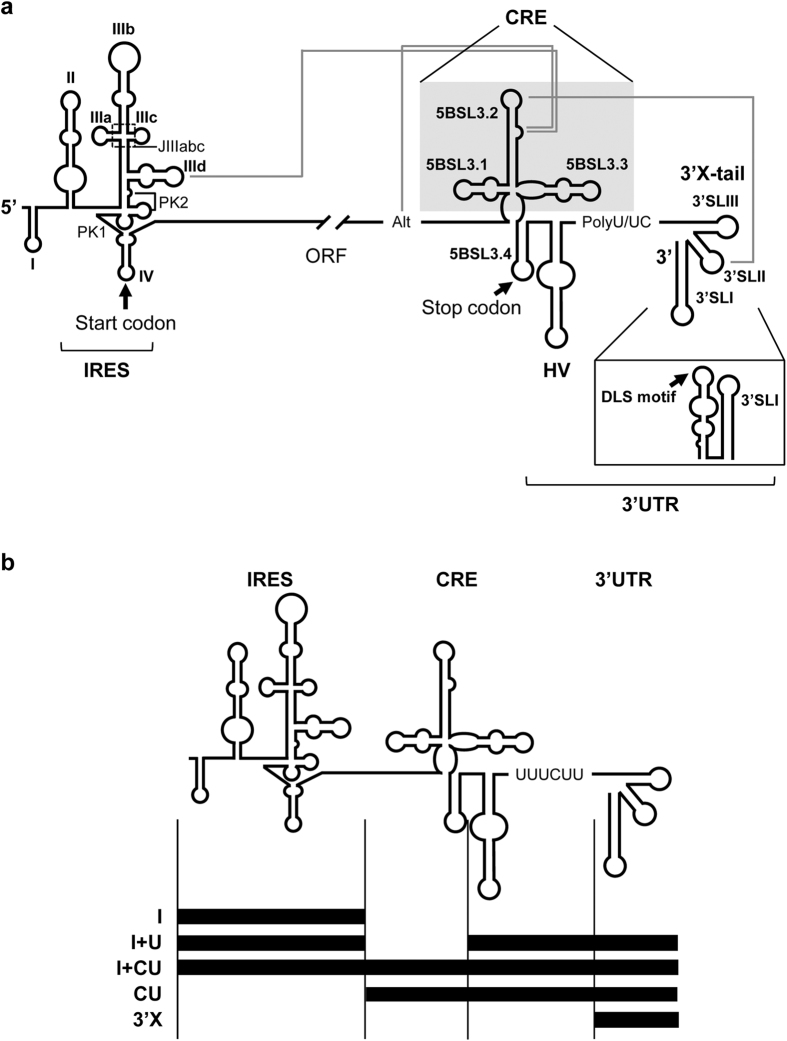
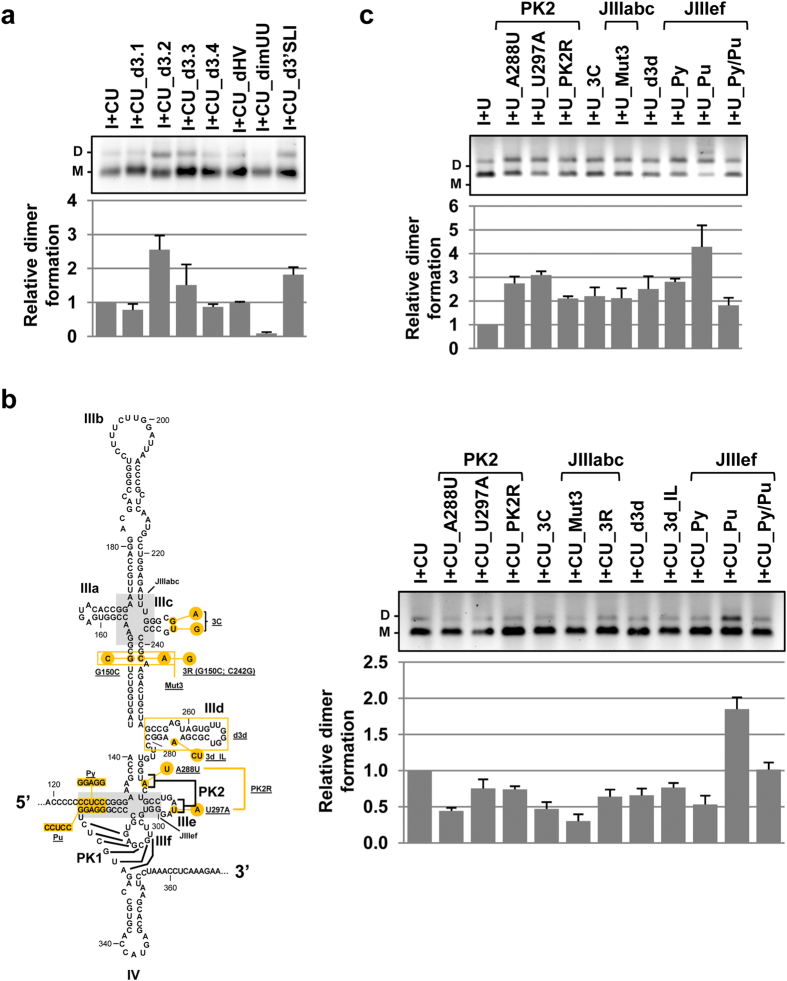
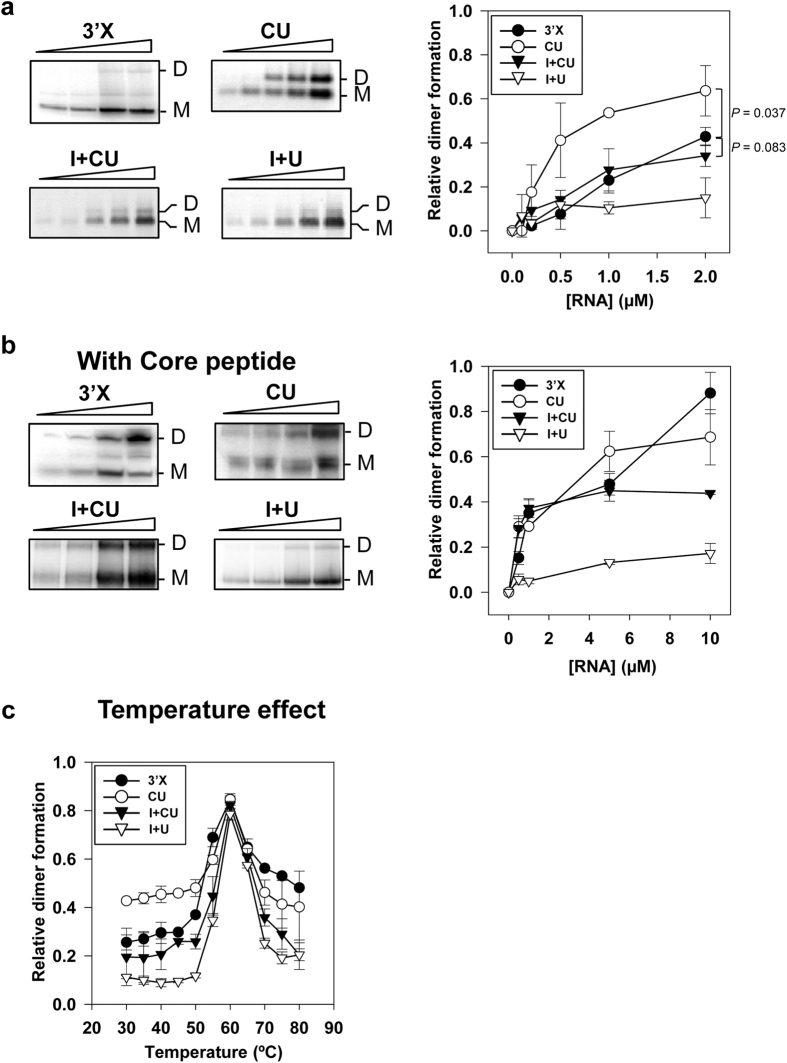
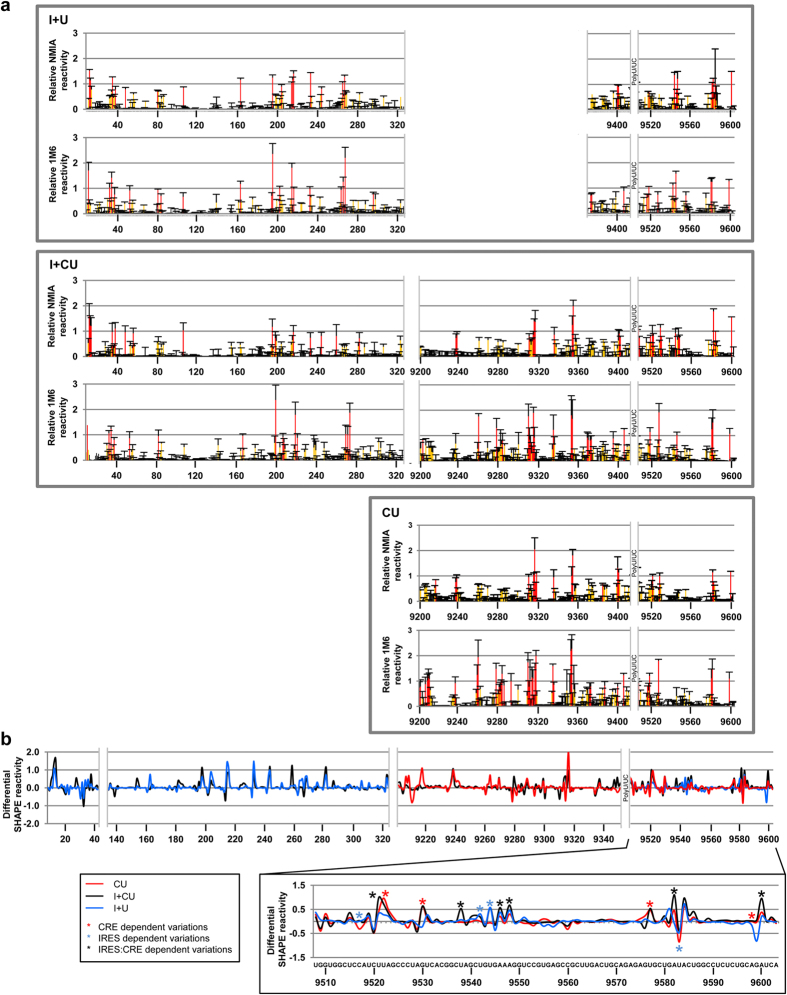
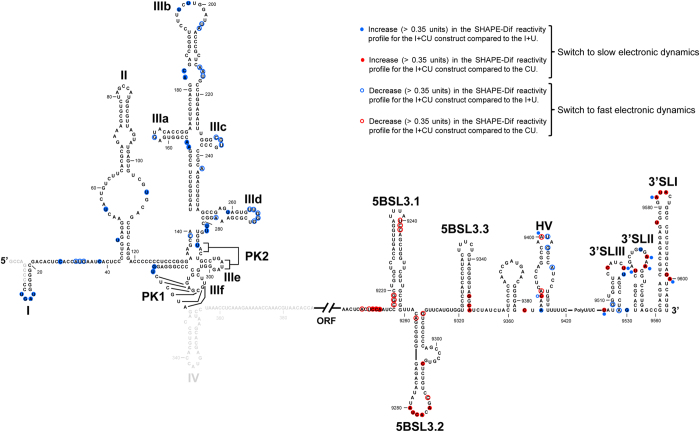
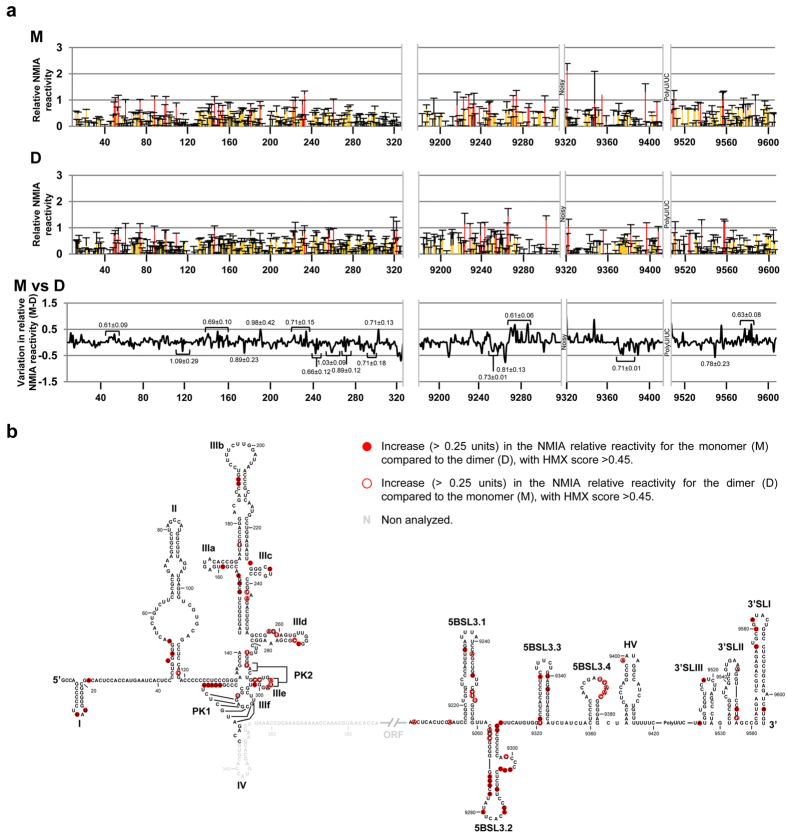
The RNA genome of the hepatitis C virus (HCV) establishes a network of long-distance RNA-RNA interactions that direct the progression of the infective cycle. This work shows that the dimerization of the viral genome, which is initiated at the dimer linkage sequence (DLS) within the 3'UTR, is promoted by the CRE region, while the IRES is a negative regulatory partner. Using differential 2'-acylation probing (SHAPE-dif) and molecular interference (HMX) technologies, the CRE activity was found to mainly lie in the critical 5BSL3.2 domain, while the IRES-mediated effect is dependent upon conserved residues within the essential structural elements JIIIabc, JIIIef and PK2. These findings support the idea that, along with the DLS motif, the IRES and CRE are needed to control HCV genome dimerization. They also provide evidences of a novel function for these elements as chaperone-like partners that fine-tune the architecture of distant RNA domains within the HCV genome.
丙型肝炎病毒(HCV)的 RNA 基因组建立了一个长距离 RNA-RNA 相互作用网络,指导感染周期的进展。这项工作表明,病毒基因组的二聚化是由 CRE 区域启动的,该区域位于 3'UTR 中的二聚体连接序列(DLS)内,而 IRES 是一个负调节伙伴。使用差异 2'-酰化探测(SHAPE-dif)和分子干扰(HMX)技术,发现 CRE 活性主要位于关键的 5BSL3.2 结构域,而 IRES 介导的效应依赖于 JIIIabc、JIIIef 和 PK2 内的保守残基。这些发现支持了这样一种观点,即除了 DLS 基序外,IRES 和 CRE 也需要控制 HCV 基因组二聚化。它们还提供了这些元件作为伴侣样伙伴的新功能的证据,这些伙伴样伙伴可以微调 HCV 基因组中远距离 RNA 结构域的结构。