Department of Pathology, Johns Hopkins School of Medicine, Baltimore, MD
Department of Environmental Health and Engineering, Bloomberg School of Public Health, Johns Hopkins University, Baltimore, MD.
J Am Heart Assoc. 2017 Feb 27;6(3):e004694. doi: 10.1161/JAHA.116.004694.
MicroRNA (miRNA) is a type of noncoding RNA that can repress the expression of target genes through posttranscriptional regulation. In addition to numerous physiologic roles for miRNAs, they play an important role in pathophysiologic processes affecting cardiovascular health. Previously, we reported that nuclear encoded microRNA (miR-181c) is present in heart mitochondria, and importantly, its overexpression affects mitochondrial function by regulating mitochondrial gene expression.
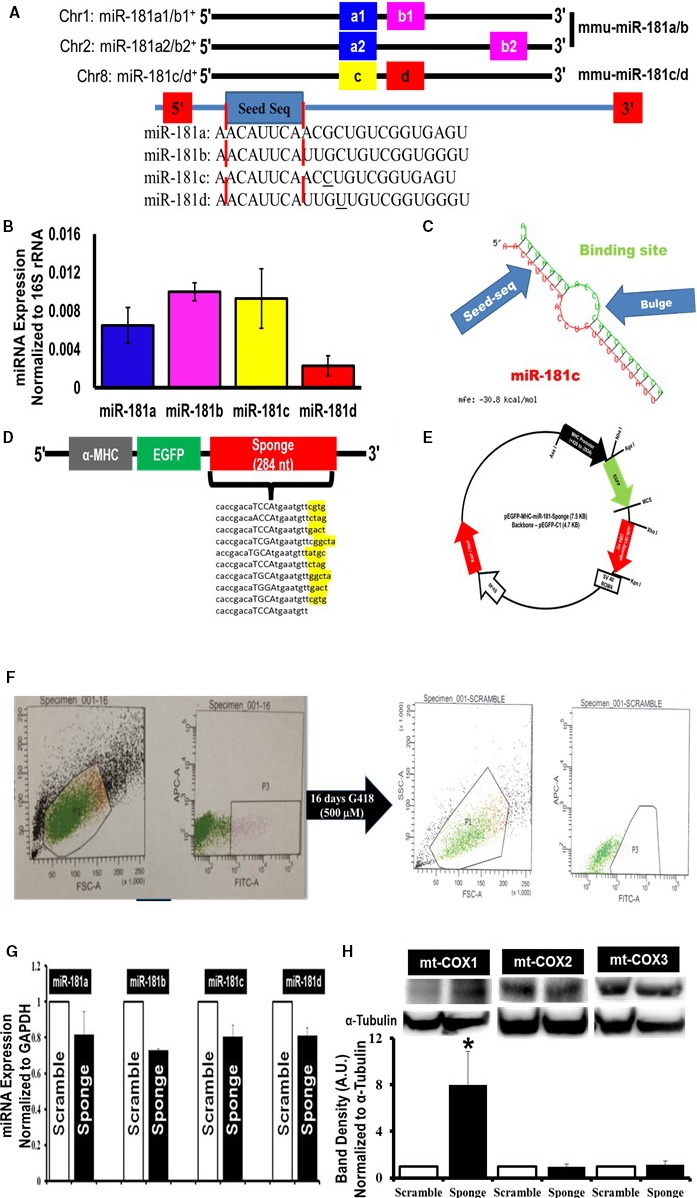
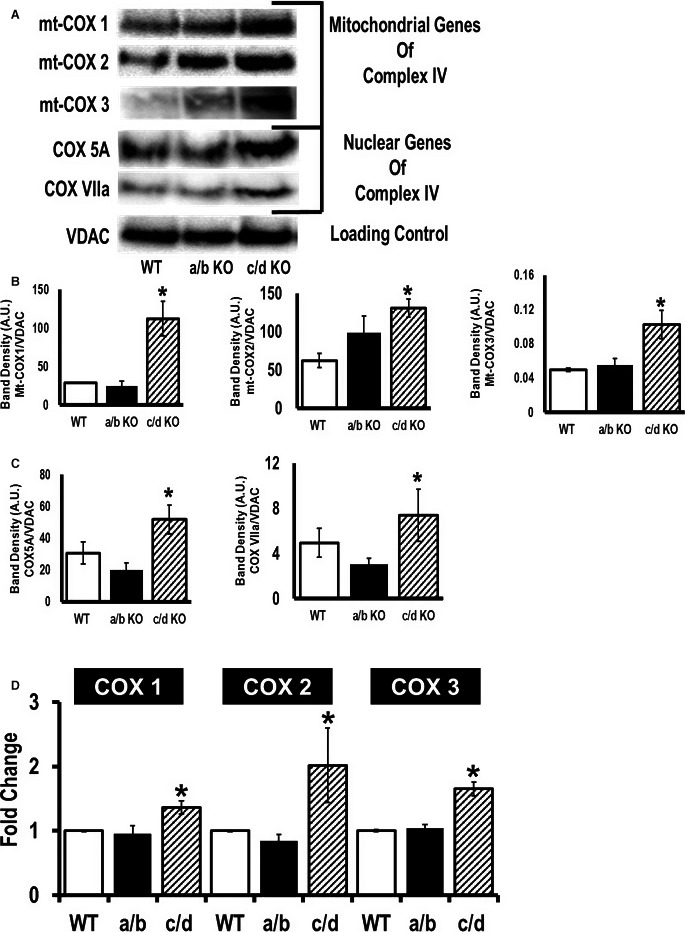
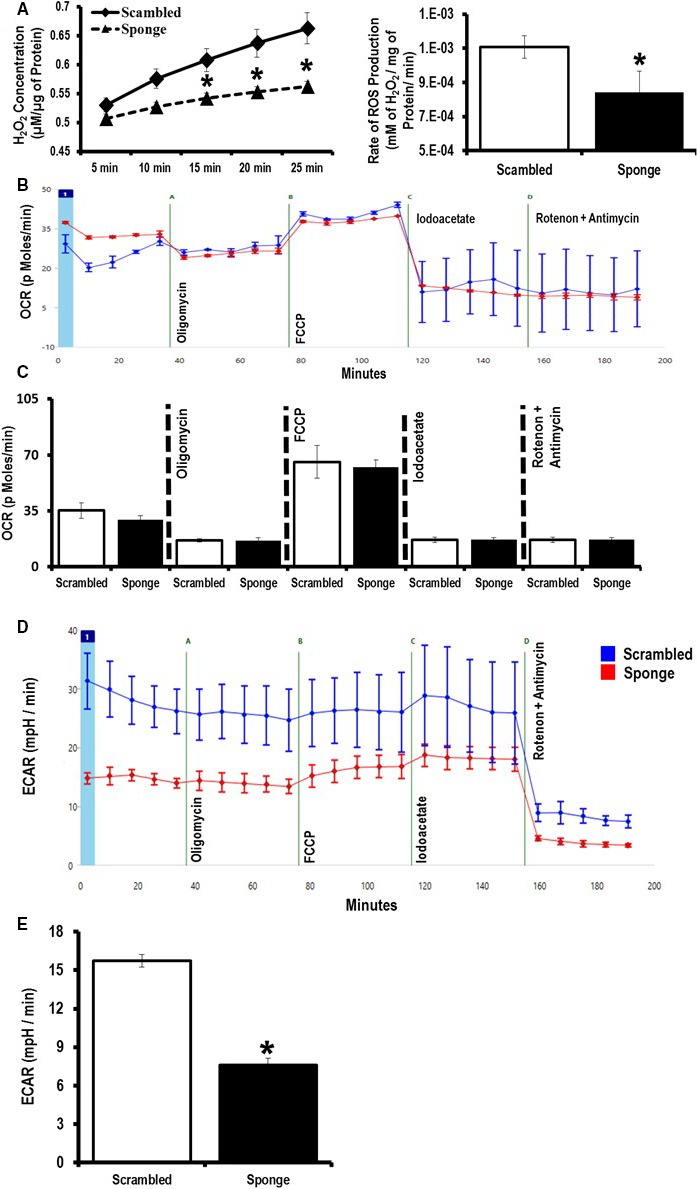
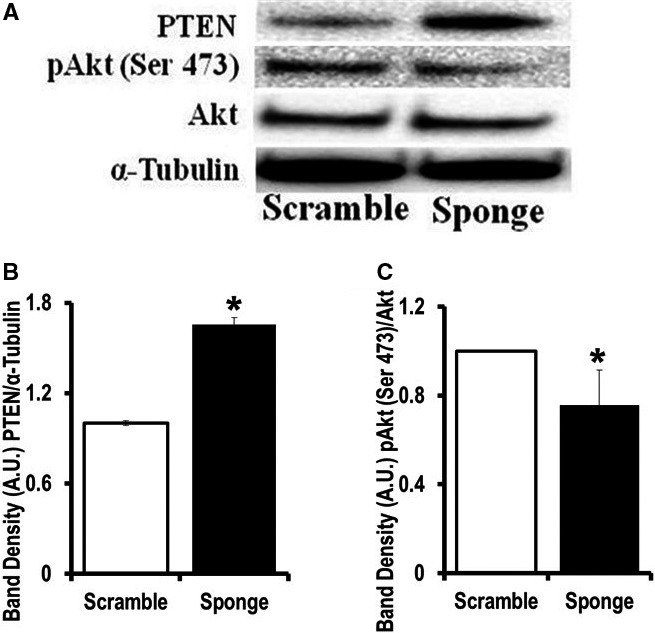
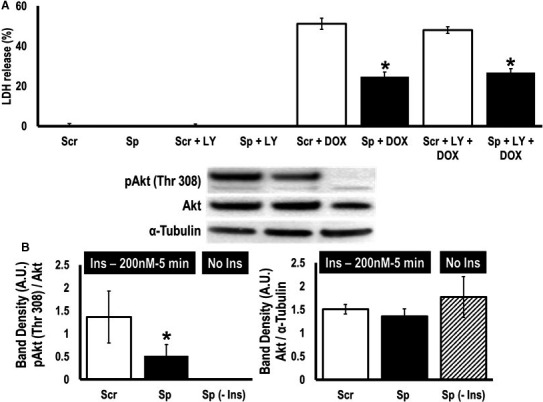
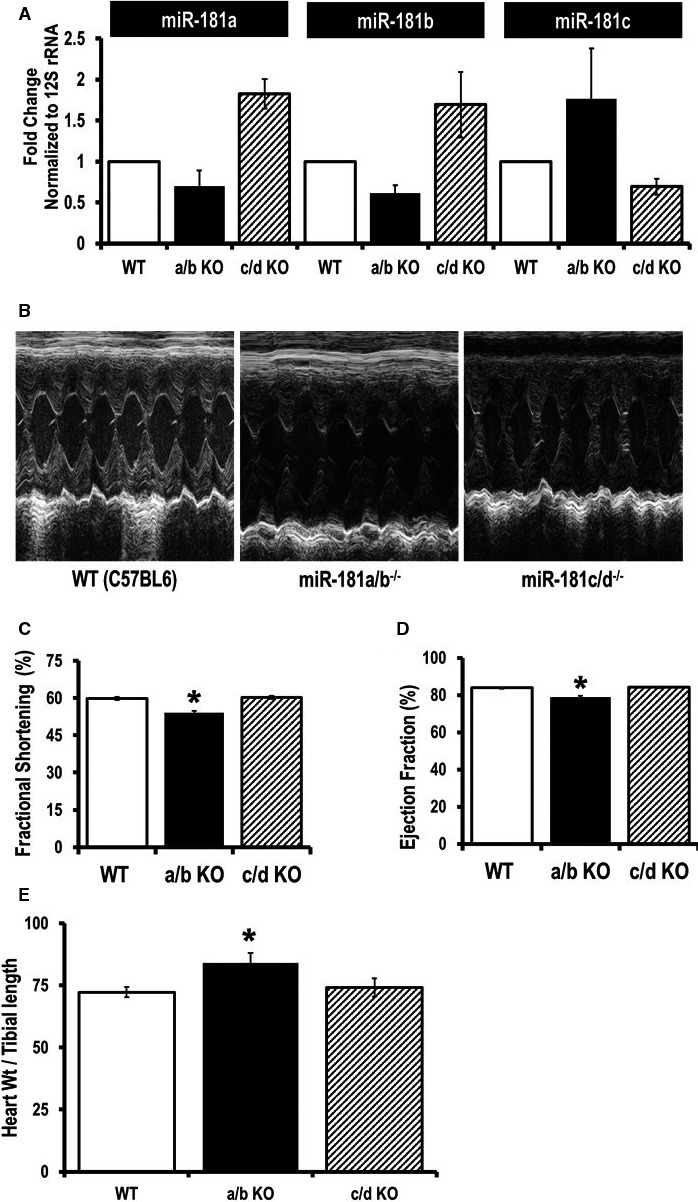
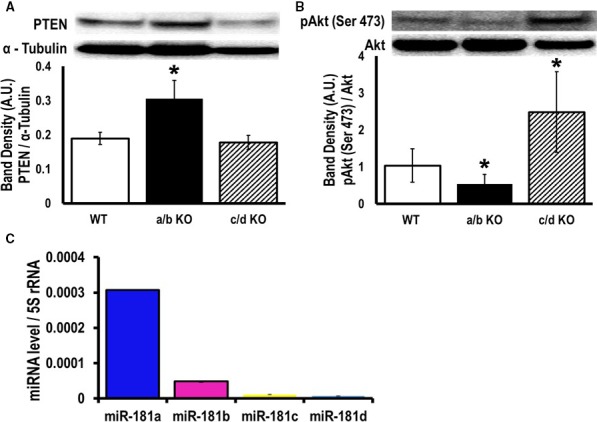
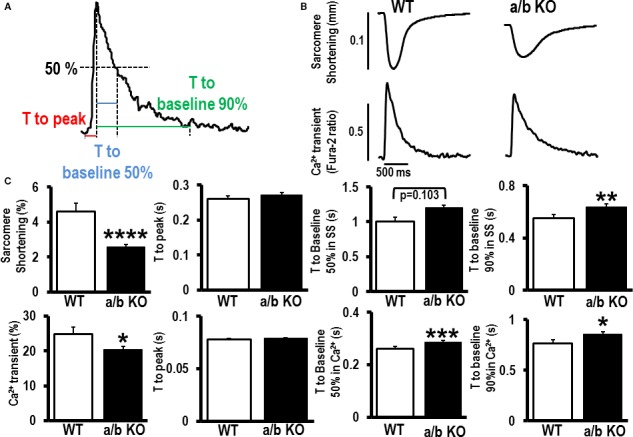
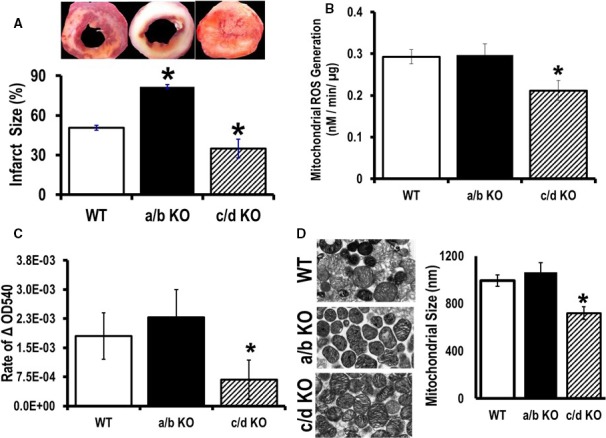
To investigate further how the miR-181 family affects the heart, we suppressed miR-181 using a miR-181-sponge containing 10 repeated complementary miR-181 "seed" sequences and generated a set of H9c2 cells, a cell line derived from rat myoblast, by stably expressing either a scrambled or miR-181-sponge sequence. Sponge-H9c2 cells showed a decrease in reactive oxygen species production and reduced basal mitochondrial respiration and protection against doxorubicin-induced oxidative stress. We also found that miR-181a/b targets phosphatase and tensin homolog (PTEN), and the sponge-expressing stable cells had increased PTEN activity and decreased PI3K signaling. In addition, we have used miR-181a/b and miR-181c/d knockout mice and subjected them to ischemia-reperfusion injury. Our results suggest divergent effects of different miR-181 family members: miR-181a/b targets PTEN in the cytosol, resulting in an increase in infarct size in miR-181a/b mice due to increased PTEN signaling, whereas miR-181c targets mt-COX1 in the mitochondria, resulting in decreased infarct size in miR-181c/d mice.
The miR-181 family alters the myocardial response to oxidative stress, notably with detrimental effects by targeting mt-COX1 (miR-181c) or with protection by targeting PTEN (miR-181a/b).
微小 RNA(miRNA)是一种非编码 RNA,可通过转录后调控抑制靶基因的表达。除了在许多生理过程中发挥作用外,miRNAs 在影响心血管健康的病理生理过程中也起着重要作用。此前,我们报道核编码 miRNA(miR-181c)存在于心脏线粒体中,重要的是,其过度表达通过调节线粒体基因表达来影响线粒体功能。
为了进一步研究 miR-181 家族如何影响心脏,我们使用含有 10 个重复互补 miR-181“种子”序列的 miR-181 海绵抑制 miR-181,生成了一组稳定表达 scrambled 或 miR-181 海绵序列的 H9c2 细胞,H9c2 细胞系来源于大鼠成肌细胞。海绵-H9c2 细胞的活性氧(ROS)产生减少,基础线粒体呼吸减少,对阿霉素诱导的氧化应激的保护作用减弱。我们还发现 miR-181a/b 的靶标是磷酸酶和张力蛋白同源物(PTEN),表达海绵的稳定细胞的 PTEN 活性增加,PI3K 信号降低。此外,我们还使用 miR-181a/b 和 miR-181c/d 敲除小鼠进行了缺血再灌注损伤实验。结果表明,不同的 miR-181 家族成员具有不同的作用:miR-181a/b 的细胞质靶标是 PTEN,导致 miR-181a/b 小鼠中的梗死面积增加,原因是 PTEN 信号增加,而 miR-181c 的靶标是线粒体中的 mt-COX1,导致 miR-181c/d 小鼠中的梗死面积减少。
miR-181 家族改变了心肌对氧化应激的反应,通过靶向 mt-COX1(miR-181c)产生有害影响,或通过靶向 PTEN(miR-181a/b)产生保护作用。