Yun Mi-Jung, Jeon Young-Chan, Jeong Chang-Mo, Huh Jung-Bo
Department of Prosthodontics, School of Dentistry, Pusan National University, Yangsan, Republic of Korea.
J Adv Prosthodont. 2017 Feb;9(1):1-13. doi: 10.4047/jap.2017.9.1.1. Epub 2017 Feb 7.
The purpose of this study was to compare the fit of cast gold crowns fabricated from the conventional and the digital impression technique.
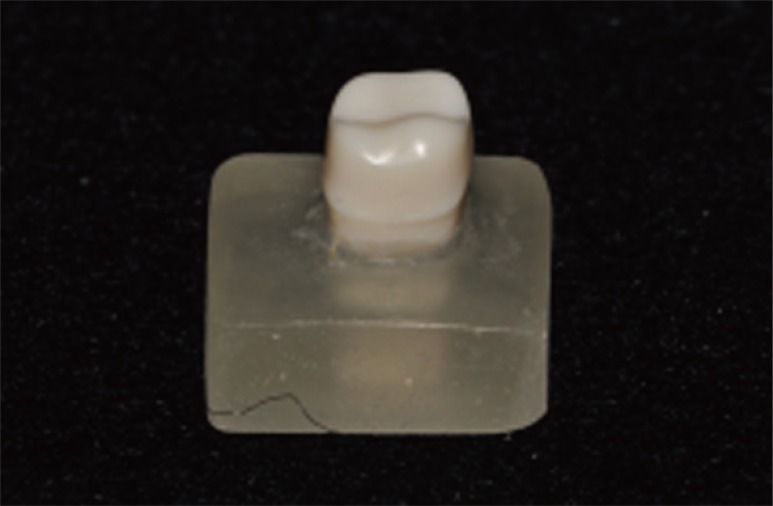
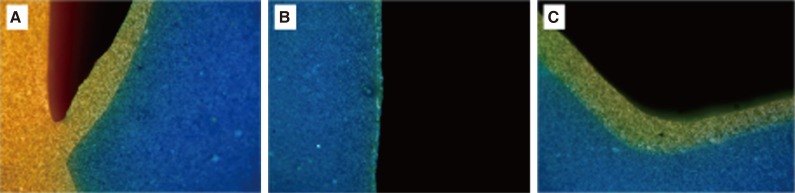
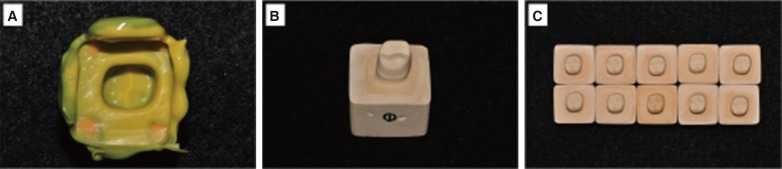
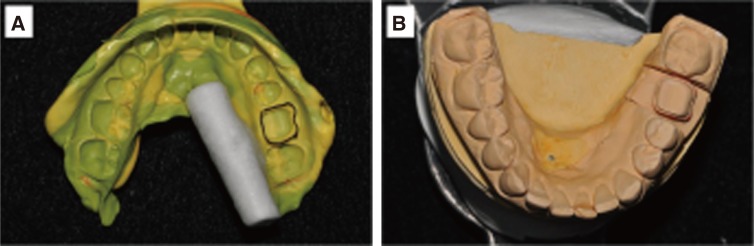
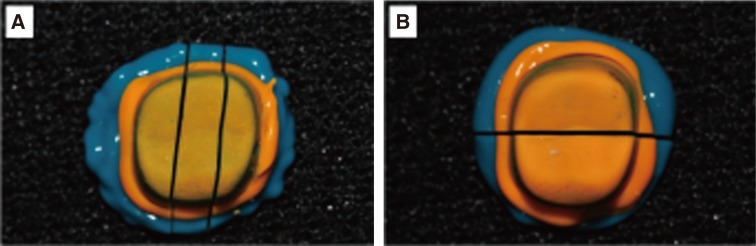
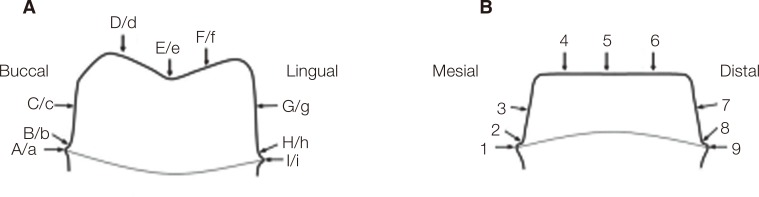
Artificial tooth in a master model and abutment teeth in ten patients were restored with cast gold crowns fabricated from the digital and the conventional impression technique. The forty silicone replicas were cut in three sections; each section was evaluated in nine points. The measurement was carried out by using a measuring microscope and I-Soultion. Data from the silicone replica were analyzed and all tests were performed with α-level of 0.05.
Both prostheses presented clinically acceptable results with comparing the fit. The prostheses fabricated from the digital impression technique showed more gaps, in respect of occlusal surface.
本研究的目的是比较采用传统印模技术和数字印模技术制作的铸造金冠的适合性。
用数字印模技术和传统印模技术制作的铸造金冠修复主模型中的人工牙和10例患者的基牙。将40个硅橡胶复制件切成三段;每段在九个点进行评估。使用测量显微镜和I-Soultion进行测量。对硅橡胶复制件的数据进行分析,所有测试的α水平为0.05。
比较适合性时,两种修复体在临床上均呈现可接受的结果。就咬合面而言,采用数字印模技术制作的修复体显示出更多间隙。