Snowdon Victoria K, Lachlan Neil J, Hoy Anna M, Hadoke Patrick W F, Semple Scott I, Patel Dilip, Mungall Will, Kendall Timothy J, Thomson Adrian, Lennen Ross J, Jansen Maurits A, Moran Carmel M, Pellicoro Antonella, Ramachandran Prakash, Shaw Isaac, Aucott Rebecca L, Severin Thomas, Saini Rajnish, Pak Judy, Yates Denise, Dongre Neelesh, Duffield Jeremy S, Webb David J, Iredale John P, Hayes Peter C, Fallowfield Jonathan A
MRC Centre for Inflammation Research, University of Edinburgh, Edinburgh, United Kingdom.
British Heart Foundation/University of Edinburgh Centre for Cardiovascular Science, University of Edinburgh, Edinburgh, United Kingdom.
PLoS Med. 2017 Feb 28;14(2):e1002248. doi: 10.1371/journal.pmed.1002248. eCollection 2017 Feb.
Chronic liver scarring from any cause leads to cirrhosis, portal hypertension, and a progressive decline in renal blood flow and renal function. Extreme renal vasoconstriction characterizes hepatorenal syndrome, a functional and potentially reversible form of acute kidney injury in patients with advanced cirrhosis, but current therapy with systemic vasoconstrictors is ineffective in a substantial proportion of patients and is limited by ischemic adverse events. Serelaxin (recombinant human relaxin-2) is a peptide molecule with anti-fibrotic and vasoprotective properties that binds to relaxin family peptide receptor-1 (RXFP1) and has been shown to increase renal perfusion in healthy human volunteers. We hypothesized that serelaxin could ameliorate renal vasoconstriction and renal dysfunction in patients with cirrhosis and portal hypertension.
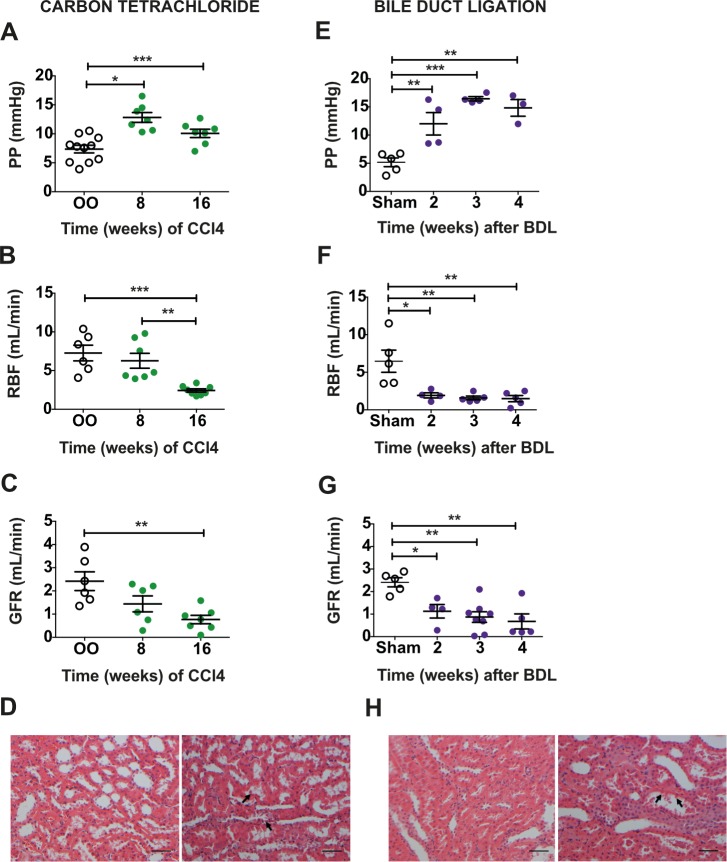
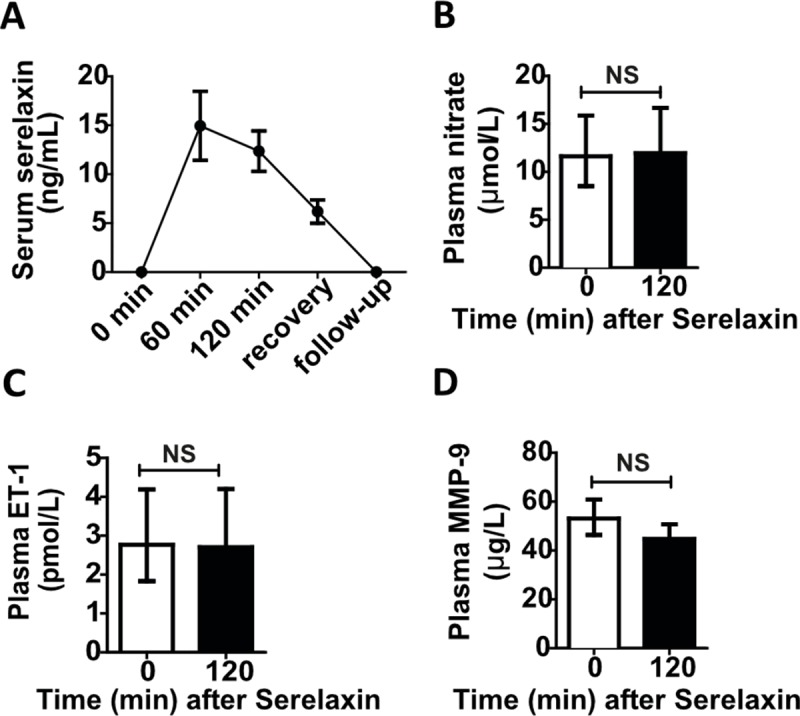
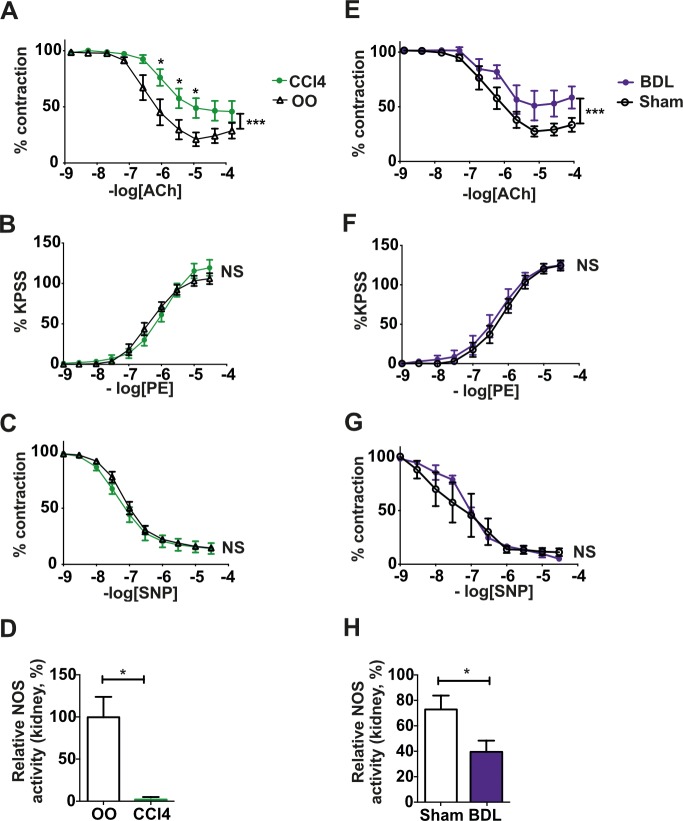
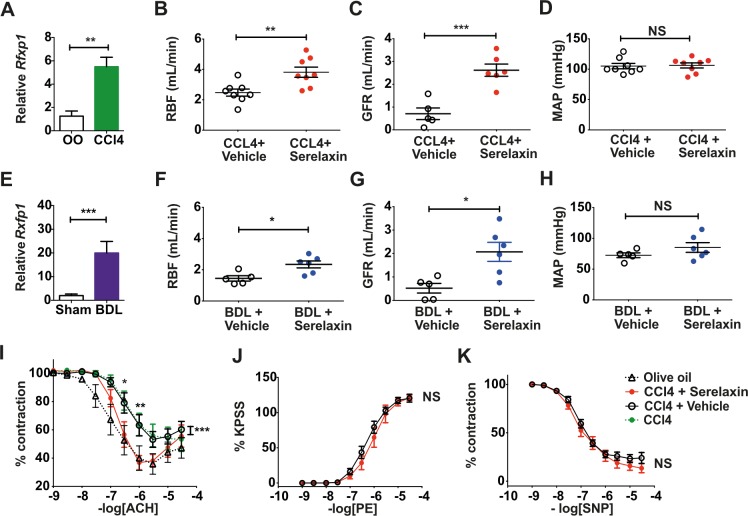
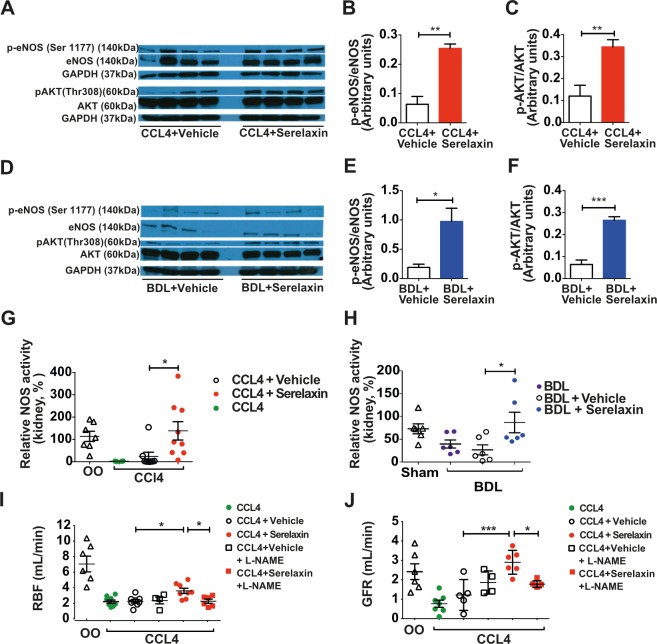
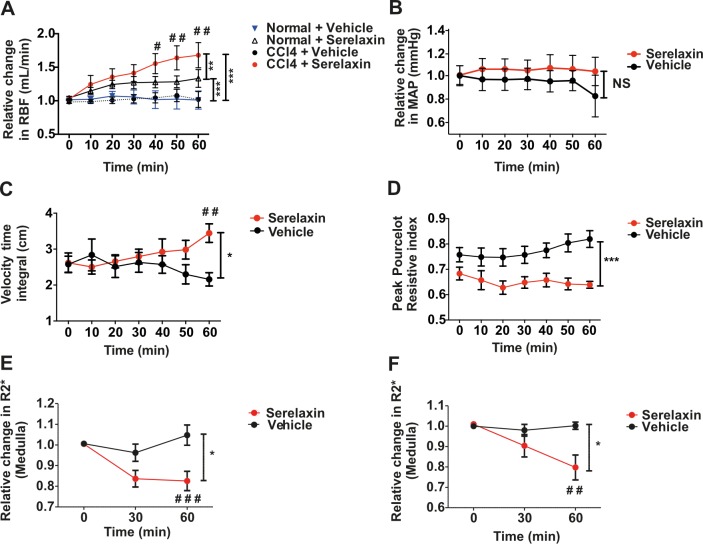
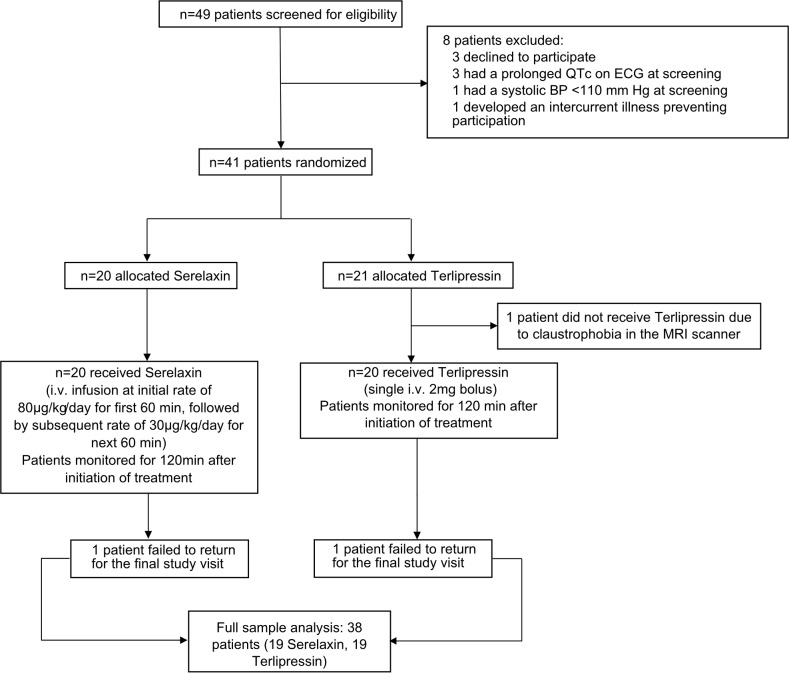
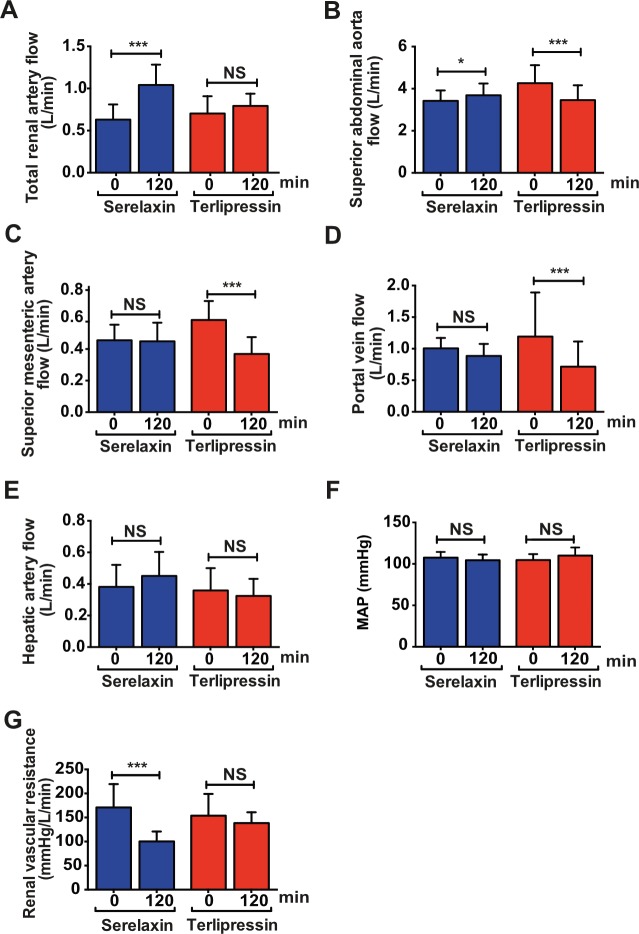
To establish preclinical proof of concept, we developed two independent rat models of cirrhosis that were characterized by progressive reduction in renal blood flow and glomerular filtration rate and showed evidence of renal endothelial dysfunction. We then set out to further explore and validate our hypothesis in a phase 2 randomized open-label parallel-group study in male and female patients with alcohol-related cirrhosis and portal hypertension. Forty patients were randomized 1:1 to treatment with serelaxin intravenous (i.v.) infusion (for 60 min at 80 μg/kg/d and then 60 min at 30 μg/kg/d) or terlipressin (single 2-mg i.v. bolus), and the regional hemodynamic effects were quantified by phase contrast magnetic resonance angiography at baseline and after 120 min. The primary endpoint was the change from baseline in total renal artery blood flow. Therapeutic targeting of renal vasoconstriction with serelaxin in the rat models increased kidney perfusion, oxygenation, and function through reduction in renal vascular resistance, reversal of endothelial dysfunction, and increased activation of the AKT/eNOS/NO signaling pathway in the kidney. In the randomized clinical study, infusion of serelaxin for 120 min increased total renal arterial blood flow by 65% (95% CI 40%, 95%; p < 0.001) from baseline. Administration of serelaxin was safe and well tolerated, with no detrimental effect on systemic blood pressure or hepatic perfusion. The clinical study's main limitations were the relatively small sample size and stable, well-compensated population.
Our mechanistic findings in rat models and exploratory study in human cirrhosis suggest the therapeutic potential of selective renal vasodilation using serelaxin as a new treatment for renal dysfunction in cirrhosis, although further validation in patients with more advanced cirrhosis and renal dysfunction is required.
ClinicalTrials.gov NCT01640964.
任何原因导致的慢性肝瘢痕形成都会引发肝硬化、门静脉高压,并使肾血流量和肾功能逐渐下降。肝肾综合征的特征是肾血管极度收缩,这是晚期肝硬化患者急性肾损伤的一种功能性且可能可逆的形式,但目前使用全身血管收缩剂的治疗方法在很大一部分患者中无效,且受缺血性不良事件的限制。松弛素(重组人松弛素-2)是一种具有抗纤维化和血管保护特性的肽分子,它与松弛素家族肽受体-1(RXFP1)结合,已被证明可增加健康人类志愿者的肾灌注。我们假设松弛素可以改善肝硬化和门静脉高压患者的肾血管收缩和肾功能障碍。
为建立临床前概念验证,我们开发了两种独立的肝硬化大鼠模型,其特征是肾血流量和肾小球滤过率逐渐降低,并显示出肾内皮功能障碍的证据。然后,我们在一项2期随机开放标签平行组研究中进一步探索和验证我们的假设,该研究针对患有酒精性肝硬化和门静脉高压的男性和女性患者。40名患者按1:1随机分组,分别接受静脉输注松弛素治疗(80 μg/kg/d,持续60分钟,然后30 μg/kg/d,持续60分钟)或特利加压素治疗(单次静脉推注2 mg),并在基线和120分钟后通过相位对比磁共振血管造影对局部血流动力学效应进行量化。主要终点是总肾动脉血流量相对于基线的变化。在大鼠模型中,用松弛素对肾血管收缩进行治疗性靶向可通过降低肾血管阻力、逆转内皮功能障碍以及增加肾脏中AKT/eNOS/NO信号通路的激活来增加肾脏灌注、氧合和功能。在随机临床研究中,输注松弛素120分钟后,总肾动脉血流量较基线增加了65%(95%CI 40%,95%;p<0.001)。使用松弛素是安全且耐受性良好的,对全身血压或肝灌注没有不利影响。该临床研究的主要局限性是样本量相对较小以及研究对象为病情稳定、代偿良好的人群。
我们在大鼠模型中的机制研究结果以及在人类肝硬化中的探索性研究表明,使用松弛素进行选择性肾血管舒张具有治疗潜力,可作为肝硬化肾功能障碍的一种新治疗方法,不过需要在病情更严重的肝硬化和肾功能障碍患者中进行进一步验证。
ClinicalTrials.gov NCT01640964。