Kamruzzaman Muhammad, Shoma Shereen, Thomas Christopher M, Partridge Sally R, Iredell Jonathan R
Centre for Infectious Diseases and Microbiology, The Westmead Institute for Medical Research, The University of Sydney, Westmead, New South Wales, Australia.
Institute of Microbiology and Infection, University of Birmingham, Birmingham, United Kingdom.
PLoS One. 2017 Feb 28;12(2):e0172913. doi: 10.1371/journal.pone.0172913. eCollection 2017.
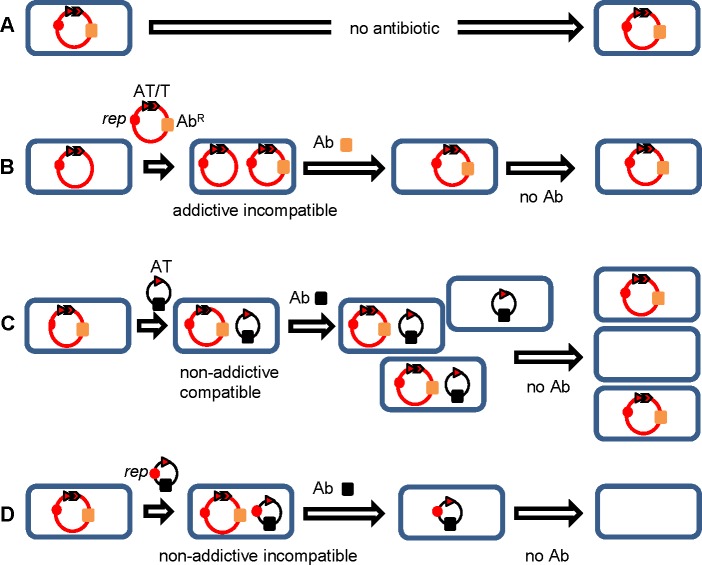
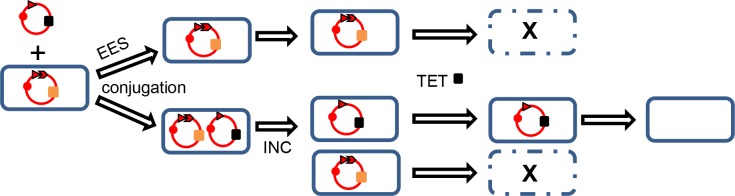
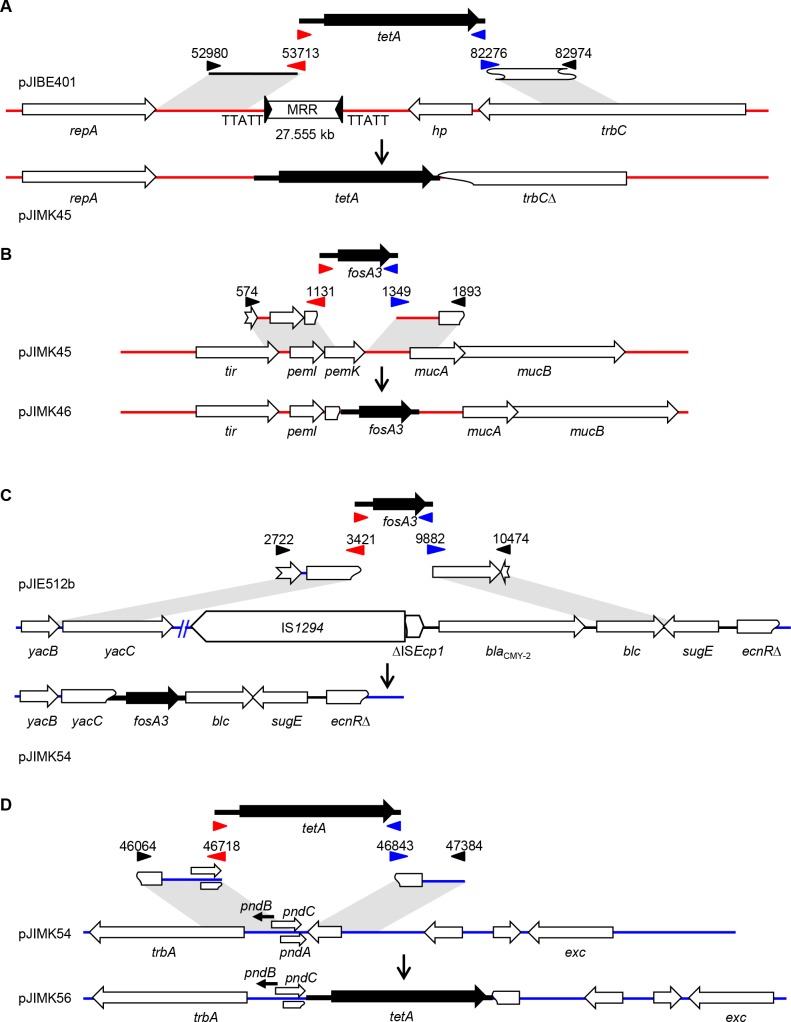
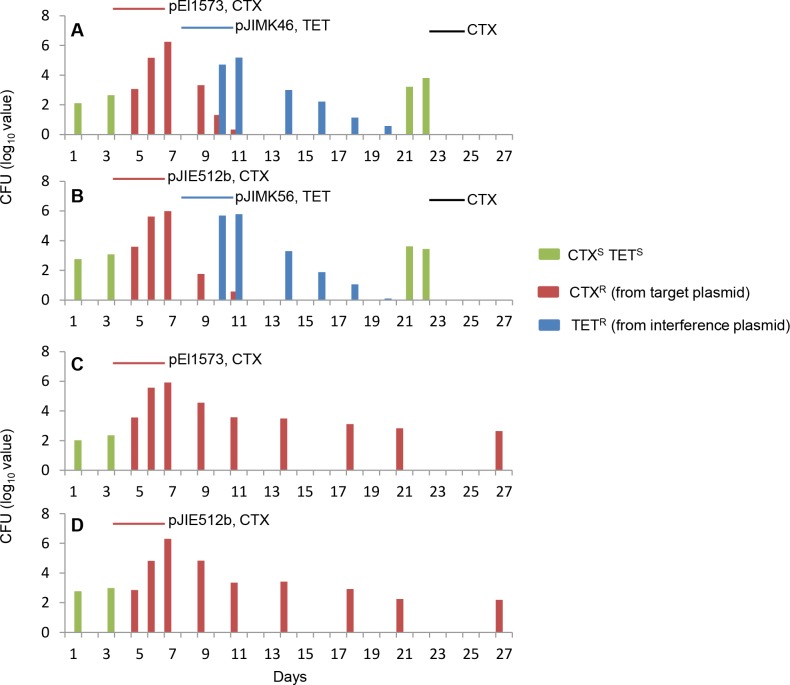
Antibiotic resistance increases the likelihood of death from infection by common pathogens such as Escherichia coli and Klebsiella pneumoniae in developed and developing countries alike. Most important modern antibiotic resistance genes spread between such species on self-transmissible (conjugative) plasmids. These plasmids are traditionally grouped on the basis of replicon incompatibility (Inc), which prevents coexistence of related plasmids in the same cell. These plasmids also use post-segregational killing ('addiction') systems, which poison any bacterial cells that lose the addictive plasmid, to guarantee their own survival. This study demonstrates that plasmid incompatibilities and addiction systems can be exploited to achieve the safe and complete eradication of antibiotic resistance from bacteria in vitro and in the mouse gut. Conjugative 'interference plasmids' were constructed by specifically deleting toxin and antibiotic resistance genes from target plasmids. These interference plasmids efficiently cured the corresponding antibiotic resistant target plasmid from different Enterobacteriaceae in vitro and restored antibiotic susceptibility in vivo to all bacterial populations into which plasmid-mediated resistance had spread. This approach might allow eradication of emergent or established populations of resistance plasmids in individuals at risk of severe sepsis, enabling subsequent use of less toxic and/or more effective antibiotics than would otherwise be possible, if sepsis develops. The generalisability of this approach and its potential applications in bioremediation of animal and environmental microbiomes should now be systematically explored.
在发达国家和发展中国家,抗生素耐药性都会增加大肠杆菌和肺炎克雷伯菌等常见病原体感染导致死亡的可能性。最重要的现代抗生素耐药基因通过自我传递(接合)质粒在这些物种之间传播。这些质粒传统上是根据复制子不相容性(Inc)进行分类的,复制子不相容性会阻止相关质粒在同一细胞中共存。这些质粒还使用后分离杀伤(“成瘾”)系统,该系统会毒害任何丢失成瘾质粒的细菌细胞,以确保自身存活。本研究表明,可以利用质粒不相容性和成瘾系统在体外和小鼠肠道中安全、彻底地消除细菌中的抗生素耐药性。通过从目标质粒中特异性删除毒素和抗生素耐药基因,构建了接合“干扰质粒”。这些干扰质粒在体外有效清除了不同肠杆菌科细菌中相应的抗生素耐药目标质粒,并在体内恢复了质粒介导的耐药性所传播到的所有细菌群体的抗生素敏感性。如果发生败血症,这种方法可能会根除严重败血症风险个体中出现的或已存在的耐药质粒群体,从而能够使用比其他情况毒性更小和/或更有效的抗生素。现在应该系统地探索这种方法的通用性及其在动物和环境微生物群落生物修复中的潜在应用。