Malchaire Jacques, d'AMBROSIO Alfano Francesca Romana, Palella Boris Igor
Unité Hygiène et Physiologie du Travail-Université Catholique de Louvain, Belgium.
Dipartimento di Ingegneria Industriale-Università di Salerno, Italy.
Ind Health. 2017 Jun 8;55(3):219-232. doi: 10.2486/indhealth.2016-0177. Epub 2017 Feb 28.
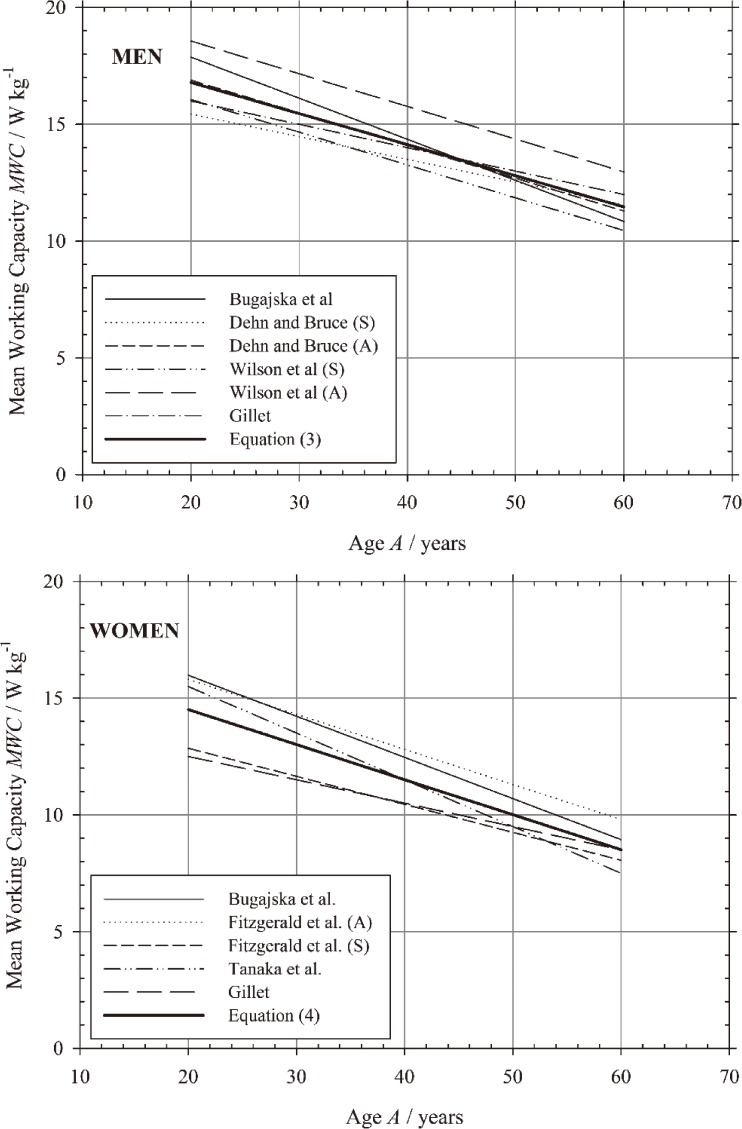
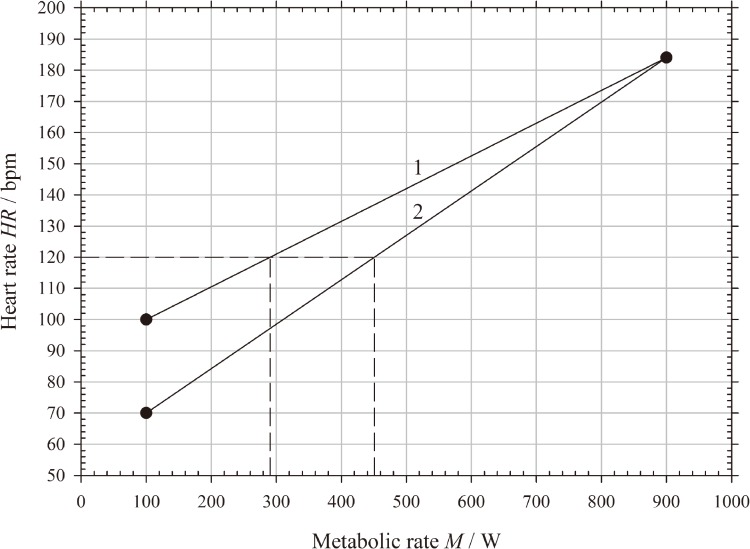
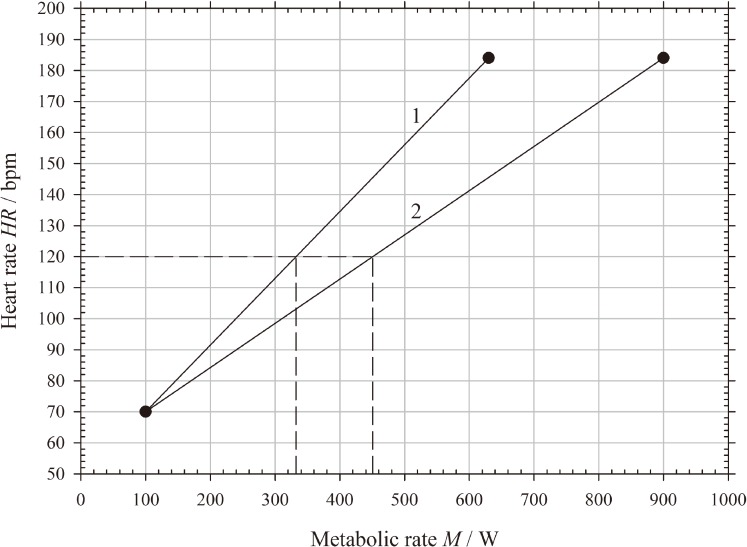
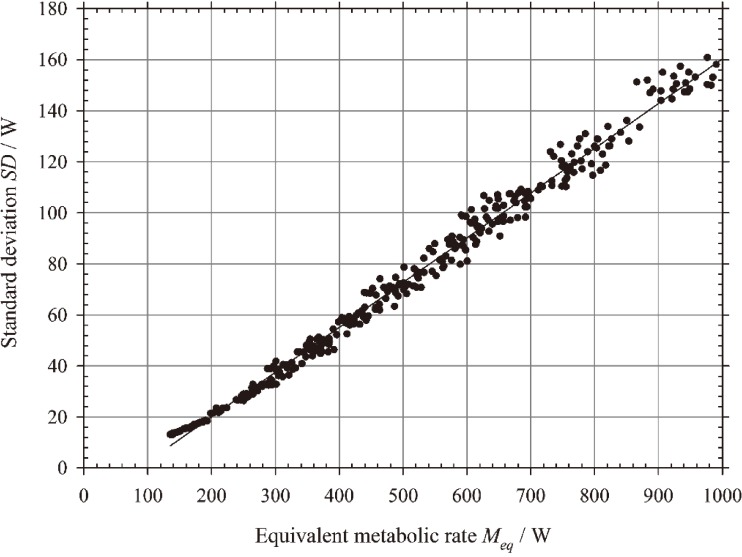
The assessment of harsh working conditions requires a correct evaluation of the metabolic rate. This paper revises the basis described in the ISO 8996 standard for the evaluation of the metabolic rate at a work station from the recording of the heart rate of a worker during a representative period of time. From a review of the literature, formulas different from those given in the standard are proposed to estimate the maximum working capacity, the maximum heart rate, the heart rate and the metabolic rate at rest and the relation (HR vs. M) at the basis of the estimation of the equivalent metabolic rate, as a function of the age, height and weight of the person. A Monte Carlo simulation is used to determine, from the approximations of these parameters and formulas, the imprecision of the estimated equivalent metabolic rate. The results show that the standard deviation of this estimate varies from 10 to 15%.
对恶劣工作条件的评估需要对代谢率进行正确评估。本文从在代表性时间段内记录工人心率的角度,修订了ISO 8996标准中描述的工作站代谢率评估基础。通过对文献的综述,提出了不同于标准中给出的公式,以便根据人的年龄、身高和体重,在估计等效代谢率的基础上,估算最大工作能力、最大心率、静息心率和代谢率以及关系(心率与代谢率)。使用蒙特卡罗模拟从这些参数和公式的近似值中确定估计的等效代谢率的不精确性。结果表明,该估计值的标准差在10%至15%之间变化。