Davies Jeff E, Gander Phillip E, Hall Deborah A
Division of Audiology, Faculty of Health and Life Sciences, School of Allied Health Sciences, De Montfort UniversityLeicester, UK; National Institute for Health Research, Nottingham Hearing Biomedical Research UnitNottingham, UK; Otology and Hearing Group, Division of Clinical Neuroscience, School of Medicine, University of NottinghamNottingham, UK.
National Institute for Health Research, Nottingham Hearing Biomedical Research UnitNottingham, UK; Otology and Hearing Group, Division of Clinical Neuroscience, School of Medicine, University of NottinghamNottingham, UK.
Front Aging Neurosci. 2017 Feb 21;9:31. doi: 10.3389/fnagi.2017.00031. eCollection 2017.
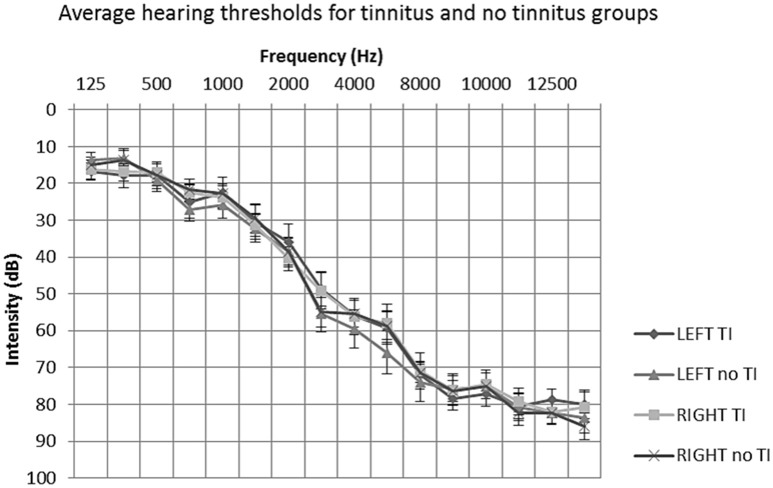
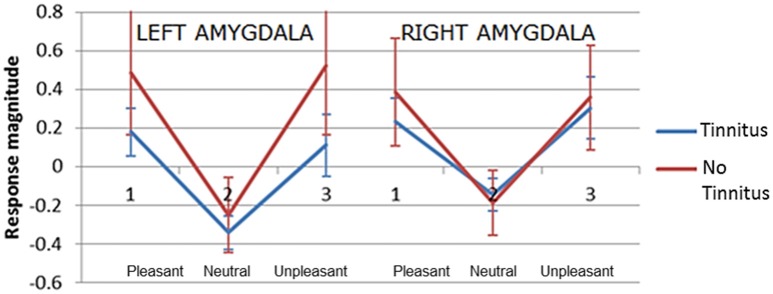
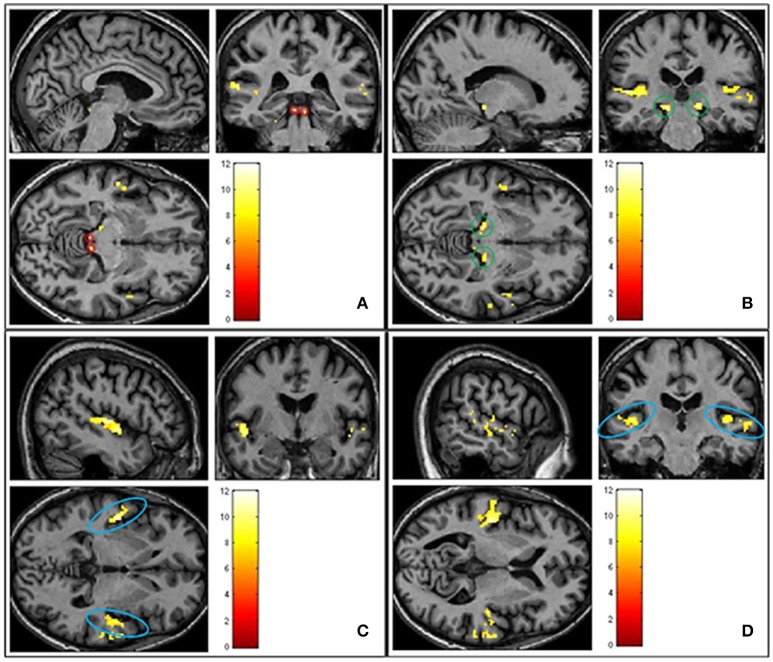
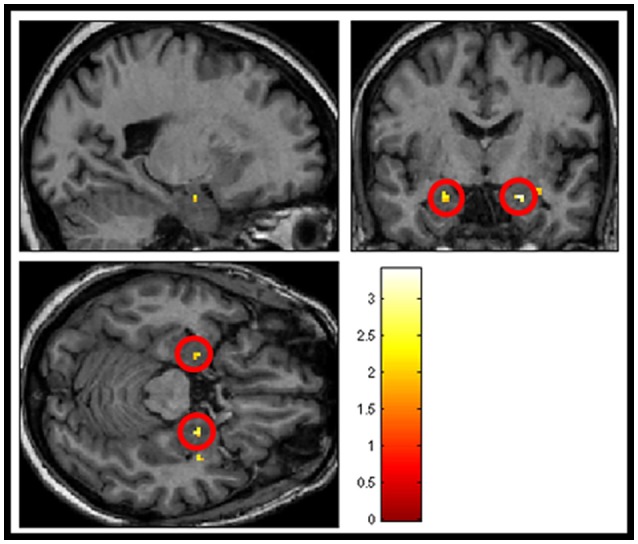
Tinnitus is often associated with strong negative thoughts and emotions which can contribute to a distressing and chronic long-term condition. The amygdala, the "feeling and reacting" part of the brain, may play a key role in this process. Although implicated in several theoretical models of tinnitus, quantification of activity in the human amygdala has only been made possible more recently through neuroimaging methods such as functional magnetic resonance imaging (fMRI) but benefits from modified scanning parameters using a double-echo acquisition for improved BOLD sensitivity. This study thus examined the role of the amygdala in emotional sound processing in people with tinnitus using a novel double-echo imaging sequence for optimal detectability of subcortical activity. Our hypotheses were: (1) emotionally evocative sound clips rated as pleasant or unpleasant would elicit stronger amygdalar activation than sound clips rated as neutral, (2) people with tinnitus have greater amygdalar activation in response to emotionally evocative sounds (relative to neutral sounds) compared to controls. Twelve participants all with chronic, constant tinnitus took part. We also recruited 11 age and hearing-matched controls. Participants listened to a range of emotionally evocative sound clips; rated as pleasant, unpleasant or neutral. A region-of-interest analysis was chosen to test our a priori hypotheses. Both groups displayed a robust and similar overall response to sounds vs. silence in the following ascending auditory pathways; inferior colliculus, medial geniculate body and the primary auditory cortex. In support of our first hypothesis, the amygdala's response to pleasant and unpleasant sound clips was significantly greater than neutral sounds. Opposing our second hypothesis, we found that the amygdala's overall response to pleasant and unpleasant sounds (compared to neutral sounds) was actually lower in the tinnitus group as compared to the controls. The "muted" amygdala activation observed in the tinnitus group could reflect an internal modification of emotional response perhaps as a result of successful habituation to emotionally negative sound. This interpretation would predict a heightened amygdala emotional response in individuals with a more clinically bothersome tinnitus.
耳鸣常与强烈的负面思维和情绪相关,这可能导致令人痛苦的慢性长期病症。杏仁核,即大脑中“感受与反应”的部分,可能在此过程中起关键作用。尽管在耳鸣的几种理论模型中都有涉及,但直到最近通过功能磁共振成像(fMRI)等神经成像方法才能够对人类杏仁核的活动进行量化,不过使用双回波采集的改进扫描参数可提高血氧水平依赖(BOLD)敏感性,从而带来益处。因此,本研究使用一种新颖的双回波成像序列来优化皮层下活动的可检测性,以检验杏仁核在耳鸣患者情绪声音处理中的作用。我们的假设是:(1)被评定为愉悦或不悦的引发情绪的声音片段会比被评定为中性的声音片段引发更强的杏仁核激活;(2)与对照组相比,耳鸣患者对引发情绪的声音(相对于中性声音)有更大的杏仁核激活。12名均患有慢性持续性耳鸣的参与者参与了研究。我们还招募了11名年龄和听力匹配的对照组。参与者聆听了一系列引发情绪的声音片段;评定为愉悦、不悦或中性。选择感兴趣区域分析来检验我们的先验假设。两组在以下听觉上行通路中对声音与寂静均表现出强烈且相似的总体反应;下丘、内侧膝状体和初级听觉皮层。支持我们的第一个假设,杏仁核对愉悦和不悦声音片段的反应显著大于中性声音。与我们的第二个假设相反,我们发现与对照组相比,耳鸣组中杏仁核对愉悦和不悦声音(相对于中性声音)的总体反应实际上更低。在耳鸣组中观察到的杏仁核激活“减弱”可能反映了情绪反应的内在改变,这或许是对情绪负面声音成功适应的结果。这种解释预示着耳鸣临床症状更严重的个体杏仁核情绪反应会增强。