Viney Mark
School of Biological Sciences, University of Bristol, Tyndall Avenue, Bristol, BS8 1TQ, UK.
Trends Parasitol. 2017 Jun;33(6):444-452. doi: 10.1016/j.pt.2017.01.014. Epub 2017 Mar 6.
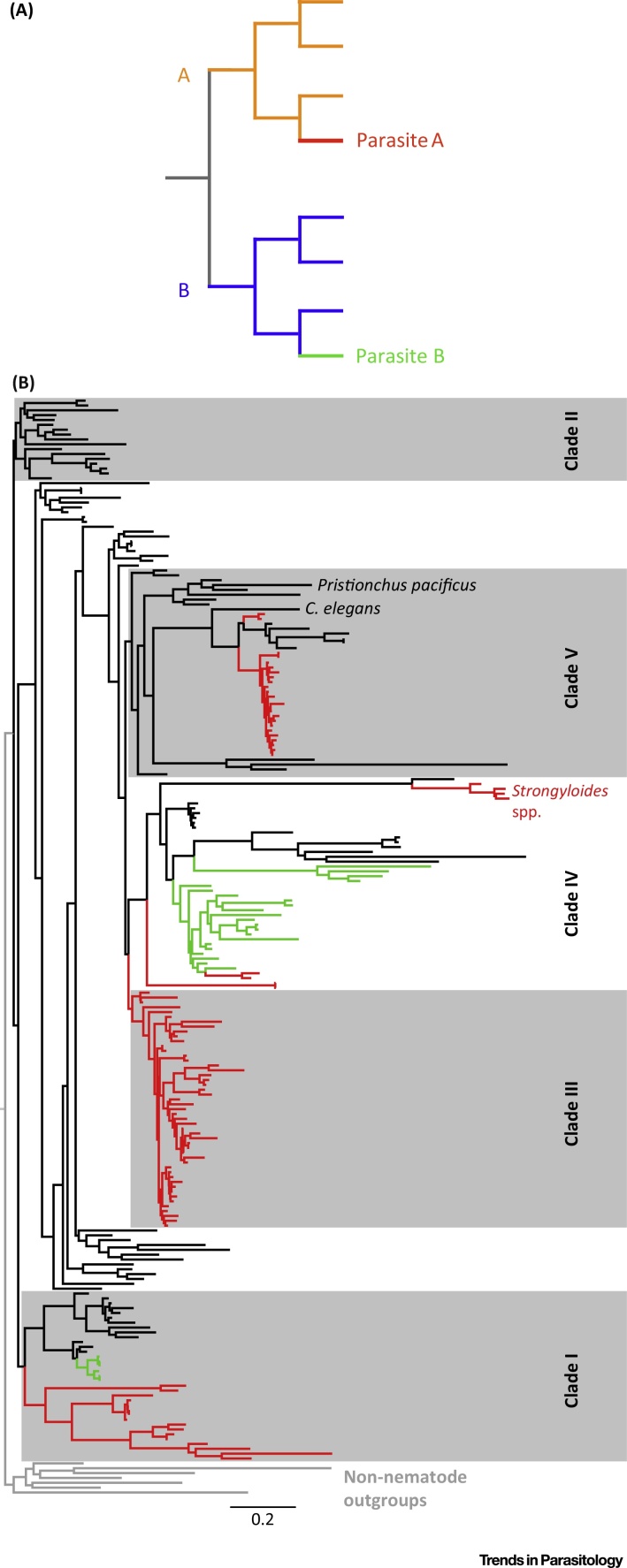
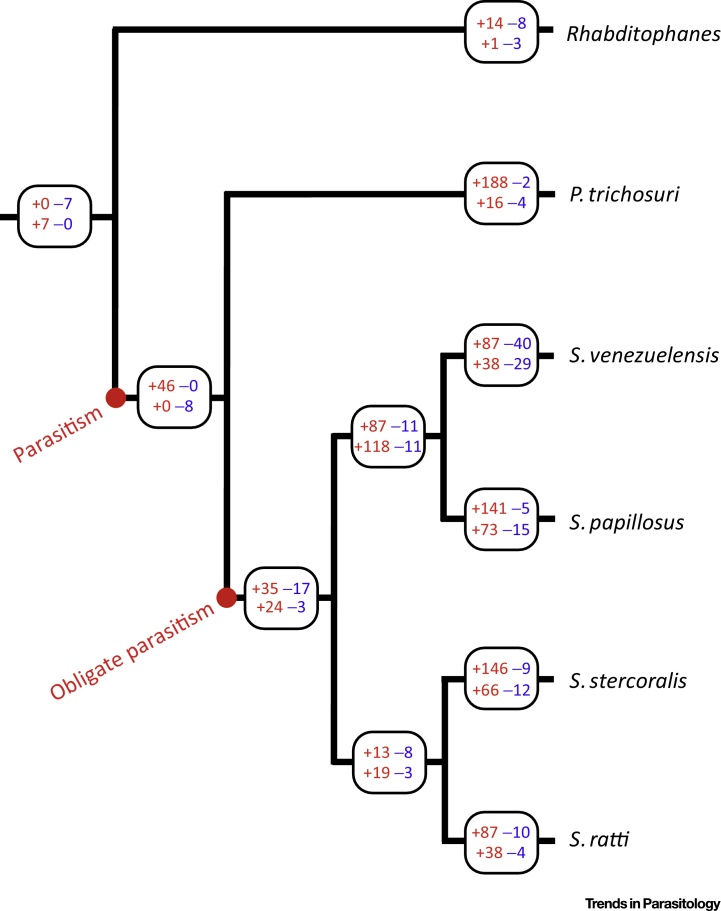
Nematodes are very common animals and they have repeatedly evolved parasitic lifestyles during their evolutionary history. Recently, the genomes of many nematodes, especially parasitic species, have been determined, potentially giving an insight into the genetic and genomic basis of nematodes' parasitism. But, to achieve this, phylogenetically appropriate comparisons of genomes of free-living and parasitic species are needed. Achieving this has often been hampered by the relative lack of information about key free-living species. While such comparative approaches will eventually succeed, I suggest that a synthetic biology approach - moving free-living nematodes towards a parasitic lifestyle - will be our ultimate test of truly understanding the genetic and genomic basis of nematode parasitism.
线虫是非常常见的动物,在其进化历史中多次演化出寄生生活方式。最近,许多线虫的基因组,尤其是寄生种类的基因组已被测定,这有可能让我们深入了解线虫寄生的遗传和基因组基础。但是,要做到这一点,需要对自由生活和寄生种类的基因组进行系统发育上合适的比较。而实现这一点常常受到关键自由生活种类相关信息相对匮乏的阻碍。虽然这种比较方法最终会成功,但我认为合成生物学方法——让自由生活的线虫朝着寄生生活方式转变——将是我们真正理解线虫寄生的遗传和基因组基础的最终检验。