Bakkers Mark J G, Lang Yifei, Feitsma Louris J, Hulswit Ruben J G, de Poot Stefanie A H, van Vliet Arno L W, Margine Irina, de Groot-Mijnes Jolanda D F, van Kuppeveld Frank J M, Langereis Martijn A, Huizinga Eric G, de Groot Raoul J
Virology Division, Department of Infectious Diseases and Immunology, Faculty of Veterinary Medicine, Utrecht University, 3584 CH Utrecht, the Netherlands.
Crystal and Structural Chemistry, Bijvoet Center for Biomolecular Research, Faculty of Sciences, Utrecht University, 3584 CH Utrecht, the Netherlands.
Cell Host Microbe. 2017 Mar 8;21(3):356-366. doi: 10.1016/j.chom.2017.02.008.
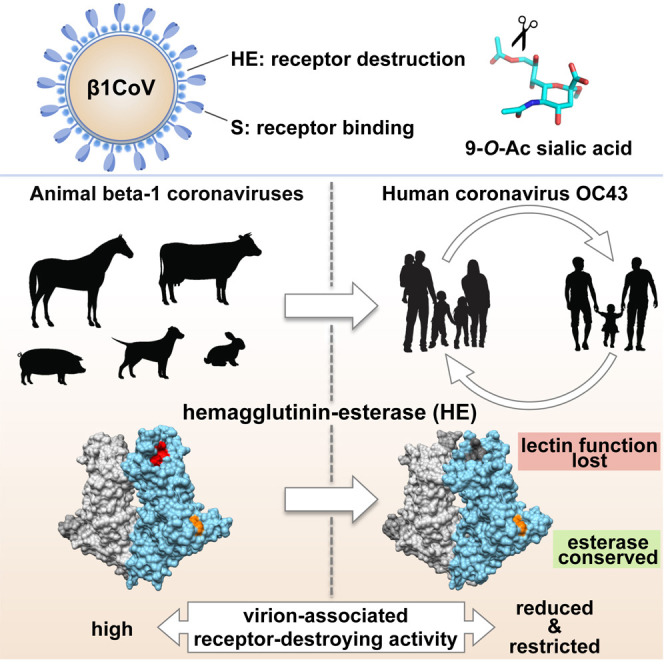
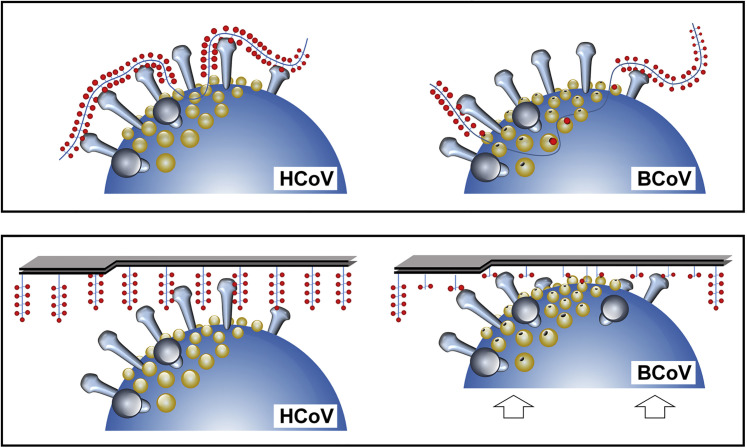
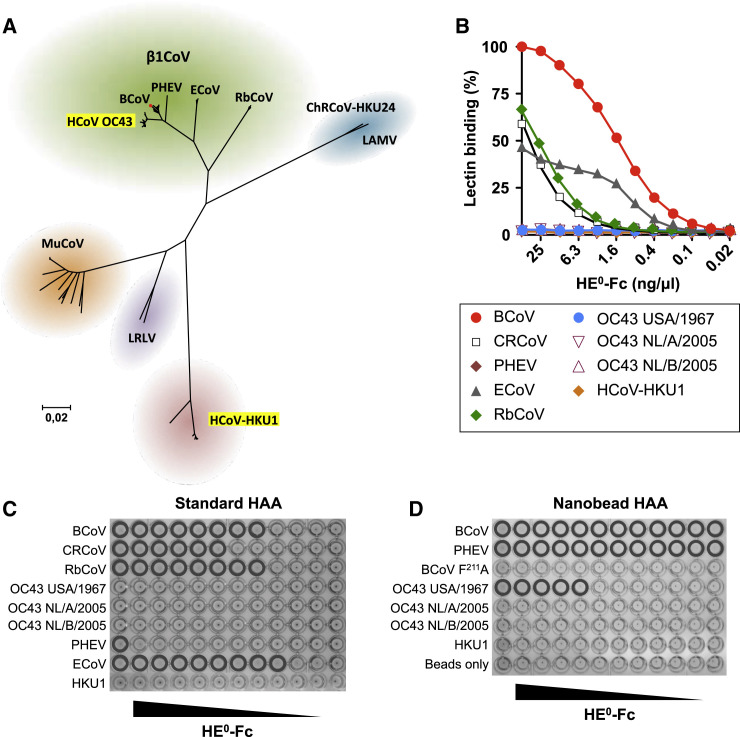
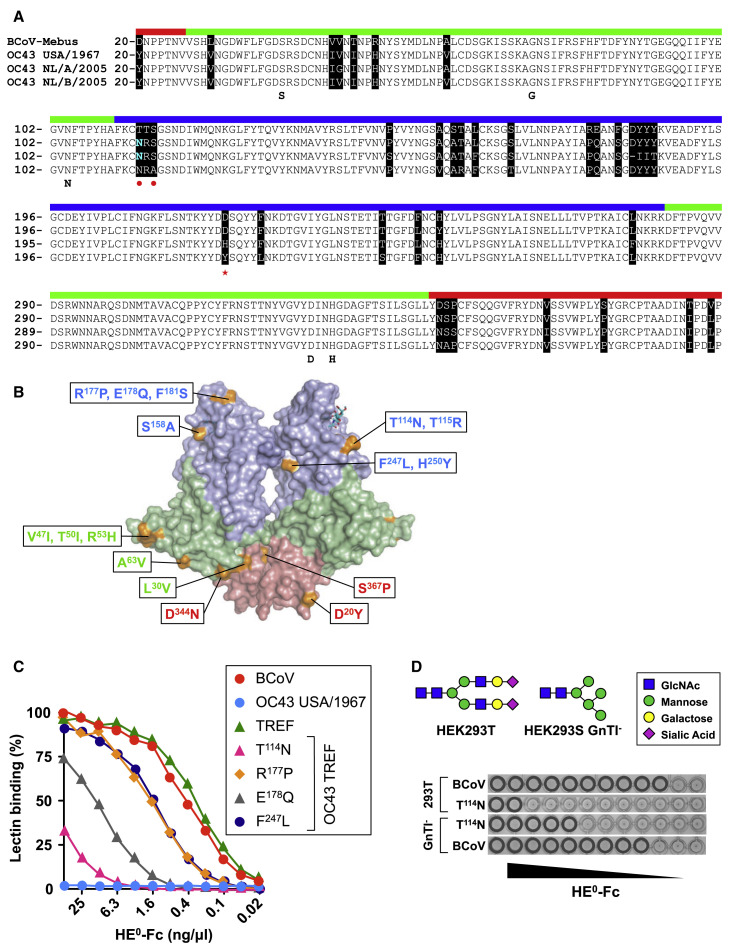
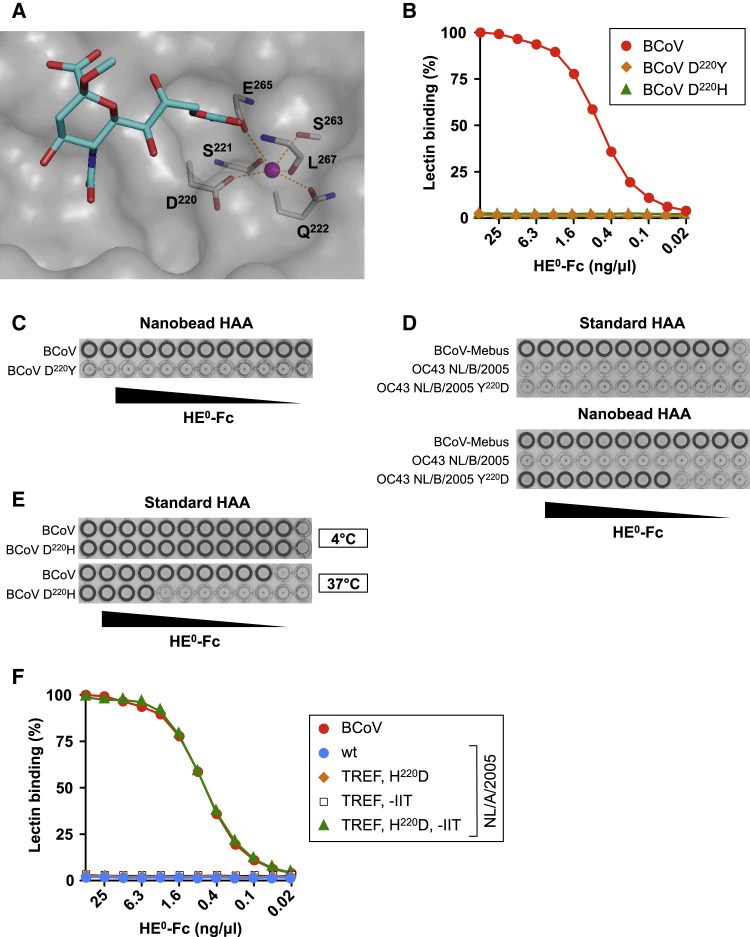
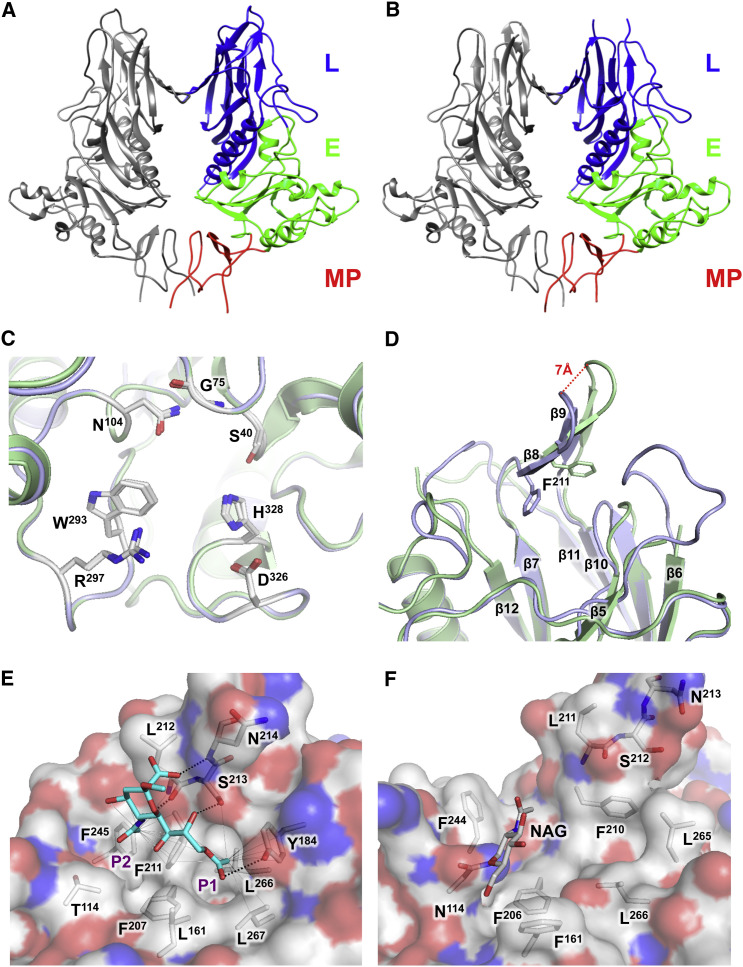
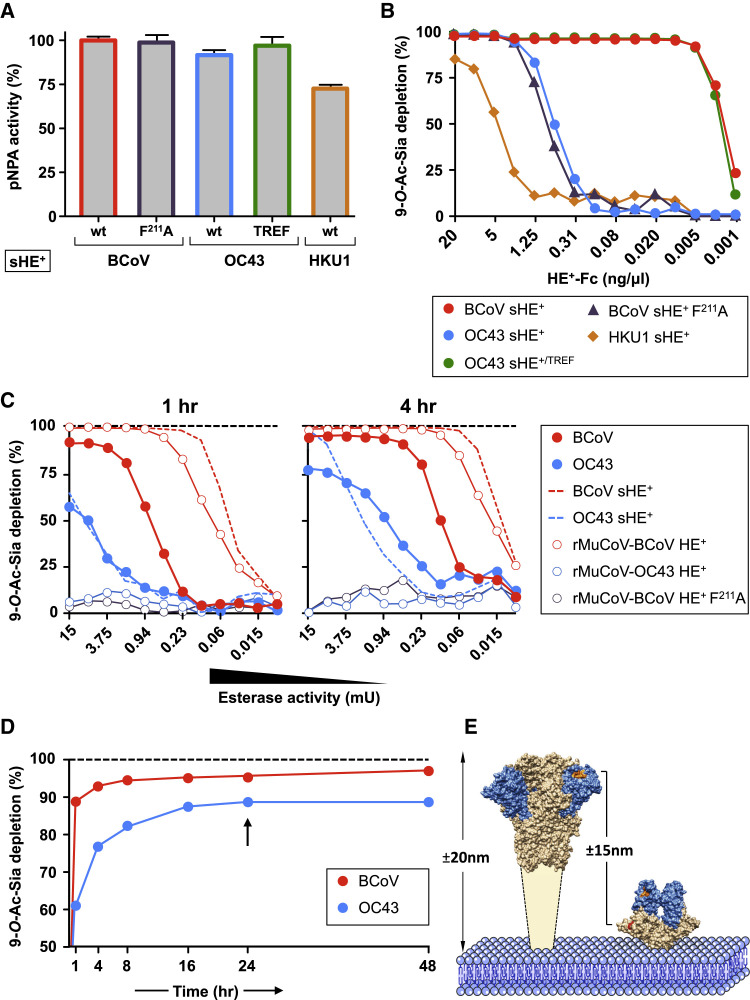
Human beta1-coronavirus (β1CoV) OC43 emerged relatively recently through a single zoonotic introduction. Like related animal β1CoVs, OC43 uses 9-O-acetylated sialic acid as receptor determinant. β1CoV receptor binding is typically controlled by attachment/fusion spike protein S and receptor-binding/receptor-destroying hemagglutinin-esterase protein HE. We show that following OC43's introduction into humans, HE-mediated receptor binding was selected against and ultimately lost through progressive accumulation of mutations in the HE lectin domain. Consequently, virion-associated receptor-destroying activity toward multivalent glycoconjugates was reduced and altered such that some clustered receptor populations are no longer cleaved. Loss of HE lectin function was also observed for another respiratory human coronavirus, HKU1. This thus appears to be an adaptation to the sialoglycome of the human respiratory tract and for replication in human airways. The findings suggest that the dynamics of virion-glycan interactions contribute to host tropism. Our observations are relevant also to other human respiratory viruses of zoonotic origin, particularly influenza A virus.
人类β1冠状病毒(β1CoV)OC43是相对较新出现的,源于一次单一的人畜共患病传播事件。与相关的动物β1冠状病毒一样,OC43利用9-O-乙酰化唾液酸作为受体决定簇。β1冠状病毒的受体结合通常由附着/融合刺突蛋白S和受体结合/受体破坏血凝素酯酶蛋白HE控制。我们发现,在OC43传入人类之后,针对HE介导的受体结合进行了选择,最终通过HE凝集素结构域中突变的逐步积累而丧失。因此,病毒体对多价糖缀合物的受体破坏活性降低并发生改变,以至于一些聚集的受体群体不再被裂解。在另一种人类呼吸道冠状病毒HKU1中也观察到了HE凝集素功能的丧失。因此,这似乎是对人类呼吸道唾液酸糖组的一种适应,以便在人类气道中复制。这些发现表明病毒体-聚糖相互作用的动态变化有助于宿主嗜性。我们的观察结果也与其他源于人畜共患病的人类呼吸道病毒有关,特别是甲型流感病毒。