Toprak Omer, Sarı Yasin, Koç Akif, Sarı Erhan, Kırık Ali
Division of Nephrology.
Division of Internal Medicine.
Clin Interv Aging. 2017 Feb 24;12:437-444. doi: 10.2147/CIA.S129377. eCollection 2017.
Erectile dysfunction (ED) is common in older men with chronic kidney disease. Magnesium is essential for metabolism of nitric oxide which helps in penile erection. There is little information available about the influence of serum magnesium on ED. The aim of the study was to assess the influence of hypomagnesemia on ED in elderly chronic kidney disease patients.
A total of 372 patients aged 65-85 years, with an estimated glomerular filtration rate of 60-15 mL/min/1.73 m, were divided into two groups according to serum magnesium levels: hypomagnesemia, n=180; and normomagnesemia, n=192. ED was assessed through the International Index of Erectile Function-5. Hypomagnesemia is defined as serum magnesium <1.8 mg/dL.
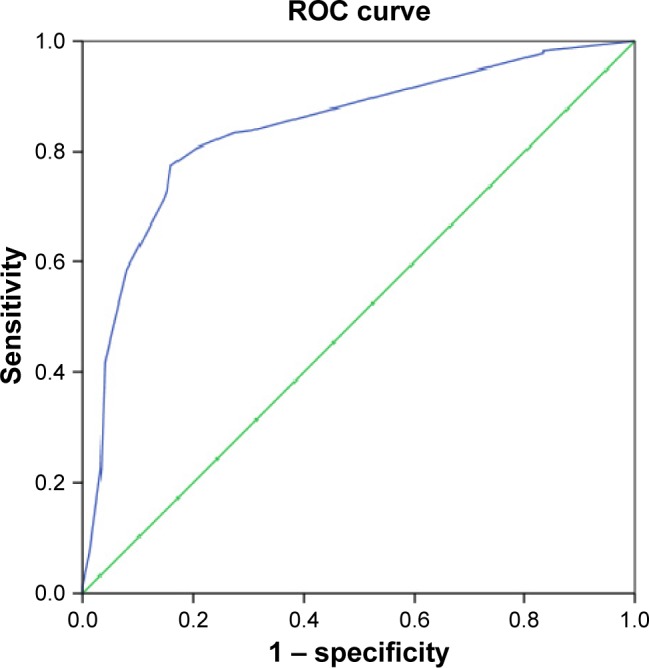
The prevalence of ED was higher among hypomagnesemic subjects compared to that among normomagnesemics (93.3% vs 70.8%, <0.001). Severe ED (62.8% vs 43.8%, =0.037), mild-to-moderate ED (12.2% vs 5.2%, =0.016), abdominal obesity (37.2% vs 22.9%, =0.003), metabolic syndrome (38.4% vs 19.2%, =0.026), proteinuria (0.83±0.68 vs 0.69±0.48 mg/dL, =0.023), and C-reactive protein (6.1±4.9 vs 4.1±3.6 mg/L, <0.001) were high; high-density lipoprotein cholesterol (48.8±14.0 vs 52.6±13.5 mg/dL, =0.009), and albumin (4.02±0.53 vs 4.18±0.38 g/dL, =0.001) were low in the hypomagnesemia group. Serum magnesium ≤1.85 mg/dL was the best cutoff point for prediction of ED. Hypomagnesemia (relative risk [RR] 2.27), age ≥70 (RR 1.74), proteinuria (RR 1.80), smoking (RR 21.12), C-reactive protein (RR 1.34), abdominal obesity (RR 3.92), and hypertension (RR 2.14) were predictors of ED.
Our data support that ED is related to hypomagnesemia in elderly patients with moderately to severely reduced kidney function.
勃起功能障碍(ED)在老年慢性肾脏病男性患者中很常见。镁对于一氧化氮的代谢至关重要,而一氧化氮有助于阴茎勃起。关于血清镁对ED的影响,目前可用信息较少。本研究的目的是评估低镁血症对老年慢性肾脏病患者ED的影响。
总共372例年龄在65 - 85岁之间、估计肾小球滤过率为60 - 15 mL/min/1.73 m²的患者,根据血清镁水平分为两组:低镁血症组,n = 180;正常镁血症组,n = 192。通过国际勃起功能指数-5评估ED。低镁血症定义为血清镁<1.8 mg/dL。
与正常镁血症患者相比,低镁血症患者中ED的患病率更高(93.3%对70.8%,P<0.001)。重度ED(62.8%对43.8%,P = 0.037)、轻度至中度ED(12.2%对5.2%,P = 0.016)、腹型肥胖(37.2%对22.9%,P = 0.003)、代谢综合征(38.4%对19.2%,P = 0.026)、蛋白尿(0.83±0.68对0.69±0.48 mg/dL,P = 0.023)以及C反应蛋白(6.1±4.9对4.1±3.6 mg/L,P<0.001)水平较高;低镁血症组的高密度脂蛋白胆固醇(48.8±14.0对52.6±13.5 mg/dL,P = 0.009)和白蛋白(4.02±0.53对4.18±0.38 g/dL,P = 0.001)水平较低。血清镁≤1.85 mg/dL是预测ED的最佳切点。低镁血症(相对危险度[RR] 2.27)、年龄≥70岁(RR 1.74)、蛋白尿(RR 1.80)、吸烟(RR 21.12)、C反应蛋白(RR 1.34)、腹型肥胖(RR 3.92)和高血压(RR 2.14)是ED的预测因素。
我们的数据支持,在肾功能中度至重度减退的老年患者中,ED与低镁血症有关。