Department of Molecular Biology, Princeton University, 110 Lewis Thomas Laboratory, Washington Road, Princeton, New Jersey 08544, USA.
Nat Commun. 2017 Mar 14;8:14781. doi: 10.1038/ncomms14781.
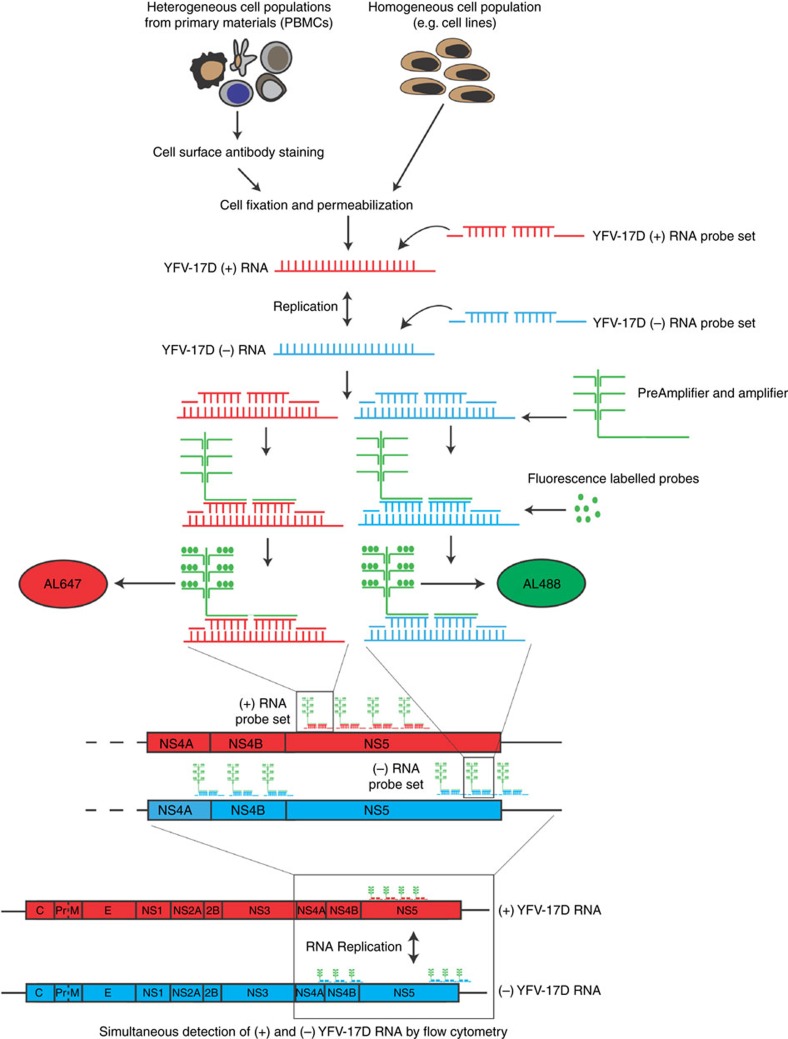
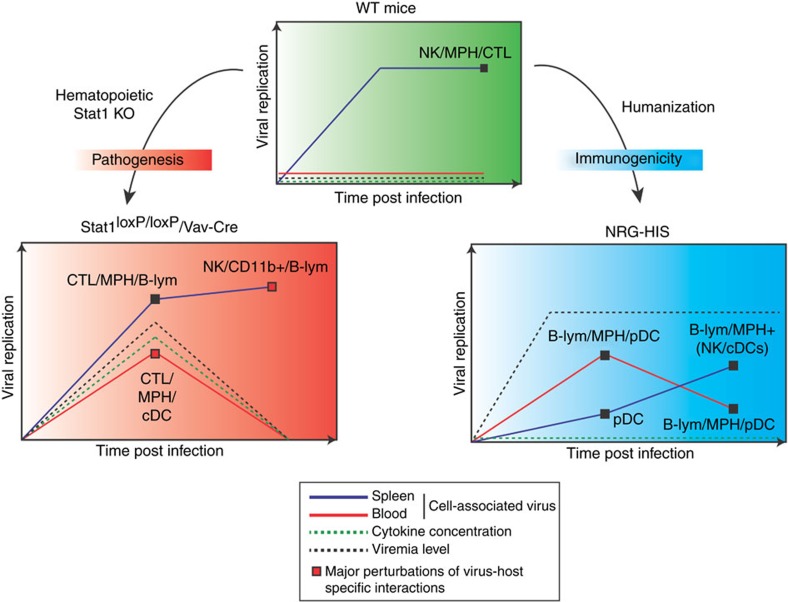
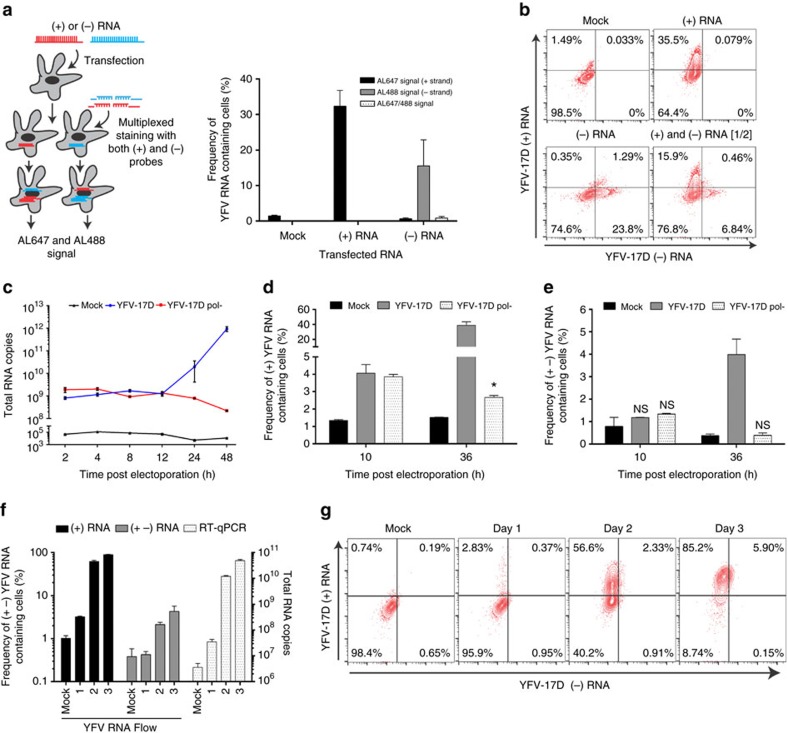
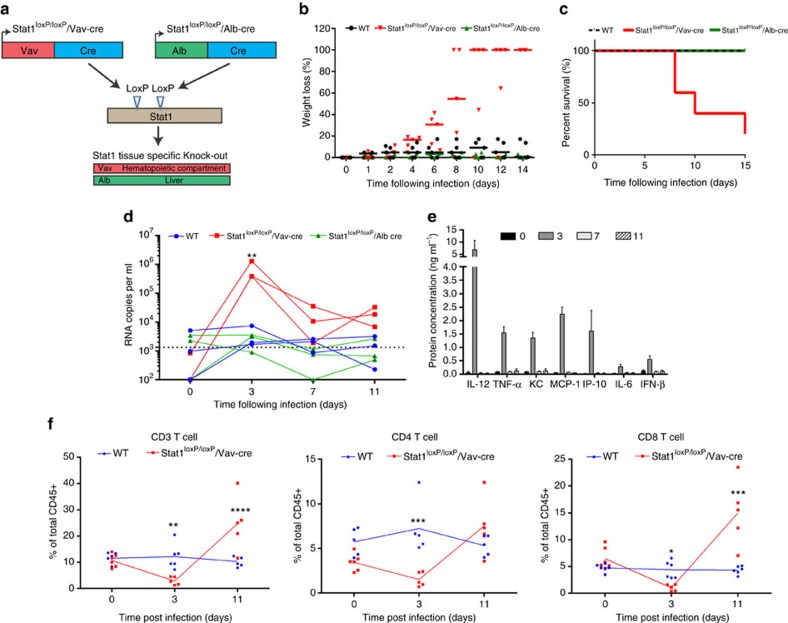
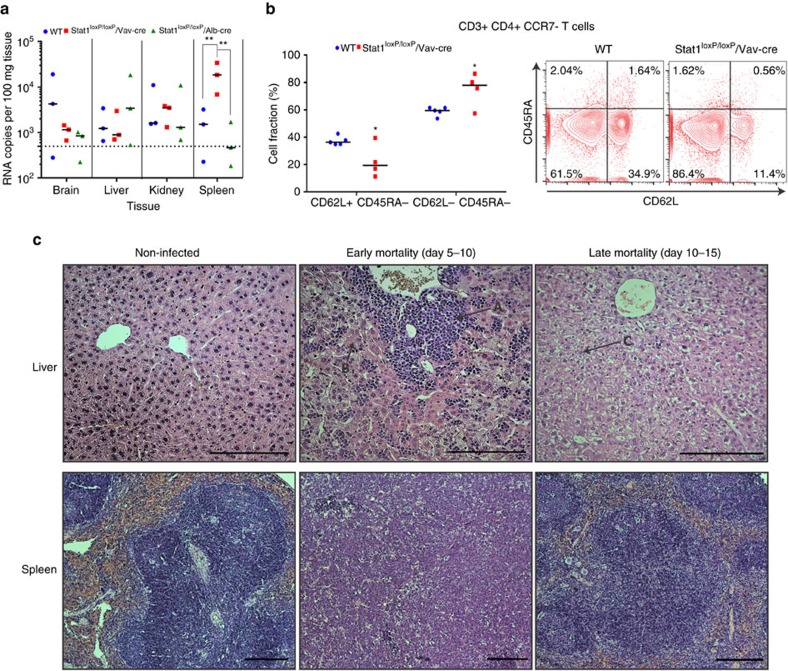
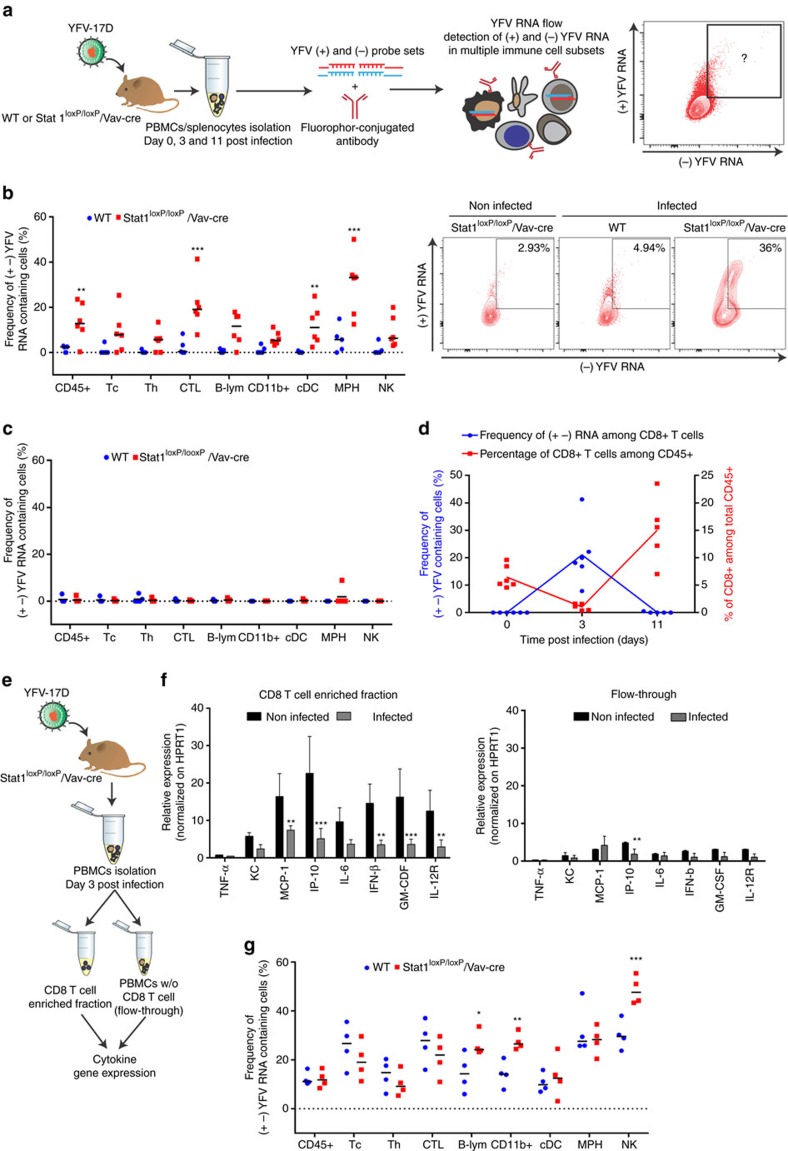
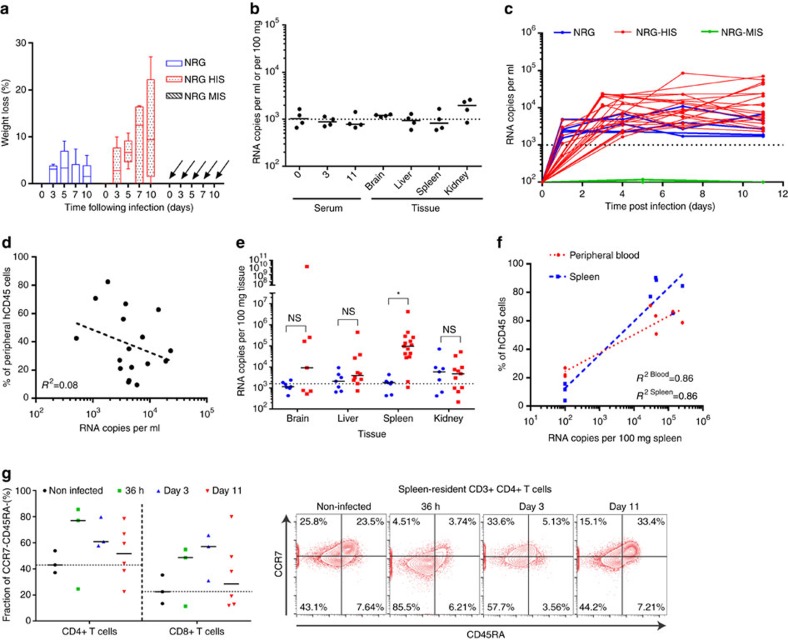
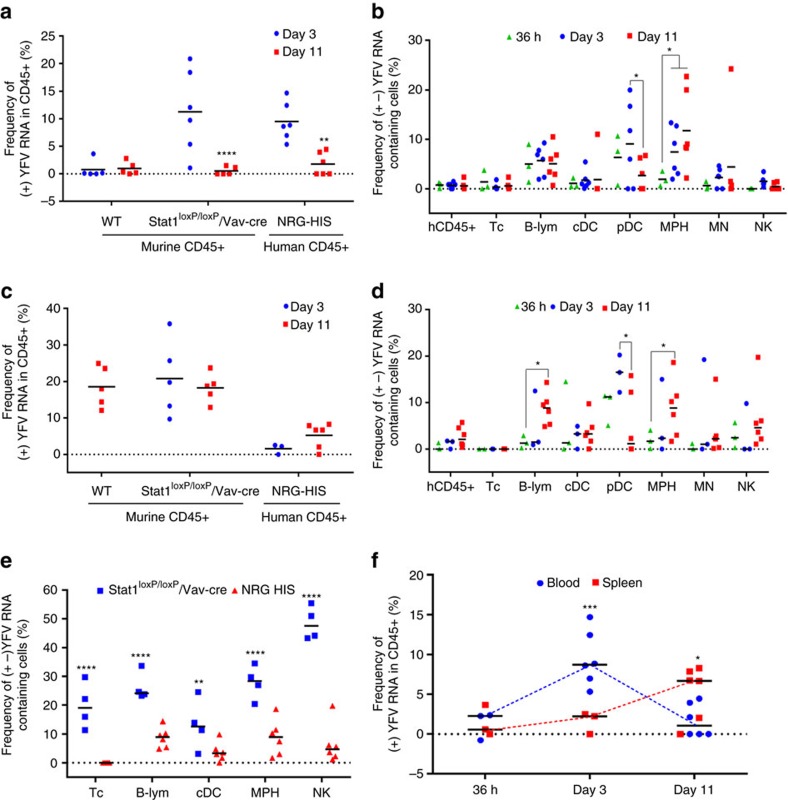
Positive-sense RNA viruses pose increasing health and economic concerns worldwide. Our limited understanding of how these viruses interact with their host and how these processes lead to virulence and disease seriously hampers the development of anti-viral strategies. Here, we demonstrate the tracking of (+) and (-) sense viral RNA at single-cell resolution within complex subsets of the human and murine immune system in different mouse models. Our results provide insights into how a prototypic flavivirus, yellow fever virus (YFV-17D), differentially interacts with murine and human hematopoietic cells in these mouse models and how these dynamics influence distinct outcomes of infection. We detect (-) YFV-17D RNA in specific secondary lymphoid compartments and cell subsets not previously recognized as permissive for YFV replication, and we highlight potential virus-host interaction events that could be pivotal in regulating flavivirus virulence and attenuation.
正链 RNA 病毒对全球的健康和经济构成了越来越大的威胁。我们对这些病毒如何与宿主相互作用以及这些过程如何导致毒力和疾病的理解有限,严重阻碍了抗病毒策略的发展。在这里,我们在不同的小鼠模型中,在人类和鼠类免疫系统的复杂亚群中,以单细胞分辨率追踪 (+)和 (-) 链病毒 RNA。我们的研究结果提供了有关黄热病毒 (YFV-17D) 如何在这些小鼠模型中与鼠类和人类造血细胞不同地相互作用,以及这些动态如何影响感染的不同结果的见解。我们在以前未被认为允许 YFV 复制的特定次级淋巴器官和细胞亚群中检测到 (-) YFV-17D RNA,并且我们强调了可能在调节黄病毒毒力和减毒方面起关键作用的潜在病毒-宿主相互作用事件。