Laboratory of Infectious Diseases, National Institute of Allergy and Infectious Diseases (NIAID), National Institutes of Health (NIH), Bethesda, Maryland, United States of America.
Department of Microbiology, Icahn School of Medicine at Mount Sinai, New York, New York, United States of America.
PLoS Pathog. 2020 Jul 2;16(7):e1008601. doi: 10.1371/journal.ppat.1008601. eCollection 2020 Jul.
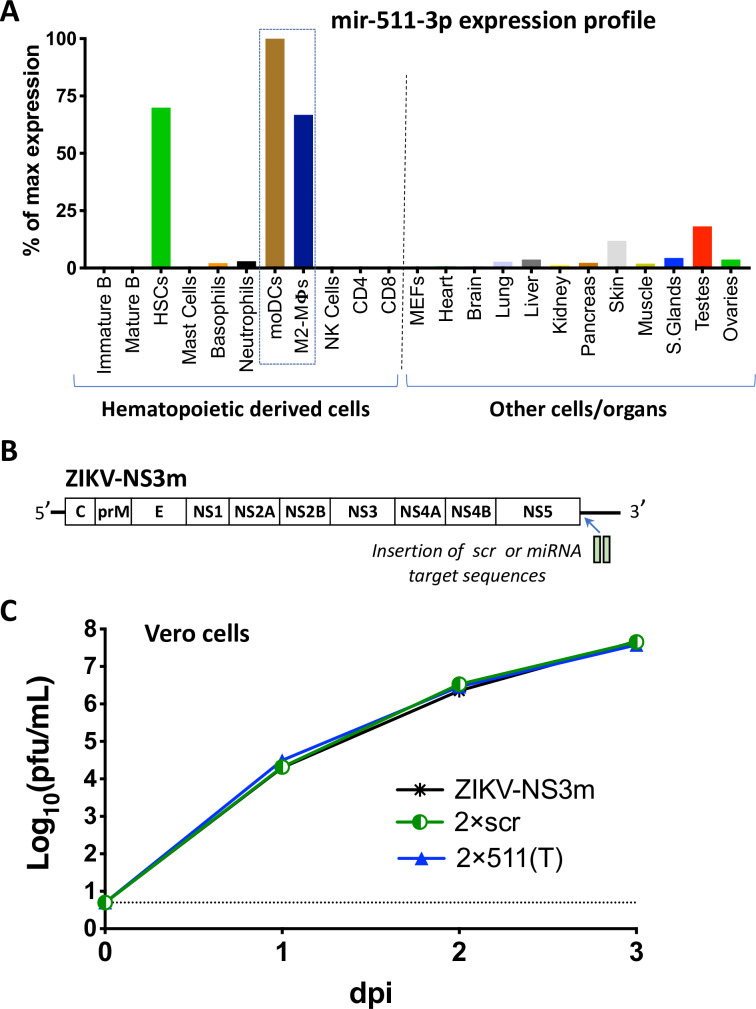
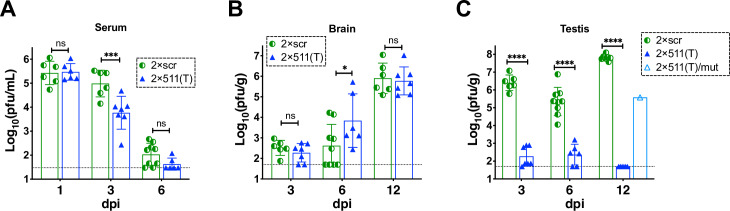
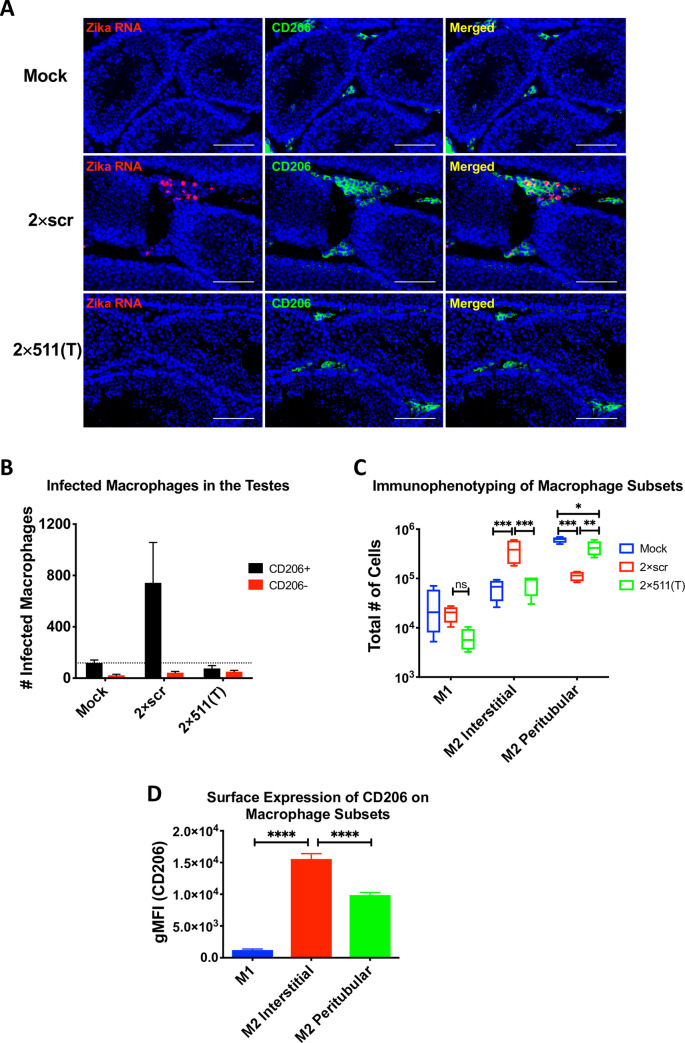
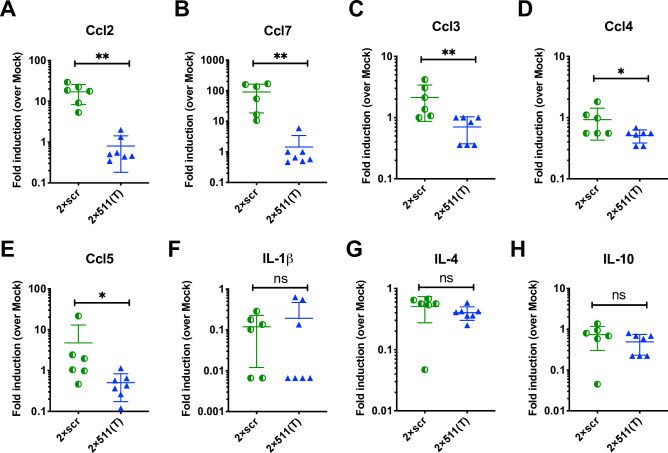
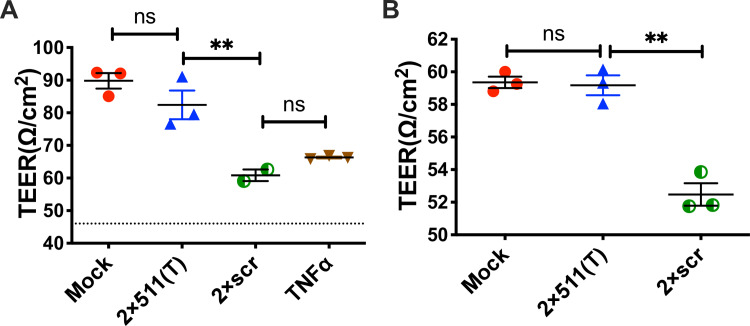
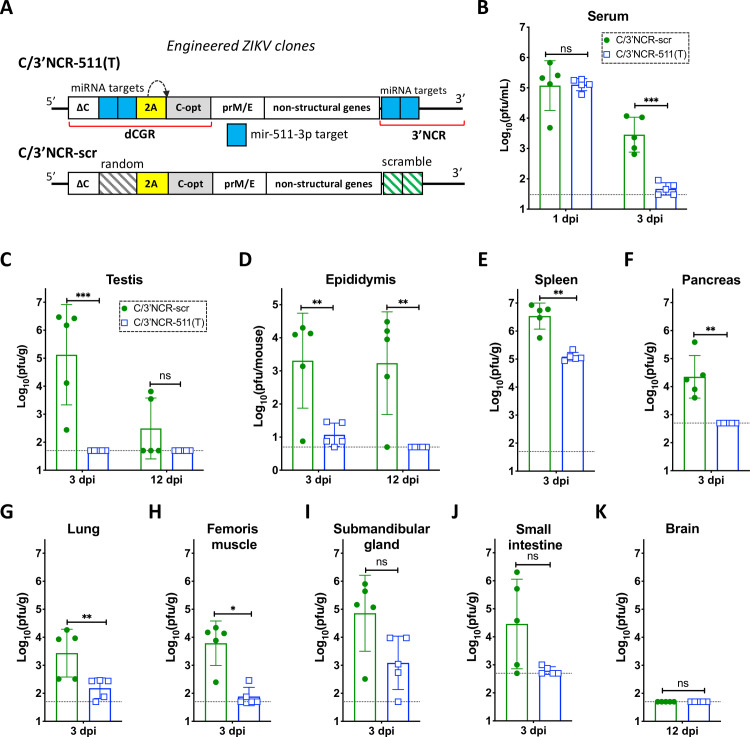
Sexual transmission and persistence of Zika virus (ZIKV) in the testes pose new challenges for controlling virus outbreaks and developing live-attenuated vaccines. It has been shown that testicular infection of ZIKV is initiated in the testicular interstitium, followed by spread of the virus in the seminiferous tubules. This leads to testicular damage and/or viral dissemination into the epididymis and eventually into semen. However, it remains unknown which cell types are targeted by ZIKV in the testicular interstitium, and what is the specific order of infectious events leading to ZIKV invasion of the seminiferous tubules. Here, we demonstrate that interstitial leukocytes expressing mir-511-3p microRNA are the initial targets of ZIKV in the testes, and infection of mir-511-3p-expressing cells in the testicular interstitium is necessary for downstream infection of the seminiferous tubules. Mir-511-3p is expressed concurrently with CD206, a marker of lineage 2 (M2) macrophages and monocyte derived dendritic cells (moDCs). Selective restriction of ZIKV infection of CD206-expressing M2 macrophages/moDCs results in the attenuation of macrophage-associated inflammatory responses in vivo and prevents the disruption of the Sertoli cell barrier in vitro. Finally, we show that targeting of viral genome for mir-511-3p significantly attenuates early ZIKV replication not only in the testes, but also in many peripheral organs, including spleen, epididymis, and pancreas. This incriminates M2 macrophages/moDCs as important targets for visceral ZIKV replication following hematogenous dissemination of the virus from the site of infection.
寨卡病毒(ZIKV)在睾丸中的性传播和持续存在给控制病毒爆发和开发减毒活疫苗带来了新的挑战。已经表明,ZIKV 的睾丸感染是从睾丸间质开始的,随后病毒在生精小管中传播。这导致睾丸损伤和/或病毒传播到附睾,最终传播到精液中。然而,目前尚不清楚 ZIKV 在睾丸间质中靶向哪些细胞类型,以及导致 ZIKV 侵入生精小管的感染事件的具体顺序。在这里,我们证明表达 mir-511-3p 微 RNA 的间质白细胞是睾丸中 ZIKV 的初始靶标,并且睾丸间质中表达 mir-511-3p 的细胞的感染是生精小管下游感染所必需的。mir-511-3p 与 CD206 同时表达,CD206 是谱系 2(M2)巨噬细胞和单核细胞衍生的树突状细胞(moDC)的标志物。ZIKV 对表达 CD206 的 M2 巨噬细胞/ moDC 的感染的选择性限制导致体内巨噬细胞相关炎症反应的减弱,并防止体外 Sertoli 细胞屏障的破坏。最后,我们表明针对 mir-511-3p 的病毒基因组的靶向显著减弱了早期 ZIKV 复制,不仅在睾丸中,而且在许多外周器官中,包括脾脏、附睾和胰腺。这表明 M2 巨噬细胞/ moDC 是病毒从感染部位血源性传播后内脏 ZIKV 复制的重要靶标。