Department of Theoretical Physics, Universidad de Zaragoza, Zaragoza 50009, Spain.
Institute for Biocomputation and Physics of Complex Systems (BIFI), Universidad de Zaragoza, 50018, Zaragoza, Spain.
Sci Rep. 2017 Mar 15;7:44359. doi: 10.1038/srep44359.
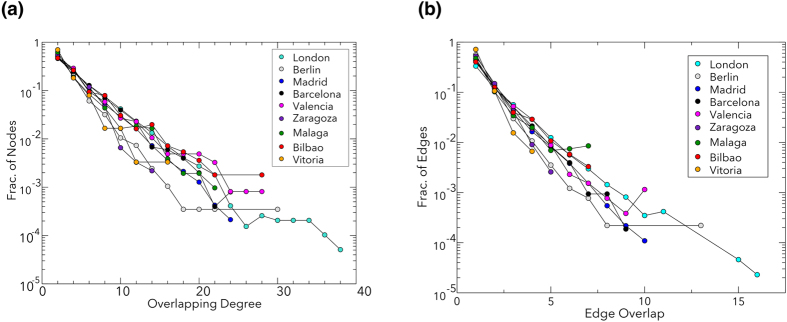
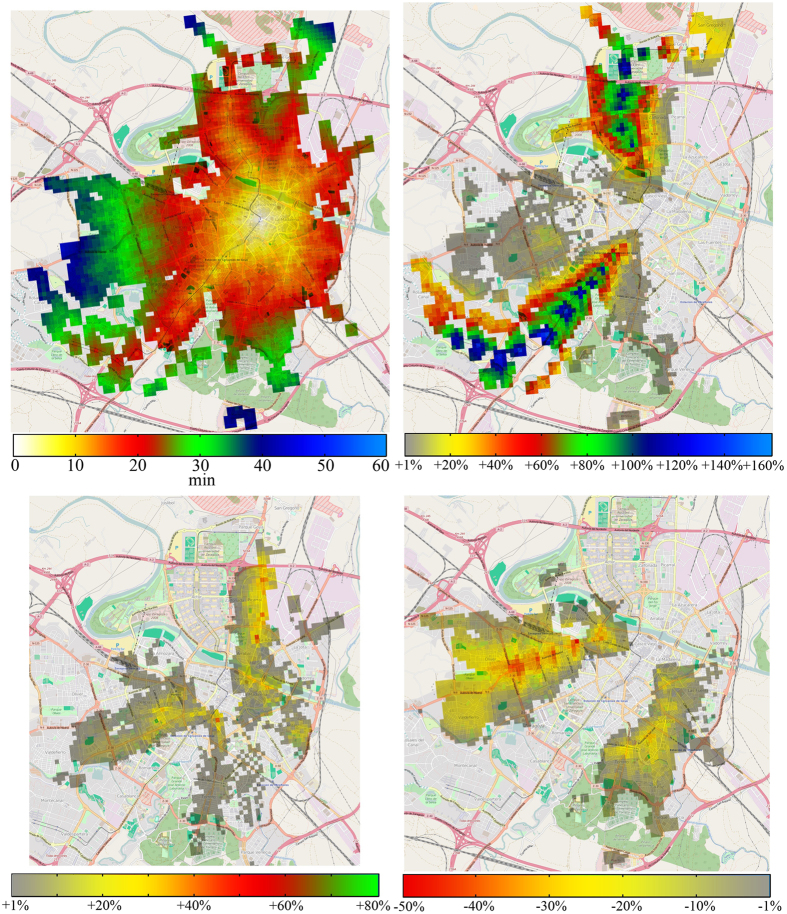
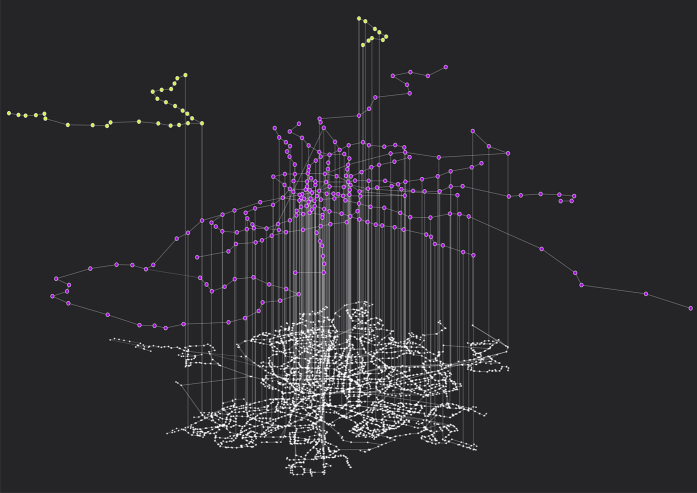
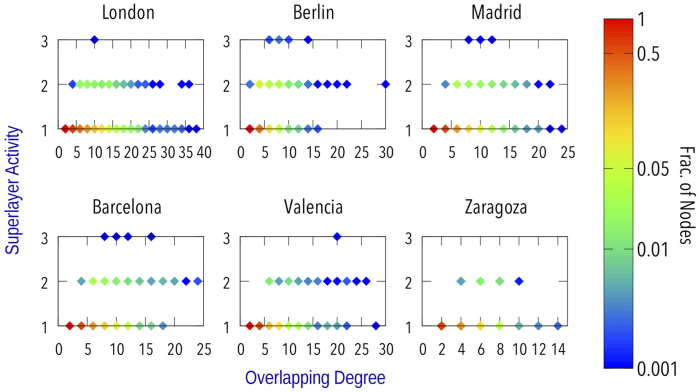
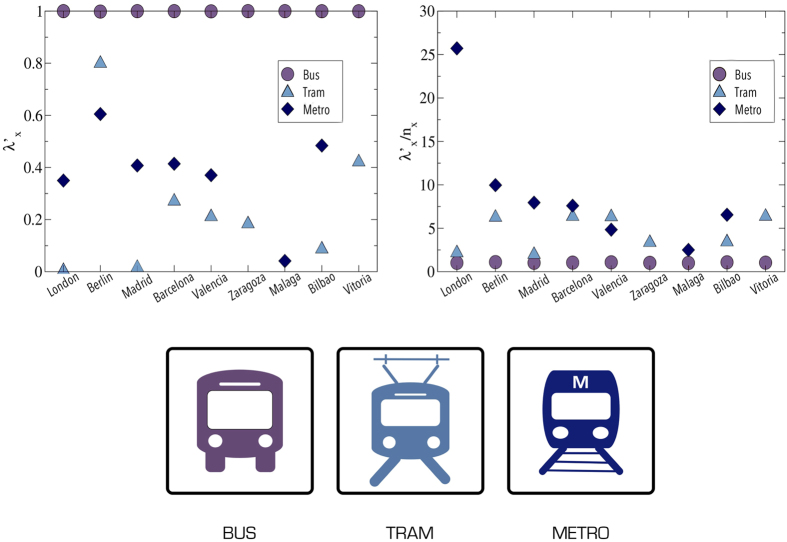
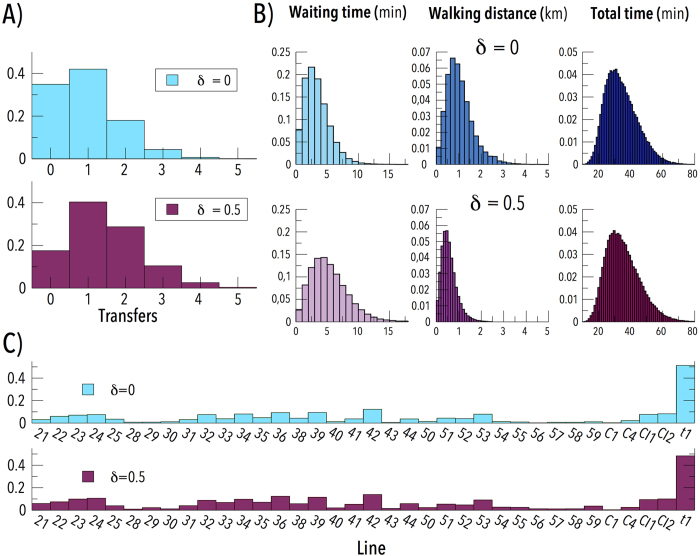
Public urban mobility systems are composed by several transportation modes connected together. Most studies in urban mobility and planning often ignore the multi-layer nature of transportation systems considering only aggregated versions of this complex scenario. In this work we present a model for the representation of the transportation system of an entire city as a multiplex network. Using two different perspectives, one in which each line is a layer and one in which lines of the same transportation mode are grouped together, we study the interconnected structure of 9 different cities in Europe raging from small towns to mega-cities like London and Berlin highlighting their vulnerabilities and possible improvements. Finally, for the city of Zaragoza in Spain, we also consider data about service schedule and waiting times, which allow us to create a simple yet realistic model for urban mobility able to reproduce real-world facts and to test for network improvements.
公共城市交通系统由多个交通模式连接而成。大多数城市交通和规划方面的研究往往忽略了交通系统的多层次性,只考虑了这种复杂情况的聚合版本。在这项工作中,我们提出了一个模型,用于将整个城市的交通系统表示为一个多重网络。我们使用两种不同的视角,一种是每条线路都是一个层,另一种是将同一交通模式的线路分组在一起,研究了欧洲 9 个不同城市的互联结构,这些城市的规模从小城镇到像伦敦和柏林这样的特大城市不等,突出了它们的脆弱性和可能的改进。最后,对于西班牙的萨拉戈萨市,我们还考虑了关于服务时间表和等待时间的数据,这使我们能够创建一个简单而现实的城市交通模型,能够再现现实世界的事实,并测试网络的改进。