Umar Nisser, Fordham Richard, Abubakar Ibrahim, Bachmnn Max
School of Medicine, Health Policy and Practice, University of East Anglia, Norwich, UK; Bauchi State Agency for the Control of HIV/AIDS, Tuberculosis, Leprosy and Malaria, Bauchi, Nigeria.
School of Medicine, Health Policy and Practice, University of East Anglia, Norwich, UK.
J Public Health Afr. 2011 Sep 5;2(2):e19. doi: 10.4081/jphia.2011.e19.
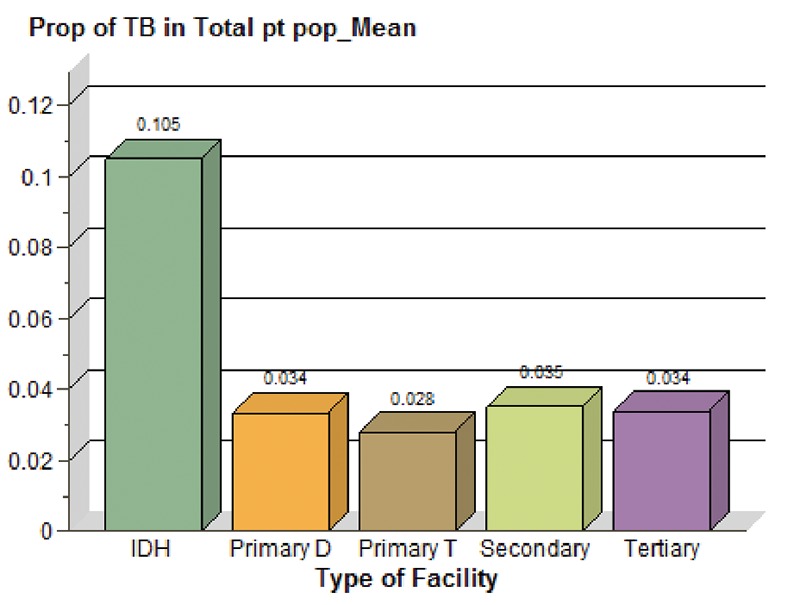
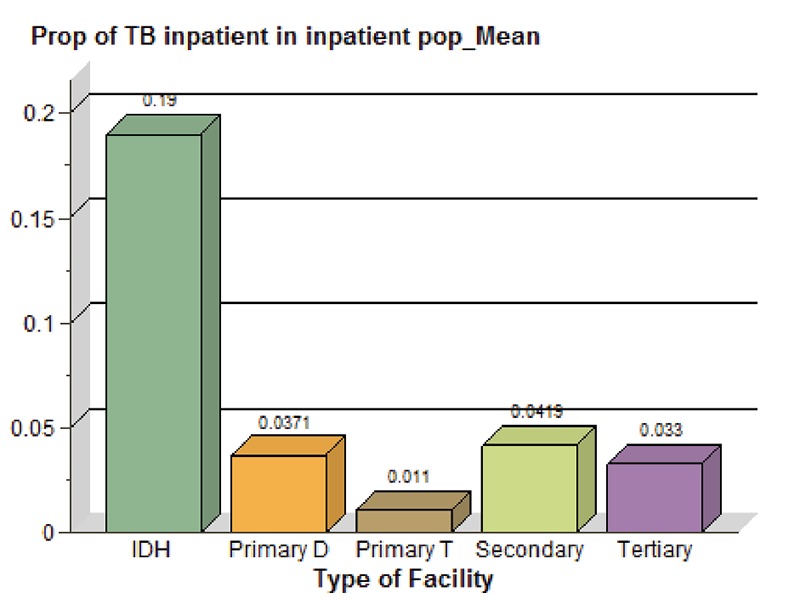
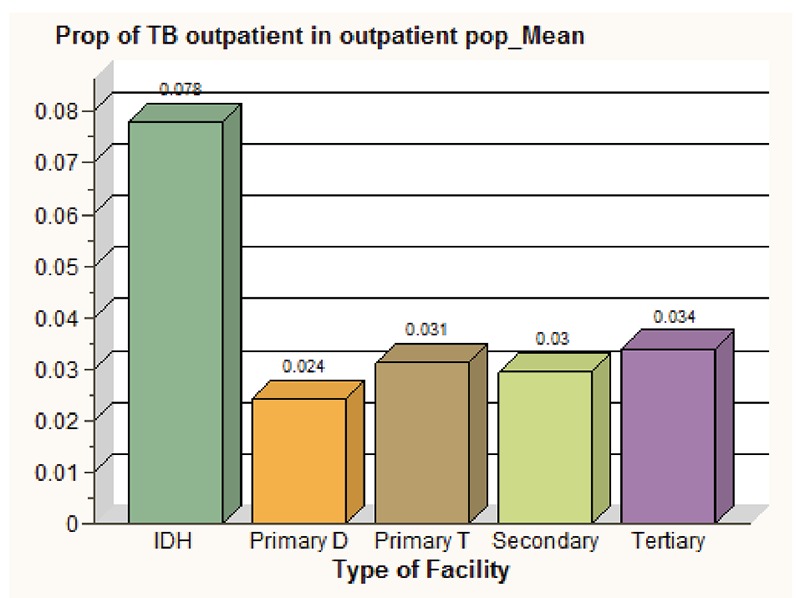
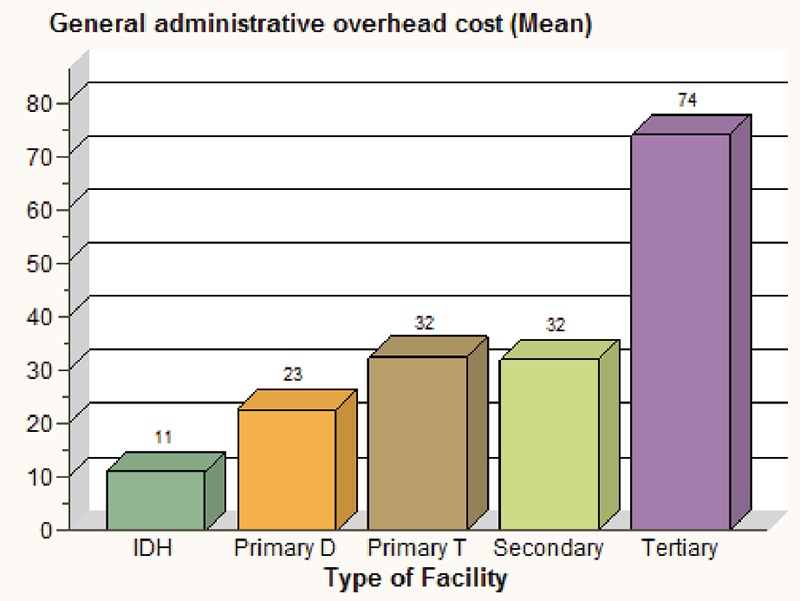
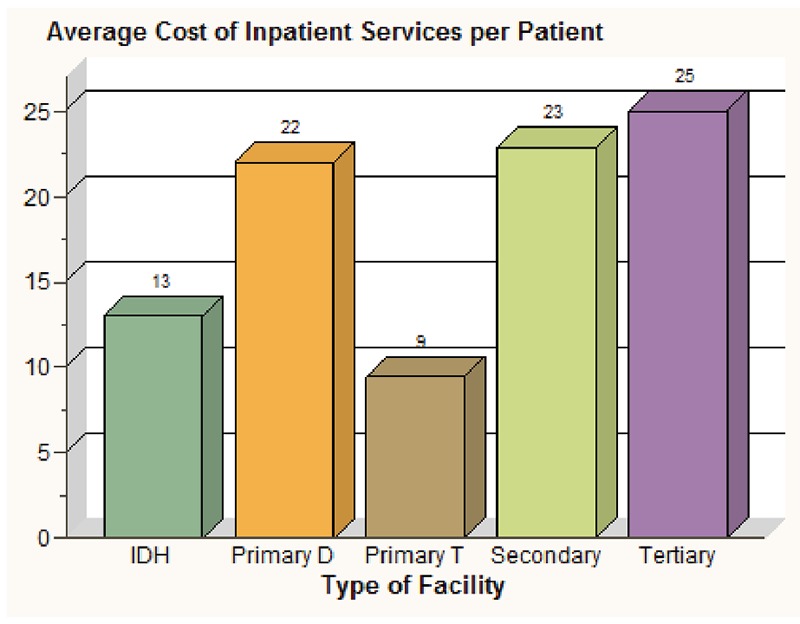
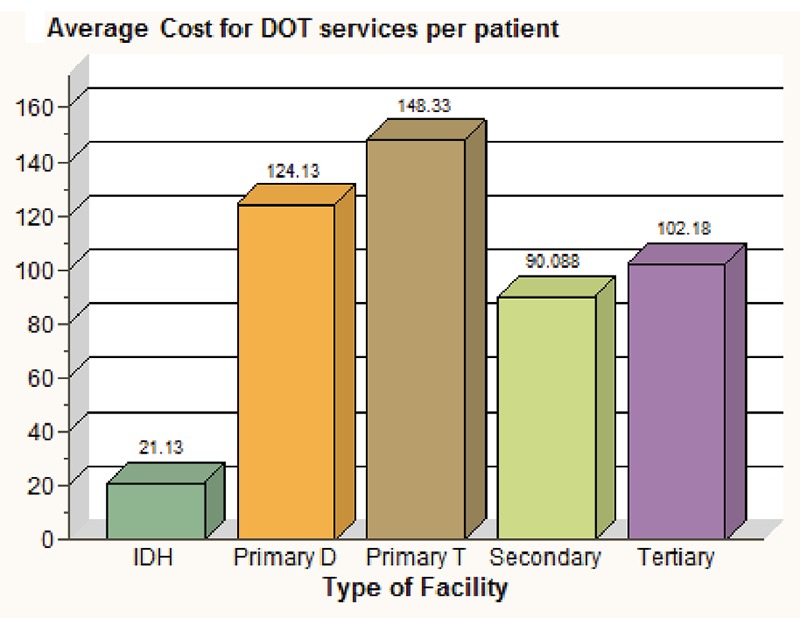
The study was aimed at assessing the economic cost shouldered by government, as providers, in the provision of free Tuberculosis (TB) diagnosis and treatment services in Bauchi State, northern Nigeria. A cost analysis study was designed and questionnaires administered by the principal investigators to officers in charge of 27 randomly sampled government TB services providers across the State of Bauchi. Seventeen of these centers were primary care centers, 9 secondary care providers and one was a tertiary care provider. Data was also collected from personnel and projects records in the State Ministry of Health, of Works as well as the Ministry of Budget and Planning. The cost of buildings, staff and equipment replacement, laboratory, radiology and drugs in facilities were assessed and costs attributable tuberculosis inpatient, outpatient and directly observed therapy (DOT) services were estimated from the total cost based on the proportion of TB cases in the total patient pool accessing those services. The average proportion of TB patients in facilities was 3.4% in overall, 3.3% among inpatients and 3.1% in the outpatient population. The average cost spent to treat a patient with TB was estimated at US $227.14. The cost of inpatient care averaged $16.95/patient; DOT and outpatient services was $133.34/patient, while the overhead cost per patient was $30.89. The overall cost and all computed cost elements, except for DOT services, were highest in the tertiary center and least expensive in the infectious diseases hospital partly due to the higher administrative and other overhead recurrent spending in the tertiary health facility while the lower overhead cost observed in the infectious diseases hospital could be due to the economy of scale as a result of the relative higher number of TB cases seen in the facility operating with relatively same level of resources as other facilities in the state.
该研究旨在评估尼日利亚北部包奇州政府作为提供者在提供免费结核病(TB)诊断和治疗服务时所承担的经济成本。设计了一项成本分析研究,由主要研究人员向包奇州27个随机抽样的政府结核病服务提供者的负责人发放问卷。其中17个中心是初级保健中心,9个是二级保健提供者,1个是三级保健提供者。还从州卫生部、工程部以及预算和规划部的人员和项目记录中收集了数据。评估了设施中的建筑、人员和设备更换、实验室、放射科和药品成本,并根据获得这些服务的总患者池中结核病病例的比例,从总成本中估算出结核病住院、门诊和直接观察治疗(DOT)服务的成本。设施中结核病患者的平均比例总体为3.4%,住院患者中为3.3%,门诊患者中为3.1%。治疗一名结核病患者的平均成本估计为227.14美元。住院护理成本平均为16.95美元/患者;DOT和门诊服务为133.34美元/患者,而每位患者的间接费用为30.89美元。除DOT服务外,三级中心的总体成本和所有计算出的成本要素最高,传染病医院的成本最低,部分原因是三级卫生设施的行政和其他间接经常性支出较高,而传染病医院观察到的间接成本较低可能是由于规模经济,因为该设施中结核病病例数量相对较多,其资源水平与该州其他设施相对相同。