Chin Eunice H, Schmidt Kim L, Martel Kaitlyn M, Wong Chi Kin, Hamden Jordan E, Gibson William T, Soma Kiran K, Christians Julian K
Department of Biological Sciences, Simon Fraser University, Burnaby, BC, Canada.
Department of Psychology, University of British Columbia, Vancouver, BC, Canada.
PLoS One. 2017 Mar 16;12(3):e0174030. doi: 10.1371/journal.pone.0174030. eCollection 2017.
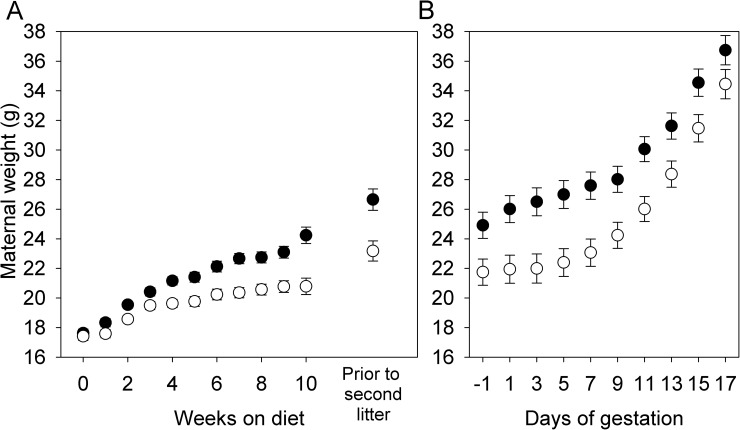
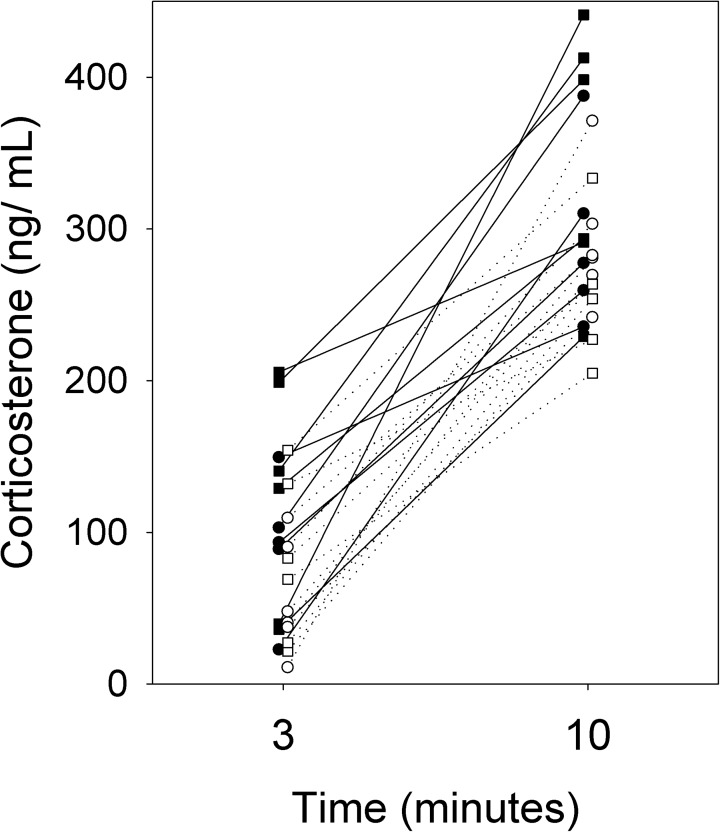
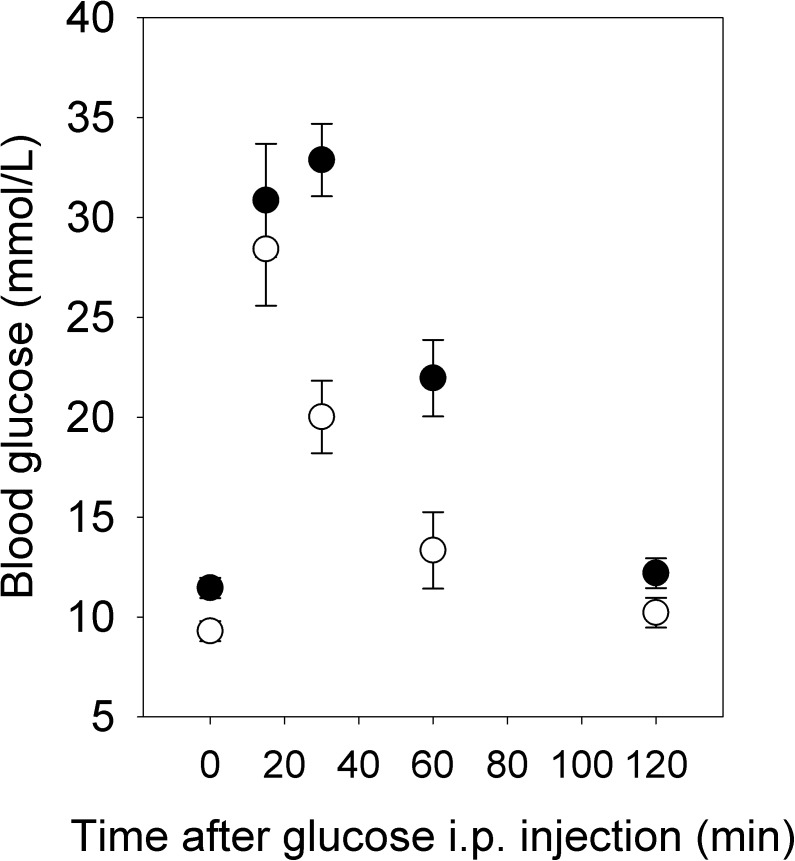
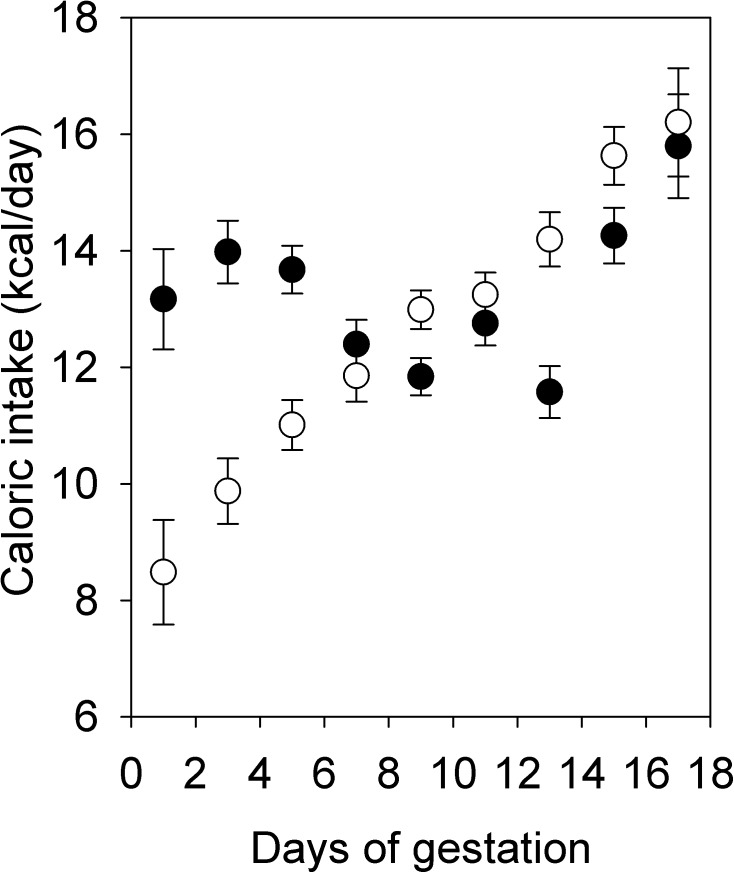
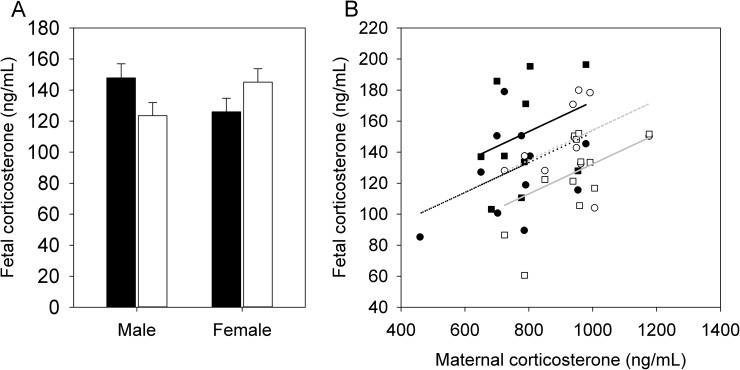
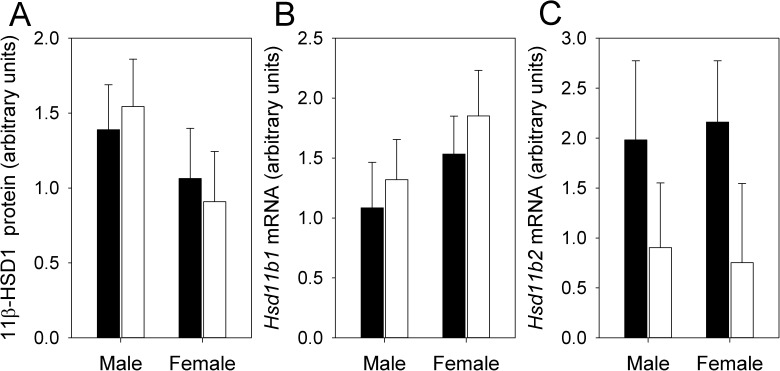
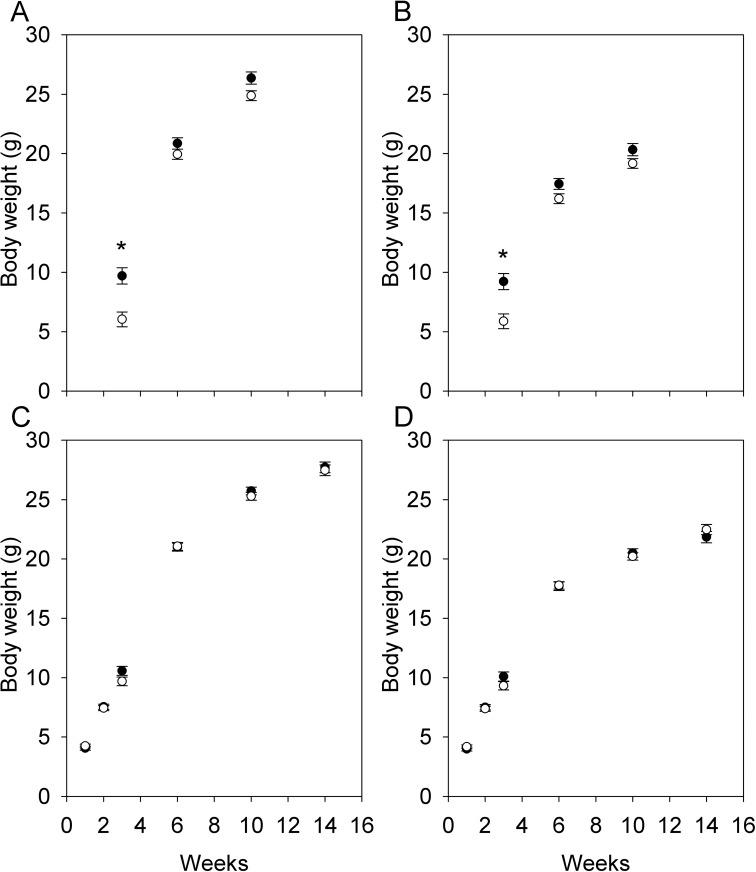
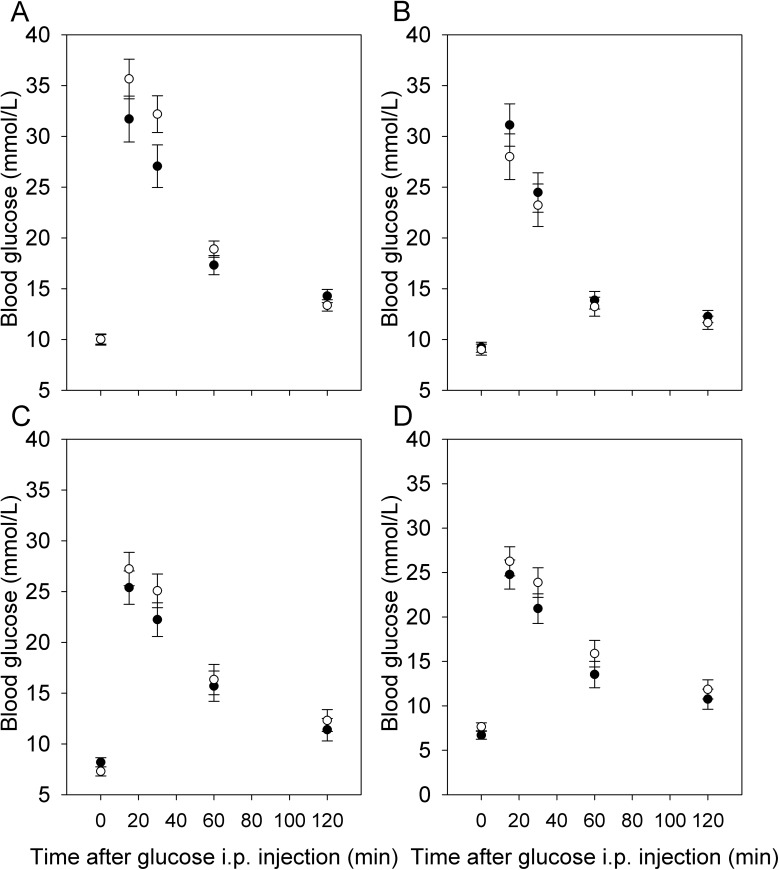
Maternal overnutrition and obesity during pregnancy can have long-term effects on offspring physiology and behaviour. These developmental programming effects may be mediated by fetal exposure to glucocorticoids, which is regulated in part by placental 11β-hydroxysteroid dehydrogenase (11β-HSD) type 1 and 2. We tested whether a maternal high-fat, high-sucrose diet would alter expression of placental 11β-HSD1 and 2, thereby increasing fetal exposure to maternal glucocorticoids, with downstream effects on offspring physiology and behaviour. C57BL/6J mice were fed a high-fat, high-sucrose (HFHS) diet or a nutrient-matched low-fat, no-sucrose control diet prior to and during pregnancy and lactation. At day 17 of gestation, HFHS dams had ~20% lower circulating corticosterone levels than controls. Furthermore, there was a significant interaction between maternal diet and fetal sex for circulating corticosterone levels in the fetuses, whereby HFHS males tended to have higher corticosterone than control males, with no effect in female fetuses. However, placental 11β-HSD1 or 11β-HSD2 expression did not differ between diets or show an interaction between diet and sex. To assess potential long-term consequences of this sex-specific effect on fetal corticosterone, we studied locomotor activity and metabolic traits in adult offspring. Despite a sex-specific effect of maternal diet on fetal glucocorticoids, there was little evidence of sex-specific effects on offspring physiology or behaviour, although HFHS offspring of both sexes had higher circulating corticosterone at 9 weeks of age. Our results suggest the existence of as yet unknown mechanisms that mitigate the effects of altered glucocorticoid exposure early in development, making offspring resilient to the potentially negative effects of a HFHS maternal diet.
孕期母体营养过剩和肥胖会对后代的生理和行为产生长期影响。这些发育编程效应可能由胎儿暴露于糖皮质激素介导,而这部分受胎盘11β-羟基类固醇脱氢酶(11β-HSD)1型和2型的调控。我们测试了母体高脂高糖饮食是否会改变胎盘11β-HSD1和2的表达,从而增加胎儿对母体糖皮质激素的暴露,并对后代的生理和行为产生下游影响。C57BL/6J小鼠在怀孕和哺乳前及期间被喂食高脂高糖(HFHS)饮食或营养匹配的低脂无糖对照饮食。在妊娠第17天,HFHS组母鼠的循环皮质酮水平比对照组低约20%。此外,母体饮食和胎儿性别对胎儿循环皮质酮水平存在显著交互作用,即HFHS组雄性胎儿的皮质酮往往高于对照组雄性胎儿,而对雌性胎儿无影响。然而,不同饮食组之间胎盘11β-HSD1或11β-HSD2的表达没有差异,也未显示饮食和性别之间的交互作用。为了评估这种胎儿皮质酮性别特异性效应的潜在长期后果,我们研究了成年后代的运动活动和代谢特征。尽管母体饮食对胎儿糖皮质激素有性别特异性效应,但几乎没有证据表明对后代生理或行为存在性别特异性效应,不过两性的HFHS后代在9周龄时循环皮质酮水平都较高。我们的结果表明存在尚未知晓的机制,可减轻发育早期糖皮质激素暴露改变的影响,使后代对母体HFHS饮食的潜在负面影响具有抵抗力。