
棕榈酸盐通过引发内质网应激及随后的C/EBP同源蛋白激活来增加β-位点淀粉样前体蛋白裂解酶1活性和淀粉样β蛋白生成。
Palmitate Increases β-site AβPP-Cleavage Enzyme 1 Activity and Amyloid-β Genesis by Evoking Endoplasmic Reticulum Stress and Subsequent C/EBP Homologous Protein Activation.
作者信息
Marwarha Gurdeep, Rostad Stephen, Lilek Jaclyn, Kleinjan Mason, Schommer Jared, Ghribi Othman
出版信息
J Alzheimers Dis. 2017;57(3):907-925. doi: 10.3233/JAD-161130.
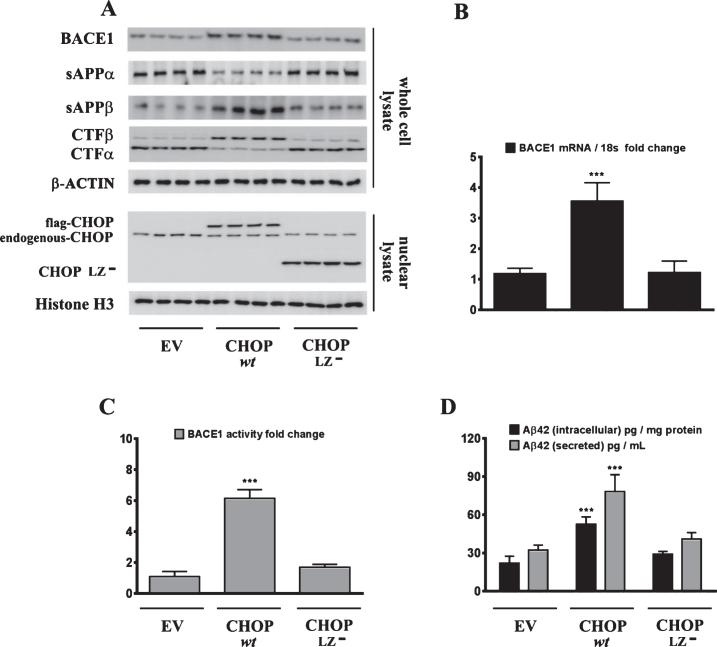
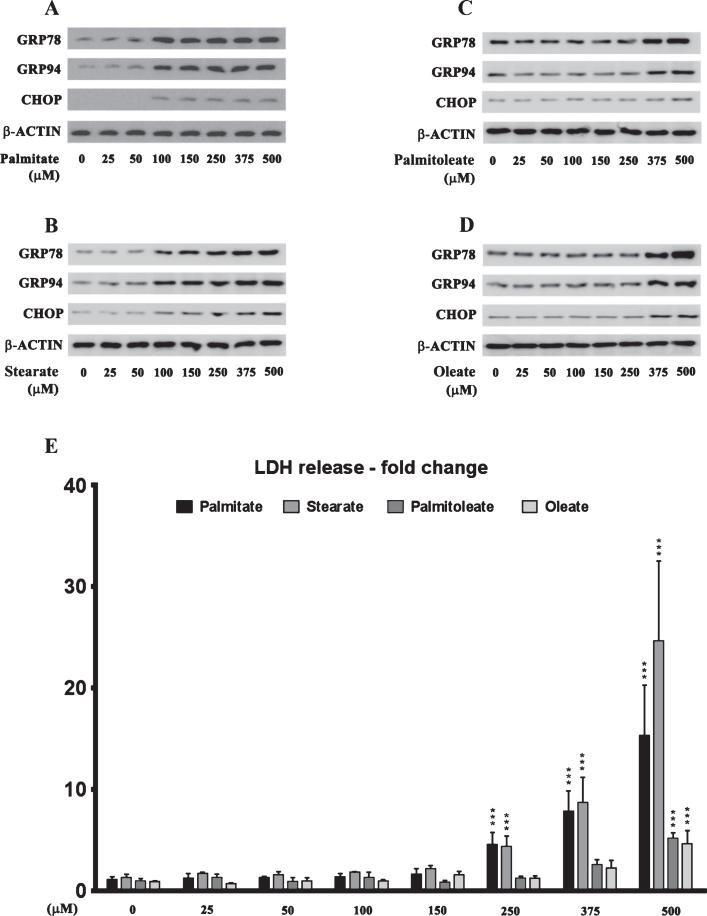
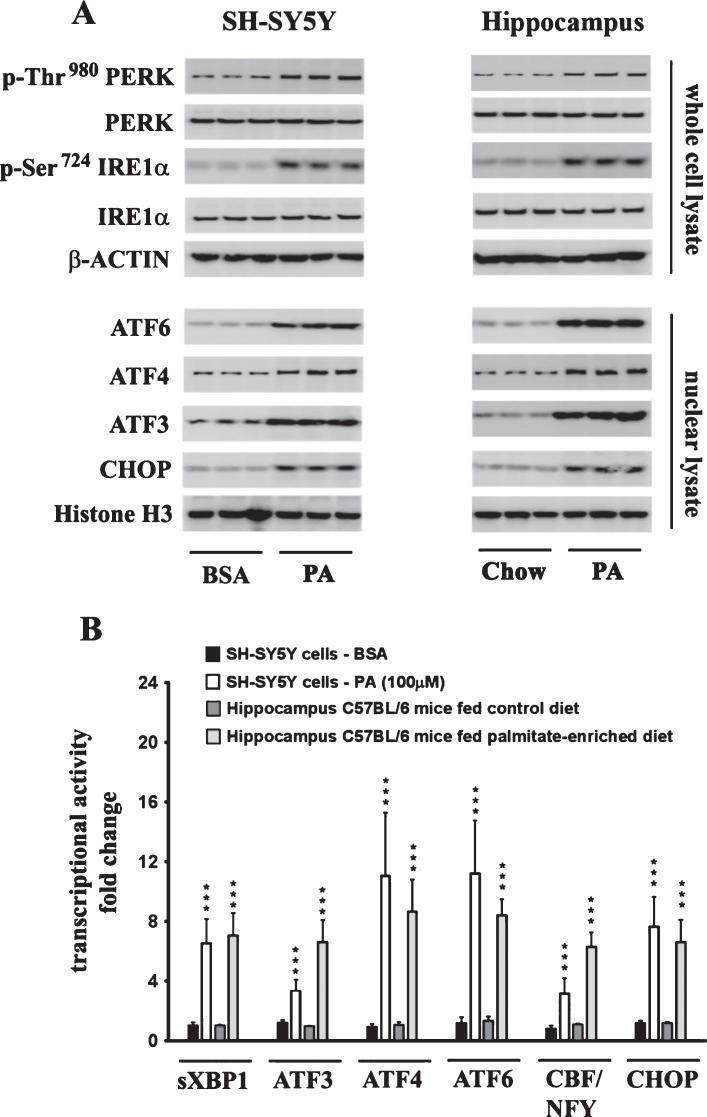
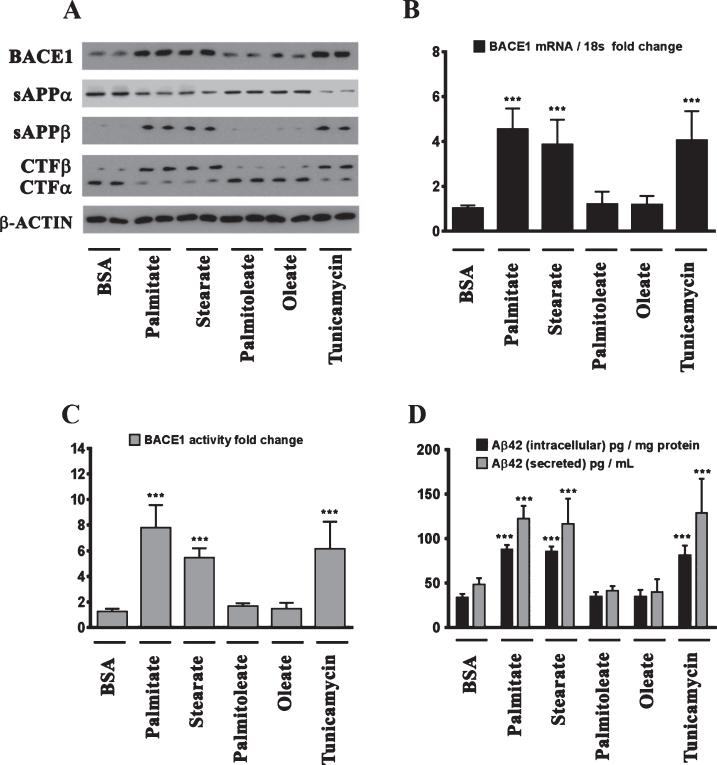
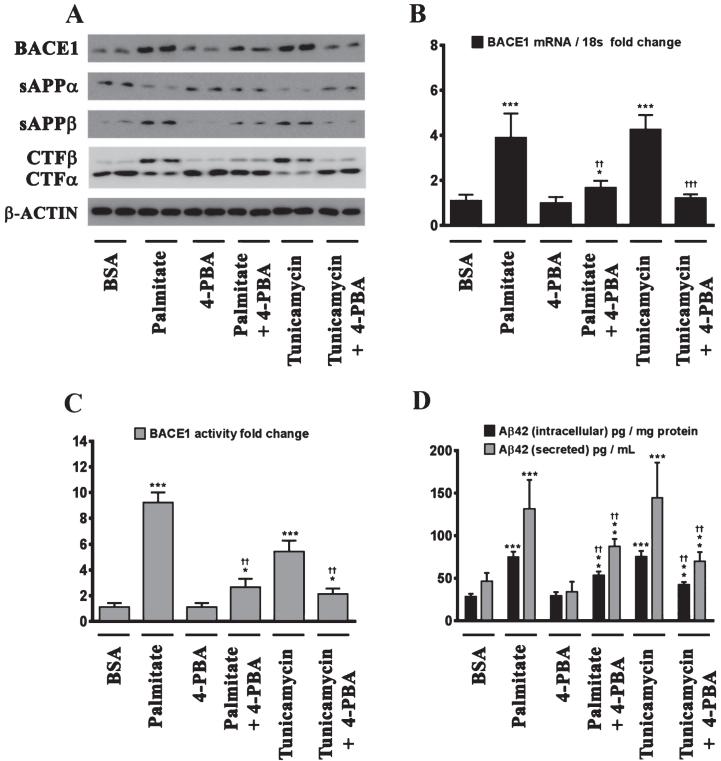
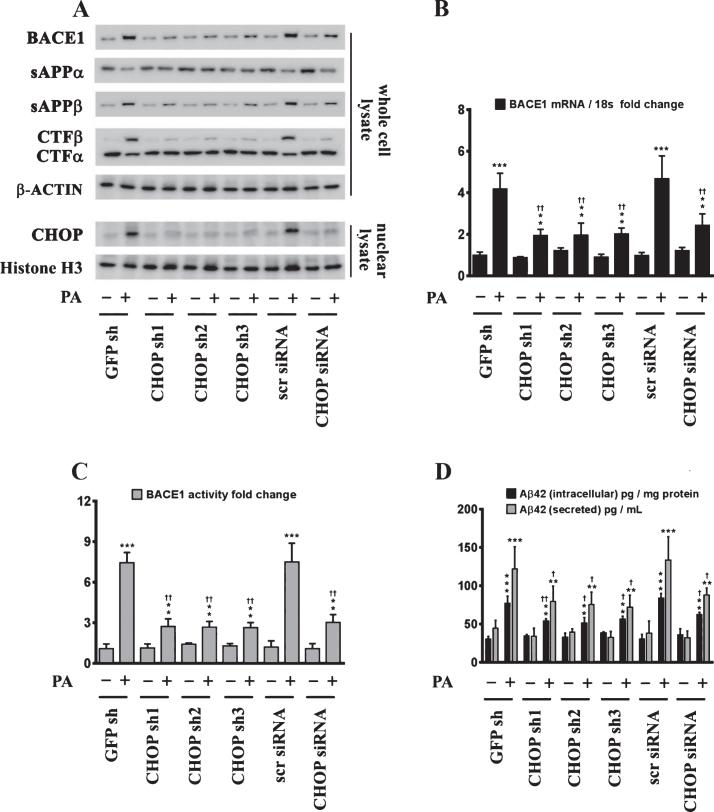
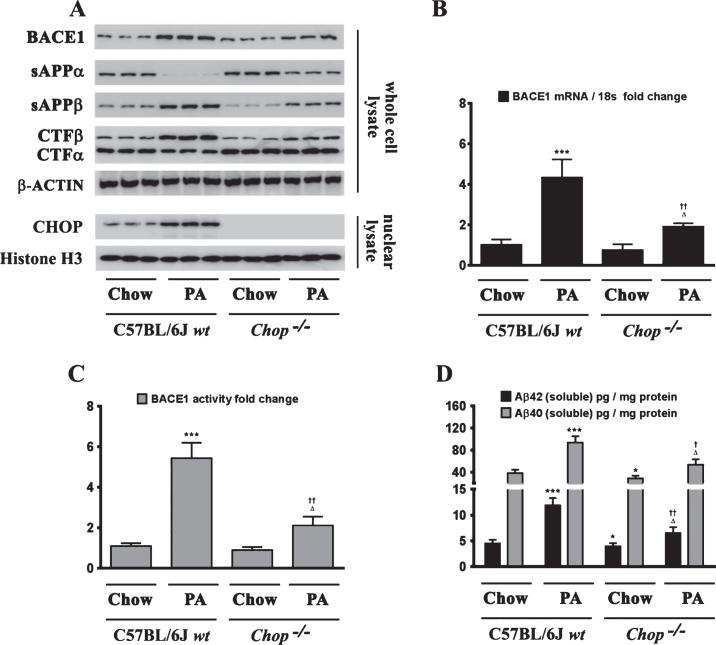
Epidemiological studies implicate diets rich in saturated free fatty acids (sFFA) as a potential risk factor for developing Alzheimer's disease (AD). In particular, high plasma levels of the sFFA palmitic acid (palmitate) were shown to inversely correlate with cognitive function. However, the cellular mechanisms by which sFFA may increase the risk for AD are not well known. Endoplasmic reticulum (ER) stress has emerged as one of the signaling pathways initiating and fostering the neurodegenerative changes in AD by increasing the aspartyl protease β-site AβPP cleaving enzyme 1 (BACE1) and amyloid-β (Aβ) genesis. In this study, we determined the extent to which palmitate increases BACE1 and Aβ levels in vitro and in vivo as well as the potential role of ER stress as cellular mechanism underlying palmitate effects. We demonstrate, in palmitate-treated SH-SY5Y neuroblastoma cells and in the hippocampi of palmitate-enriched diet-fed mice, that palmitate evokes the activation of the C/EBP Homologous Protein (CHOP), a transcription factor that is specifically responsive to ER stress. Induction of CHOP expression is associated with increased BACE1 mRNA, protein and activity levels, and subsequent enhanced amyloidogenic processing of amyloid-β protein precursor (AβPP) that culminates in a substantial increase in Aβ genesis. We further show that CHOP is an indispensable molecular mediator of palmitate-induced upregulation in BACE1 activity and Aβ genesis. Indeed, we show that Chop-/- mice and CHOP knocked-down SH-SY5Y neuroblastoma cells do not exhibit the same commensurate degree of palmitate-induced increase in BACE1 expression levels and Aβ genesis.
流行病学研究表明,富含饱和游离脂肪酸(sFFA)的饮食是患阿尔茨海默病(AD)的一个潜在风险因素。特别是,血浆中高水平的sFFA棕榈酸(棕榈酸盐)与认知功能呈负相关。然而,sFFA可能增加AD风险的细胞机制尚不清楚。内质网(ER)应激已成为通过增加天冬氨酰蛋白酶β-位点淀粉样前体蛋白裂解酶1(BACE1)和淀粉样β蛋白(Aβ)生成来启动和促进AD神经退行性变化的信号通路之一。在本研究中,我们确定了棕榈酸盐在体外和体内增加BACE1和Aβ水平的程度,以及内质网应激作为棕榈酸盐作用潜在细胞机制的作用。我们证明,在棕榈酸盐处理的SH-SY5Y神经母细胞瘤细胞和富含棕榈酸盐饮食喂养小鼠的海马体中,棕榈酸盐可激活C/EBP同源蛋白(CHOP),这是一种对内质网应激有特异性反应的转录因子。CHOP表达的诱导与BACE1 mRNA、蛋白质和活性水平的增加相关,随后淀粉样β蛋白前体(AβPP)的淀粉样生成过程增强,最终导致Aβ生成大幅增加。我们进一步表明,CHOP是棕榈酸盐诱导的BACE1活性和Aβ生成上调不可或缺的分子介质。事实上,我们表明Chop-/-小鼠和CHOP敲低的SH-SY5Y神经母细胞瘤细胞在棕榈酸盐诱导的BACE1表达水平和Aβ生成增加方面没有表现出相同程度的相应变化。
 Zotero 插件