Cho Su-Hee, Jo Won-Il, Jo Ye-Eun, Yang Ku Hyun, Park Jung Cheol, Lee Deok Hee
Department of Radiology, Research Institute of Radiology, Asan Medical Center, University of Ulsan College of Medicine, Seoul, Korea.
Angiovention, Ilsan, Korea.
Neurointervention. 2017 Mar;12(1):31-39. doi: 10.5469/neuroint.2017.12.1.31. Epub 2017 Mar 6.
To better understand the performance of four commercially available neurovascular stents in intracranial aneurysm embolization, the stents were compared in terms of their basic morphological and mechanical properties.
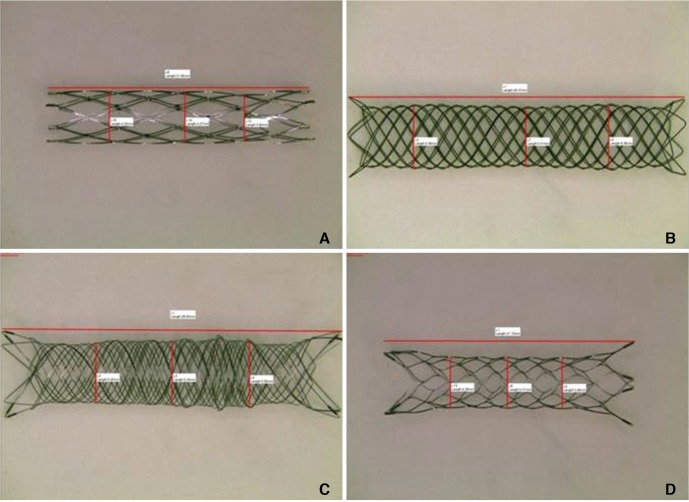
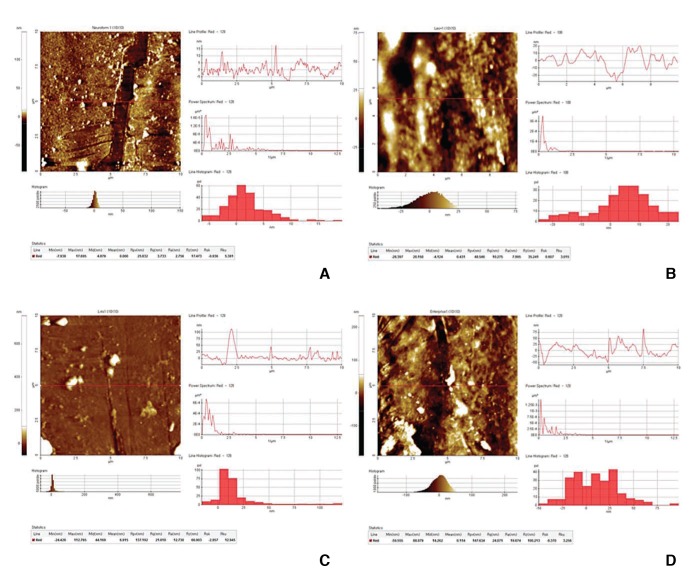
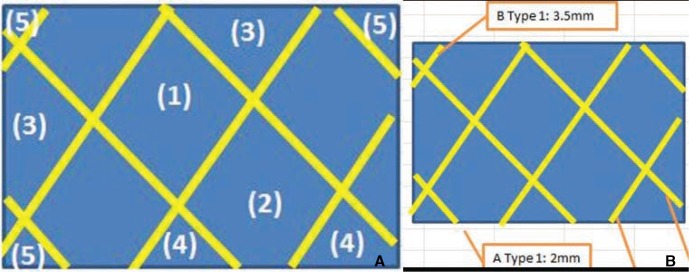
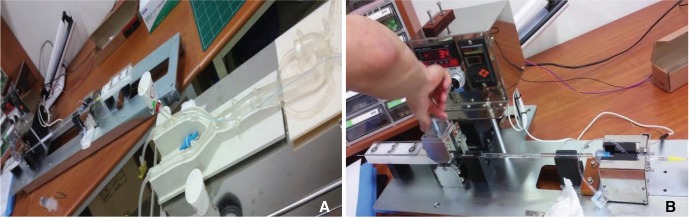
Four different types of stents that are currently being used for cerebral aneurysm embolization were prepared (two stents per type). Two were laser-cut stents (Neuroform and Enterprise) and two were braided from a single nitinol wire (LEO and LVIS stents). All were subjected to quantitative measurements of stent size, pore density, metal coverage, the force needed to load, push, and deploy the stent, radial force on deployment, surface roughness, and corrosion resistance.
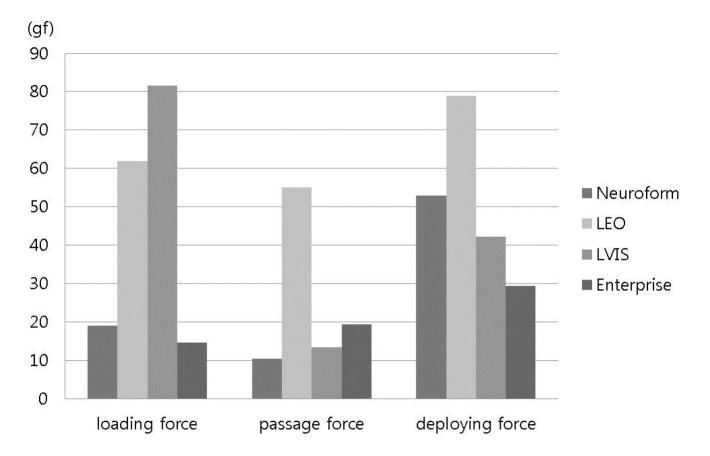
Compared to their nominal diameters, all stents had greater diameters after deployment. The length generally decreased after deployment. This was particularly marked in the braided stents. The braided stents also had higher pore densities than the laser-cut stents. Metal coverage was highest in the LEO stent (14%) and lowest in the Enterprise stent (5%). The LIVS stent had the highest microcatheter loading force (81.5 gf). The LEO stent had the highest passage force (55.0 gf) and deployment force (78.9 gf). The LVIS and LEO stents had the highest perpendicular (37.1 gf) and circumferential (178.4 gf) radial forces, respectively. The Enterprise stent had the roughest stent wire, followed by the LVIS, LEO, and Neuroform stents.
The four neurovascular stent types differed in terms of morphological and physical characteristics. An understanding of this diversity may help to decide which stent is most suitable for specific clinical situations.
为了更好地了解四种市售神经血管支架在颅内动脉瘤栓塞中的性能,对这些支架的基本形态和力学性能进行了比较。
准备了四种目前用于脑动脉瘤栓塞的不同类型的支架(每种类型两个支架)。两个是激光切割支架(Neuroform和Enterprise),两个是由单根镍钛诺丝编织而成(LEO和LVIS支架)。对所有支架进行了支架尺寸、孔隙密度、金属覆盖率、加载、推送和展开支架所需的力、展开时的径向力、表面粗糙度和耐腐蚀性的定量测量。
与标称直径相比,所有支架展开后的直径都更大。展开后长度一般会减小。这在编织支架中尤为明显。编织支架的孔隙密度也高于激光切割支架。金属覆盖率在LEO支架中最高(14%),在Enterprise支架中最低(5%)。LIVS支架的微导管加载力最高(81.5 gf)。LEO支架的通过力最高(55.0 gf)和展开力最高(78.9 gf)。LVIS和LEO支架的垂直径向力(37.1 gf)和周向径向力(178.4 gf)分别最高。Enterprise支架的支架丝最粗糙,其次是LVIS、LEO和Neuroform支架。
四种神经血管支架类型在形态和物理特性方面存在差异。了解这种多样性可能有助于确定哪种支架最适合特定的临床情况。