Raja Zahid, André Sonia, Abbassi Feten, Humblot Vincent, Lequin Olivier, Bouceba Tahar, Correia Isabelle, Casale Sandra, Foulon Thierry, Sereno Denis, Oury Bruno, Ladram Ali
Sorbonne Universités, UPMC Univ Paris 06, CNRS, Institut de Biologie Paris-Seine (IBPS), Biogenèse des Signaux Peptidiques (BIOSIPE), Paris, France.
Sorbonne Universités, UPMC Univ Paris 06, CNRS, Laboratoire de Réactivité de Surface (LRS), Paris, France.
PLoS One. 2017 Mar 20;12(3):e0174024. doi: 10.1371/journal.pone.0174024. eCollection 2017.
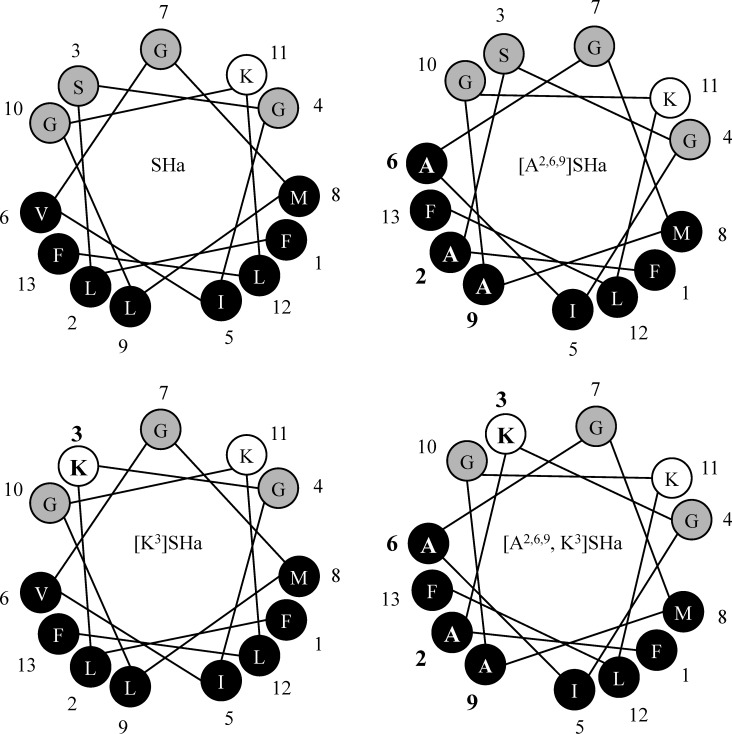
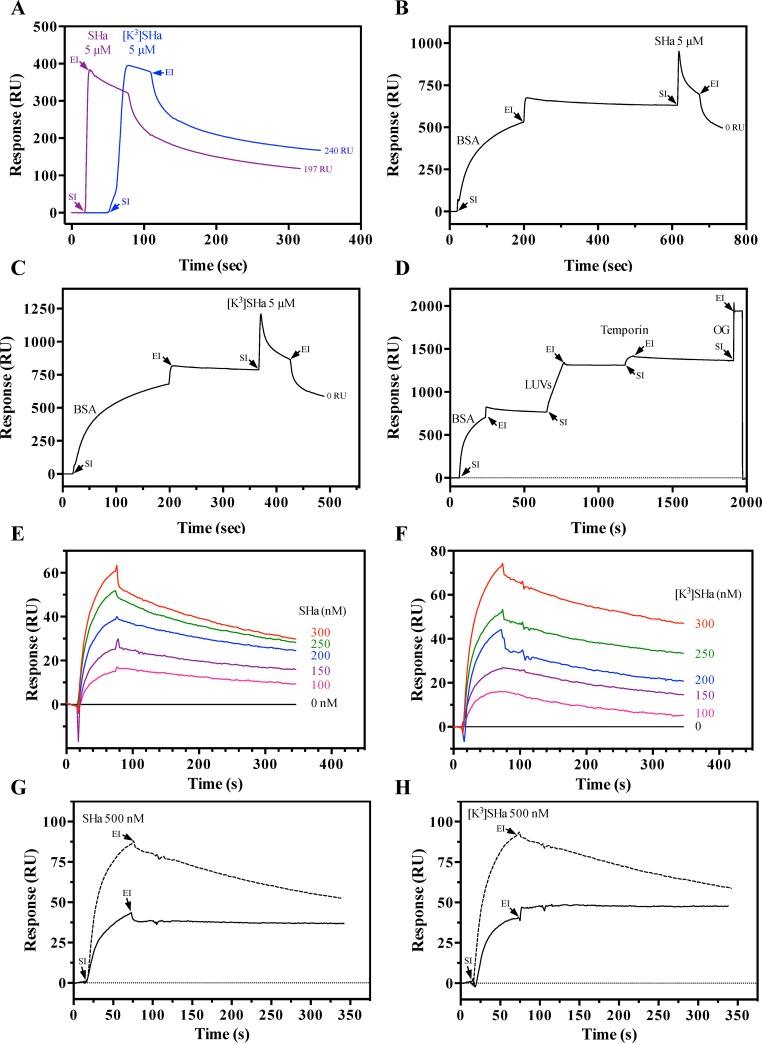
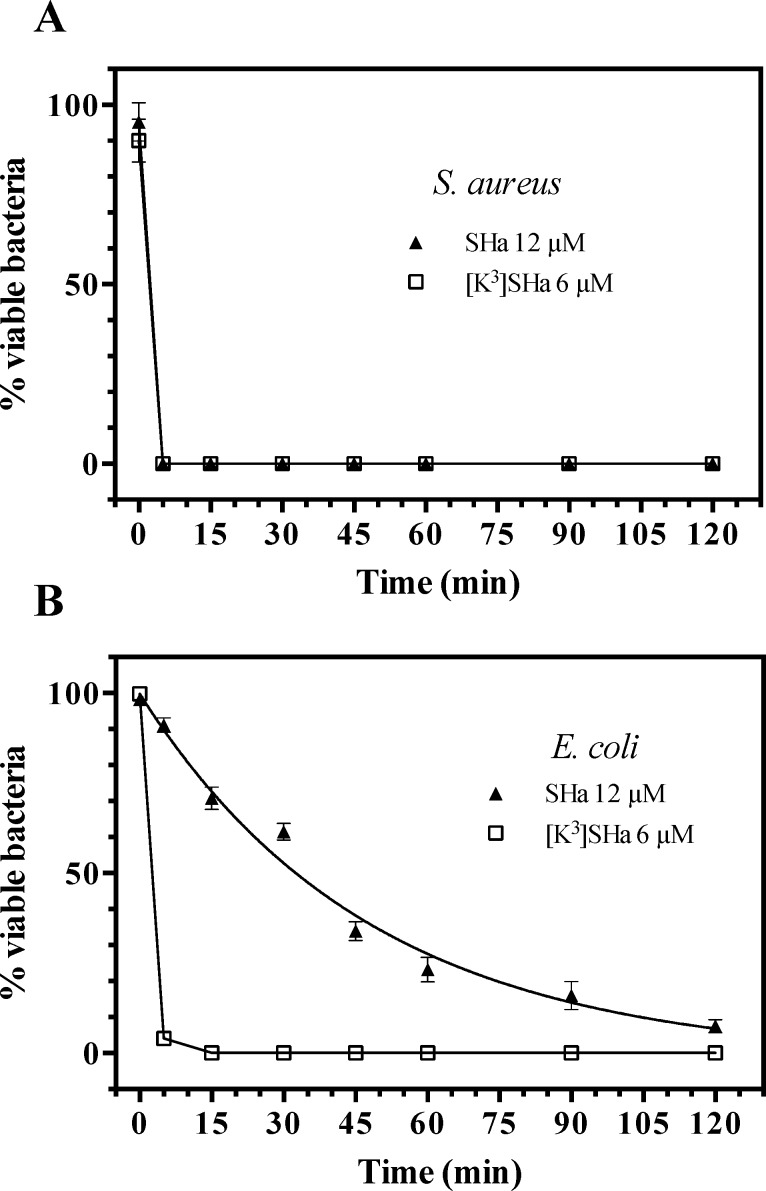
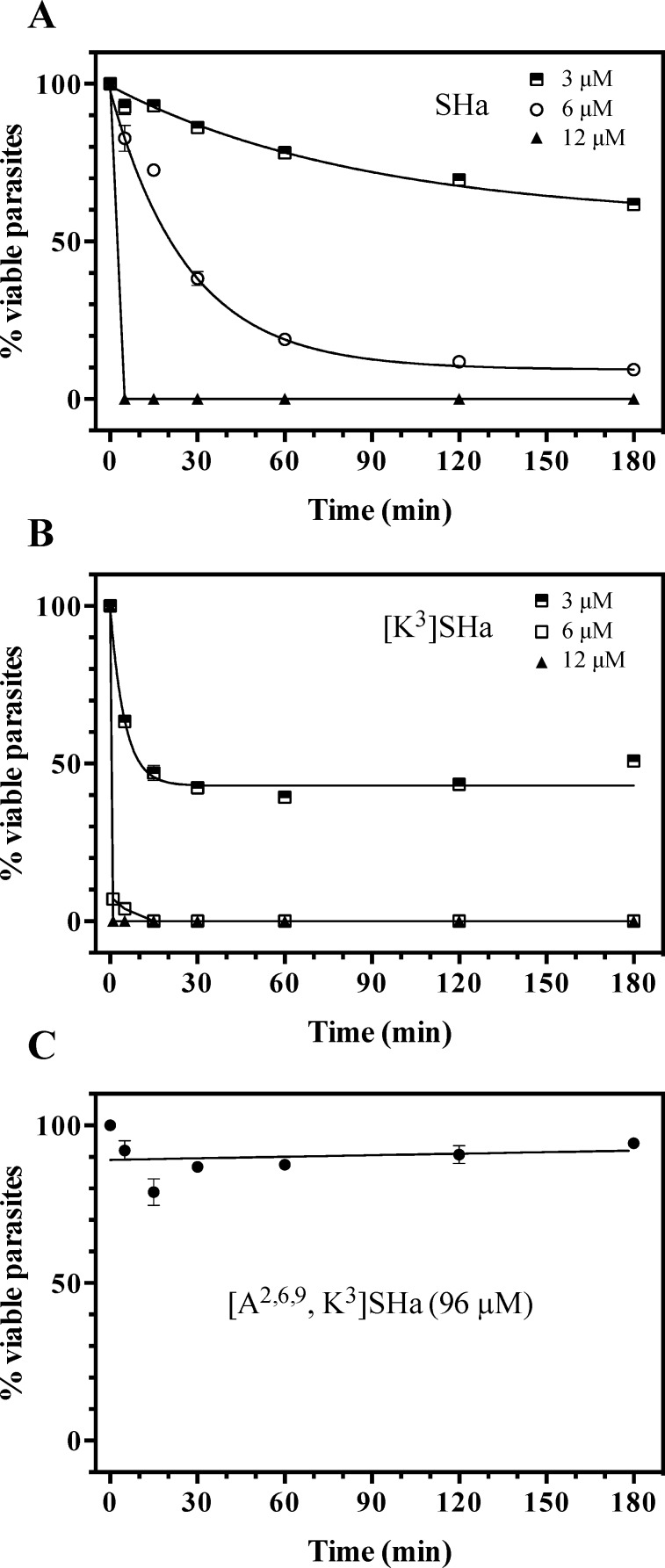
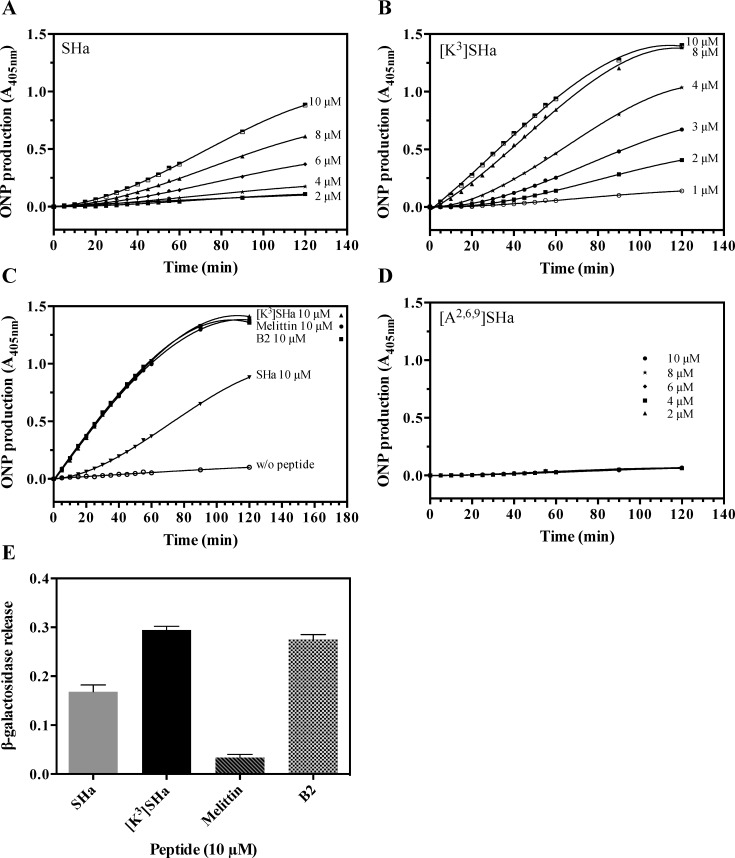
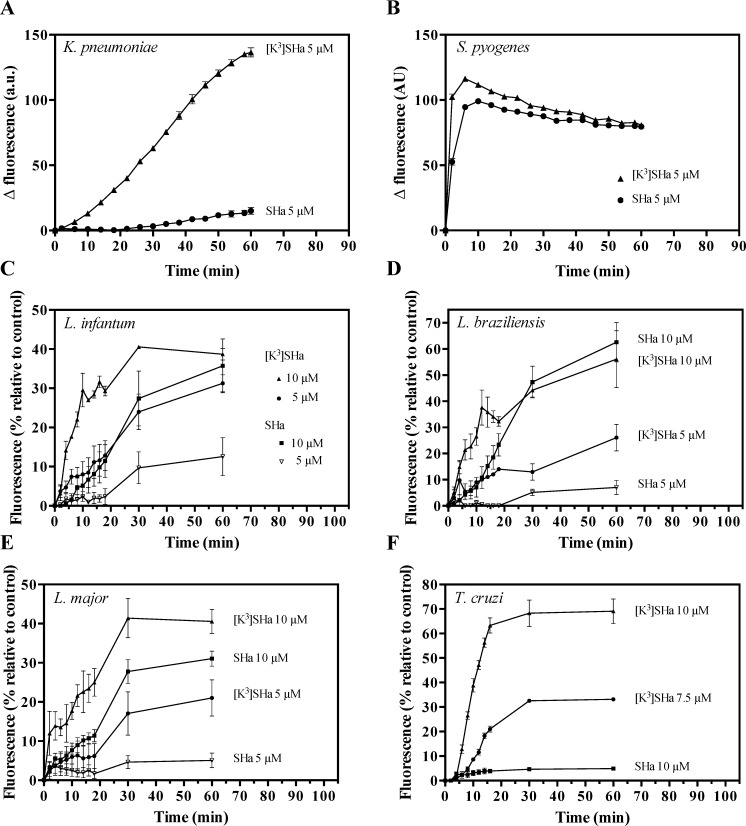
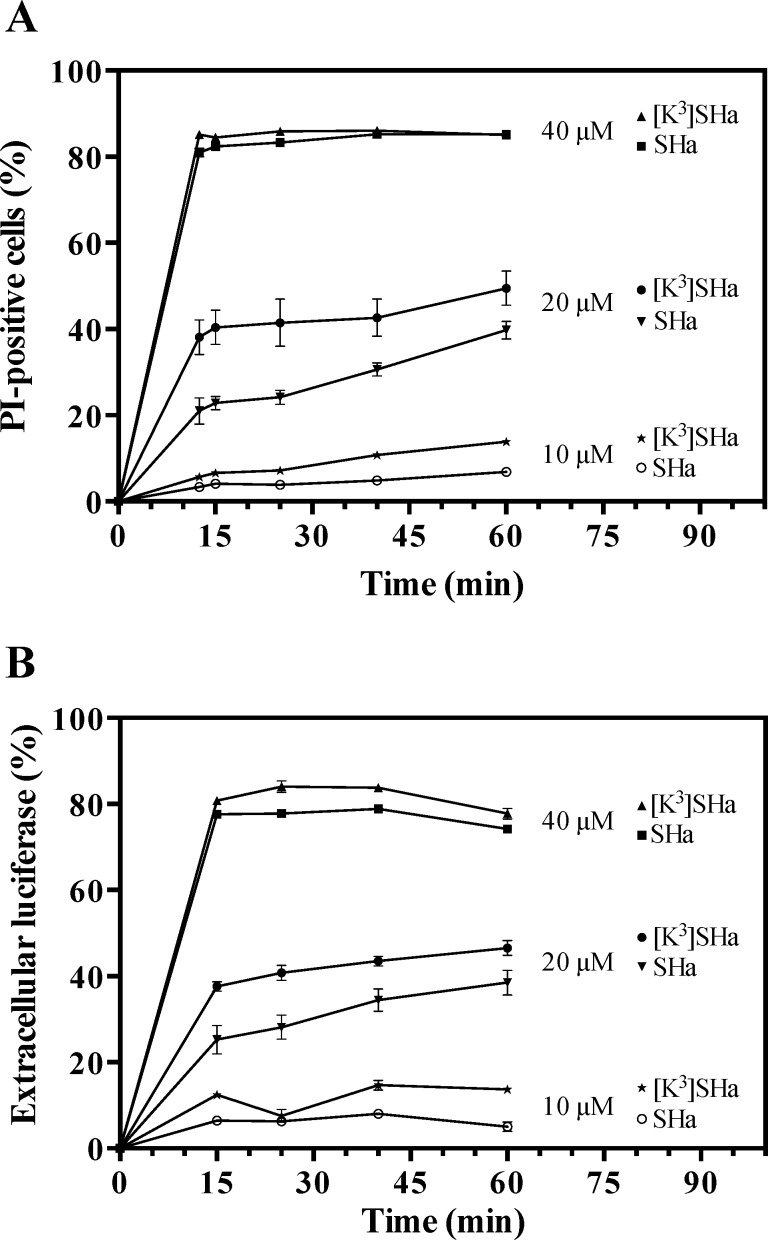
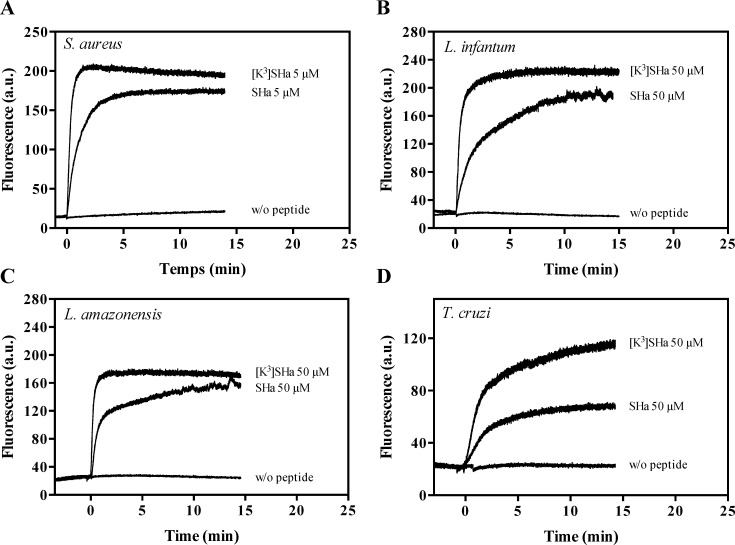
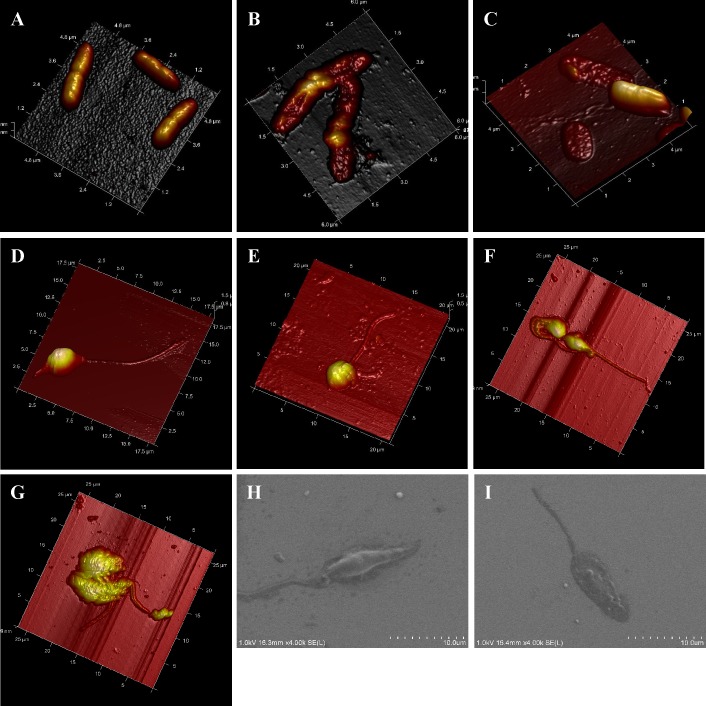
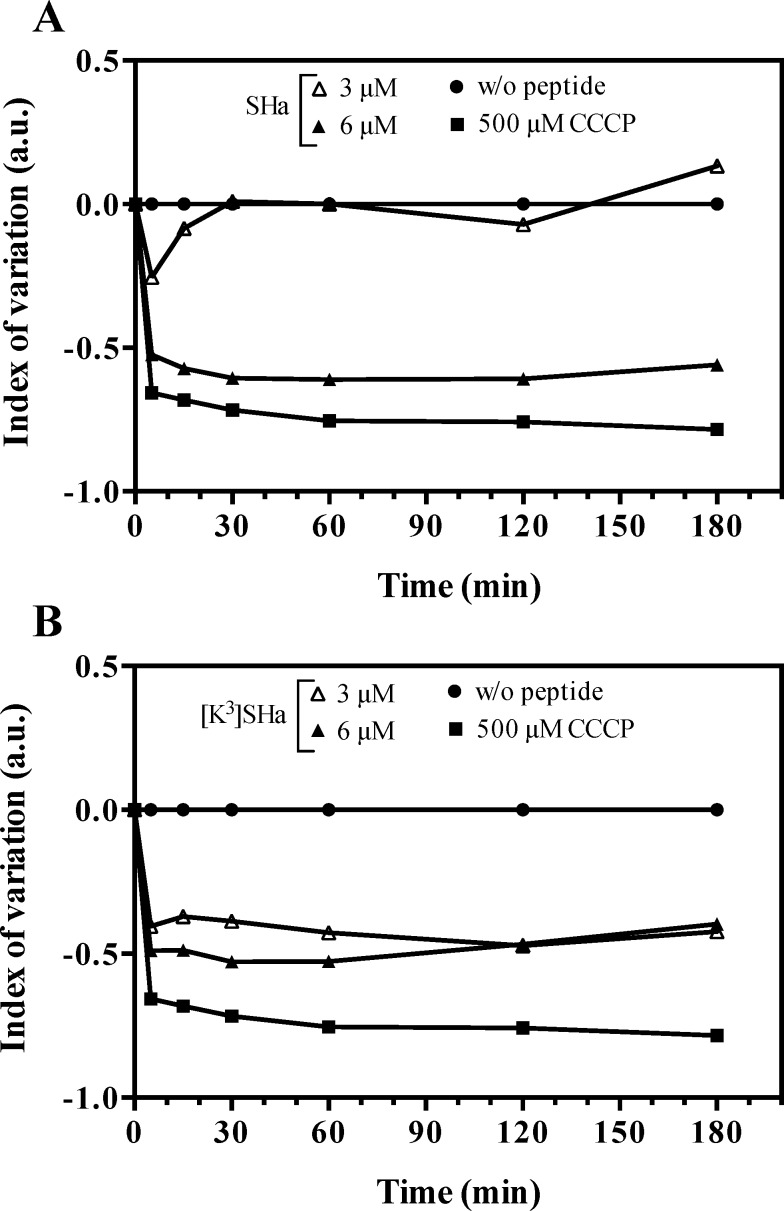
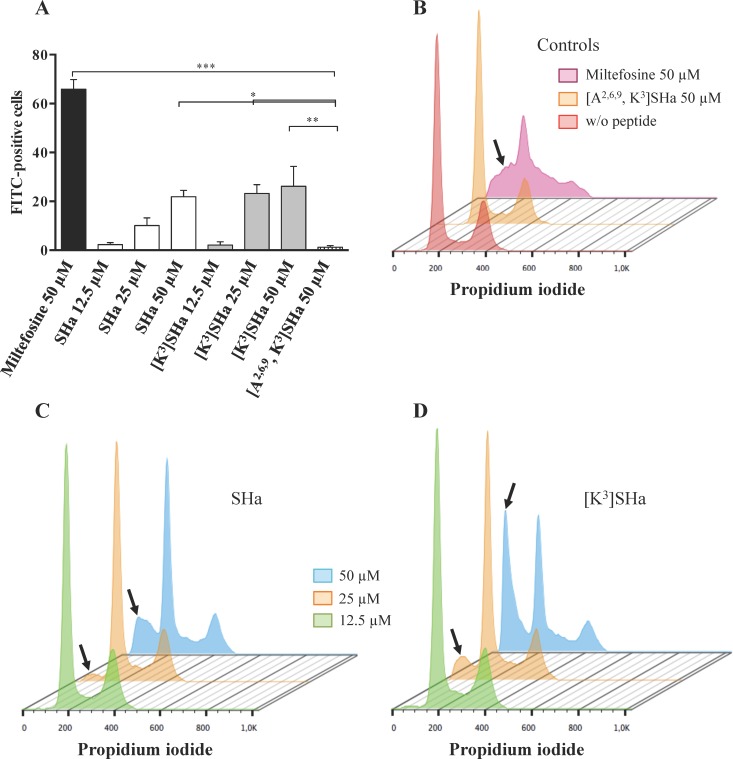
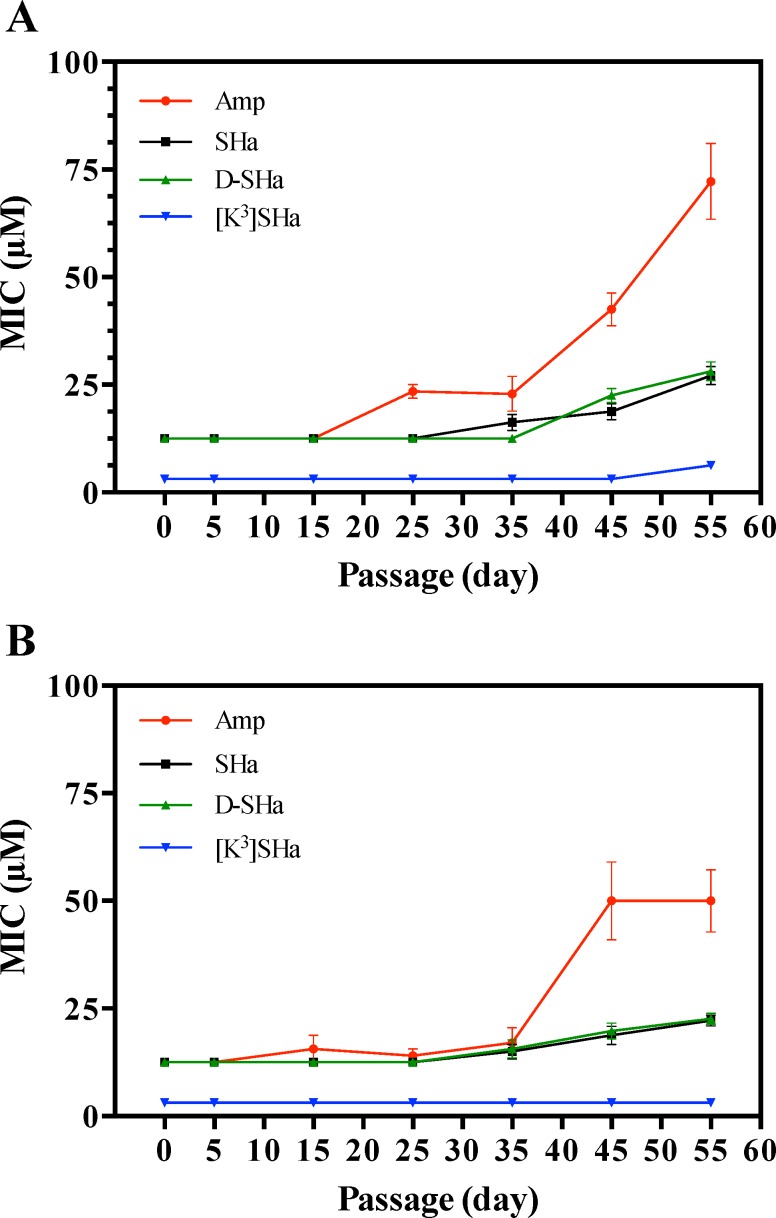
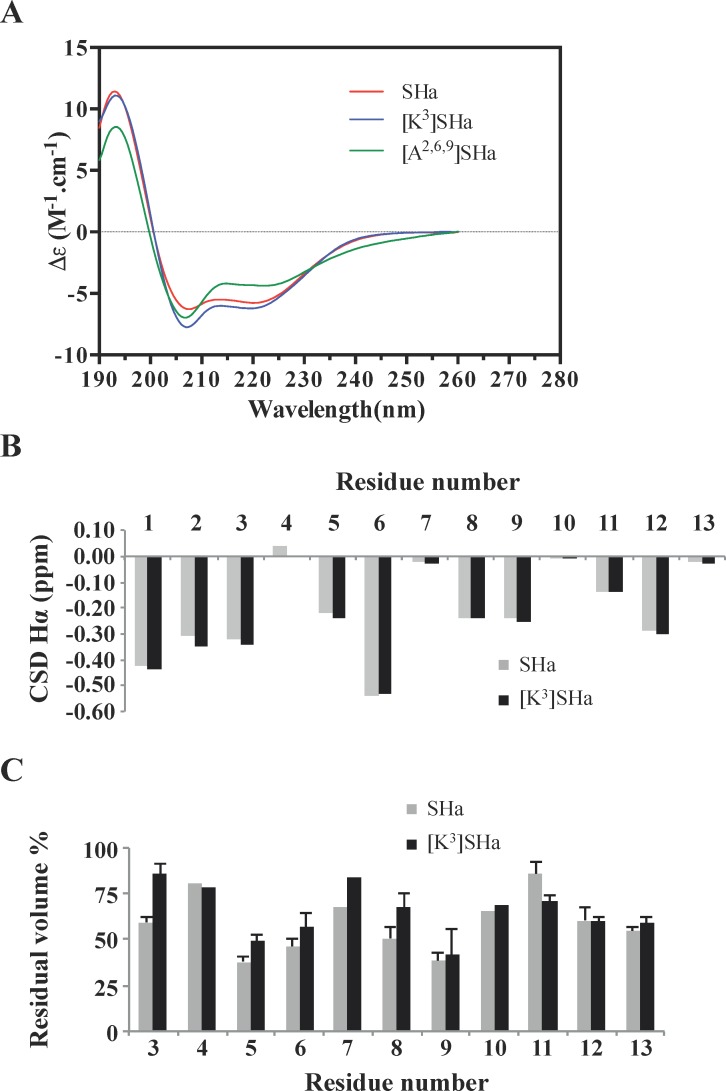
Antimicrobial peptides (AMPs) are promising drugs to kill resistant pathogens. In contrast to bacteria, protozoan parasites, such as Leishmania, were little studied. Therefore, the antiparasitic mechanism of AMPs is still unclear. In this study, we sought to get further insight into this mechanism by focusing our attention on temporin-SHa (SHa), a small broad-spectrum AMP previously shown to be active against Leishmania infantum. To improve activity, we designed analogs of SHa and compared the antibacterial and antiparasitic mechanisms. [K3]SHa emerged as a highly potent compound active against a wide range of bacteria, yeasts/fungi, and trypanosomatids (Leishmania and Trypanosoma), with leishmanicidal intramacrophagic activity and efficiency toward antibiotic-resistant strains of S. aureus and antimony-resistant L. infantum. Multipassage resistance selection demonstrated that temporins-SH, particularly [K3]SHa, are not prone to induce resistance in Escherichia coli. Analysis of the mode of action revealed that bacterial and parasite killing occur through a similar membranolytic mechanism involving rapid membrane permeabilization and depolarization. This was confirmed by high-resolution imaging (atomic force microscopy and field emission gun-scanning electron microscopy). Multiple combined techniques (nuclear magnetic resonance, surface plasmon resonance, differential scanning calorimetry) allowed us to detail peptide-membrane interactions. [K3]SHa was shown to interact selectively with anionic model membranes with a 4-fold higher affinity (KD = 3 x 10⁻⁸ M) than SHa. The amphipathic α-helical peptide inserts in-plane in the hydrophobic lipid bilayer and disrupts the acyl chain packing via a detergent-like effect. Interestingly, cellular events, such as mitochondrial membrane depolarization or DNA fragmentation, were observed in L. infantum promastigotes after exposure to SHa and [K3]SHa at concentrations above IC50. Our results indicate that these temporins exert leishmanicidal activity via a primary membranolytic mechanism but can also trigger apoptotis-like death. The many assets demonstrated for [K3]SHa make this small analog an attractive template to develop new antibacterial/antiparasitic drugs.
抗菌肽(AMPs)是杀灭耐药病原体的有前景的药物。与细菌相比,原生动物寄生虫,如利什曼原虫,研究较少。因此,AMPs的抗寄生虫机制仍不清楚。在本研究中,我们试图通过关注temporin-SHa(SHa)来进一步深入了解这一机制,SHa是一种先前显示对婴儿利什曼原虫有活性的小广谱AMP。为了提高活性,我们设计了SHa的类似物,并比较了其抗菌和抗寄生虫机制。[K3]SHa是一种高效化合物,对多种细菌、酵母/真菌和锥虫(利什曼原虫和锥虫)有活性,具有杀利什曼原虫的巨噬细胞内活性以及对金黄色葡萄球菌耐药菌株和锑耐药婴儿利什曼原虫的有效性。多次传代抗性选择表明,temporins-SH,特别是[K3]SHa,不易在大肠杆菌中诱导抗性。作用方式分析表明,细菌和寄生虫的杀灭是通过类似的膜溶解机制发生的,包括快速的膜通透性增加和去极化。这通过高分辨率成像(原子力显微镜和场发射枪扫描电子显微镜)得到了证实。多种联合技术(核磁共振、表面等离子体共振、差示扫描量热法)使我们能够详细描述肽与膜的相互作用。[K3]SHa被证明与阴离子模型膜选择性相互作用,其亲和力(KD = 3 x 10⁻⁸ M)比SHa高4倍。两亲性α-螺旋肽以平面方式插入疏水脂质双层中,并通过类似去污剂的作用破坏酰基链堆积。有趣的是,在婴儿利什曼原虫前鞭毛体暴露于高于IC50浓度的SHa和[K3]SHa后,观察到了细胞事件,如线粒体膜去极化或DNA片段化。我们的结果表明,这些temporins通过主要的膜溶解机制发挥杀利什曼原虫活性,但也能触发类似凋亡的死亡。[K3]SHa所展示的诸多特性使其成为开发新型抗菌/抗寄生虫药物的有吸引力的模板。