Wright Brandon J, Bickham-Wright Utibe, Yoshino Timothy P, Jackson Meyer B
Department of Neuroscience, School of Medicine and Public Health, University of Wisconsin-Madison, Madison, Wisconsin, United States of America.
Department of Pathobiological Sciences, School of Veterinary Medicine, University of Wisconsin-Madison, Madison, Wisconsin, United States of America.
PLoS Negl Trop Dis. 2017 Mar 20;11(3):e0005467. doi: 10.1371/journal.pntd.0005467. eCollection 2017 Mar.
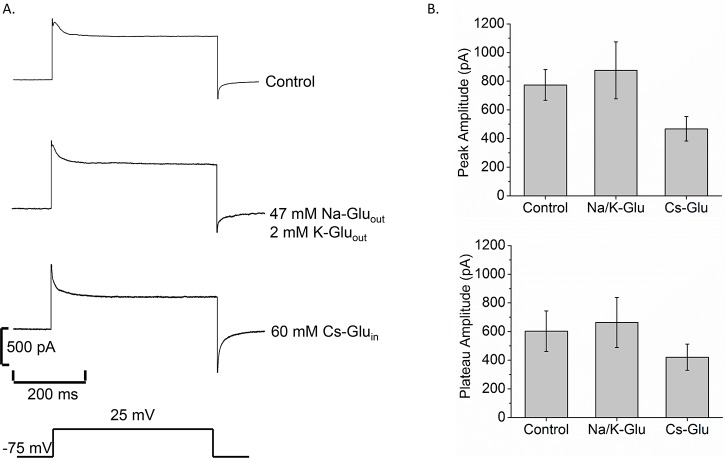
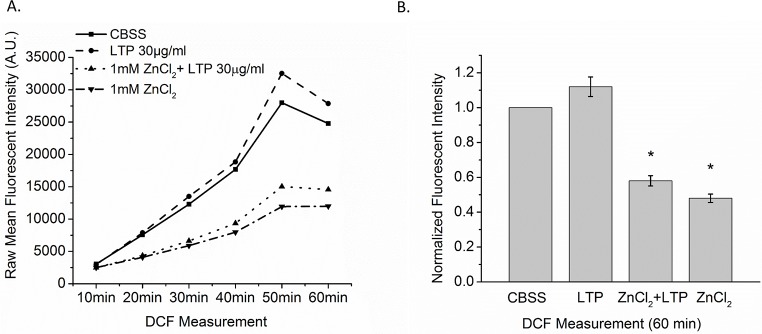
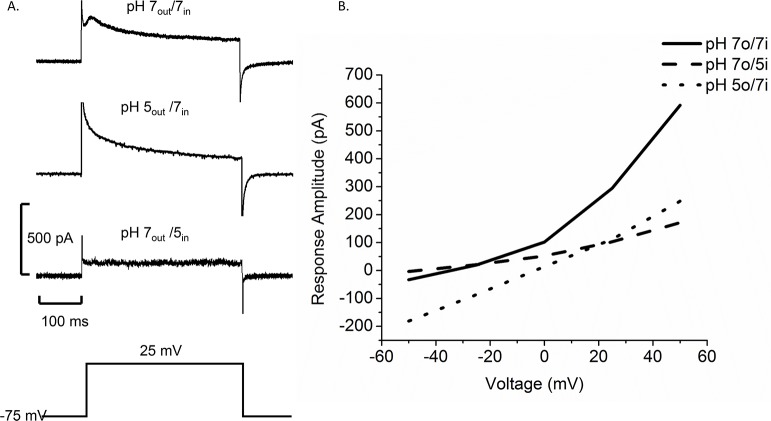
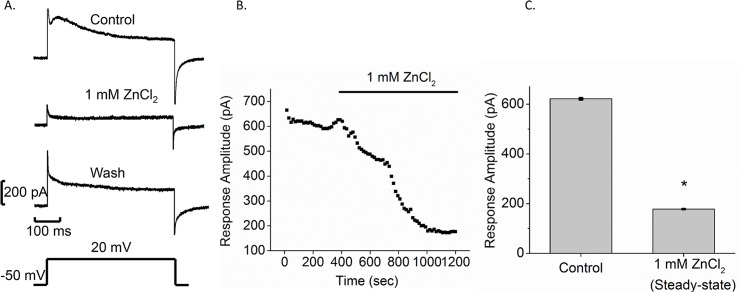
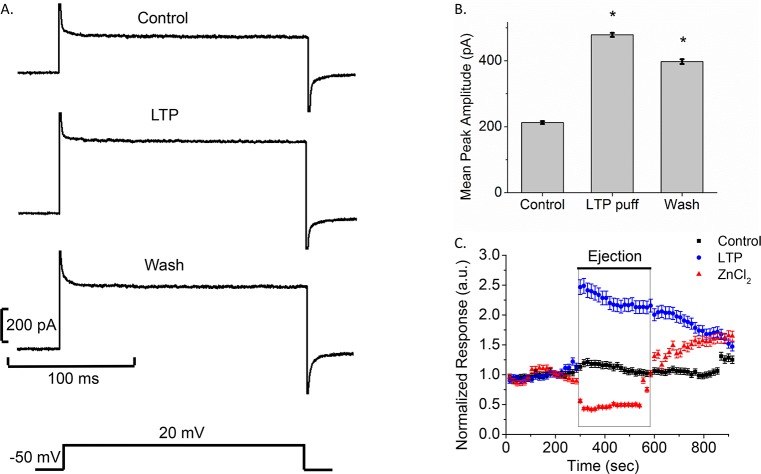
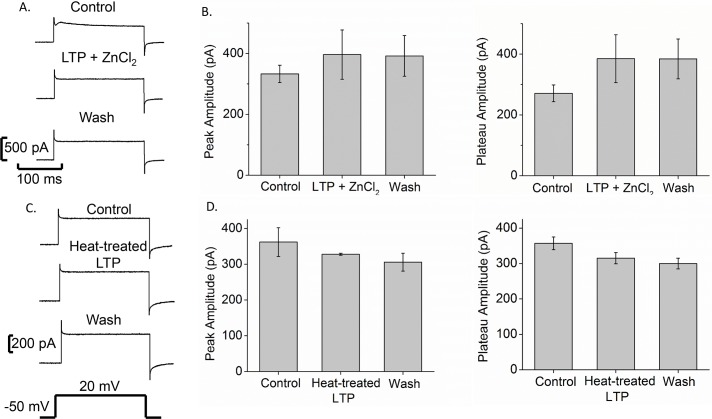
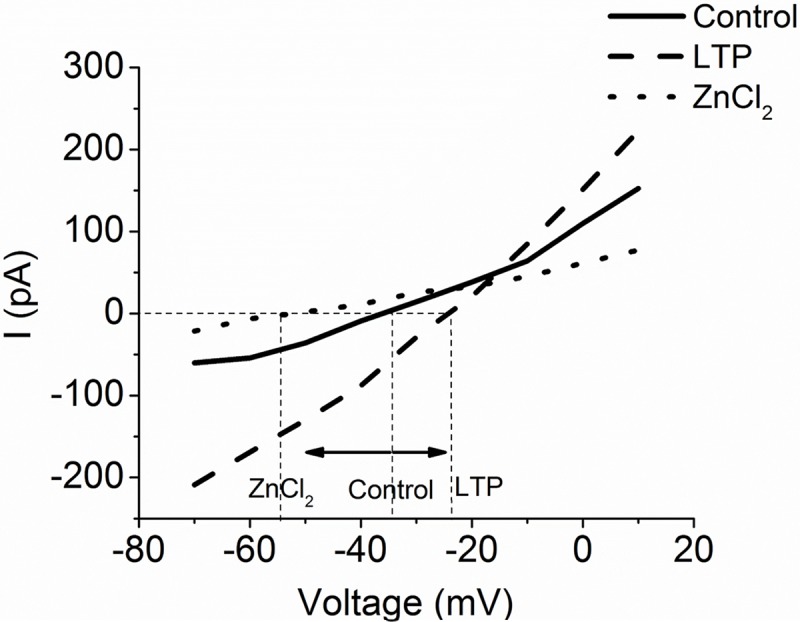
The human blood fluke Schistosoma mansoni causes intestinal schistosomiasis, a widespread neglected tropical disease. Infection of freshwater snails Biomphalaria spp. is an essential step in the transmission of S. mansoni to humans, although the physiological interactions between the parasite and its obligate snail host that determine success or failure are still poorly understood. In the present study, the B. glabrata embryonic (Bge) cell line, a widely used in vitro model for hemocyte-like activity, was used to investigate membrane properties, and assess the impact of larval transformation proteins (LTP) on identified ion channels. Whole-cell patch clamp recordings from Bge cells demonstrated that a Zn2+-sensitive H+ channel serves as the dominant plasma membrane conductance. Moreover, treatment of Bge cells with Zn2+ significantly inhibited an otherwise robust production of reactive oxygen species (ROS), thus implicating H+ channels in the regulation of this immune function. A heat-sensitive component of LTP appears to target H+ channels, enhancing Bge cell H+ current over 2-fold. Both Bge cells and B. glabrata hemocytes express mRNA encoding a hydrogen voltage-gated channel 1 (HVCN1)-like protein, although its function in hemocytes remains to be determined. This study is the first to identify and characterize an H+ channel in non-neuronal cells of freshwater molluscs. Importantly, the involvement of these channels in ROS production and their modulation by LTP suggest that these channels may function in immune defense responses against larval S. mansoni.
人类血吸虫曼氏血吸虫可引发肠道血吸虫病,这是一种广泛传播的被忽视的热带疾病。淡水螺类双脐螺属的感染是曼氏血吸虫传播给人类的关键步骤,尽管寄生虫与其专性螺宿主之间决定感染成败的生理相互作用仍未得到充分了解。在本研究中,光滑双脐螺胚胎(Bge)细胞系(一种广泛用于模拟血细胞样活性的体外模型)被用于研究膜特性,并评估幼虫转化蛋白(LTP)对已鉴定离子通道的影响。对Bge细胞进行的全细胞膜片钳记录表明,一种对锌离子敏感的氢离子通道是主要的质膜电导。此外,用锌离子处理Bge细胞可显著抑制原本强烈的活性氧(ROS)产生,从而表明氢离子通道参与了这种免疫功能的调节。LTP的一个热敏感成分似乎靶向氢离子通道,使Bge细胞的氢离子电流增强了两倍多。Bge细胞和光滑双脐螺血细胞均表达编码一种类氢电压门控通道1(HVCN1)蛋白的mRNA,尽管其在血细胞中的功能尚待确定。本研究首次在淡水软体动物的非神经细胞中鉴定并表征了一种氢离子通道。重要的是,这些通道参与活性氧产生以及它们受LTP的调节表明,这些通道可能在针对曼氏血吸虫幼虫的免疫防御反应中发挥作用。