Hori Daijiro, Dunkerly-Eyring Brittany, Nomura Yohei, Biswas Debjit, Steppan Jochen, Henao-Mejia Jorge, Adachi Hideo, Santhanam Lakshmi, Berkowitz Dan E, Steenbergen Charles, Flavell Richard A, Das Samarjit
Department of Surgery, Johns Hopkins School of Medicine, Baltimore, Maryland, United States of America.
Department of Anesthesiology & Critical Care Medicine, Johns Hopkins School of Medicine, Baltimore, Maryland, United States of America.
PLoS One. 2017 Mar 21;12(3):e0174108. doi: 10.1371/journal.pone.0174108. eCollection 2017.
Endothelial dysfunction and arterial stiffening play major roles in cardiovascular diseases. The critical role for the miR-181 family in vascular inflammation has been documented. Here we tested whether the miR-181 family can influence the pathogenesis of hypertension and vascular stiffening.
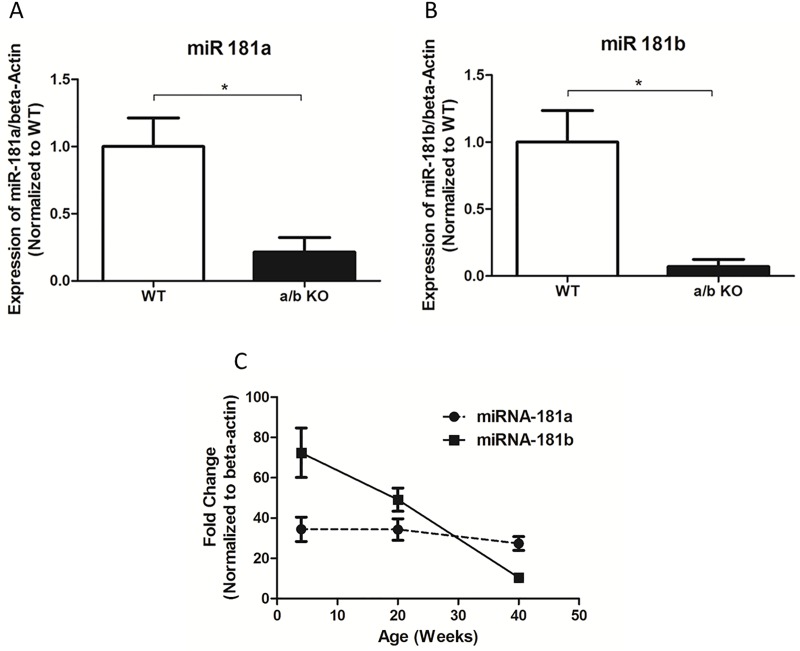
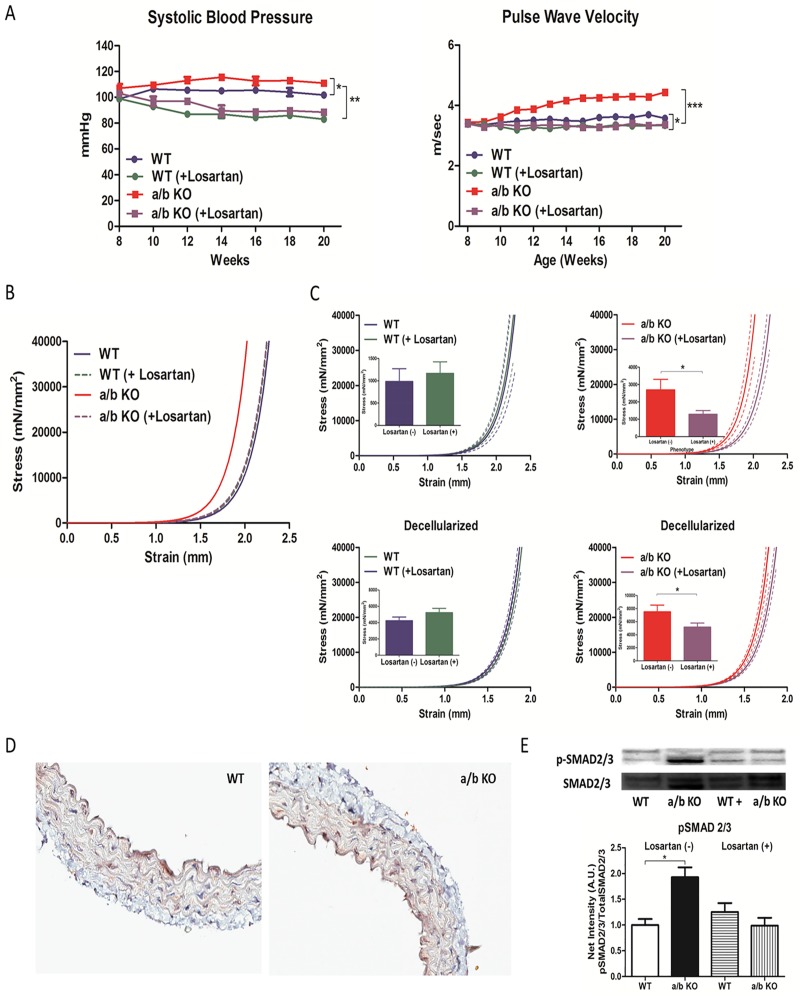
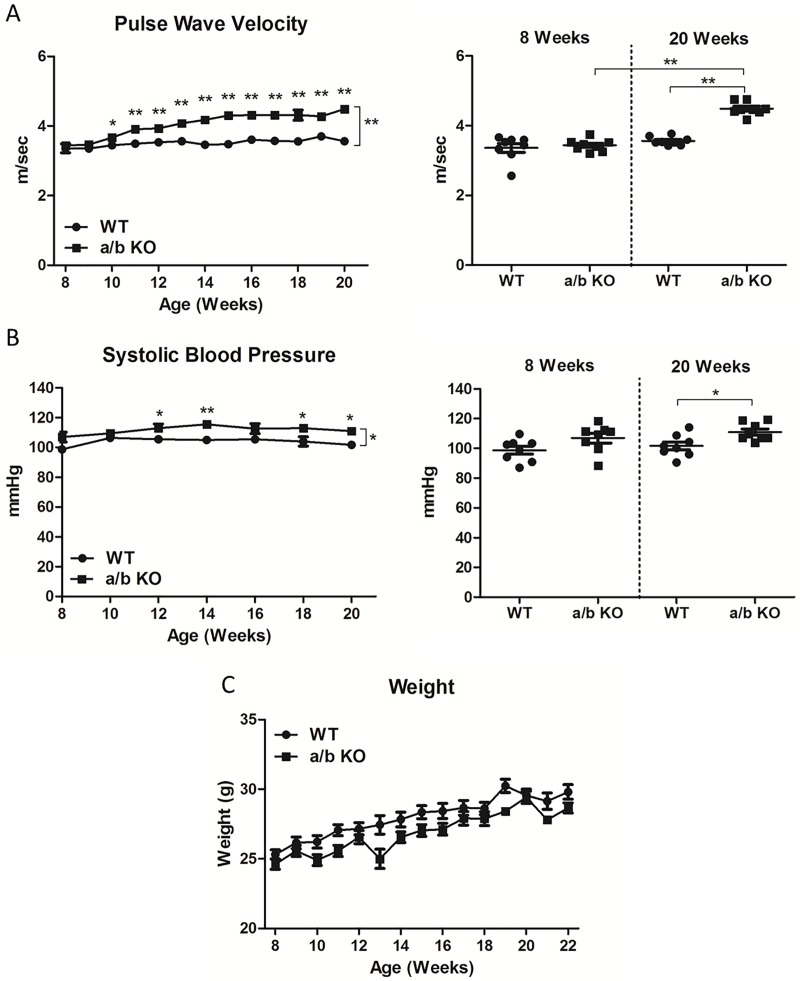
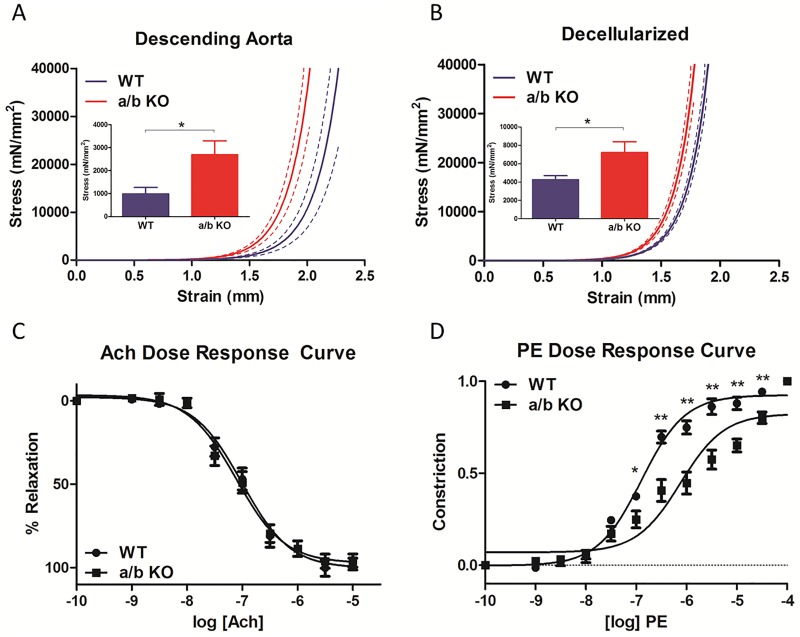
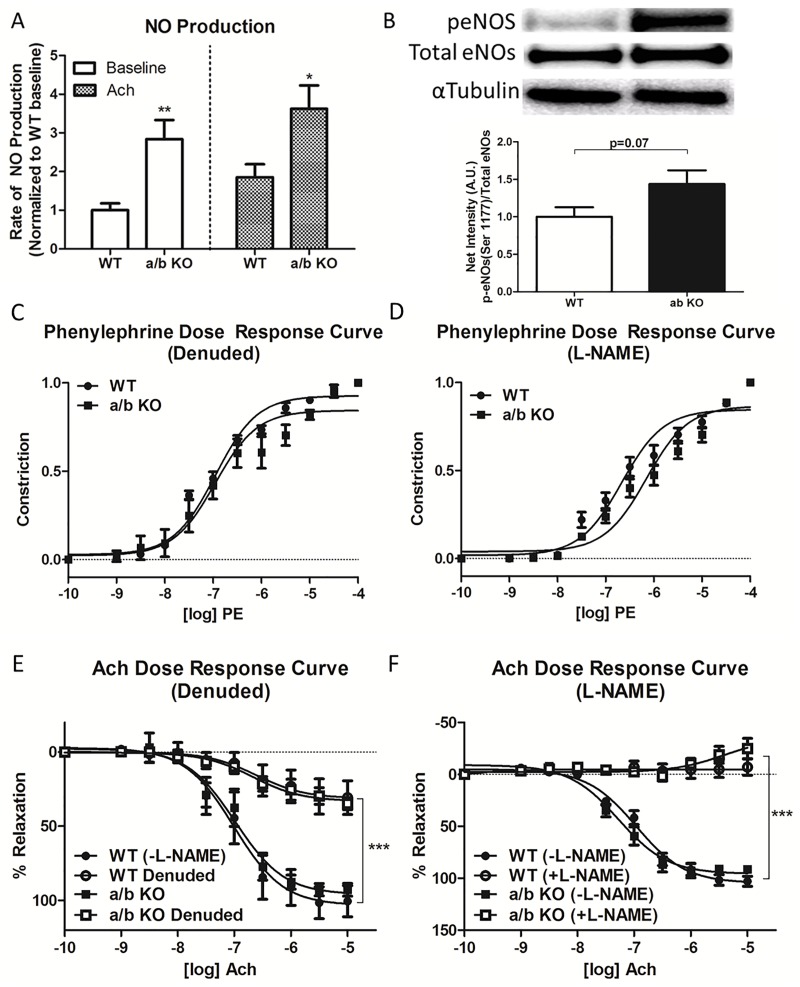
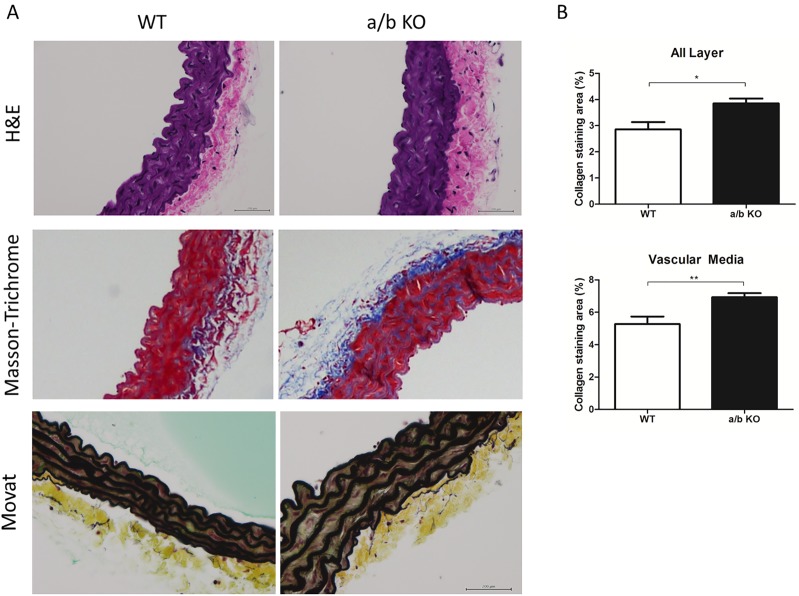
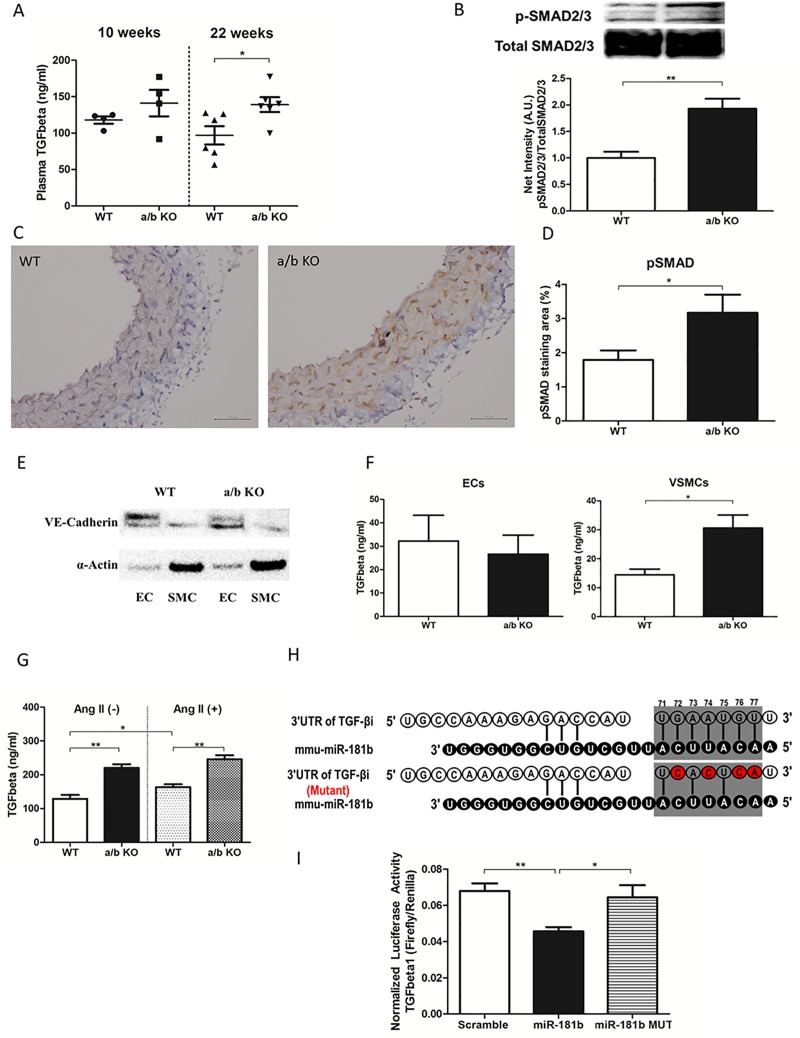
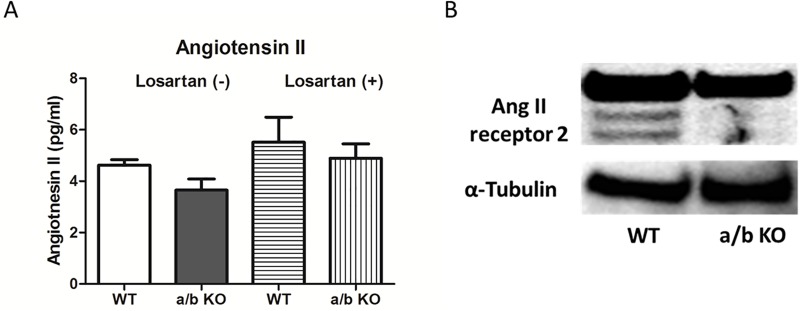
qPCR data showed a significant decrease in miR-181b expression in the aorta of the older mice. Eight miR-181a1/b1-/- mice and wild types (C57BL6J:WT) were followed weekly for pulse wave velocity (PWV) and blood pressure measurements. After 20 weeks, the mice were tested for endothelial function and aortic modulus. There was a progressive increase in PWV and higher systolic blood pressure in miR-181a1/b1-/- mice compared with WTs. At 21 weeks, aortic modulus was significantly greater in the miR-181a1/b1-/- group, and serum TGF-β was found to be elevated at this time. A luciferase reporter assay confirmed miR-181b targets TGF-βi (TGF-β induced) in the aortic VSMCs. In contrast, wire myography revealed unaltered endothelial function along with higher nitric oxide production in the miR-181a1/b1-/- group. Cultured VECs and VSMCs from the mouse aorta showed more secreted TGF-β in VSMCs of the miR-181a1/b1-/- group; whereas, no change was observed from VECs. Circulating levels of angiotensin II were similar in both groups. Treatment with losartan (0.6 g/L) prevented the increase in PWV, blood pressure, and vascular stiffness in miR-181a1/b1-/- mice. Immunohistochemistry and western blot for p-SMAD2/3 validated the inhibitory effect of losartan on TGF-β signaling in miR-181a1/b1-/- mice.
Decreased miR-181b with aging plays a critical role in ECM remodeling by removing the brake on the TGF-β, pSMAD2/3 pathway.
内皮功能障碍和动脉僵硬在心血管疾病中起主要作用。已证明miR-181家族在血管炎症中起关键作用。在此,我们测试了miR-181家族是否会影响高血压和血管僵硬的发病机制。
qPCR数据显示老年小鼠主动脉中miR-181b表达显著降低。每周对8只miR-181a1/b1基因敲除小鼠和野生型小鼠(C57BL6J:WT)进行脉搏波速度(PWV)和血压测量。20周后,对小鼠进行内皮功能和主动脉弹性模量检测。与野生型小鼠相比,miR-181a1/b1基因敲除小鼠的PWV逐渐增加,收缩压更高。在21周时,miR-181a1/b1基因敲除组的主动脉弹性模量显著更大,此时发现血清转化生长因子-β(TGF-β)升高。荧光素酶报告基因检测证实miR-181b靶向主动脉血管平滑肌细胞(VSMC)中的TGF-βi(TGF-β诱导)。相反,血管张力测定显示miR-181a1/b1基因敲除组的内皮功能未改变,一氧化氮生成增加。从小鼠主动脉培养的血管内皮细胞(VEC)和VSMC显示,miR-181a1/b1基因敲除组的VSMC中分泌的TGF-β更多;而VEC未观察到变化。两组中血管紧张素II的循环水平相似。用氯沙坦(0.6 g/L)治疗可防止miR-181a1/b1基因敲除小鼠的PWV、血压和血管僵硬增加。p-SMAD2/3的免疫组织化学和蛋白质印迹验证了氯沙坦对miR-181a1/b1基因敲除小鼠中TGF-β信号传导的抑制作用。
随着年龄增长,miR-181b减少通过解除对TGF-β、pSMAD2/3途径的抑制,在细胞外基质重塑中起关键作用。