Lin Tamar, Gilam Gadi, Raz Gal, Or-Borichev Ayelet, Bar-Haim Yair, Fruchter Eyal, Hendler Talma
The Tel-Aviv Center for Brain Functions, Wohl Institute for Advanced Imaging, Tel Aviv Sourasky Medical CenterTel Aviv, Israel; School of Psychological Sciences, Tel-Aviv UniversityTel Aviv, Israel.
The Tel-Aviv Center for Brain Functions, Wohl Institute for Advanced Imaging, Tel Aviv Sourasky Medical CenterTel Aviv, Israel; The Department of Film and Television, Tel-Aviv UniversityTel Aviv, Israel.
Front Behav Neurosci. 2017 Mar 7;11:38. doi: 10.3389/fnbeh.2017.00038. eCollection 2017.
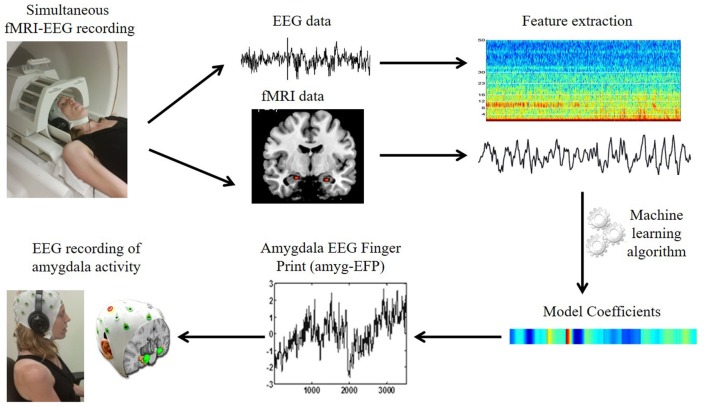
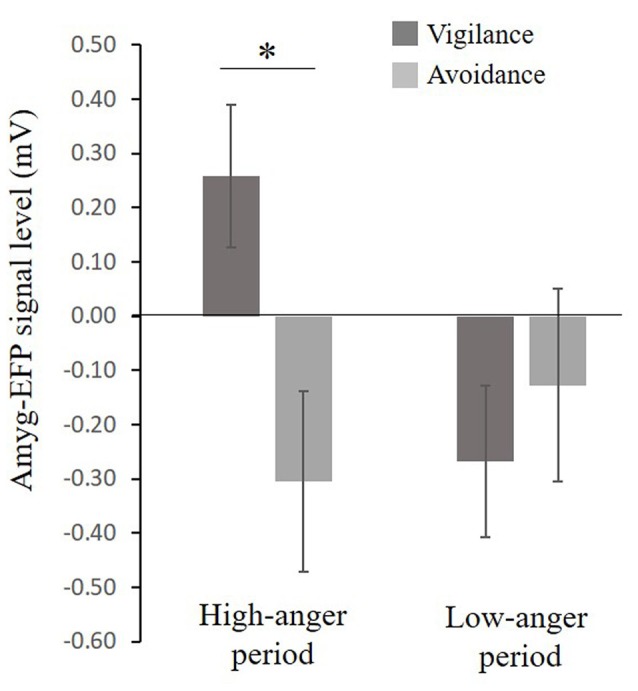
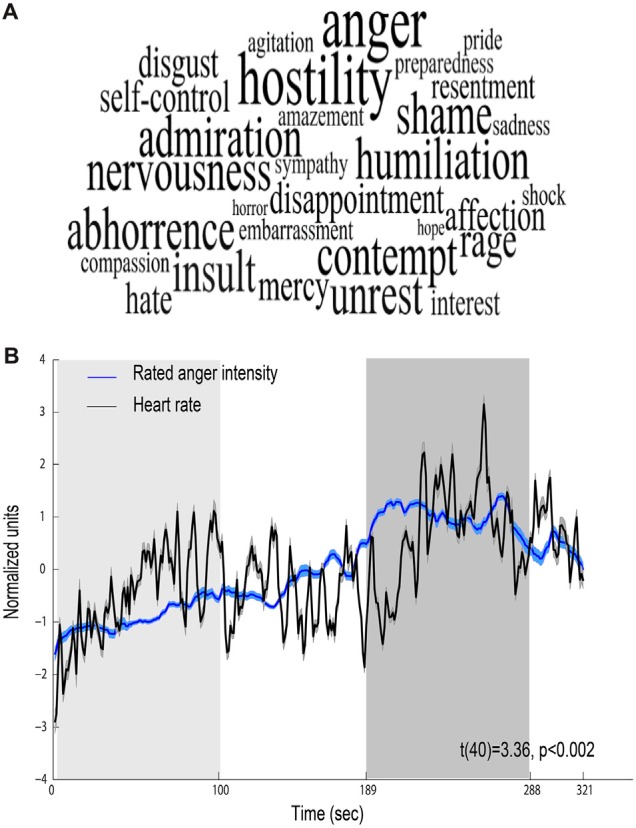
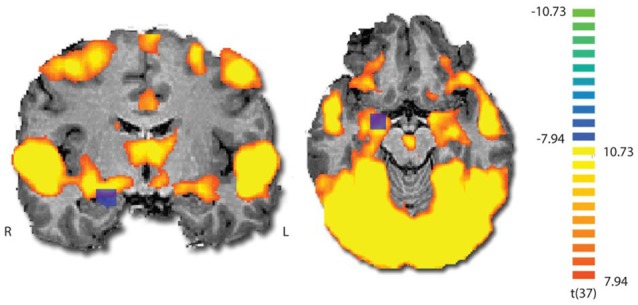
Identifying vulnerable individuals prone to develop post-traumatic stress symptoms (PTSS) is of paramount importance, especially in populations at high risk for stress exposure such as combat soldiers. While several neural and psychological risk factors are known, no post-traumatic stress disorder (PTSD) biomarker has yet progressed to clinical use. Here we present novel and clinically applicable anger-related neurobehavioral risk markers for military-related PTSS in a large cohort of Israeli soldiers. The psychological, electrophysiological and neural (Simultaneous recording of scalp electroencephalography [EEG] and functional magnetic resonance imaging [fMRI]) reaction to an anger-inducing film were measured prior to advanced military training and PTSS were recorded at 1-year follow-up. Limbic modulation was measured using a novel approach that monitors amygdala modulation using fMRI-inspired EEG, hereafter termed amygdala electrical fingerprint (amyg-EFP). Inter-subject correlation (ISC) analysis on fMRI data indicated that during movie viewing participants' brain activity was synchronized in limbic regions including the amygdala. Self-reported state-anger and amyg-EFP modulation successfully predicted PTSS levels. State-anger significantly accounted for 20% of the variance in PTSS, and amyg-EFP signal modulation significantly accounted for additional 15% of the variance. Our study was limited by the moderate PTSS levels and lack of systematic baseline symptoms assessment. These results suggest that pre-stress neurobehavioral measures of anger may predict risk for later PTSS, pointing to anger-related vulnerability factors that can be measured efficiently and at a low cost before stress exposure. Possible mechanisms underlying the association between the anger response and risk for PTSS are discussed.
识别易出现创伤后应激症状(PTSS)的脆弱个体至关重要,尤其是在面临高压力暴露风险的人群中,如作战士兵。虽然已知一些神经和心理风险因素,但尚无创伤后应激障碍(PTSD)生物标志物进入临床应用阶段。在此,我们在一大群以色列士兵中提出了针对与军事相关的PTSS的新型且具有临床适用性的与愤怒相关的神经行为风险标志物。在高级军事训练前,测量了对一部诱发愤怒影片的心理、电生理和神经(同时记录头皮脑电图[EEG]和功能磁共振成像[fMRI])反应,并在1年随访时记录PTSS情况。使用一种新方法测量边缘系统调制,该方法利用受fMRI启发的EEG监测杏仁核调制,以下称为杏仁核电指纹(amyg-EFP)。对fMRI数据的受试者间相关性(ISC)分析表明,在观看影片期间,参与者的大脑活动在包括杏仁核在内的边缘区域同步。自我报告的状态愤怒和杏仁核-EFP调制成功预测了PTSS水平。状态愤怒显著解释了PTSS中20%的方差,杏仁核-EFP信号调制显著额外解释了15%的方差。我们的研究受到PTSS水平中等以及缺乏系统基线症状评估的限制。这些结果表明,应激前愤怒的神经行为测量可能预测后期PTSS的风险,指出了与愤怒相关的脆弱因素,这些因素在应激暴露前可以低成本且高效地测量。文中讨论了愤怒反应与PTSS风险之间关联的潜在机制。