Azijli Kaamar, Gotink Kristy J, Verheul Henk M W
Department of Medical Oncology, VU University Medical Center, Amsterdam, The Netherlands.
J Kidney Cancer VHL. 2015 Jan 21;2(4):195-203. doi: 10.15586/jkcvhl.2015.44. eCollection 2015.
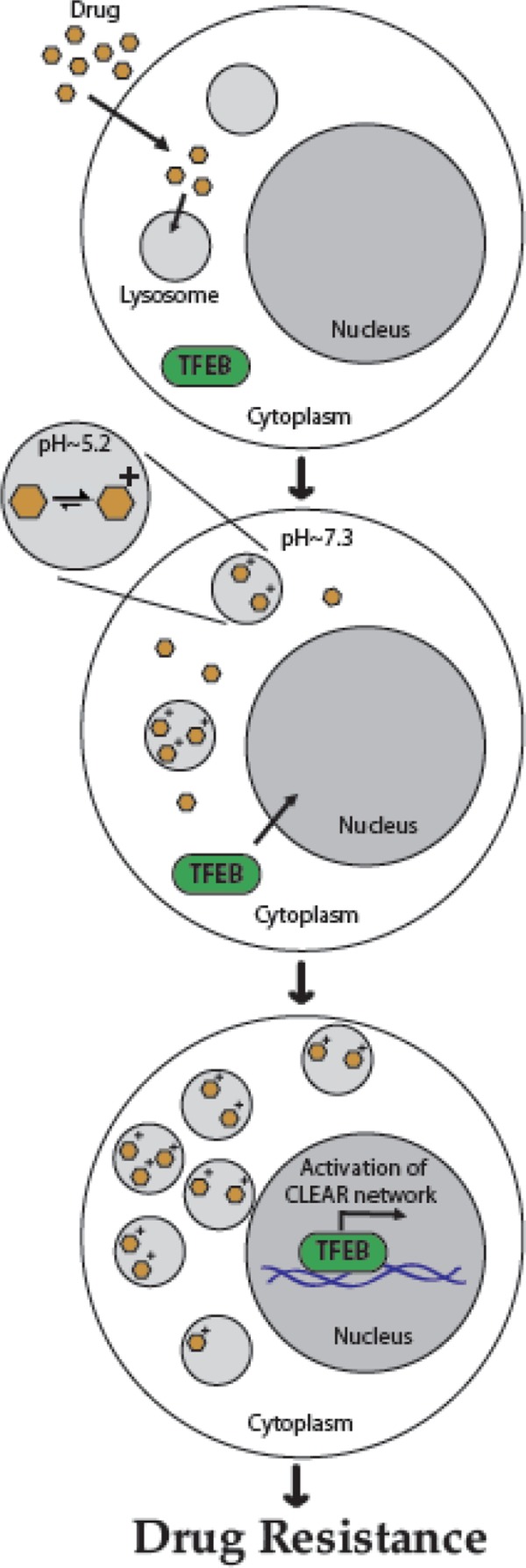
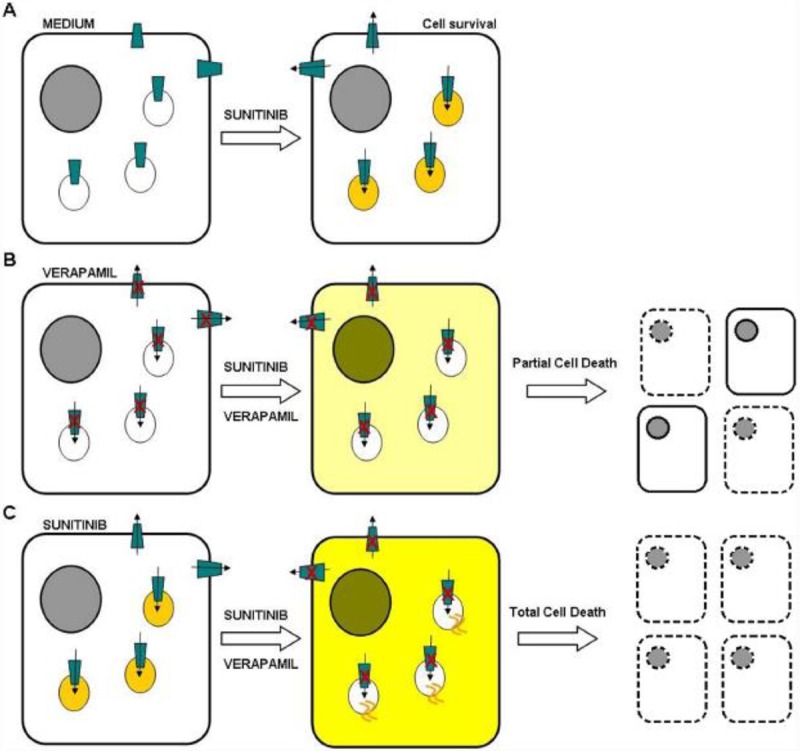
Renal cell carcinoma (RCC) is a highly vascularized tumor type, which is often associated with inactivated mutations in the von Hippel-Lindau gene that drives proangiogenic signaling pathways. As such, new therapies for the treatment of RCC have largely been focused on blocking angiogenesis. Sunitinib, an antiangiogenic tyrosine kinase inhibitor, is the most frequently used first-line drug for the treatment of RCC. Although treatment with sunitinib improves patient outcome considerably, acquired resistance will emerge in all cases. The molecular mechanisms of resistance to sunitinib are poorly understood, but in the past decade, several of these have been proposed. Lysosomal sequestration of sunitinib was reported as a potential resistance mechanism to sunitinib. In this review, the underlying molecular mechanisms of lysosomal sunitinib sequestration and the potential strategies to overcome this resistance are discussed to be able to further improve the treatment of RCC.
肾细胞癌(RCC)是一种血管高度丰富的肿瘤类型,通常与驱动促血管生成信号通路的冯·希佩尔-林道基因的失活突变相关。因此,治疗RCC的新疗法主要集中在阻断血管生成上。舒尼替尼是一种抗血管生成酪氨酸激酶抑制剂,是治疗RCC最常用的一线药物。虽然舒尼替尼治疗可显著改善患者预后,但所有病例都会出现获得性耐药。对舒尼替尼耐药的分子机制了解甚少,但在过去十年中,已经提出了几种机制。舒尼替尼的溶酶体隔离被报道为对舒尼替尼的一种潜在耐药机制。在这篇综述中,讨论了舒尼替尼溶酶体隔离的潜在分子机制以及克服这种耐药性的潜在策略,以便能够进一步改善RCC的治疗。