Naga Prasad Sathyamangla V, Gupta Manveen K, Duan Zhong-Hui, Surampudi Venkata Suresh K, Liu Chang-Gong, Kotwal Ashwin, Moravec Christine S, Starling Randall C, Perez Dianne M, Sen Subha, Wu Qingyu, Plow Edward F, Karnik Sadashiva
Department of Molecular Cardiology, Lerner Research Institute, Cleveland Clinic, Cleveland, Ohio, United States of America.
Department of Computer Sciences, University of Akron, Akron, Ohio, United States of America.
PLoS One. 2017 Mar 22;12(3):e0170456. doi: 10.1371/journal.pone.0170456. eCollection 2017.
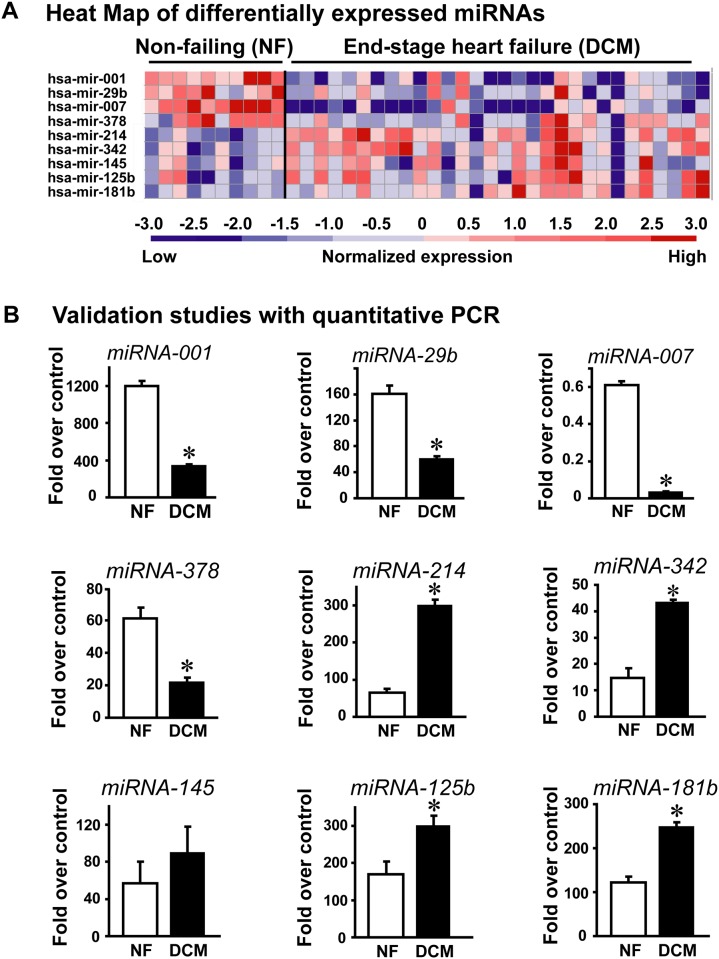
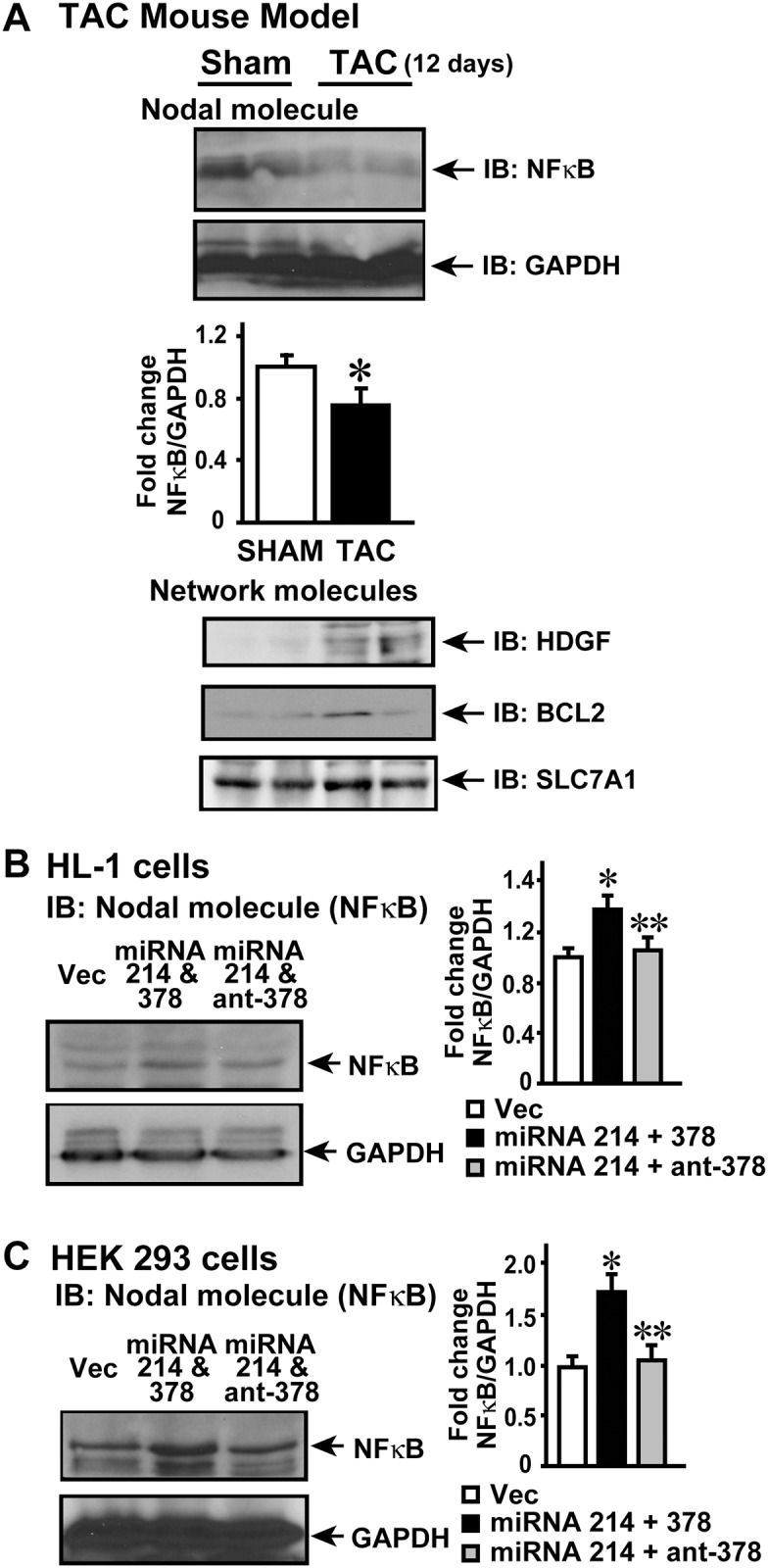
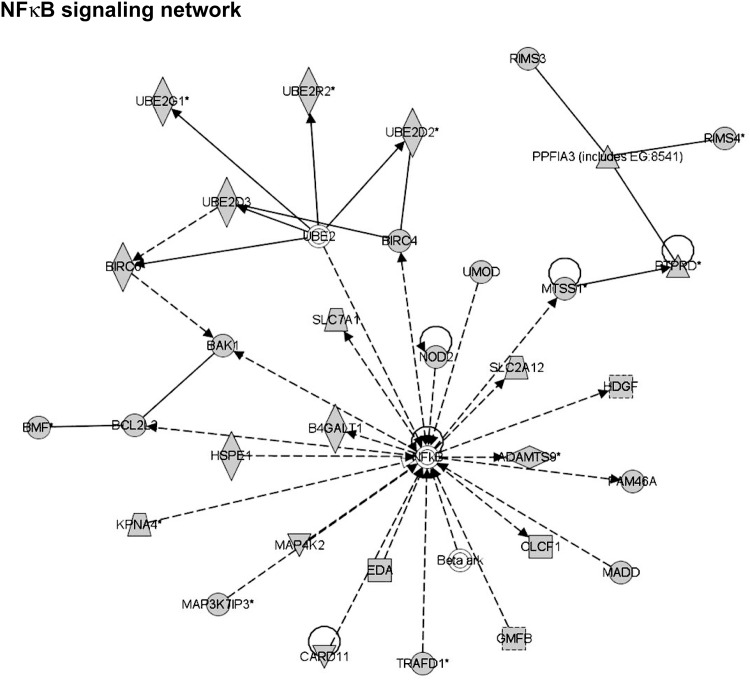
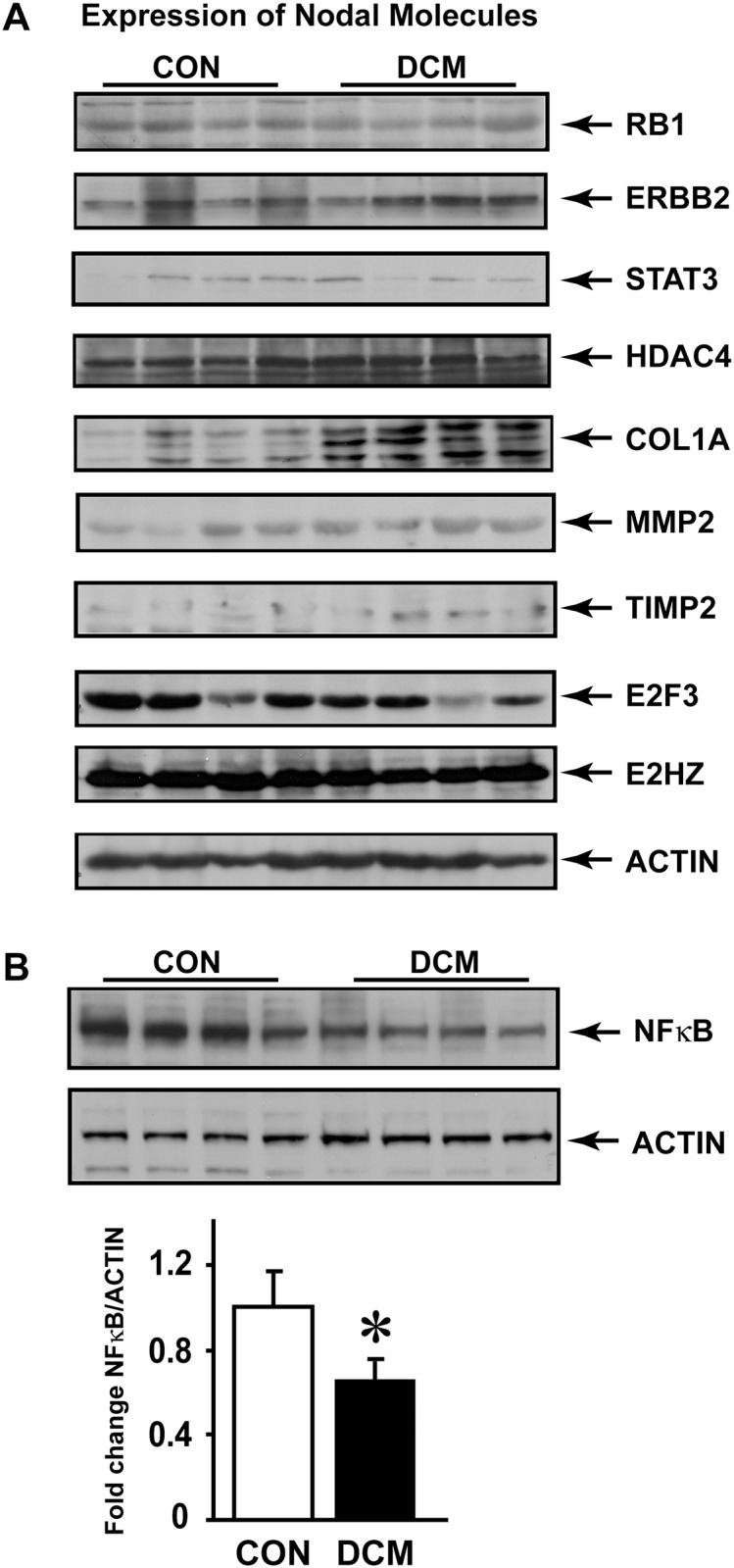
It is well established that the gene expression patterns are substantially altered in cardiac hypertrophy and heart failure, however, less is known about the reasons behind such global differences. MicroRNAs (miRNAs) are short non-coding RNAs that can target multiple molecules to regulate wide array of proteins in diverse pathways. The goal of the study was to profile alterations in miRNA expression using end-stage human heart failure samples with an aim to build signaling network pathways using predicted targets for the altered miRNA and to determine nodal molecules regulating individual networks. Profiling of miRNAs using custom designed microarray and validation with an independent set of samples identified eight miRNAs that are altered in human heart failure including one novel miRNA yet to be implicated in cardiac pathology. To gain an unbiased perspective on global regulation by top eight altered miRNAs, functional relationship of predicted targets for these eight miRNAs were examined by network analysis. Ingenuity Pathways Analysis network algorithm was used to build global signaling networks based on the targets of altered miRNAs which allowed us to identify participating networks and nodal molecules that could contribute to cardiac pathophysiology. Majority of the nodal molecules identified in our analysis are targets of altered miRNAs and known regulators of cardiovascular signaling. Cardio-genomics heart failure gene expression public data base was used to analyze trends in expression pattern for target nodal molecules and indeed changes in expression of nodal molecules inversely correlated to miRNA alterations. We have used NF kappa B network as an example to show that targeting other molecules in the network could alter the nodal NF kappa B despite not being a miRNA target suggesting an integrated network response. Thus, using network analysis we show that altering key functional target proteins may regulate expression of the myriad signaling pathways underlying the cardiac pathology.
众所周知,基因表达模式在心脏肥大和心力衰竭中会发生显著改变,然而,对于这种整体差异背后的原因却知之甚少。微小RNA(miRNA)是短的非编码RNA,可靶向多个分子以调节不同途径中的多种蛋白质。本研究的目的是使用终末期人类心力衰竭样本分析miRNA表达的变化,旨在利用预测的miRNA改变的靶标构建信号网络途径,并确定调节各个网络的节点分子。使用定制设计的微阵列对miRNA进行分析,并通过独立的样本集进行验证,鉴定出8种在人类心力衰竭中发生改变的miRNA,其中包括一种尚未涉及心脏病理学的新型miRNA。为了对前八种改变的miRNA的全局调控有一个无偏见的认识,通过网络分析研究了这八种miRNA预测靶标的功能关系。使用 Ingenuity Pathways Analysis网络算法基于改变的miRNA的靶标构建全局信号网络,这使我们能够识别可能导致心脏病理生理学的参与网络和节点分子。我们分析中鉴定出的大多数节点分子是改变的miRNA的靶标和已知的心血管信号调节剂。使用心脏基因组学心力衰竭基因表达公共数据库分析靶标节点分子的表达模式趋势,实际上节点分子的表达变化与miRNA改变呈负相关。我们以NF-κB网络为例表明,尽管不是miRNA靶标,但靶向网络中的其他分子可能会改变节点NF-κB,这表明存在综合网络反应。因此,通过网络分析我们表明,改变关键功能靶蛋白可能会调节心脏病理学背后无数信号通路的表达。