Ekambaram Sanmuga Priya, Perumal Senthamil Selvan, Annamalai Umayal
Department of Pharmaceutical Technology, Anna University BIT Campus, Tiruchirappalli, 620 024, Tamil Nadu, India.
3 Biotech. 2016 Jun;6(1):20. doi: 10.1007/s13205-015-0335-0. Epub 2016 Jan 9.
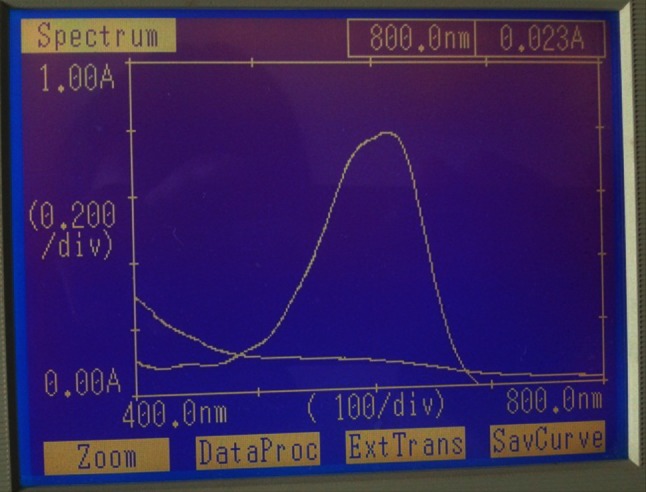
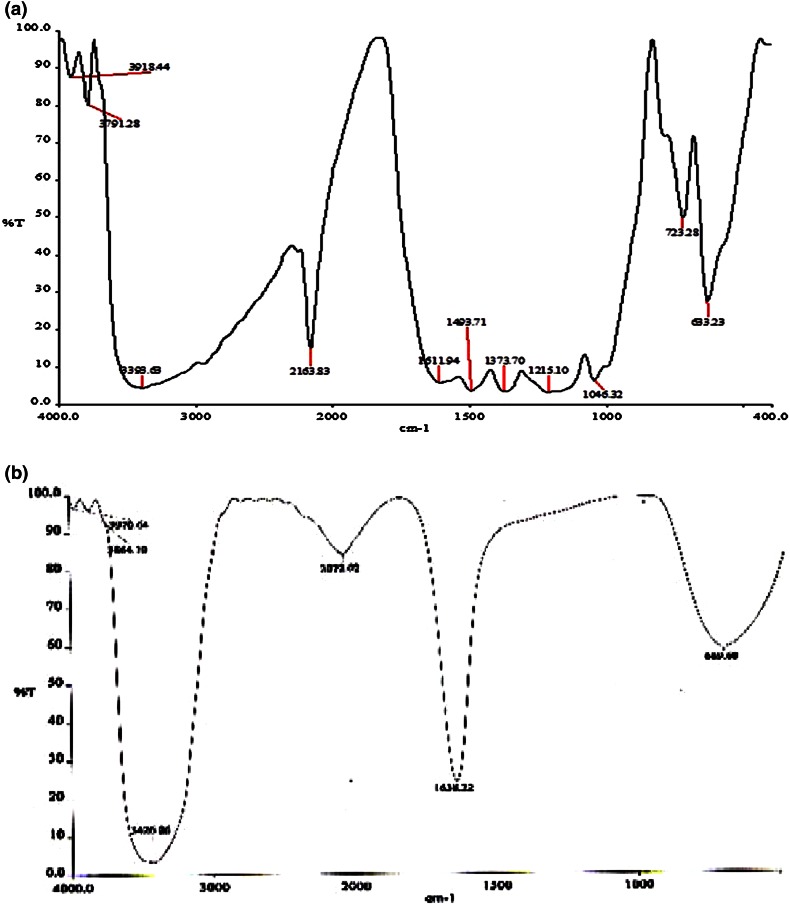
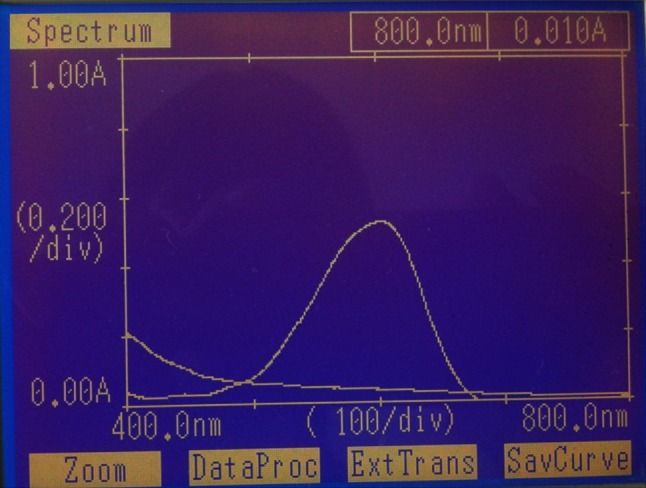
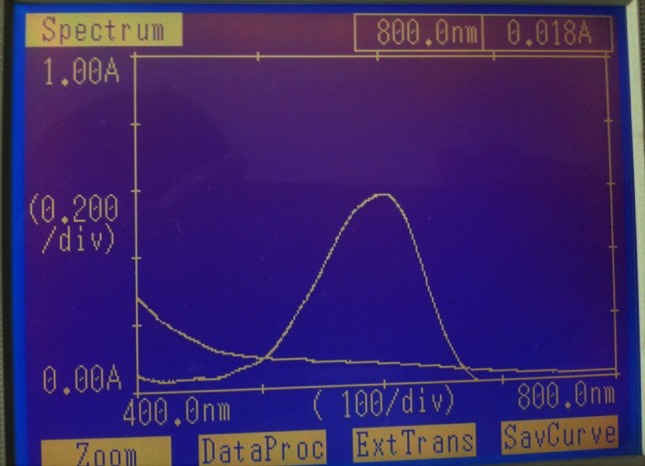
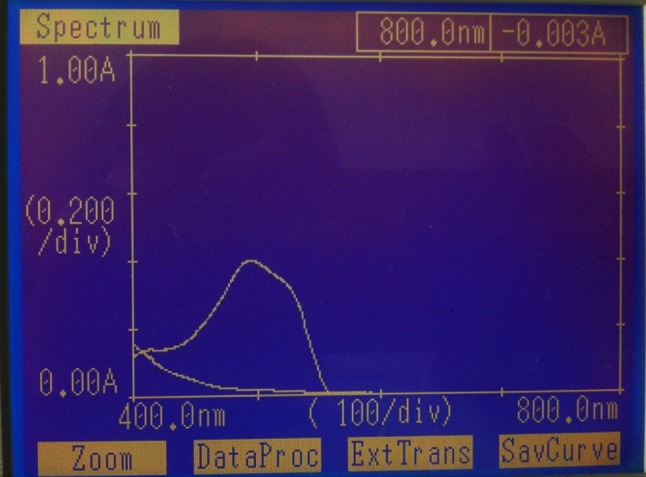
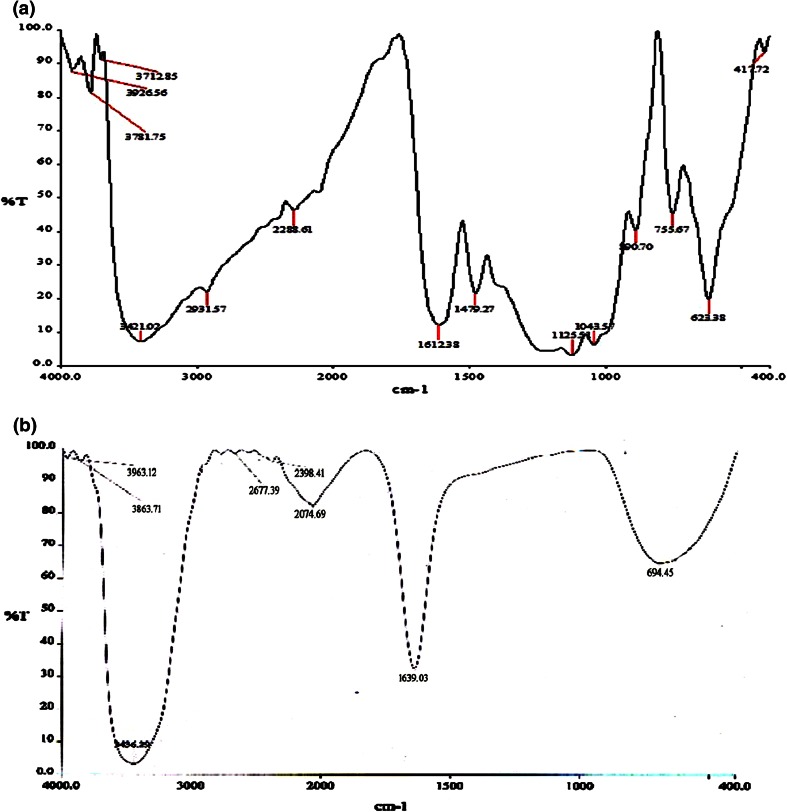
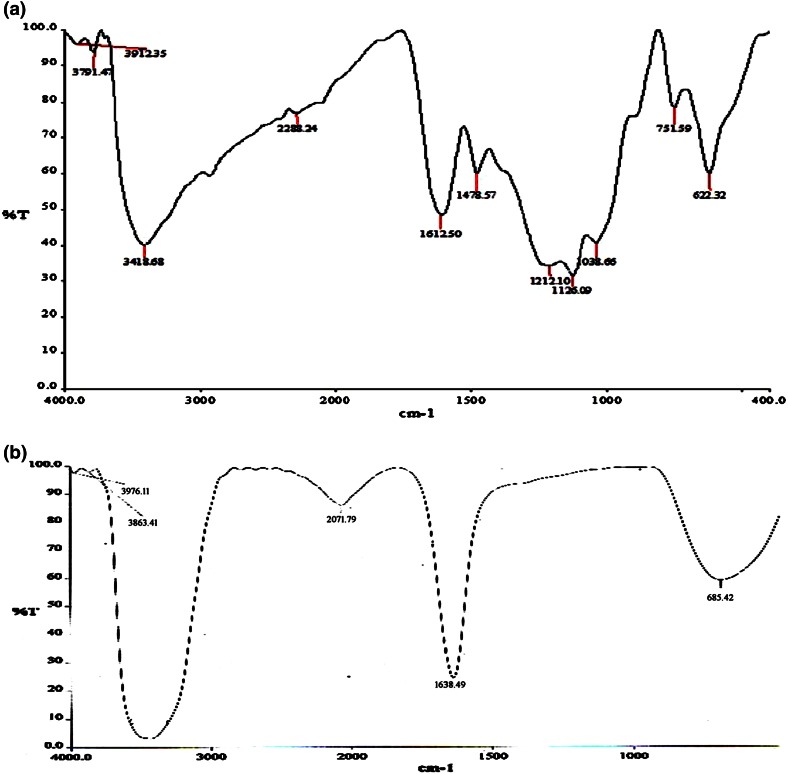
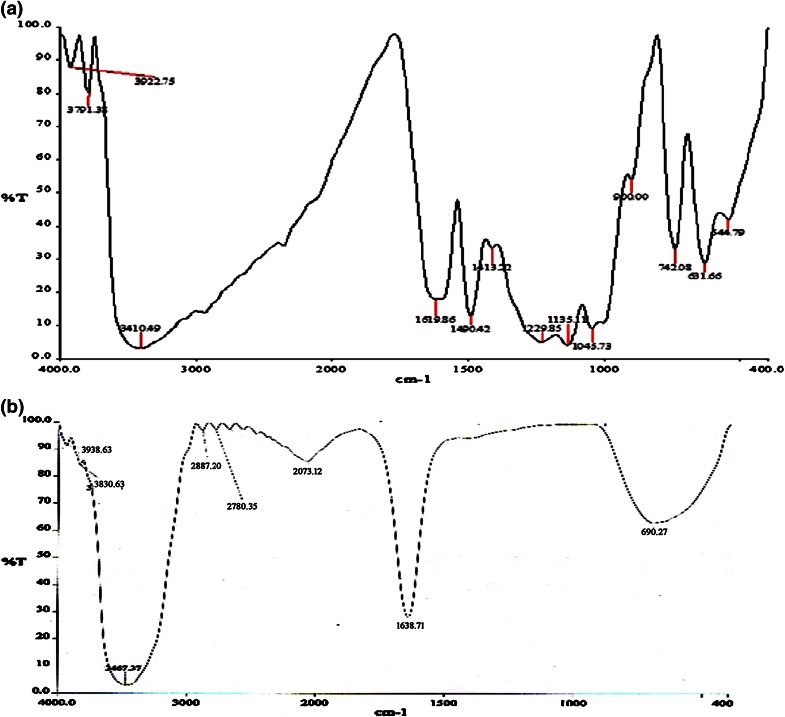
Decolorisation and biodegradation efficacy of potential strains isolated from dyeing effluent collected from Tirupur region, Tamil Nadu, India were studied in remazol reactive dyes. Two potential strains Clostridium butyricum (EI05) and Clostridium acetobutylicum (EI25) identified by biochemical tests in our previous study were studied for their decolorising efficiency on various remazol reactive dyes (Remazol Blue RGB, Remazol Blue RR, Remazol Navy RGB and Remazol Orange RR). The synthetic dyes showed complete decolorization after 24-72 h by two potential strains EI05 and EI25. Clostridium acetobutylicum (EI25) was found to be the most potential strain isolated. The spectral analysis was performed by UV-Visible spectroscopy and FT-IR spectroscopy to study biodegradation. The peak disappearance in UV spectrum, peak shifts and disappearance in FTIR spectrum of treated samples indicated biodegradation. Thus Clostridium species could able to decolorize the remazol reactive dyes.
对从印度泰米尔纳德邦蒂鲁布尔地区收集的印染废水中分离出的潜在菌株在雷马素活性染料中的脱色和生物降解效果进行了研究。在我们之前的研究中通过生化试验鉴定出的两种潜在菌株丁酸梭菌(EI05)和丙酮丁醇梭菌(EI25),对它们在各种雷马素活性染料(雷马素蓝RGB、雷马素蓝RR、雷马素海军蓝RGB和雷马素橙RR)上的脱色效率进行了研究。两种潜在菌株EI05和EI25在24 - 72小时后使合成染料完全脱色。发现丙酮丁醇梭菌(EI25)是分离出的最具潜力的菌株。通过紫外可见光谱和傅里叶变换红外光谱进行光谱分析以研究生物降解。处理后样品的紫外光谱中峰的消失、傅里叶变换红外光谱中的峰位移和峰消失表明发生了生物降解。因此梭菌属能够使雷马素活性染料脱色。