Sun Guiru, Sun Liqun, Xie Haiming, Liu Jia
Institute of Functional Materials, Faculty of Chemistry, Northeast Normal University, Changchun 130024, China.
National & Local United Engineering Lab for Power Battery, Northeast Normal University, Changchun 130024, China.
Nanomaterials (Basel). 2016 Jul 2;6(7):129. doi: 10.3390/nano6070129.
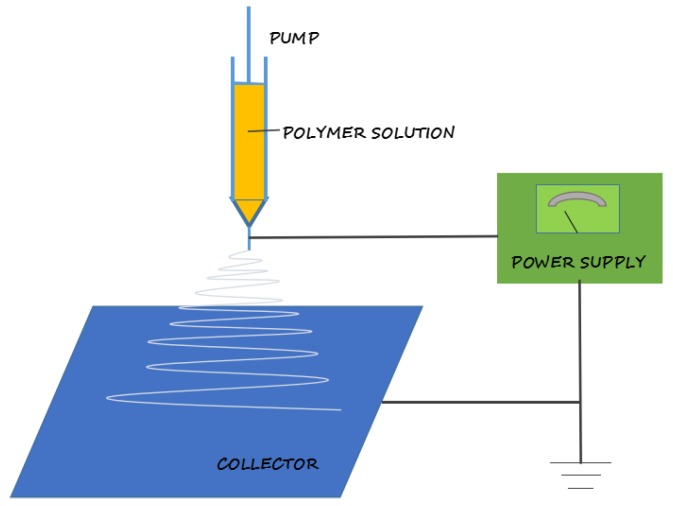
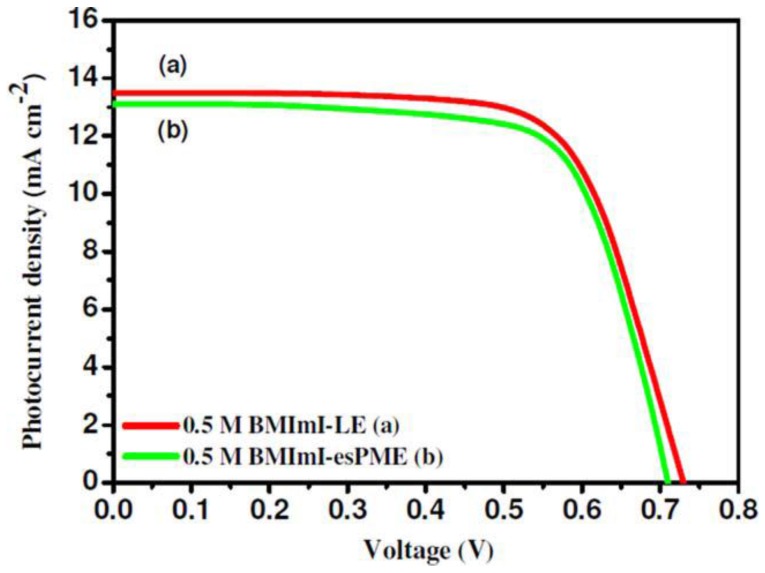
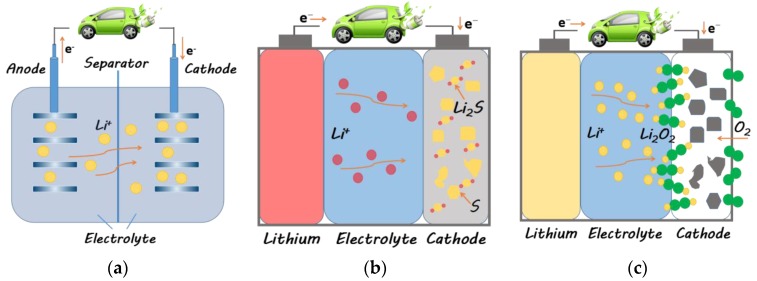
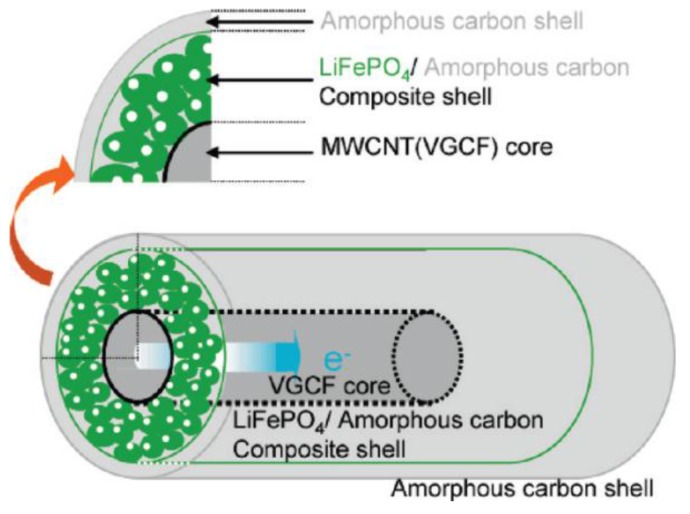
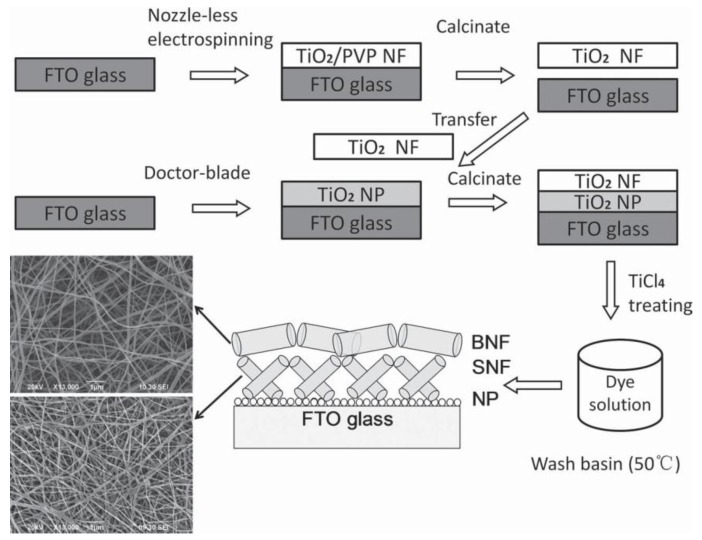
With global concerns about the shortage of fossil fuels and environmental issues, the development of efficient and clean energy storage devices has been drastically accelerated. Nanofibers are used widely for energy storage devices due to their high surface areas and porosities. Electrospinning is a versatile and efficient fabrication method for nanofibers. In this review, we mainly focus on the application of electrospun nanofibers on energy storage, such as lithium batteries, fuel cells, dye-sensitized solar cells and supercapacitors. The structure and properties of nanofibers are also summarized systematically. The special morphology of nanofibers prepared by electrospinning is significant to the functional materials for energy storage.
随着全球对化石燃料短缺和环境问题的关注,高效清洁能源存储设备的开发已大幅加速。纳米纤维因其高表面积和孔隙率而被广泛用于能量存储设备。静电纺丝是一种用于制备纳米纤维的通用且高效的制造方法。在本综述中,我们主要关注静电纺丝纳米纤维在能量存储方面的应用,如锂电池、燃料电池、染料敏化太阳能电池和超级电容器。同时也系统地总结了纳米纤维的结构和性能。通过静电纺丝制备的纳米纤维的特殊形态对于能量存储功能材料具有重要意义。