Czompa Attila, Gyongyosi Alexandra, Szoke Kitti, Bak Istvan, Csepanyi Evelin, Haines David D, Tosaki Arpad, Lekli Istvan
Faculty of Pharmacy, Department of Pharmacology, University of Debrecen, Debrecen 4032, Hungary.
Molecules. 2017 Mar 20;22(3):488. doi: 10.3390/molecules22030488.
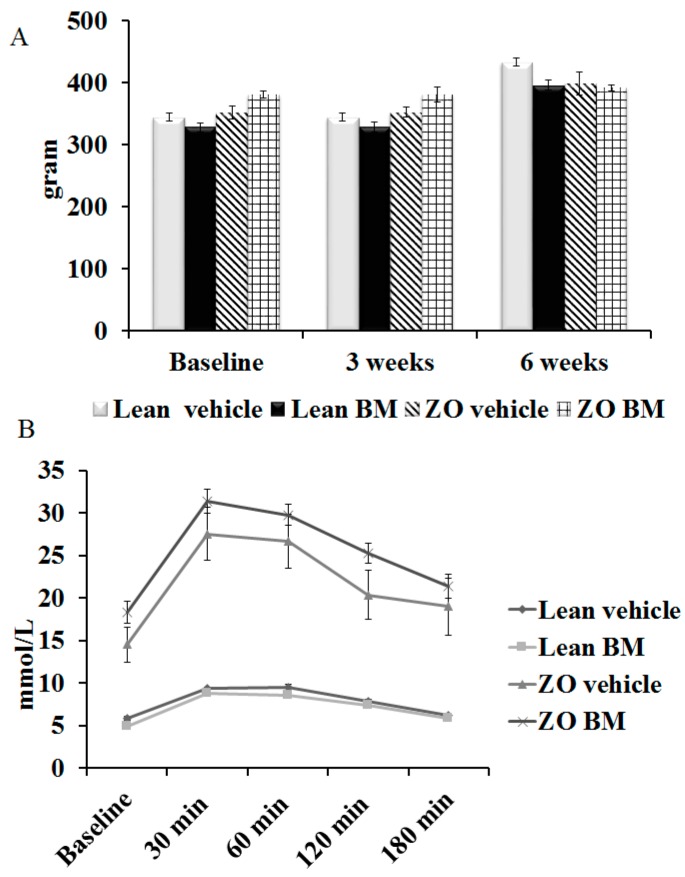
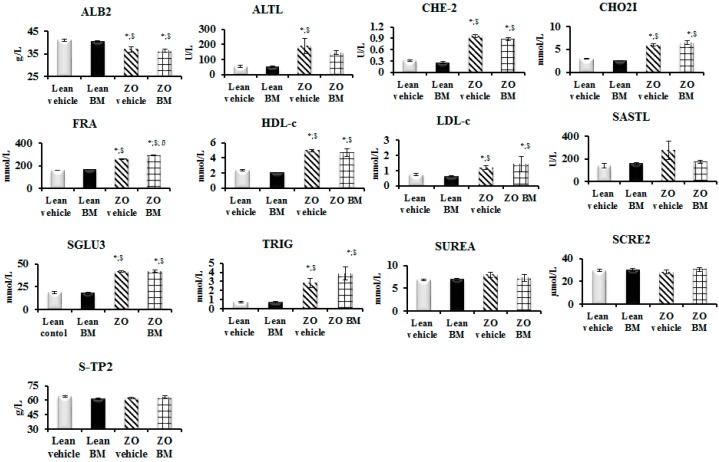
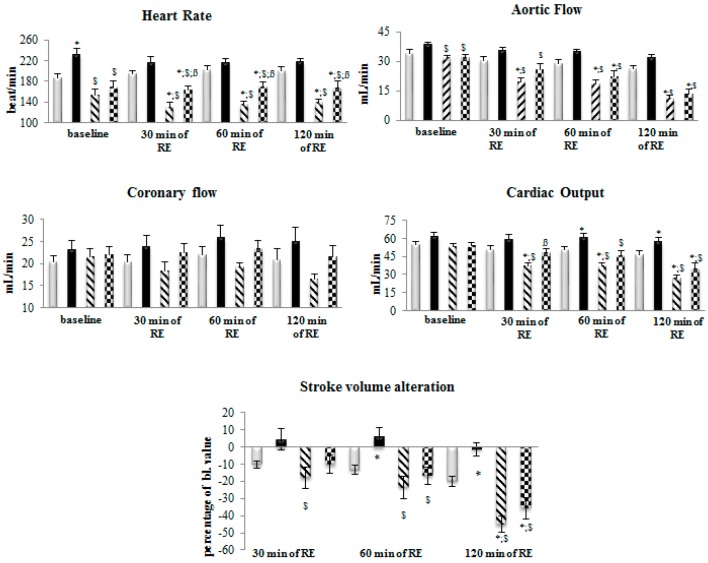
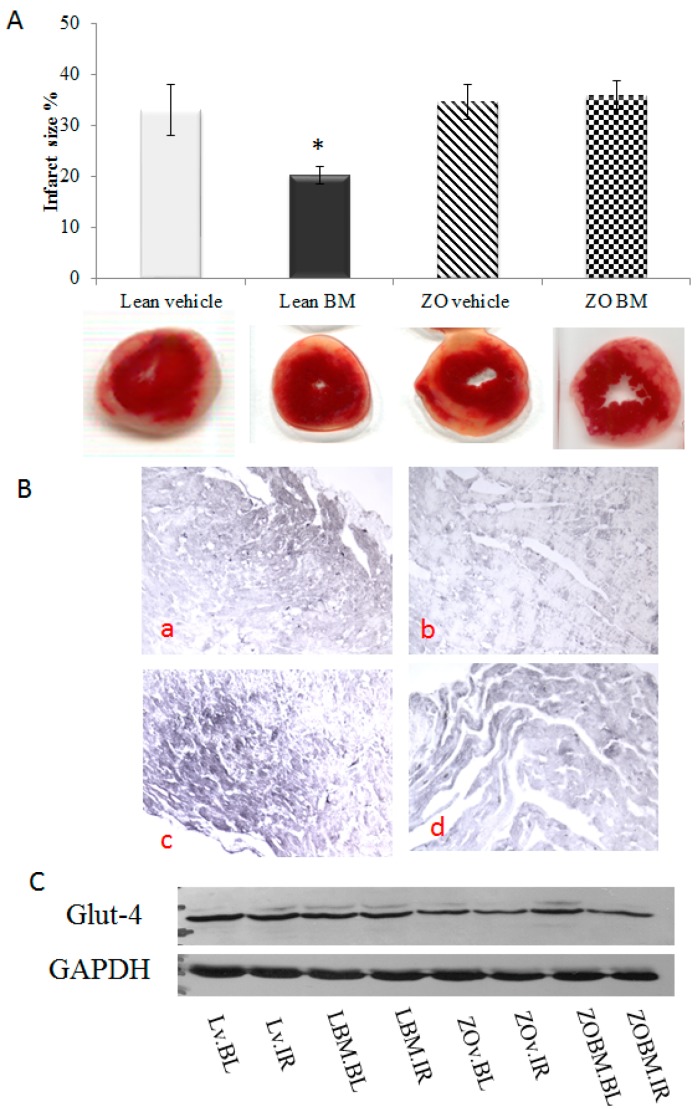
: A rat model is here used to test a hypothesis that (Bitter melon (BM)) extract favorably alters processes in cardiovascular tissue and is systemically relevant to the pathophysiology of type 2 diabetes (T2DM) and related cardiovascular disease. : Male Lean and Zucker Obese (ZO) rats were gavage-treated for six weeks with 400 mg/kg body weight bitter melon (BM) extract suspended in mucin-water vehicle, or with vehicle (Control). Animals were segregated into four treatment groups, 10 animals in each group, according to strain (Lean or ZO) and treatment (Control or BM). Following six-week treatment periods, peripheral blood was collected from selected animals, followed by sacrifice, thoracotomy and mounting of isolated working heart setup. : Body mass of both Lean and ZO rats was unaffected by treatment, likewise, peripheral blood fasting glucose levels showed no significant treatment-related effects. However, some BM treatment-related improvement was noted in postischemic cardiac functions when Lean, BM-treated animals were compared to vehicle treated Lean control rats. Treatment of Lean, but not ZO, rats significantly reduced the magnitude of infarcted zone in isolated hearts subjected to 30 min of ischemia followed by 2 h of working mode reperfusion. Immunohistochemical demonstration of caspase-3 expression by isolated heart tissues subjected to 30 min of ischemia followed by 2 h of reperfusion, revealed significant correlation between BM treatment and reduced expression of this enzyme in hearts obtained from both Lean and ZO animals. The hierarchy and order of caspase-3 expression from highest to lowest was as follows: ZO rats receiving vehicle > ZO rats receiving BM extract > Lean rats treated receiving vehicle > Lean rats administered BM extract. Outcomes of analyses of peripheral blood content of cardiac-related analytics: with particular relevance to clinical application was a significant elevation in blood of ZO and ZO BM-treated, versus Lean rats of total cholesterol (high density lipoprotein HDL-c + low density lipoprotein LDL-c), with an inferred increase in HDL-c/LDL-c ratio-an outcome associated with decreased risk of atherosclerotic disease. : BM extract failed to positively affect T2DM- and cardiovascular-related outcomes at a level suggesting use as a standalone treatment. Nevertheless, the encouraging effects of BM in enhancement of cardiac function, suppression of post-ischemic/reperfused infarct size extent and capacity to modulate serum cholesterol, will likely make it useful as an adjuvant therapy for the management of T2DM and related cardiovascular diseases.
本研究采用大鼠模型来验证一个假设,即苦瓜(BM)提取物能改善心血管组织的生理过程,且与2型糖尿病(T2DM)及相关心血管疾病的病理生理学具有系统性关联。雄性瘦素大鼠和 Zucker 肥胖(ZO)大鼠以体重 400 mg/kg 的苦瓜(BM)提取物悬浮于粘蛋白 - 水载体中进行灌胃处理六周,或给予载体(对照组)。根据品系(瘦素或 ZO)和处理方式(对照或 BM)将动物分为四个处理组,每组 10 只动物。经过六周的处理期后,从选定的动物采集外周血,随后处死动物,进行开胸手术并安装离体工作心脏装置。瘦素大鼠和 ZO 大鼠的体重均不受处理影响,同样,外周血空腹血糖水平也未显示出与处理相关的显著影响。然而,当将接受 BM 处理的瘦素大鼠与接受载体处理的瘦素对照大鼠进行比较时,发现 BM 处理在缺血后心脏功能方面有一些改善。对瘦素大鼠(而非 ZO 大鼠)进行处理后,显著降低了离体心脏在经历 30 分钟缺血后再进行 2 小时工作模式再灌注时梗死区域的大小。对经历 30 分钟缺血后再进行 2 小时再灌注的离体心脏组织进行免疫组织化学检测 caspase - 3 表达,结果显示 BM 处理与从瘦素大鼠和 ZO 大鼠获得的心脏中该酶表达降低之间存在显著相关性。caspase - 3 表达从高到低的顺序如下:接受载体的 ZO 大鼠 > 接受 BM 提取物的 ZO 大鼠 > 接受载体处理的瘦素大鼠 > 给予 BM 提取物的瘦素大鼠。对与心脏相关分析物的外周血含量分析结果:与临床应用特别相关的是,与瘦素大鼠相比,ZO 大鼠和接受 BM 处理的 ZO 大鼠血液中总胆固醇(高密度脂蛋白 HDL - c + 低密度脂蛋白 LDL - c)显著升高,推测 HDL - c/LDL - c 比值增加——这一结果与动脉粥样硬化疾病风险降低相关。BM 提取物未能在表明可作为单一治疗方法的水平上对 T2DM 和心血管相关结果产生积极影响。然而,BM 在增强心脏功能、抑制缺血后/再灌注梗死面积范围以及调节血清胆固醇方面的令人鼓舞的作用,可能使其成为治疗 T2DM 和相关心血管疾病的辅助疗法。