Ahmad Syed Shoeb
Department of Ophthalmology, Queen Elizabeth Hospital, Kota Kinabalu, Malaysia.
Saudi J Ophthalmol. 2017 Jan-Mar;31(1):38-41. doi: 10.1016/j.sjopt.2016.08.001. Epub 2016 Aug 22.
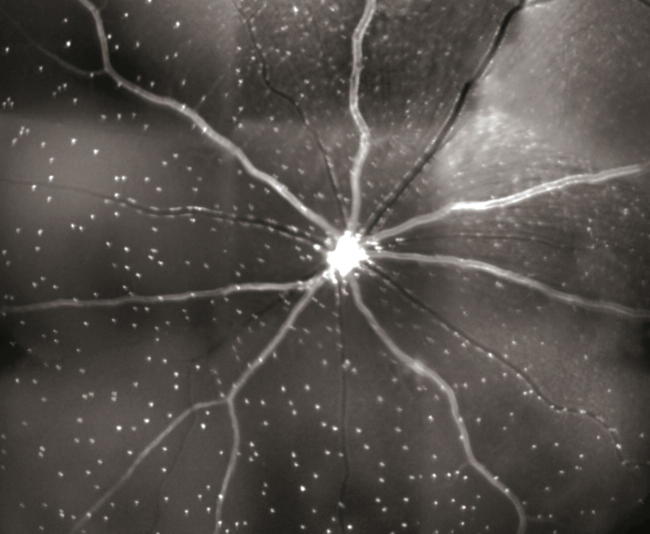
Glaucoma is a multi-factorial neurodegenerative disorder. The common denominator in all types of glaucomas is retinal ganglion cell death through apoptosis. However, this cellular demise in glaucoma is detected late by structural or functional analyses. There can be a 10-year delay prior to the appearance of visual field defects and pre-perimetric glaucoma is an issue still being addressed. However, a new cutting-edge technology called detection of apoptosing retinal cells (DARC) is being developed. This technique is capable of non-invasive, real-time visualization of apoptotic changes at the cellular level. It can detect glaucomatous cell damage at a very early stage, at the moment apoptosis starts, and thus management can be initiated even prior to development of visual field changes. In future, this technique will also be able to provide conclusive evidence of the effectiveness of treatment protocol and the need for any modifications which may be required. This article aims to provide a concise review of DARC technology.
青光眼是一种多因素神经退行性疾病。所有类型青光眼的共同特征是视网膜神经节细胞通过凋亡而死亡。然而,通过结构或功能分析在青光眼患者中检测到这种细胞死亡的时间较晚。在视野缺损出现之前可能会有10年的延迟,而视野缺损前青光眼仍是一个有待解决的问题。然而,一种名为凋亡视网膜细胞检测(DARC)的前沿新技术正在研发中。这项技术能够在细胞水平上对凋亡变化进行非侵入性实时可视化。它可以在细胞凋亡刚开始的非常早期阶段检测到青光眼性细胞损伤,从而甚至在视野变化出现之前就可以开始治疗。未来,这项技术还将能够为治疗方案的有效性以及是否需要进行任何修改提供确凿证据。本文旨在对DARC技术进行简要综述。