Zeng Wenjin, Liu Xingming, Guo Xiangru, Niu Qiaoli, Yi Jianpeng, Xia Ruidong, Min Yong
Key Laboratory for Organic Electronics & Information Displays (KLOEID) & Institute of Advanced Materials (IAM), Jiangsu National Synergistic Innovation Center for Advanced Materials (SICAM), Nanjing University of Posts and Telecommunications, 9 Wenyuan Road, Nanjing 210023, China.
The School of Materials and Energy, Guangdong University of Technology, Panyu, Guangzhou 510006, China.
Molecules. 2017 Mar 24;22(4):520. doi: 10.3390/molecules22040520.
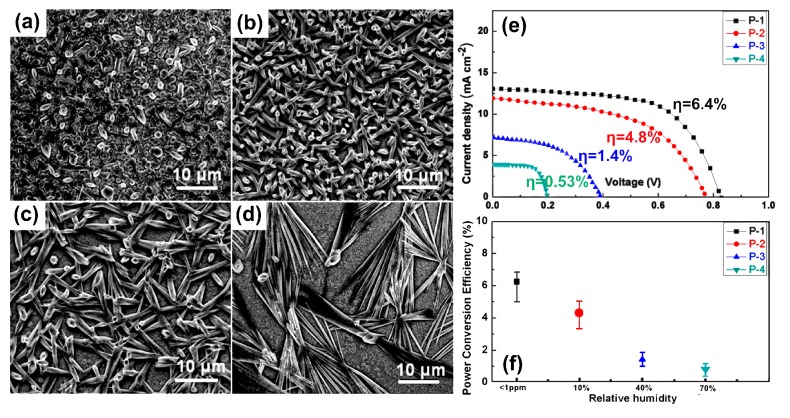
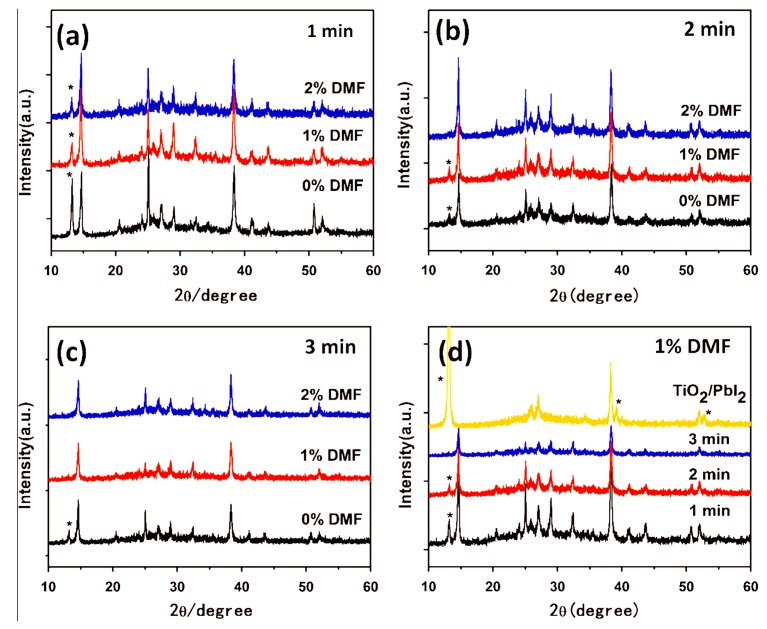
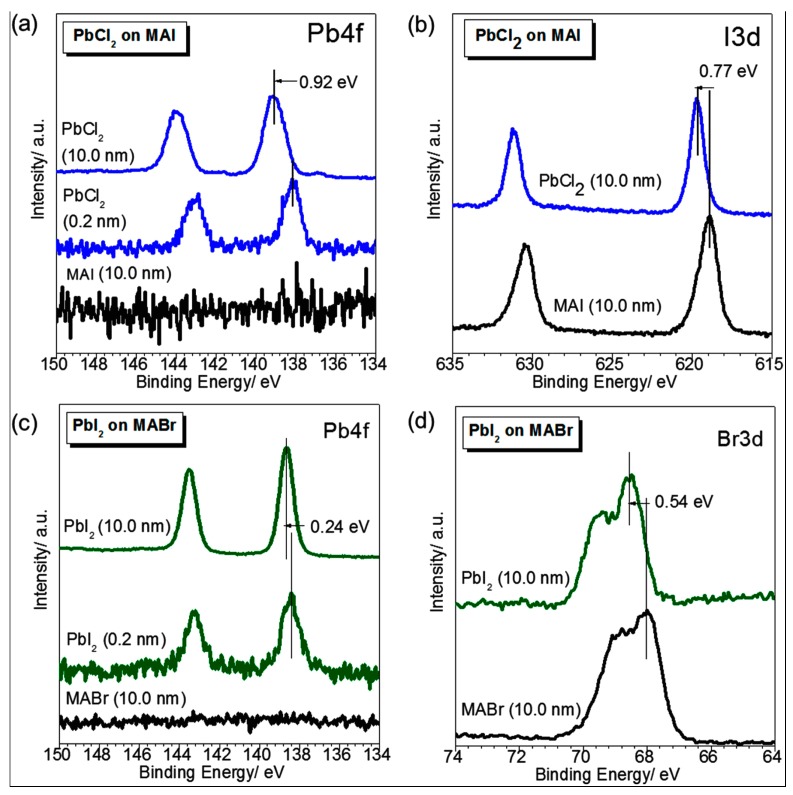
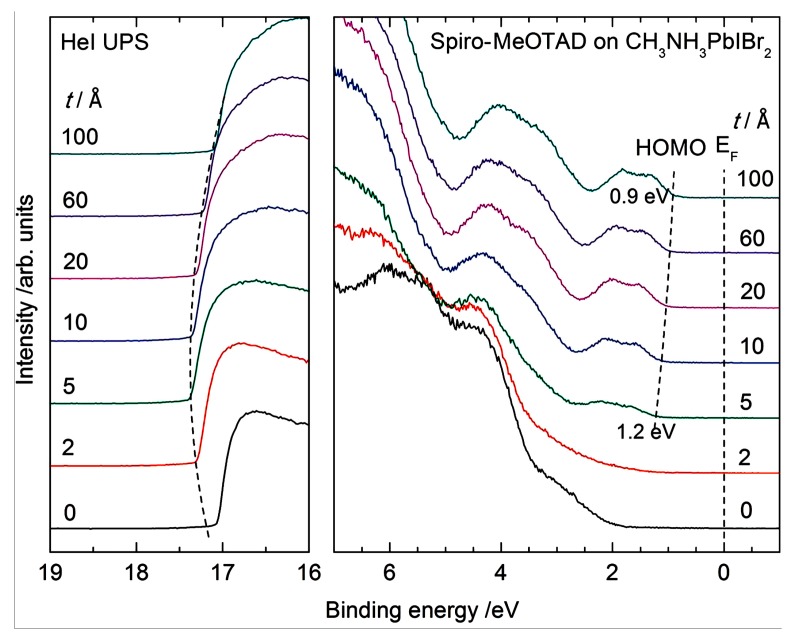
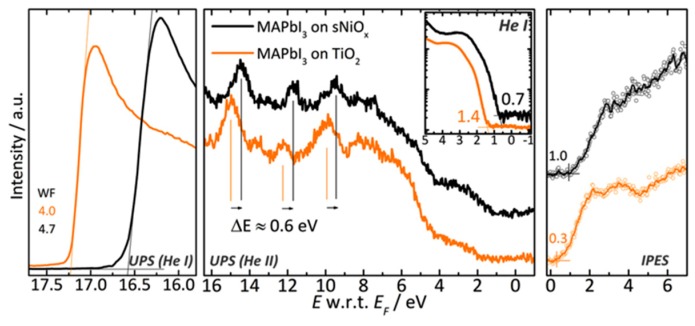
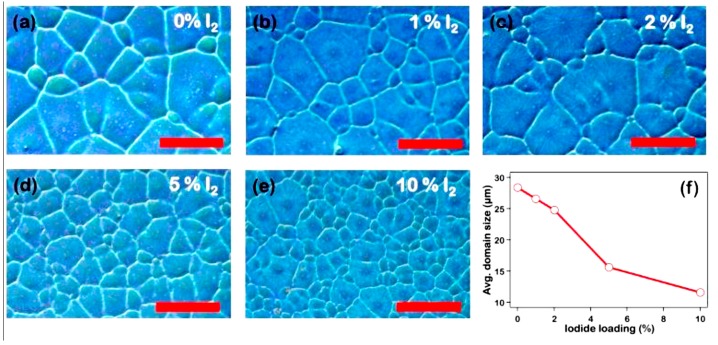
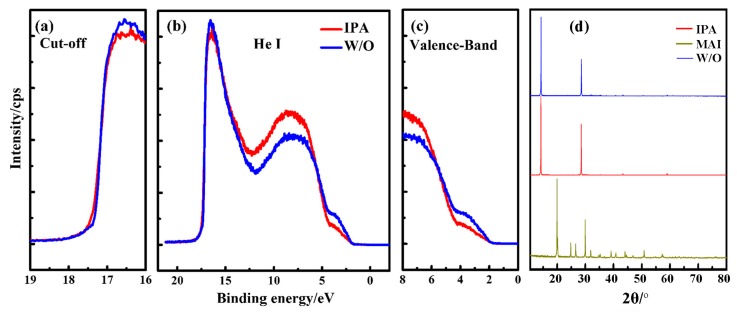
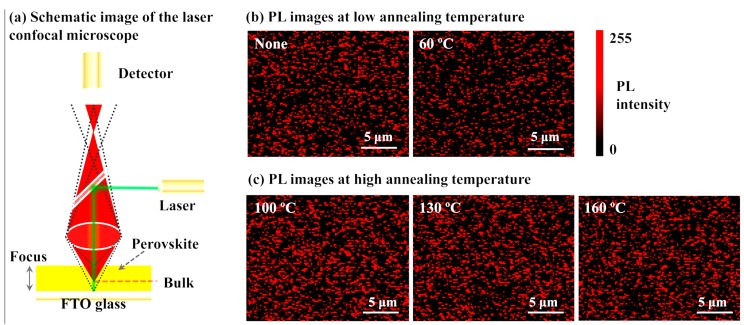
This review presents an overall discussion on the morphology analysis and optimization for perovskite (PVSK) solar cells. Surface morphology and energy alignment have been proven to play a dominant role in determining the device performance. The effect of the key parameters such as solution condition and preparation atmosphere on the crystallization of PVSK, the characterization of surface morphology and interface distribution in the perovskite layer is discussed in detail. Furthermore, the analysis of interface energy level alignment by using X-ray photoelectron spectroscopy and ultraviolet photoelectron spectroscopy is presented to reveals the correlation between morphology and charge generation and collection within the perovskite layer, and its influence on the device performance. The techniques including architecture modification, solvent annealing, etc. were reviewed as an efficient approach to improve the morphology of PVSK. It is expected that further progress will be achieved with more efforts devoted to the insight of the mechanism of surface engineering in the field of PVSK solar cells.
本综述对钙钛矿(PVSK)太阳能电池的形态分析和优化进行了全面讨论。表面形态和能量排列已被证明在决定器件性能方面起着主导作用。详细讨论了溶液条件和制备气氛等关键参数对PVSK结晶的影响、钙钛矿层表面形态和界面分布的表征。此外,还介绍了利用X射线光电子能谱和紫外光电子能谱对界面能级排列的分析,以揭示形态与钙钛矿层内电荷产生和收集之间的相关性及其对器件性能的影响。包括结构修饰、溶剂退火等在内的技术被作为改善PVSK形态的有效方法进行了综述。预计随着在PVSK太阳能电池领域对表面工程机制的深入研究投入更多努力,将取得进一步进展。