Kawahara Tomohiro, Makizaki Yutaka, Oikawa Yosuke, Tanaka Yoshiki, Maeda Ayako, Shimakawa Masaki, Komoto Satoshi, Moriguchi Kyoko, Ohno Hiroshi, Taniguchi Koki
R&D Center, Biofermin Pharmaceutical Co., Ltd., Kobe, Japan.
Department of Virology and Parasitology, Fujita Health University School of Medicine, Toyoake, Aichi, Japan.
PLoS One. 2017 Mar 27;12(3):e0173979. doi: 10.1371/journal.pone.0173979. eCollection 2017.
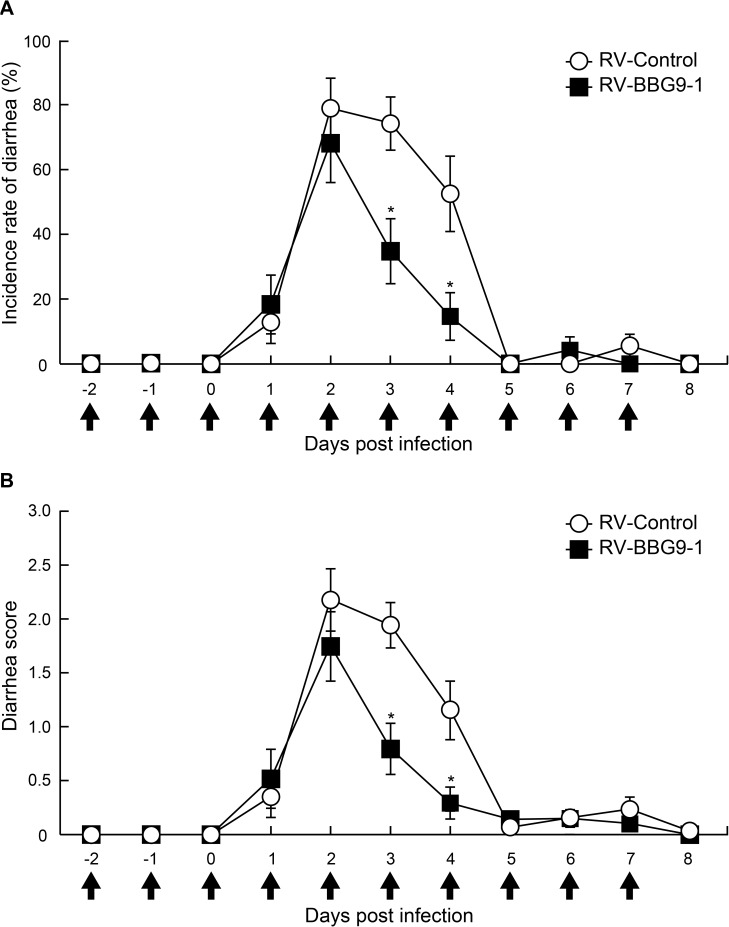
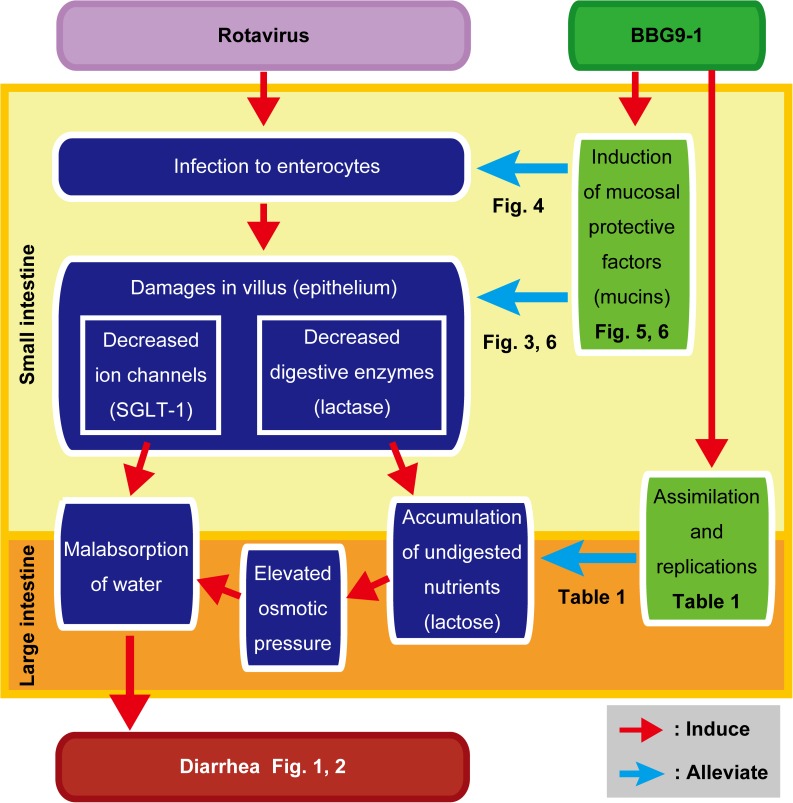
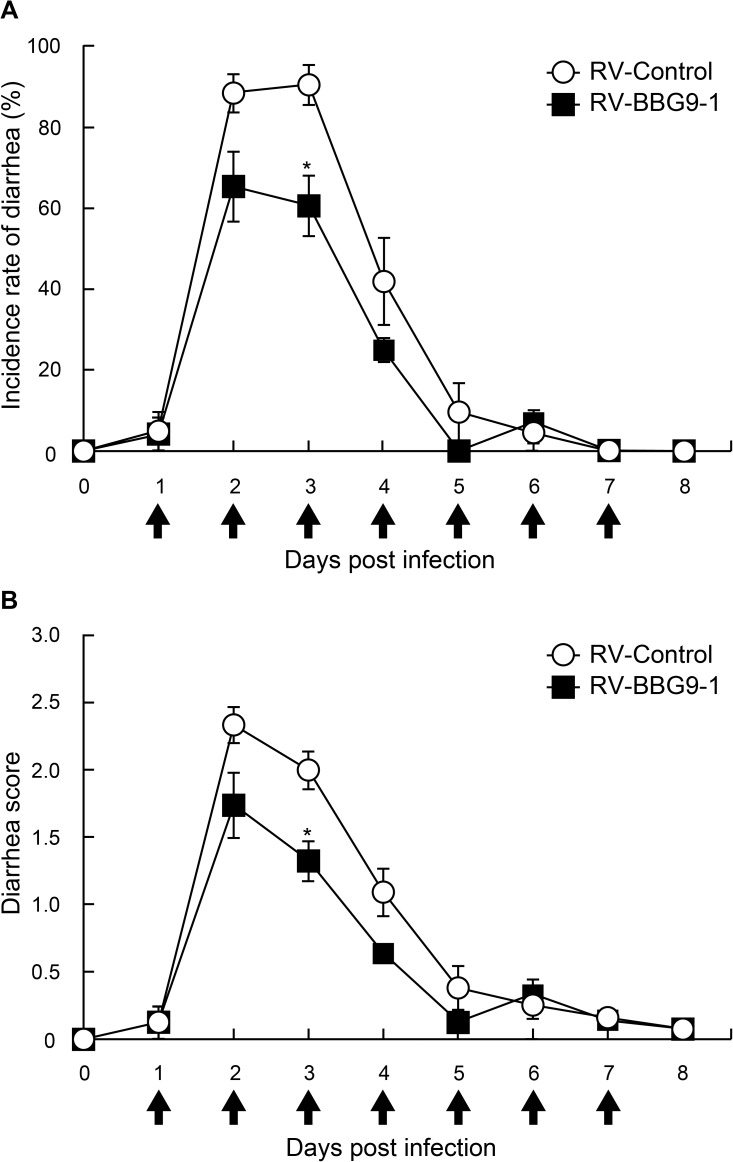
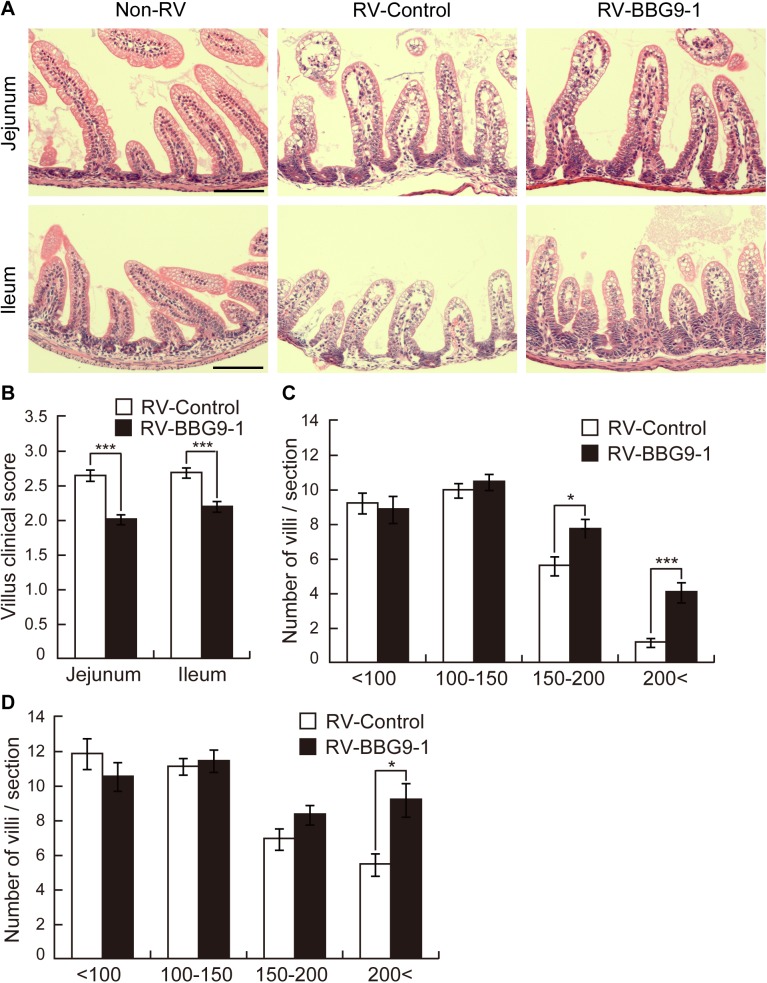
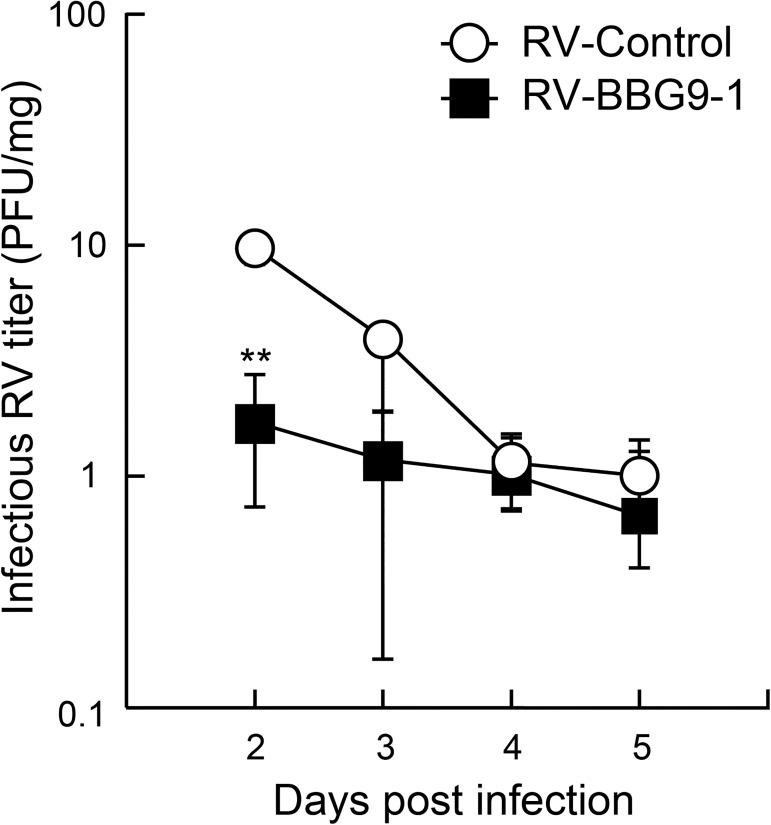
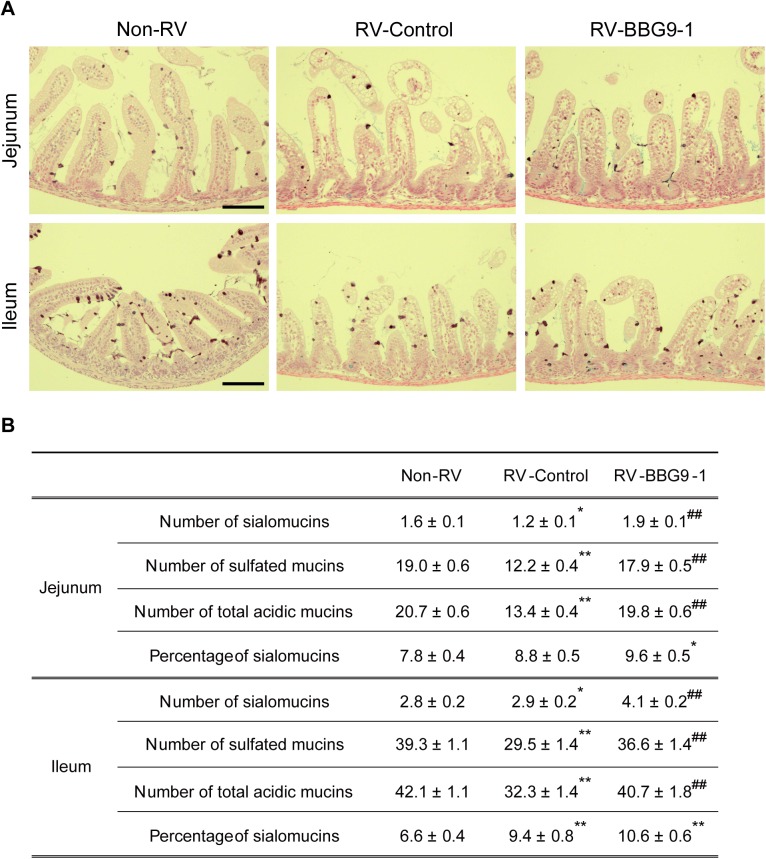
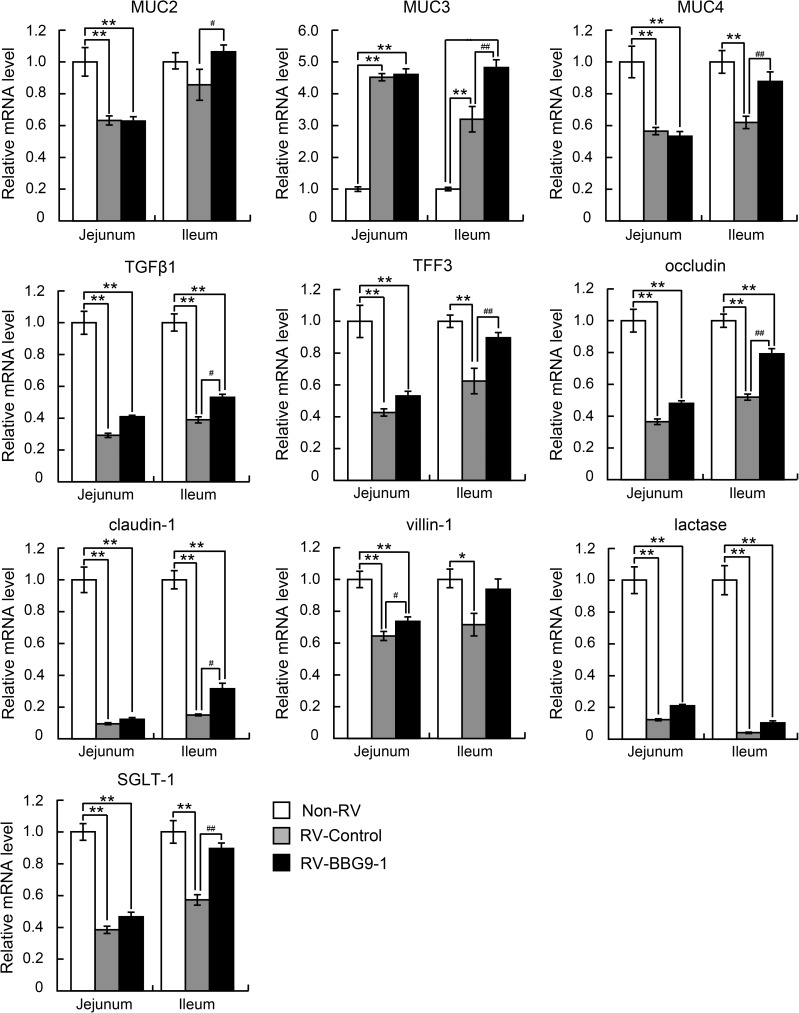
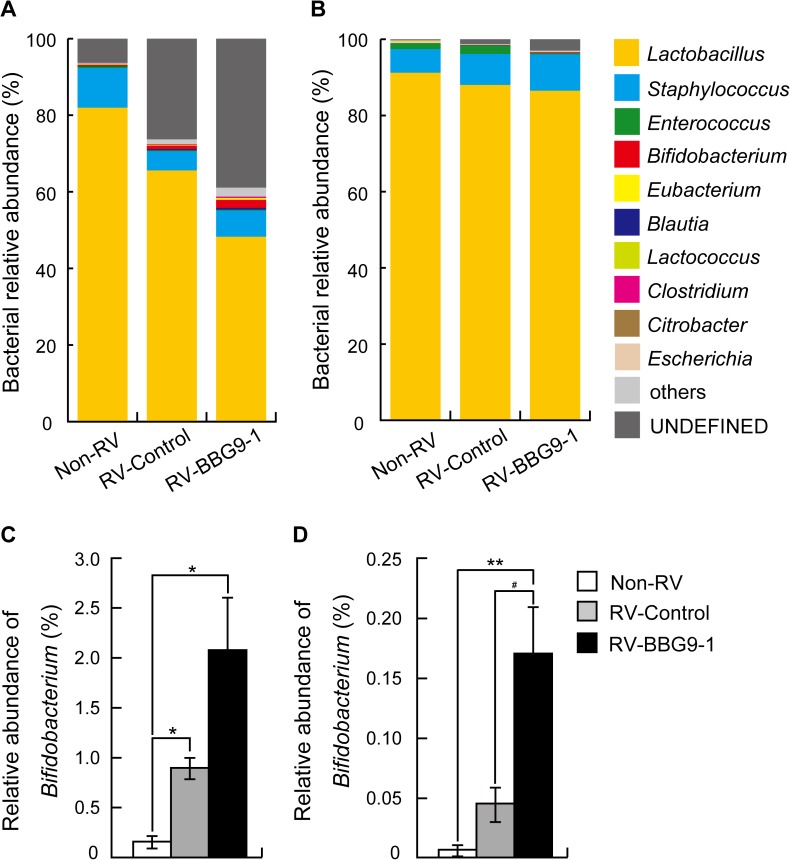
Human rotavirus (RV) infection is a leading cause of dehydrating diarrhea in infants and young children worldwide. Since therapeutic approaches to RV gastroenteritis are limited to alleviation of dehydration with oral rehydration solutions, more direct approaches to palliate symptoms of RV gastroenteritis are required. Treatments with probiotics have been increasingly recognized as alternative safe and low cost treatments for moderate infectious diarrhea. In this study, Bifidobacterium bifidum G9-1 (BBG9-1), which has been used as an intestinal drug for several decades, was shown to have a remarkable protective effect against RV gastroenteritis in a suckling mice model. As well as prophylactic oral administration of BBG9-1 from 2 days before RV infection, therapeutic oral administration of BBG9-1 from 1 day after RV infection significantly alleviated RV-induced diarrhea. Therapeutic administration of BBG9-1 reduced various types of damage in the small intestine, such as epithelial vacuolization and villous shortening, and significantly diminished the infectious RV titer in mixtures of cecal contents and feces. It was also shown that therapeutic administration of BBG9-1 significantly increased the number of acidic mucin-positive goblet cells and the gene expression of mucosal protective factors including MUC2, MUC3, MUC4, TGFβ1 and TFF3 in the small intestine. This led to alleviation of low gut permeability shown as decreased gene expression levels of occludin, claudin-1 and villin-1 after RV infection. Furthermore, in the small intestine, therapeutic administration of BBG9-1 significantly palliated the decreased gene expression of SGLT-1, which plays an important role in water absorption. In the large intestine, administered BBG9-1 was shown to replicate to assimilate undigested nutrients, resulting in normalization of the abnormally high osmotic pressure. These results suggested that water malabsorption caused by RV infection was alleviated in mice administered BBG9-1. Thus, the present study showed that oral administration of BBG9-1 palliated diarrhea partly through protection against RV-induced lesions by inducing mucosal protective factors. Oral administration of BBG9-1 is thought to be an efficient method for management of an RV epidemic for both prophylactic and therapeutic purposes.
人类轮状病毒(RV)感染是全球婴幼儿脱水腹泻的主要原因。由于RV肠胃炎的治疗方法仅限于用口服补液溶液缓解脱水,因此需要更直接的方法来缓解RV肠胃炎的症状。益生菌治疗已越来越被认为是中度感染性腹泻的替代安全且低成本的治疗方法。在本研究中,已用作肠道药物数十年的双歧双歧杆菌G9-1(BBG9-1)在乳鼠模型中显示出对RV肠胃炎具有显著的保护作用。除了在RV感染前2天预防性口服BBG9-1外,在RV感染后1天开始治疗性口服BBG9-1也显著减轻了RV诱导的腹泻。BBG9-1的治疗性给药减少了小肠中的各种损伤,如上皮空泡化和绒毛缩短,并显著降低了盲肠内容物和粪便混合物中感染性RV的滴度。还表明,BBG9-1的治疗性给药显著增加了酸性粘蛋白阳性杯状细胞的数量以及小肠中包括MUC2、MUC3、MUC4、TGFβ1和TFF3在内的粘膜保护因子的基因表达。这导致了RV感染后紧密连接蛋白、闭合蛋白-1和绒毛蛋白-1基因表达水平降低所显示的低肠道通透性的缓解。此外,在小肠中,BBG9-1的治疗性给药显著缓解了在水吸收中起重要作用的钠葡萄糖共转运蛋白-1(SGLT-1)基因表达的降低。在大肠中,给予的BBG9-1被证明可以复制以同化未消化的营养物质,从而使异常高的渗透压恢复正常。这些结果表明,在给予BBG9-1的小鼠中,RV感染引起的水吸收不良得到了缓解。因此,本研究表明,口服BBG9-1部分通过诱导粘膜保护因子来预防RV诱导的损伤从而减轻腹泻。口服BBG9-1被认为是一种用于预防和治疗目的的RV流行管理的有效方法。